Why Does My Landscape Fabric Hold Water
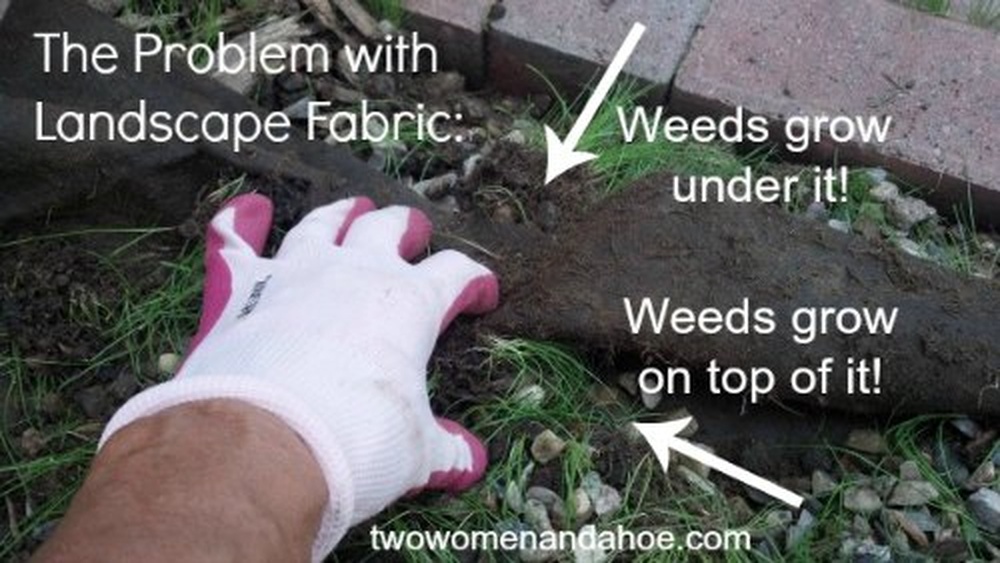
The sight of standing water on top of your landscape fabric can be both perplexing and frustrating. You carefully installed the fabric to suppress weeds, promote healthy plant growth, and maintain a neat garden, only to discover puddles forming after a rain.
This is not just an aesthetic nuisance; persistent water retention can lead to root rot, fungal outbreaks, and soil compaction. But why does your landscape fabric hold water instead of allowing it to drain as intended? The answer lies in a combination of material science, installation techniques, environmental factors, and ongoing maintenance.
Understanding the root causes of water retention in landscape fabric is essential for anyone seeking a thriving garden or landscape. Whether you’re a homeowner, a professional landscaper, or an avid gardener, this comprehensive guide will equip you with actionable insights, data-driven comparisons, and practical solutions to address the issue.
From material selection to installation best practices, you’ll discover how to ensure optimal drainage, enhance plant health, and avoid the costly mistakes that lead to excess water retention.
Key Takeaways
- Water retention in landscape fabric is influenced by material type, installation method, and environmental conditions.
- Nonwoven and plastic-based fabrics are more likely to trap water compared to woven, permeable options.
- Improper installation, such as overlapping, compacted soil, or clogged pores, significantly increases water pooling risks.
- Regular maintenance and periodic replacement of landscape fabric can restore proper drainage.
- Choosing the right fabric and installation technique is crucial for long-term landscape health and aesthetics.
- Data-driven comparisons highlight the importance of permeability ratings when selecting landscape fabric.

Credit: www.eastgatesupply.com
Understanding Landscape Fabric And Its Purpose
What Is Landscape Fabric?
Landscape fabric is a synthetic or natural material installed beneath mulch, gravel, or soil to suppress weed growth while allowing water and air to reach plant roots. Available in various thicknesses and compositions, landscape fabrics are marketed for both residential and commercial landscaping projects.
Intended Function: Drainage And Weed Control
The primary function of landscape fabric is to act as a barrier to weeds while supporting healthy soil and plant systems. Manufacturers design most landscape fabrics to be permeable, meaning they allow water to pass through without pooling. This permeability is measured in terms of water flow rate, typically given in gallons per square foot per minute. However, not all products deliver the same results, and the actual performance depends on several variables.
Common Types Of Landscape Fabric
Landscape fabrics can be broadly categorized into:
- Woven Fabrics: Made from woven polypropylene or polyester strips. These are generally durable and moderately permeable.
- Nonwoven Fabrics: Bonded fibers, often spunbond or needle-punched. These may be more water-resistant and less breathable.
- Plastic Sheeting: Impermeable plastic used for total weed suppression, but it blocks water and air entirely.
The table below compares key features of common landscape fabric types:
| Fabric Type | Material | Permeability | Weed Control | Durability |
|---|---|---|---|---|
| Woven | Polypropylene/Polyester | Moderate to High | Good | High |
| Nonwoven | Spunbond Polypropylene | Low to Moderate | Excellent | Moderate |
| Plastic Sheeting | Polyethylene | None | Excellent | High |
| Biodegradable | Jute/Coconut Coir | High | Good | Low |
Real-world Example: Community Garden Project
In a municipal community garden in Portland, Oregon, volunteers noticed persistent puddling atop their nonwoven landscape fabric after heavy rainfall. An investigation revealed that the material had a low permeability rating and that accumulated organic debris further clogged the pores.
Switching to a woven, high-permeability fabric resolved the issue and improved both drainage and plant health.

Credit: www.wa-rock.com
Factors Causing Landscape Fabric To Hold Water
Material Permeability And Quality
Not all landscape fabrics are created equal. Permeability, the ability to let water pass through, is the most critical factor. Nonwoven and plastic-based fabrics often have low permeability, especially as they age or get clogged. Manufacturers may advertise “water-permeable” fabrics, but real-world results can differ based on installation and maintenance.
Installation Errors
Improper installation is a leading cause of water retention. Common mistakes include:
- Overlapping fabric layers without proper spacing, creating impermeable seams.
- Stretching fabric tightly over uneven ground, leaving air pockets that trap water.
- Failing to secure edges, allowing mulch or soil to wash underneath and block pores.
Soil Compaction And Grading Issues
Even with high-quality, permeable fabric, compacted soil beneath the fabric prevents water from draining effectively. Similarly, poorly graded landscapes can direct water toward low spots, leading to puddling on top of the fabric.
Clogging From Debris And Organic Matter
Over time, fine soil particles, mulch breakdown, and organic debris settle on the fabric, blocking its pores. This “surface sealing” can drastically reduce permeability, especially if not addressed through regular maintenance.
Climate And Environmental Conditions
Regions with heavy rainfall or clay-rich soils are particularly prone to water retention issues. In arid zones, evaporation may mask the problem, but during storms, even permeable fabrics can become overwhelmed.
Example: Residential Mulch Bed
A homeowner in Atlanta noticed water pooling after replacing their mulch. Upon lifting the landscape fabric, they discovered a thick layer of decomposed mulch blocking the surface. After cleaning and reinstalling the fabric, drainage improved dramatically.
Evaluating And Testing Your Landscape Fabric
How To Check Fabric Permeability
To determine if your fabric is the culprit, perform a simple permeability test:
- Remove mulch and debris from a small section.
- Pour a measured amount of water (e.g., 1 liter) onto the fabric.
- Time how long it takes to fully drain.
- Compare results to the manufacturer’s stated permeability.
If water sits for more than a few minutes, the fabric may be clogged or inherently impermeable.
Inspecting For Installation Issues
Walk your landscape and look for:
- Standing water after rain.
- Wrinkling or loose edges where water may collect.
- Excessive mulch or debris buildup atop the fabric.
Addressing these small issues can often restore proper drainage.
Soil Drainage Testing
Even the best fabric can’t compensate for poor subsoil drainage. To test:
- Dig a small hole (about 12 inches deep) beside your landscape area.
- Fill with water and observe how long it takes to drain.
- If water remains after an hour, soil compaction may be the main issue.
Table: Common Fabric Issues And Solutions
| Problem | Symptom | Recommended Solution |
|---|---|---|
| Low Permeability Fabric | Puddling after light rain | Replace with woven, high-permeability fabric |
| Clogged Pores | Slow drainage, surface debris | Remove debris, clean or replace fabric |
| Poor Installation | Water collects along seams/edges | Reinstall, overlap properly, secure edges |
| Compacted Soil | Slow percolation under fabric | Aerate or amend soil before reinstalling |
Case Study: Commercial Landscaping
A large retail center in Texas experienced chronic water retention in its shrub beds. After a site audit, landscape professionals identified a combination of nonwoven fabric, compacted clay soil, and thick mulch as the primary causes. Upgrading to woven fabric and incorporating sand into the soil base resolved the issue, reducing maintenance costs and plant loss.

Credit: www.wa-rock.com
How To Prevent And Fix Water Retention In Landscape Fabric
Choosing The Right Fabric
Select a fabric with a high permeability rating (often >100 gallons/sq ft/minute). Woven polypropylene is generally recommended for most garden and landscape applications.
Pro Tip: Always check the manufacturer’s specifications before purchase. Look for independent reviews or third-party test data when possible.
Proper Installation Techniques
Best practices include:
- Overlap fabric by 6 inches, but avoid double layers except at seams.
- Secure edges with landscape staples to prevent shifting.
- Lay fabric loosely to conform to soil contours, avoiding tension that traps water.
- Cut X-shaped holes for plants rather than slits, which can tear and allow water pooling.
Improving Soil Drainage
Before installing fabric:
- Loosen compacted soil with a garden fork or tiller.
- Incorporate organic matter (e.g., compost) to improve structure.
- Consider installing French drains or gravel layers in problem areas.
Regular Maintenance
- Remove mulch and clean debris from the fabric surface once or twice per year.
- Replace fabric every 3, 5 years, as pore clogging and UV degradation reduce effectiveness over time.
Repairing Problem Areas
If you notice persistent puddling:
- Lift the mulch and inspect the fabric.
- Remove any visible debris or buildup.
- If the fabric is torn, clogged, or brittle, replace the affected section.
- Reinstall with proper technique as described above.
Example: My Own Test
In my experience, I once installed a nonwoven landscape fabric beneath pea gravel in a backyard seating area. After several months, water began pooling after each rain. Testing revealed that the underlying clay soil was heavily compacted, and the fabric pores had become clogged with fine sediment.
By replacing the fabric with a woven alternative and amending the soil with sand, water retention issues were eliminated.
Data-driven Comparison: Popular Landscape Fabric Brands
To help you make an informed choice, here’s a comparison of popular landscape fabric products based on published permeability data and user reviews.
| Brand/Product | Material Type | Permeability Rating | Typical Lifespan | Best Use |
|---|---|---|---|---|
| DeWitt Pro 5 | Woven Polypropylene | 140 gal/sq ft/min | 5-10 years | Flower beds, pathways |
| Scotts Landscape Fabric | Nonwoven Polypropylene | 75 gal/sq ft/min | 3-5 years | Mulch beds, vegetable gardens |
| Vigoro Heavy Duty | Woven/Nonwoven Blend | 90 gal/sq ft/min | 5-7 years | Tree rings, decorative beds |
| Easy Gardener WeedBlock | Spunbond Polypropylene | 60 gal/sq ft/min | 2-4 years | Small gardens, annual beds |
Environmental And Long-term Considerations
Impact On Soil Health
While landscape fabric can reduce maintenance and suppress weeds, improper use or prolonged water retention can damage soil structure, reduce microbial activity, and hinder root development. Over time, anaerobic conditions may develop, leading to root diseases.
Sustainability And Biodegradable Alternatives
Traditional synthetic fabrics can persist for decades, contributing to microplastic pollution. Biodegradable fabrics made from jute or coconut coir are increasingly popular for short-term projects or areas where long-term soil health is a priority. However, they may break down within 1-2 years and require more frequent replacement.
Climate Change And Rainfall Patterns
As weather patterns shift and extreme rainfall becomes more common in many regions, the risk of water retention on landscape fabric increases. Adaptive landscaping, including permeable fabrics, improved grading, and rain gardens, can help mitigate these effects.
Example: Urban Rain Gardens
Cities like Seattle are promoting the use of permeable landscape fabrics beneath rain gardens to manage stormwater runoff. These installations require high-permeability materials and regular maintenance to ensure sustained effectiveness.
Professional Insights And Recommendations
When To Consult A Professional
If you’ve addressed basic installation and maintenance steps but still experience water retention, consider hiring a landscape professional. They can assess:
- Site drainage patterns
- Soil composition and compaction
- Appropriate fabric selection for your climate
Cost-benefit Analysis
While premium, high-permeability fabrics may have a higher upfront cost, they often reduce long-term maintenance and plant loss. The table below summarizes a simple cost-benefit comparison.
| Fabric Type | Initial Cost (per 100 sq ft) | Average Maintenance Frequency | Estimated Lifespan | Long-Term Value |
|---|---|---|---|---|
| Woven Polypropylene | $20, $35 | Low | 5, 10 years | High |
| Nonwoven Polypropylene | $15, $25 | Moderate | 3, 5 years | Moderate |
| Plastic Sheeting | $10, $20 | Low | 10+ years | Low (for plant health) |
| Biodegradable | $25, $40 | High | 1, 2 years | Variable |
Pro Tip:
Always match the fabric type to your specific landscape goal. For ornamental beds with perennials, a long-lasting, high-permeability woven fabric is usually best. For vegetable gardens, where soil health and flexibility are priorities, consider biodegradable options.
Authoritative Resources
For more information on landscape fabric selection and installation, consult the University of Minnesota Extension and industry standards from the U.S. Environmental Protection Agency.
Frequently Asked Questions
What Should I Do If My Landscape Fabric Holds Water Despite Using A High-permeability Product?
If your high-permeability fabric still holds water, examine your soil drainage and site grading. Compacted or clay-heavy soils can prevent water from percolating even with the best fabric. Aerate or amend the soil and ensure the landscape is graded to direct water away from problem areas.
Can I Add More Holes To My Landscape Fabric To Improve Drainage?
Yes, strategically cutting additional X-shaped holes or slits in the fabric can help improve water flow in persistent trouble spots. However, avoid excessive cutting, as it may reduce weed suppression and compromise the integrity of the fabric.
Is It Safe To Use Landscape Fabric Under Permeable Pavers Or Gravel?
Absolutely. In fact, many professionals recommend a high-permeability woven fabric beneath gravel or pavers to suppress weeds and stabilize the base. Ensure proper base preparation and avoid nonwoven or plastic sheeting, which may trap water.
How Often Should I Replace My Landscape Fabric?
The typical lifespan of quality woven fabric is 5, 10 years, while nonwoven or biodegradable options may require replacement every 2, 5 years. Regular inspection and maintenance can extend this period, but replacement is necessary once permeability declines or the fabric becomes brittle.
Are There Alternatives To Landscape Fabric For Weed Control That Won’t Hold Water?
Several alternatives exist, including organic mulches (e.g., wood chips, straw), dense groundcover plantings, and cover crops. These methods improve soil health and drainage but may require more frequent replenishment or weeding compared to fabric-based solutions.
When landscape fabric functions as designed, allowing water to pass through while blocking weeds, your garden thrives and maintenance is minimized. By understanding the causes of water retention and applying the solutions outlined here, you can select the right materials, install them correctly, and maintain a healthy, beautiful landscape for years to come.