Landscaping Services for Tree and Shrub Care
Choose landscaping services for tree and shrub care that include pruning, structure checks, pest and disease inspection, irrigation review, and clean-up; plan major pruning for late dormant season for most deciduous trees and shrubs. Bad pruning or skipped plant-health care can trigger weak growth, storm damage, disease spread, and expensive removals. This guide explains what tree and shrub care should include, when to prune, and which quote items matter for trimming, installation, removal, irrigation, and health checks.
What tree and shrub care includes
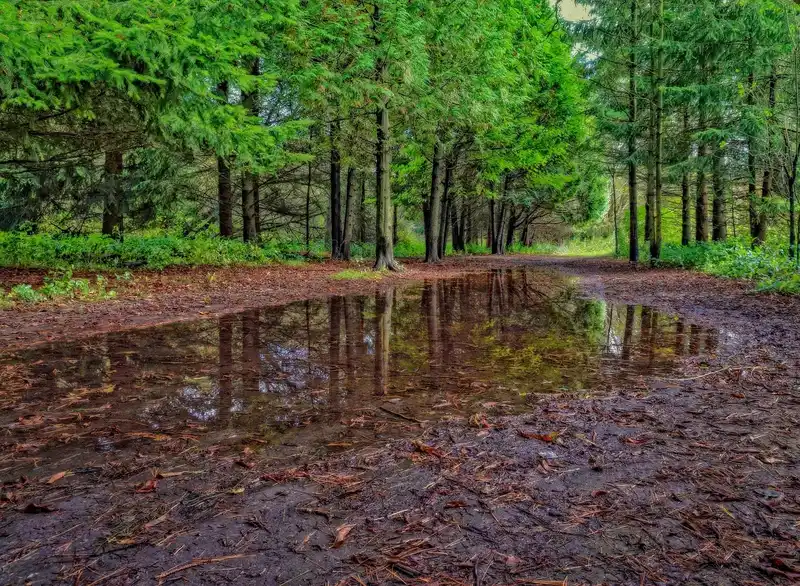
Tree and shrub care covers more than cutting branches. The scope should split cosmetic shrub trimming from structural tree work, then add irrigation review, nutrition support, and cleanup so plants, soil, and water systems work together.
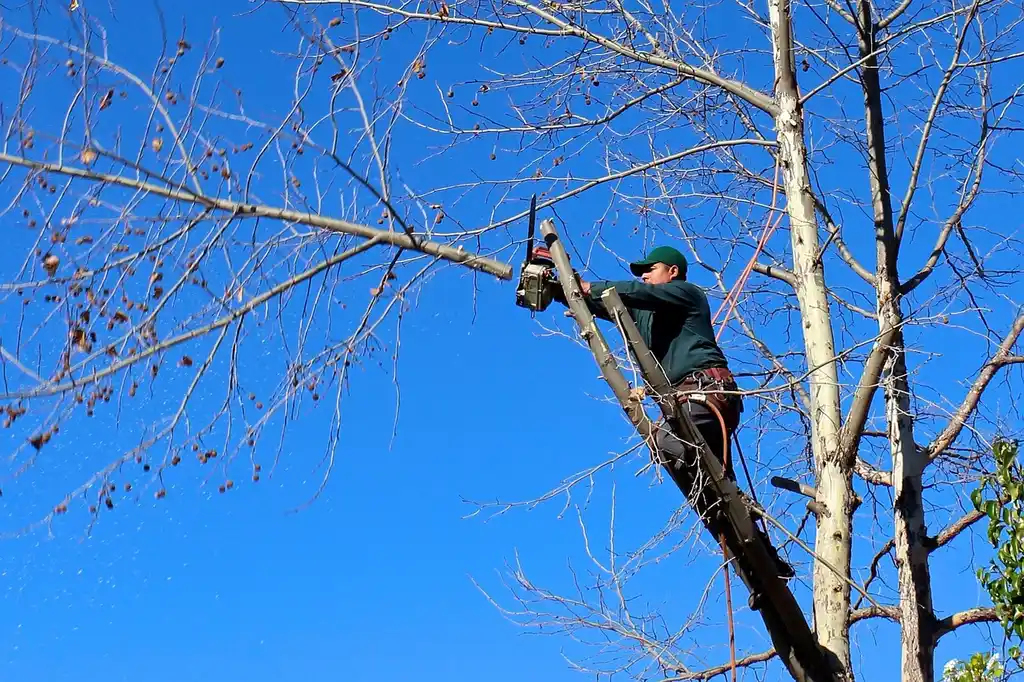
Tree services may include tree installation, tree trimming, and tree removal. A company that takes on this work should have equipment and trained operators for safe tree work, because a tall canopy or a removal cut changes risk fast.
Shrub trimming is different. The goal is healthy, attractive growth, not a flat outline. One service model calls for shrub trimming 3-4 times yearly, with spring trimming for new growth, summer trimming for maintenance, and fall trimming to prepare for winter.
Shrub trimming versus structural pruning
Shrub trimming shapes the outer growth of hedges and foundation plants. Structural pruning removes or shortens selected stems to improve branch structure, spacing, and long-term form. If a quote treats those as the same task, ask for a clearer scope.
Overpruning can strip too much leaf surface and weaken the plant. Topping a tree can leave weak regrowth and decay-prone stubs. Bad timing can also cut off flower buds or expose fresh cuts before frost.
Where mowing and maintenance fit
Grounds maintenance belongs in the same conversation because mowing, pruning, edging, and cleanup affect plant health together. A team cross trained in mowing and shrub pruning can keep cuts consistent, avoid nicking low branches, and follow proper pruning and mowing techniques across the property.
During the growing season, weekly visits stop fast growth from turning into a bigger correction later.
Landscaping services matrix
Use this matrix to compare service scope before you sign. It separates plant type, timing, failure risk, and the quote details that should be written down, not assumed.
| Service task | Plant type | Ideal season or timing | Risk if done wrong | What to confirm in a quote |
|---|---|---|---|---|
| Shrub shaping | Hedges and ornamental shrubs | Spring shaping for new growth; summer maintenance trimming; fall prep for winter | Overpruning, thin regrowth, missed bloom cycles | A shrub trimming quote should specify visit frequency, shrub count, cleanup, disposal, and whether shaping or selective cuts are included. |
| Tree trimming | Shade and ornamental trees | Late dormant season for most deciduous trees | Topping, large wounds, weak limbs, disease entry | A tree and shrub care quote should include tree count, canopy height, pruning method, equipment used, and proof of trained operators. |
| Tree installation | New trees | Species and site dependent | Poor root establishment, settling, staking mistakes | Plant size, installation steps, soil prep, mulch depth, and watering plan |
| Tree removal | Unsafe, dead, or poorly placed trees | Any time risk demands it | Property damage, falling limbs, stump issues | Removal method, access limits, stump handling, debris haul-off, and safety equipment |
| Selective pruning | Shrubs, perennials, ornamental trees up to 10 ft. | Quarterly pruning windows tied to growth stage | Flower loss, shape distortion, frost burn on fresh cuts | Height limit, plant list, cut type, and whether deadwood removal is included |
| Horticulture care | Landscape beds, shrubs, turfgrass | Year-round program with seasonal checks | Nutrition gaps, pest pressure, water stress | On-staff horticulturist, inspection frequency, irrigation coordination, and nutrition plan |
| Irrigation review | Shrubs and turf | During dry spells and rainy-season adjustment periods | Too much or too little water, root stress, runoff | Timers, valves, irrigation heads, and watering adjustments tied to plant needs |
Say that the front hedge has grown about 8 inches beyond the walk and the quote says only “trim shrubs.” That is too vague. You want to know whether the crew will shape the hedge, remove dead wood, clean up clippings, and return 3-4 times yearly.
How often should shrubs be trimmed?
Shrubs usually need trimming 3-4 times yearly when the goal is controlled, healthy growth. Spring shaping helps new growth set its form, summer trimming handles maintenance, and fall work prepares shrubs for winter weather. Hard timing matters as much as the cut itself.
Spring shaping for new growth
Spring trimming should focus on new shoots and early structure. That is the time to correct direction, remove winter damage, and guide the plant before growth hardens. It is also the window most likely to reveal where a shrub has outgrown its space.
Summer maintenance trimming
Summer trimming is maintenance work. It keeps hedges tidy, prevents one flush from overpowering the rest of the plant, and can reduce the need for a severe cut later. It should stay light enough to avoid stressing the shrub in heat or drought.
Fall prep for winter
Fall trimming prepares shrubs for winter by cleaning up broken, crowded, or overly long growth. The timing should avoid forcing tender new shoots right before cold weather. If a plant blooms on old wood, fall timing can also remove next season’s flowers.
When should trees and shrubs be pruned?

For healthiest growth, pruning should match the plant type, bloom cycle, and frost risk. A common standard is late dormant season for most deciduous trees and shrubs, but flowering shrubs, ornamental trees, and damaged limbs may require a different window.
Quarterly pruning and hedge trimming
A maintenance program may include quarterly pruning and hedge trimming four times per year. That schedule works best for properties where appearance, shape, and access matter week to week. It should not replace species-based timing when a plant has a narrow bloom window.
Selective pruning for shrubs, perennials, and ornamental trees
Selective pruning removes specific stems rather than shearing the whole plant. That approach fits shrubs, perennials, and ornamental trees up to 10 ft. when the goal is structure, airflow, and controlled size. It is not the same as a hedge shave or a rough reduction cut.
Bloom windows, frost risk, and species timing
Flowering shrubs can set buds months ahead of bloom. Pruning too early or too late can remove those buds, cut off next season’s display, or expose fresh cuts to frost. Ask the crew how they time pruning for your species, not just for the calendar.
Picture a lilac that blooms on old wood. If it is cut back in late winter, the plant may leaf out normally and still skip flowering. That is a timing error, not a cosmetic issue.
What should a maintenance program include?
A strong maintenance program should combine pruning, mowing, irrigation review, and horticulture care under a clear schedule. Year-round service is better than isolated visits because plant health problems often show up between cleanups, not during them.
Weekly growing-season visits
One maintenance model uses weekly visits every 7–10 days during the growing season. That cadence lets crews catch overgrowth, check irrigation issues, and adjust pruning before a small problem becomes a larger cut or a plant-health setback.
Flat monthly pricing and continuous scheduling
Look for flat monthly pricing and continuous scheduling if you want predictable service. That structure can replace multiple vendors with one crew, which reduces missed handoffs between pruning, mowing, bed care, and cleanup.
Irrigation, nutrition, and horticulture care
Horticulture care should be more than a visual pass. It should include a plant health program, coordination with irrigation, attention to nutritional needs for plants and turfgrass, and oversight from an on-staff horticulturist when available.
Irrigation belongs in the same program because water volume affects both shrubs and turf. Good service checks the correct amount of water, adjusts for rainy periods, and reviews timers, valves, and irrigation heads so the system supports plant health instead of fighting it.
How do you know if a landscaper understands plant health?
A landscaper who understands plant health will talk about timing, plant type, and cut limits before talking about speed or a clean line. They should explain pruning boundaries, identify when a plant needs irrigation review or nutrition support, and flag cuts that would weaken growth.
Signs they know pruning limits and timing
Ask how they handle overpruning, topping, bloom windows, and frost risk. A strong answer should mention species-based timing, selective cuts for shrubs and ornamental trees, and the difference between shaping and structural work. If they cannot separate those, the scope is too vague.
Questions to ask before you sign
- How often will shrubs be trimmed, and what months are included?
- Do you prune shrubs, perennials, and ornamental trees up to 10 ft.?
- Is tree trimming, tree installation, or tree removal included?
- Who handles safe tree work, and what equipment is used?
- Does the quote include cleanup, haul-off, and disposal?
- Will you coordinate pruning with irrigation or horticulture care?
- How do you adjust for bloom windows and frost risk?
Red flags such as topping or one-size-fits-all cuts
One-size-fits-all cuts are a warning sign. So is a quote that says “trim everything” without naming plants, heights, visit frequency, or cut type. If the crew talks only about appearance, and never about structure, water, or health, keep looking.
Should tree and shrub care be bundled with mowing or maintenance?
Often, yes. Bundling tree and shrub care with mowing can improve timing, reduce missed issues, and keep the same crew watching plant health over time. It works best when the team is cross trained and the pruning scope is clear.
Grounds maintenance cross-training
Grounds maintenance teams that are cross trained in mowing and shrub pruning can protect plant edges, avoid scalping roots, and keep cuts consistent from visit to visit. That matters because a mower and a pruner see different parts of the same property.
When one crew improves consistency
One crew can be enough when the property needs routine grooming, seasonal pruning, and irrigation checks on a regular cycle. A year-round service model with continuous scheduling also helps if you want one point of contact instead of separate vendors for every task.
When you may need a separate arborist
Large tree removal, high-canopy pruning, and jobs that need specialized climbing or rigging may call for an arborist or a company with dedicated tree equipment. Do not assume a mowing crew or shrub crew is qualified for those tasks unless the quote says so clearly.
Frequently asked questions
What do landscaping services include for tree and shrub care?
They can include shrub trimming, tree trimming, tree installation, tree removal, pruning, irrigation review, cleanup, and other horticulture care. A good quote should name the plants, the service type, the visit frequency, and any height or equipment limits so you know whether the work is cosmetic or structural.
How often should shrubs be trimmed during the year?
For managed properties, shrub trimming is often 3-4 times yearly. Spring shaping handles new growth, summer trimming is maintenance work, and fall trimming prepares plants for winter. The exact schedule should change with species, bloom timing, and how fast the plants grow.
When should trees and shrubs be pruned for healthiest growth?
For most deciduous trees and shrubs, late dormant season is the safest major-pruning window. Flowering shrubs and ornamental trees may need pruning after bloom or at another species-specific time. Avoid cuts that invite frost damage or remove next season’s flower buds.
What is the difference between shrub trimming and tree services?
Shrub trimming shapes and maintains smaller woody plants and hedges. Tree services cover tree installation, trimming, and removal, which often require safer equipment and trained operators. Structural tree work also carries different risk than shearing shrubs into a shape.
What should be included in a tree and shrub care maintenance program?
Look for year-round service or growing-season visits, flat monthly pricing, quarterly pruning and hedge trimming, irrigation coordination, nutrition support, cleanup, and continuous scheduling. The program should also say whether it uses one crew for mowing and pruning or separate teams for tree work.
What are the signs a landscaper understands plant health, not just appearance?
They should ask about species, bloom windows, frost risk, irrigation, and soil conditions before they cut. They should also explain pruning limits, mention selective cuts, and warn against topping or overpruning. If they only talk about neat edges, the plant-health side is missing.