
Choosing the right material for fence posts is a decision that impacts the longevity, strength, and appearance of your fencing project. Many homeowners and professionals contemplate alternatives to standard posts, and landscape timbers often emerge as a cost-effective and readily available option. But can you use landscape timbers for fence posts—and is it a good idea? The short answer: yes, with the right preparation and understanding of their properties, landscape timbers can serve as effective fence posts for a variety of projects.
The appeal of using landscape timbers lies in their affordability, availability at most home improvement stores, and the potential for a rustic, natural look. However, not all timbers are created equal, and there are important considerations regarding durability, installation, and long-term performance.
In this comprehensive guide, we’ll explore the structural capabilities of landscape timbers, compare them to traditional fence posts, and provide expert insights into the best practices for their use. Whether you’re fencing a small garden or constructing a perimeter for livestock, this article will help you decide if landscape timbers are the right choice for your next fencing project.
Key Takeaways
- Landscape timbers can be used as fence posts, but require proper treatment and installation techniques to maximize longevity.
- Compared to traditional posts, landscape timbers are more affordable but may be less durable in certain conditions.
- Understanding the types of wood, preservative treatments, and soil contact implications is crucial.
- Best practices include using concrete footers, applying sealants, and choosing appropriate timber grades.
- Real-world examples show successful use in residential, agricultural, and commercial settings.
- Routine maintenance and inspection are vital to extend the life of landscape timber fence posts.
Credit: barrierbossusa.com
Understanding Landscape Timbers: Properties And Types
What Are Landscape Timbers?
Landscape timbers are lengths of wood, typically 6 to 8 feet long and 3 to 4 inches in diameter, intended primarily for landscaping projects such as garden edging, retaining walls, and raised beds. They’re generally milled from softwoods like pine or fir and may be available in both pressure-treated and untreated varieties.
In addition to their primary landscaping uses, landscape timbers are occasionally repurposed for projects like fencing, playground borders, and even outdoor furniture. Their versatility stems from their manageable size, ease of handling, and adaptability to various outdoor applications. The rustic appearance of landscape timbers can complement both traditional and contemporary landscaping designs, providing a natural aesthetic that blends seamlessly with the environment.
Types Of Landscape Timbers
1. Pressure-treated Timbers
Treated with chemical preservatives, these timbers resist rot, decay, and insect damage. The most common treatments are ACQ (Alkaline Copper Quaternary) and CCA (Chromated Copper Arsenate, now less common due to safety concerns). Pressure-treated timbers are preferred for fence posts due to their enhanced durability and resistance to harsh outdoor elements.
The treatment process involves forcing preservatives deep into the wood fibers, making the timber much more resilient than untreated options.
2. Untreated Timbers
These are raw wood, susceptible to rot and insect attack when in ground contact. While untreated landscape timbers may be suitable for above-ground applications where moisture exposure is minimal, they are not recommended for fence posts that require direct soil contact.
Untreated timbers are generally less expensive, but their lifespan is dramatically shortened when exposed to moisture, soil, and insects.
3. Composite Timbers
Made from wood fibers and recycled plastic, these offer increased durability but are more expensive and less common as fence posts. Composite timbers are ideal for projects where longevity, minimal maintenance, and environmental sustainability are priorities. They resist moisture, warping, and insect damage, making them suitable for high-traffic areas and properties with challenging climates.
Physical Properties Relevant To Fence Posts
- Straightness and Uniformity: Landscape timbers are often less uniform than posts milled specifically for fencing, which can impact ease of installation. Variations in diameter, curvature, and surface quality may require additional preparation, such as trimming or sanding, to achieve a consistent fence line.
- Strength: Depending on the species and treatment, landscape timbers can match the structural requirements for most residential fences. For heavier-duty fences, such as those containing livestock or supporting gates, it’s essential to assess the timber’s load-bearing capacity and opt for denser wood species or reinforced installation methods.
- Preservative Penetration: Deep treatment is essential for ground contact longevity. Always look for products labeled as rated for “ground contact.” The depth and uniformity of preservative penetration directly influence the timber’s resistance to rot, fungi, and insects, especially at the ground line where moisture exposure is highest.
Suitability For Fence Posts
Landscape timbers can be used for fencing if:
- The timber is pressure-treated for ground contact.
- The fence is not intended to bear extremely heavy loads (e.g., large livestock containment).
- Proper installation methods are followed to mitigate moisture and soil exposure.
It’s also important to consider the intended lifespan of your fence and the environmental conditions of your property. For example, properties with well-drained soils and moderate climates are more suitable for landscape timber posts than areas with persistent moisture or harsh weather.

Credit: fencearmor.com
Comparing Landscape Timbers Vs. Traditional Fence Posts
To make an informed choice, it’s essential to compare landscape timbers with traditional fence post options such as round posts, square posts, and metal posts. The table below outlines key comparison metrics.
| Feature | Landscape Timbers | Traditional Wood Posts | Metal Posts |
|---|---|---|---|
| Cost | Low | Moderate | High |
| Availability | High | High | High |
| Durability | Moderate | High (treated) | Very High |
| Ease of Installation | Moderate | Easy | Challenging |
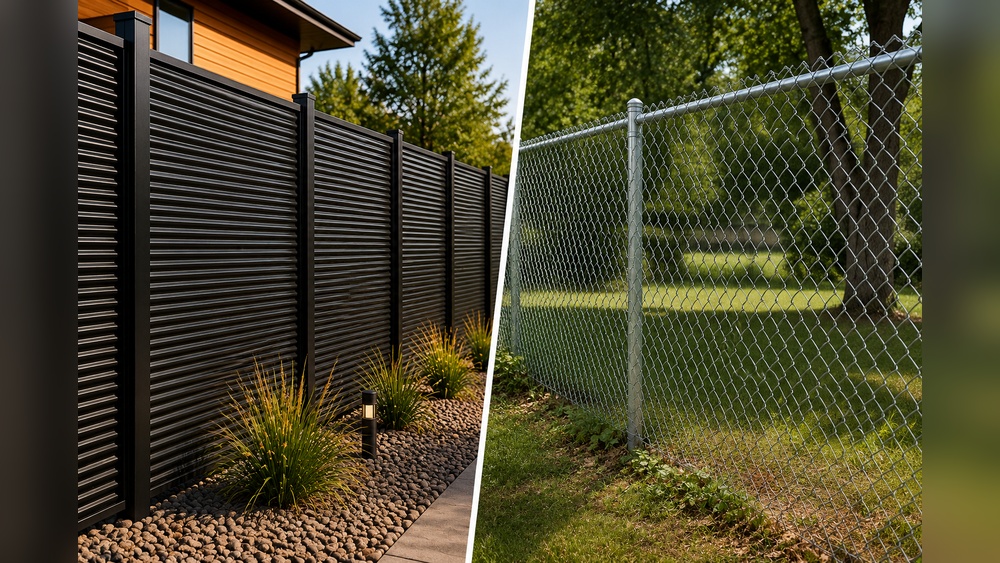
| Appearance | Rustic/Natural | Uniform/Natural | Industrial |
| Maintenance | Moderate | Low | Very Low |
Cost Comparison
Landscape timbers often cost 30–50% less than traditional wood fence posts. For large-scale projects, this can translate into substantial savings. However, potential additional costs for treatments or more frequent replacements should be considered.
For instance, if a homeowner is building a 300-foot perimeter fence, using landscape timbers could reduce material costs by hundreds of dollars compared to premium milled posts. While the upfront savings are significant, factoring in the cost of potential replacements, sealants, or extra labor is crucial to accurately estimate long-term expenses.
Durability And Longevity
While pressure-treated landscape timbers can last 10–15 years in ideal conditions, traditional fence posts (especially those specifically treated for in-ground use) may last 15–25 years or more. Metal posts can last over 30 years but come with higher upfront costs.
Durability is influenced by wood species, preservative quality, soil conditions, and climate. In regions with high rainfall or poor drainage, landscape timbers may require more frequent maintenance or earlier replacement, whereas traditional posts and metal alternatives often withstand harsh environments with minimal intervention.
Installation Complexity
Because landscape timbers are not always perfectly straight or uniform, they may require additional preparation, such as trimming or notching, compared to milled fence posts. However, their lighter weight can make handling easier.
For DIY installers, landscape timbers are manageable, but achieving a professional, uniform fence line may involve more work. Professionals often prefer traditional posts for their consistency and ease of alignment, especially on larger projects.
Aesthetic Considerations
For those seeking a rustic or natural look, landscape timbers are an attractive option. They work well in cottage gardens, rural properties, and informal settings.
The weathered appearance of landscape timbers can enhance the visual appeal of outdoor spaces, providing a charming, organic backdrop for gardens, pathways, and recreational areas. If a more refined or modern aesthetic is desired, traditional posts or composites may be preferable.
Credit: barrierbossusa.com
Proper Installation Techniques For Landscape Timber Fence Posts
To maximize the longevity and performance of landscape timber fence posts, following best practices for installation is crucial.
Preparing The Timbers
1. Select Pressure-treated, Ground-contact Rated Timbers:
Check for a stamp indicating suitability for ground contact. It’s also wise to ask the supplier about the treatment process, ensuring the preservative penetrates sufficiently for long-term protection.
2. Inspect For Defects:
Avoid timbers with large knots, splits, or warping. Defective timbers compromise structural integrity and can lead to premature failure or unsightly fence lines.
3. Apply End Sealant:
Use a wood preservative on cut ends to prevent water ingress. End grain absorbs moisture more readily than side grain, so sealing every cut end is critical to prevent rot.
Digging Post Holes
- Depth: At least one-third of the post’s length should be below ground (e.g., for an 8-foot post, 2.5 feet should be buried). Deeper holes provide greater stability, especially in windy areas or where soil is loose.
- Diameter: Holes should be 3 times the width of the post for stability. For a 4-inch timber, a 12-inch diameter hole is recommended.
- Drainage: Add 4–6 inches of gravel at the base to facilitate drainage. This step helps to keep the post dry and minimizes rot at the ground line.
Setting Posts
- Position the Timber: Ensure vertical alignment with a level. Use temporary braces or stakes to hold the post in position while backfilling.
- Backfill with Concrete or Gravel:
- Concrete offers superior stability and moisture resistance. Concrete should be poured in layers, tamped, and sloped away from the post to direct water runoff.
- Gravel is suitable for lighter-duty fences and allows for easier removal or replacement. It also improves drainage and can be preferable in areas prone to frost heave.
- Slope the Top: Angle the top of the post to shed water and reduce rot risk. This can be done using a saw or chisel, creating a beveled edge that prevents water accumulation.
Additional Moisture Protection
- Bituminous Coating: Apply to the below-ground portion for enhanced moisture resistance. Bituminous paint creates a waterproof barrier, significantly reducing the risk of rot.
- Plastic Post Sleeves: Consider as a barrier against soil and insects. Sleeves are especially useful in termite-prone areas or where the soil contains aggressive fungi.
Fastening Fence Rails
- Predrill Holes: To prevent splitting when attaching rails or panels. This ensures a tight, secure fit and preserves the timber’s integrity.
- Use Galvanized Fasteners: These resist corrosion and maintain structural integrity. Stainless steel fasteners are ideal for coastal or humid regions, offering maximum durability.
Advanced Installation Tips
- Staggered Installation: Alternate the orientation of timbers for increased stability and visual appeal.
- Double-Post Technique: For gates or high-stress areas, use two landscape timbers side-by-side to boost strength.
Durability And Longevity: What To Expect
Factors Influencing Lifespan
- Wood Species: Hardwoods such as cedar or black locust last longer than pine or fir. Pine is commonly used for landscape timbers due to its availability and affordability, but it is not as naturally resistant to decay as cedar.
- Treatment Type: Deep pressure treatment is critical for ground contact. Surface treatments are insufficient for fence posts and may result in rapid deterioration.
- Soil Type and Drainage: Wet, poorly drained soils accelerate decay. Sandy or gravelly soils improve drainage and reduce rot risk, while clay soils retain moisture, increasing vulnerability.
- Climate: High rainfall and humidity increase rot risk. In arid climates, landscape timbers may last longer, but protection against sun and UV degradation is recommended.
Average Lifespan
- Pressure-Treated Landscape Timbers: 10–15 years with proper installation and maintenance.
- Untreated Timbers: 2–5 years, not recommended for fence posts.
- Traditional Posts: 15–25 years (wood), 30+ years (metal).
Maintenance Strategies
- Annual Inspection: Check for rot, insect damage, and movement. Early detection allows for timely repairs, preventing larger issues.
- Sealant Reapplication: Every 3–5 years for above-ground portions. Choose a high-quality, UV-resistant sealant to protect against weathering and moisture.
- Prompt Repairs: Replace damaged posts quickly to prevent fence failure. Damaged posts can destabilize the entire fence, leading to costly repairs.
Real-world Longevity Data
Studies by the USDA Forest Service and Virginia Tech indicate that pressure-treated pine posts in the southeastern US last an average of 13 years, while untreated posts may fail within 3 years (USDA Forest Service).
Additional research by the International Association of Certified Home Inspectors confirms these findings, noting that climate, soil, and maintenance practices are the primary determinants of post longevity. For example, posts in temperate climates with well-drained soils consistently outperform those in humid, poorly drained regions.
Cost Vs. Lifespan Table
| Material | Initial Cost (per post) | Average Lifespan (years) | Estimated Annual Cost |
|---|---|---|---|
| Landscape Timber (Treated) | $6–$10 | 10–15 | $0.60–$1.00 |
| Traditional Wood Post | $10–$18 | 15–25 | $0.40–$1.20 |
| Metal T-Post | $12–$20 | 30+ | $0.40–$0.67 |
Case Studies And Real-world Examples
Residential Garden Fence In Georgia
A homeowner in suburban Atlanta constructed a 200-foot garden fence using pressure-treated landscape timbers as posts. After 12 years, more than 85% of the posts showed no significant decay, attributed to:
- Careful selection of ground-contact rated timbers
- Concrete footers with gravel base for drainage
- Annual reapplication of a water-repellent sealant
The homeowner also performed routine inspections, promptly replacing any posts that showed early signs of rot or insect damage. This proactive approach contributed to the fence’s longevity and maintained its structural integrity throughout its lifespan.
Small Livestock Containment In Texas
A small-scale goat farmer used 4-inch pressure-treated timbers for a perimeter fence. After 7 years:
- Posts on well-drained slopes remained solid
- Posts in a low-lying, damp area showed signs of rot and required replacement
- The owner noted substantial savings compared to traditional posts
In addition to material savings, the farmer invested in high-quality fasteners and applied bituminous paint to the below-ground portions. These measures offset the increased risk in damp areas and extended the life of the posts in drier locations.
Commercial Property Perimeter In Oregon
A landscape contractor chose composite timbers for a commercial property. Although initial costs were higher, after 10 years, no posts required replacement, demonstrating the value of investing in advanced materials for high-traffic or high-visibility areas.
The contractor also noted that composite timbers maintained their appearance and structural integrity far better than wooden posts, especially in areas exposed to frequent irrigation and foot traffic.
Lessons Learned From Failures
An example from a Midwest property highlights the pitfalls of using untreated landscape timbers. Within just 3 years, nearly all posts exhibited severe rot at the ground line, necessitating full replacement and doubling overall project costs.
This case underscores the importance of investing in pressure-treated, ground-contact rated timbers and following best practices for installation. Skipping these steps may result in higher long-term expenses and increased labor for repairs or replacements.
Best Practices And Expert Tips
Selecting The Right Timber
- Always buy ground-contact rated, pressure-treated timbers.
- Avoid timbers with excessive knots, splits, or warping.
- For improved durability, consider composite options for visible or high-use areas.
- Request supplier documentation on preservative treatment to verify depth and efficacy.
Site Preparation
- Test soil drainage before installation.
- Avoid placing posts in constantly wet locations.
- If possible, elevate the base of posts above the surrounding soil grade.
- Use landscape fabric or geotextile around posts in clay soils to improve drainage and minimize soil-to-wood contact.
Installation Enhancements
- Use Concrete Footers: Extends lifespan and provides better stability.
- Seal Cut Ends: Every time a timber is cut, retreat the end with a brush-on wood preservative.
- Apply Bituminous Paint: For posts in especially wet or clay soils.
- Install Post Caps: Decorative caps can prevent water from entering the post, extending its life.
Maintenance Plan
- Schedule an annual inspection and reapplication of sealant.
- Replace damaged posts immediately to maintain fence integrity.
- Keep vegetation trimmed around posts to reduce moisture retention.
- Record maintenance activities and inspection results to track post performance over time.
When Not To Use Landscape Timbers
- For high-stress applications (e.g., horse fencing or heavy gates), traditional milled posts or metal may be a better option.
- In wetlands or flood-prone areas, metal or composite posts offer superior longevity.
- Avoid landscape timbers for fences that require frequent repositioning or height adjustments, as their structural consistency may not support repeated modifications.
Environmental And Safety Considerations
Chemical Treatments And Safety
Pressure-treated timbers contain chemicals to resist rot and insects. Modern treatments, such as ACQ, are considered safer than older CCA formulations but should still be handled with care. Always:
- Wear gloves when handling treated wood.
- Avoid burning treated timbers.
- Do not use for food-producing garden beds unless labeled as safe.
For more on wood preservative safety, visit the EPA’s Wood Preservatives resource.
Environmental Impact
- Treated wood can leach chemicals into the soil; avoid use near streams, ponds, or sensitive habitats.
- Consider FSC-certified or recycled composite timbers for sustainable projects (Forest Stewardship Council).
- Properly dispose of treated wood at designated facilities.
- Evaluate lifecycle impact and potential for recycling when planning large-scale fencing projects.
Recycling And Reuse
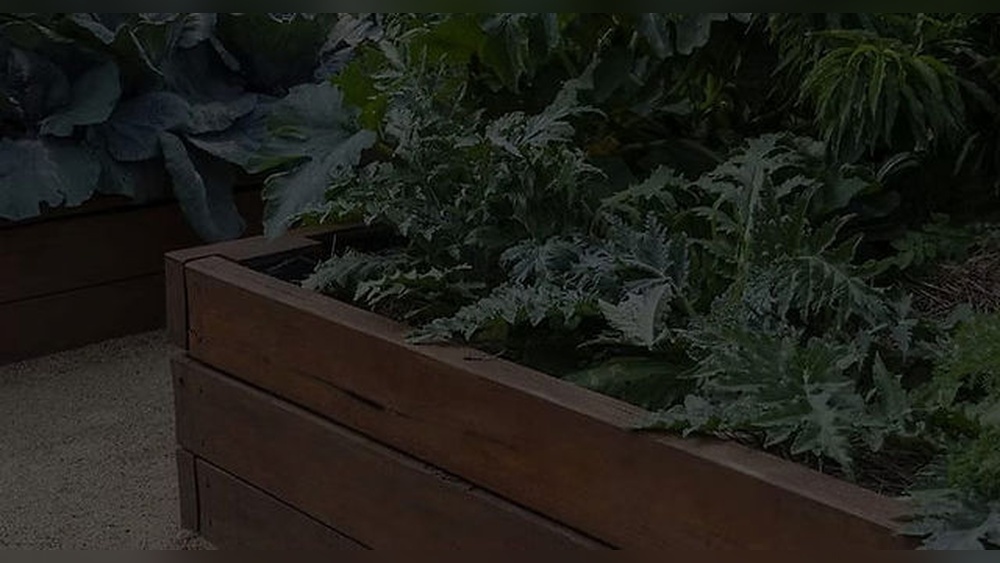
- Old landscape timbers can be repurposed for raised beds, edging, or non-soil-contact uses.
- Check local regulations before disposal.
- If possible, donate reusable timbers to local community gardens, schools, or civic projects.
Alternatives For Green Projects
- Cedar or Black Locust: Naturally rot-resistant, but more expensive.
- Recycled Composite Posts: Long lifespan and eco-friendly, though higher initial investment.
- Explore locally sourced hardwoods or bamboo as innovative, sustainable alternatives for non-load-bearing fences.
Common Challenges And How To Overcome Them
Warping And Splitting
Landscape timbers may warp or split over time, especially if exposed to rapid moisture changes. Minimize these risks by:
- Storing timbers in a dry, shaded location prior to installation.
- Sealing all surfaces after installation.
- Avoiding installation during extreme weather conditions, such as heavy rain or intense heat.
Insect Damage
Even pressure-treated timbers can be susceptible to termites or carpenter ants in some regions. Preventative steps include:
- Using borate-based wood preservatives.
- Keeping soil and mulch away from the base of posts.
- Inspecting for signs of infestation during annual maintenance.
Post Movement Or Lean
Improper backfilling or shallow holes can cause posts to lean. Ensure:
- Correct hole depth and diameter.
- Firm tamping of backfill material.
- Use of braces during concrete setting.
- For fences on slopes, stagger post heights to compensate for uneven terrain.
Rot At Ground Line
This is the most common failure point. Combat it with:
- Proper drainage (gravel base).
- Bituminous coatings or plastic sleeves.
- Regular inspection and maintenance.
- Installing post skirts or collars to physically separate the timber from soil contact.
Fence Sagging
Timber flexibility can contribute to fence sagging if posts are spaced too far apart. Stick to recommended post spacing (typically 6–8 feet).
- For longer spans, reinforce rails with metal brackets or additional support posts.
Frequently Asked Questions
Can Landscape Timbers Be Used For All Types Of Fences?
Landscape timbers are suitable for most residential and light agricultural fences, such as garden, picket, and privacy fences. However, for heavy-duty applications like livestock containment or security fencing, traditional milled or metal posts may be preferable due to their superior strength and resistance to impact.
Landscape timbers may also be used for decorative fencing, property borders, and low-impact containment. For specialty fences such as deer fencing, electric fencing, or windbreaks, consult a fencing professional for material recommendations.
How Do You Prevent Landscape Timbers From Rotting In The Ground?
To minimize rot, always use pressure-treated, ground-contact rated timbers, set posts in concrete with a gravel base for drainage, apply bituminous paint or a wood preservative to the below-ground portion, and slope the top of each post to shed water. Regular inspection and maintenance are also key.
For especially challenging environments, consider additional protective measures such as post sleeves, geotextile wraps, or post collars.
Are Landscape Timbers Safe To Use Around Gardens And Pets?
Modern pressure-treated timbers using ACQ or copper azole are generally considered safe for use around pets and ornamental gardens. For vegetable gardens or areas with frequent human contact, look for products specifically labeled as safe for garden use, or opt for naturally rot-resistant woods like cedar. Always follow manufacturer guidelines and local regulations (Gardening Know How).
If your pets are prone to chewing or scratching posts, consider composite timbers or natural hardwoods to minimize exposure to preservatives.
How Long Do Landscape Timber Fence Posts Typically Last?
With proper installation and maintenance, pressure-treated landscape timbers can last 10–15 years in most climates. In wet or poorly drained soils, this lifespan may be shorter. Untreated timbers are not recommended for fence posts due to rapid decay, often failing within 2–5 years.
Regular upkeep, soil management, and protective coatings can extend the life of landscape timber posts, especially in challenging environments.
Can You Attach Fence Panels Or Rails Directly To Landscape Timbers?
Yes, fence panels and rails can be attached directly to landscape timbers. For best results, use galvanized or stainless-steel fasteners, predrill holes to prevent splitting, and ensure the timbers are securely anchored in the ground. If installing heavy panels, check that the timbers are straight and free of major defects.
Consider using metal brackets or reinforcement plates for added strength at attachment points, especially for gates and corners.
References And Additional Resources
- USDA Forest Service: Durability of Wood Fence Posts
- Forest Stewardship Council (FSC)
- EPA: Wood Preservatives
- Wikipedia: Wood Preservation
- Gardening Know How: Pressure Treated Wood in Gardens
- This Old House: How to Build a Fence with Landscape Timbers
Whether you’re seeking to save on material costs or aiming for a specific aesthetic, landscape timbers offer a viable option for fence posts when properly chosen and installed. While they may not match the ultimate durability of traditional posts or metal, their affordability and versatility make them a smart choice for many fencing projects. With attention to preparation, installation, and maintenance, landscape timber fence posts can provide years of reliable service and add a distinctive touch to your property. By following the best practices outlined in this guide, you can achieve a durable, attractive fence that meets both your budget and your design goals.