
When tackling landscaping or construction projects that require soil stabilization, weed prevention, or drainage solutions, the terms geotextile fabric and landscape fabric frequently surface. While these materials are often used interchangeably by homeowners and even some professionals, are they really the same? Understanding the distinctions and best-use scenarios can save time, money, and prevent costly mistakes in your next outdoor project.
The confusion stems from the overlap in their applications—both fabrics are installed beneath soil or mulch, and both are designed to improve soil conditions. However, differences in composition, durability, permeability, and intended use can have a significant impact on project success.
In this comprehensive guide, we’ll break down what sets geotextile fabric and landscape fabric apart, explore their unique strengths and limitations, and help you decide which is right for your needs. By the end, you’ll have the expertise to make an informed decision that leads to lasting results.
Key Takeaways
- Geotextile fabric and landscape fabric serve similar but distinct roles in landscaping and construction.
- Geotextile fabric is engineered for heavy-duty applications like soil stabilization and drainage, whereas landscape fabric is primarily for weed control.
- Material composition, strength, and permeability differ significantly between the two, impacting their performance and longevity.
- Choosing the right fabric requires understanding your project’s specific requirements, including durability, drainage needs, and budget.
- Using the wrong fabric can lead to premature failure, increased maintenance, or even structural issues.
Understanding Geotextile Fabric
Geotextile fabrics have become a cornerstone in modern civil engineering, erosion control, and landscaping due to their remarkable durability and versatility. Let’s explore their characteristics, types, and core functions.
What Is Geotextile Fabric?
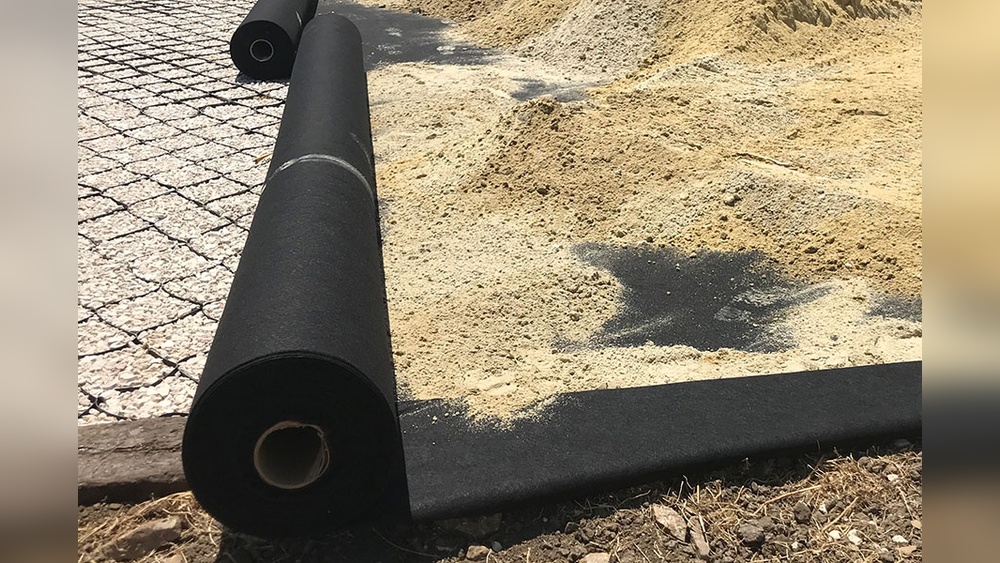
Geotextile fabric is a permeable textile material, typically made from high-strength synthetic fibers such as polypropylene or polyester. These fabrics are designed to be installed in direct contact with soil to enhance its properties for construction or landscaping purposes.
Geotextile fabrics act as a barrier and reinforcement, effectively separating, filtering, draining, and protecting soil layers. Their use is not just limited to large-scale civil engineering projects; they are increasingly found in residential projects for patios, driveways, and advanced garden landscaping. What sets geotextiles apart is their engineering: they are manufactured to rigorous standards for strength, permeability, and durability, often meeting or exceeding specifications set by organizations such as ASTM International.
Types Of Geotextile Fabric
There are three main categories of geotextiles, each with distinct manufacturing processes and performance characteristics:
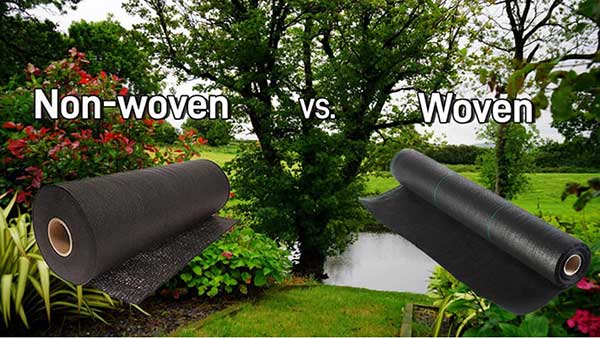
- Woven Geotextiles: Manufactured by weaving synthetic fibers together, resulting in a robust, grid-like structure. Best for applications requiring high tensile strength and load distribution.
- Example: Woven geotextiles are commonly used under roadways to prevent rutting and aggregate migration. Their tightly woven structure efficiently distributes loads and maintains separation between soil and aggregate layers.
- Non-Woven Geotextiles: Created by bonding fibers together using heat, chemicals, or needle punching. They are typically more flexible and allow for superior water permeability, making them ideal for drainage and filtration.
- Example: Non-woven geotextiles are preferred for French drains, subsurface drainage systems, and behind retaining walls where water filtration is needed without soil migration.
- Knitted Geotextiles: Produced using knitting techniques, offering unique combinations of strength and flexibility, though less common than woven or non-woven types.
- Example: Knitted geotextiles are sometimes used in temporary or specialized erosion control applications where adaptability to uneven surfaces is valuable.
Core Applications
Geotextile fabrics are used in a range of demanding scenarios, including:
- Soil stabilization for roadways, parking lots, and retaining walls. By reinforcing the soil, geotextiles prevent shifting and settlement, ensuring long-term stability.
- Erosion control along slopes, riverbanks, and shorelines. Geotextiles act as a barrier to keep soil in place while allowing water to pass through, reducing washouts and sediment loss.
- Drainage systems in athletic fields, French drains, or under pavement. Their permeability allows water to escape while blocking soil, preventing clogs and puddling.
- Separation layers between different soil types, such as clay and gravel, preventing the mixing that can undermine structural integrity.
These fabrics are also used for landfill capping, embankment construction, and even in green roof systems where root barriers and drainage are critical.
Key Properties
- High tensile strength for withstanding loads and ground movement. Geotextile fabrics are engineered to resist tearing and stretching, even under the pressure of vehicular or heavy equipment loads.
- Excellent permeability for drainage and filtration. This ensures that water can move freely while soil particles are retained, maintaining both drainage and soil stability.
- Resistance to UV, chemicals, and biological degradation. Most geotextiles are treated to withstand environmental exposure, increasing their longevity even in harsh conditions.
- Long service life even in challenging environments. With proper installation, geotextiles can remain effective for decades, minimizing maintenance and replacement costs.
For more technical details, the Wikipedia page on geotextiles provides a solid overview.
Credit: www.landscapediscount.com
Understanding Landscape Fabric
While landscape fabric may look similar to geotextile fabric at first glance, it is designed with a different primary purpose: weed control in residential and commercial gardens.
What Is Landscape Fabric?
Landscape fabric is a permeable material, usually made from polypropylene or polyester, engineered to be placed under mulch, rock, or soil in gardens and landscaped areas. Its main function is to block sunlight, thus preventing weed seeds from germinating while still allowing air and water to reach plant roots.
Landscape fabrics are typically lightweight and easy to handle. Their design focuses on balancing weed suppression with the needs of ornamental plants—ensuring that moisture and nutrients are accessible. Unlike geotextiles, most landscape fabrics are not intended to bear significant weight or provide soil reinforcement.
Types Of Landscape Fabric
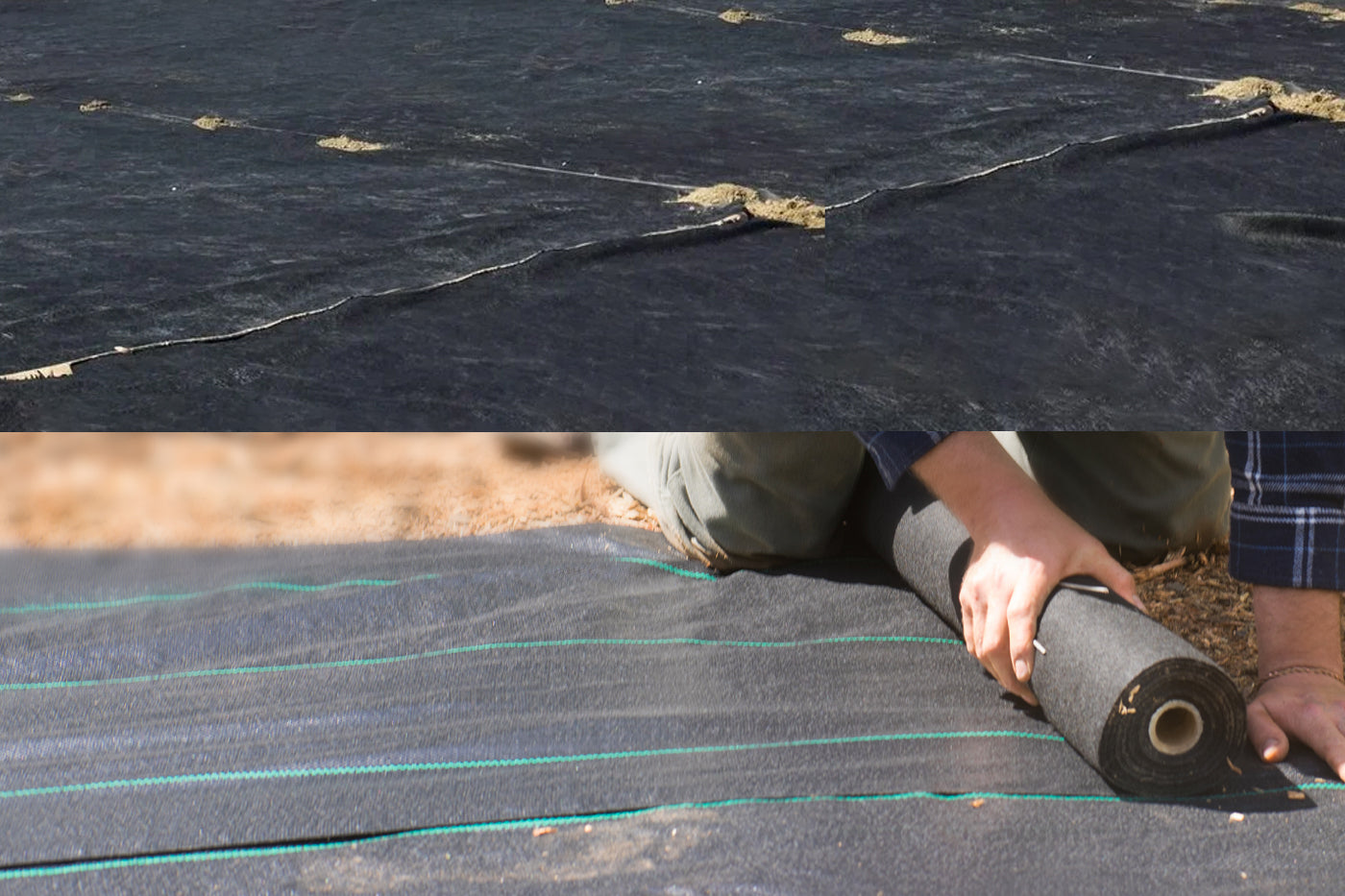
- Spunbonded (Non-Woven) Fabrics: Made using a process similar to non-woven geotextiles, these are lightweight and offer moderate strength.
- Example: Spunbonded fabrics are commonly found in home garden centers and are ideal for annual flower beds and vegetable gardens where frequent planting and fabric replacement are expected.
- Woven Fabrics: Feature visible grid patterns and generally provide greater durability than non-woven types.
- Example: Woven landscape fabrics are suitable for paths, under decorative gravel, and in perennial beds where a more robust barrier is needed.
- Biodegradable Fabrics: Composed of natural fibers like jute or coir, these break down over time and are ideal for eco-friendly gardens.
- Example: Biodegradable options are favored in organic gardens and restoration projects, as they decompose and enrich the soil after serving their purpose.
Core Applications
Landscape fabric is widely used for:
- Weed suppression in garden beds and under decorative gravel, reducing the need for chemical herbicides and manual weeding.
- Moisture retention in flower beds by slowing evaporation, which can lead to healthier, more drought-tolerant plants.
- Preventing soil erosion in light-duty areas, such as sloped gardens or beneath ground cover plants.
- Reducing maintenance by minimizing weed growth and preventing the mixing of mulch with underlying soil.
Landscape fabrics are also used in container gardening, greenhouses, and nursery settings to control weeds and manage moisture.
Key Properties
- Moderate durability—suitable for low-stress, residential applications. Most landscape fabrics will last several seasons but are not intended for high-traffic or heavy-load environments.
- Easy installation—can be cut with scissors or a knife, and is lightweight enough for one person to handle.
- Allows air and water penetration for healthy plant roots. This permeability is crucial for maintaining soil health and supporting robust plant growth.
- Cost-effective for large garden areas, making it accessible for homeowners and commercial landscapers alike.
For a deeper dive, refer to the Gardening Know How guide to landscape fabric.
Credit: ecogardener.com
Geotextile Fabric Vs. Landscape Fabric: Key Differences
Despite their similar appearance and overlapping uses, geotextile and landscape fabrics are fundamentally different in several critical aspects. The table below offers a side-by-side comparison:
| Feature | Geotextile Fabric | Landscape Fabric |
|---|---|---|
| Primary Use | Soil stabilization, drainage, erosion control | Weed suppression, garden beds |
| Material | High-strength polypropylene/polyester | Lightweight polypropylene/polyester, sometimes biodegradable fibers |
| Strength | High (suitable for heavy loads) | Moderate (for light-duty garden use) |
| Permeability | Varies (engineered for drainage/filtration) | Allows water/air, but less engineered precision |
| Longevity | 10–50 years depending on type and exposure | 1–10 years, often replaced frequently |
| Cost | Higher initial cost, long-term value | Lower upfront cost, may require frequent replacement |
| Common Thickness | 0.4–2.0 mm | 0.1–0.5 mm |
Durability And Strength
Geotextile fabrics are engineered for robust performance, capable of bearing heavy loads and withstanding ground movement. This makes them ideal for structural applications like under roads or retaining walls. For instance, in large infrastructure projects such as highways or airport runways, geotextile fabrics provide essential reinforcement and prevent costly failures due to soil movement.
Their tensile strength is typically tested and rated to ensure performance under significant stress.
Landscape fabrics, in contrast, are designed for low-stress environments and will break down faster under UV light, heavy foot traffic, or machinery. Even the most durable woven landscape fabrics are not intended for applications that involve vehicle traffic or heavy loads, as they can tear or degrade rapidly, leading to weed breakthrough and soil displacement.
Permeability And Drainage
Non-woven geotextiles often provide superior water flow rates, which is crucial for drainage and filtration applications. Their engineered porosity means that they can move thousands of gallons of water per hour while still filtering out fine soil particles. This is particularly important in retaining wall backfill or athletic field sub-bases, where excess water must be efficiently channeled away to prevent flooding or soil instability.
Landscape fabrics, while permeable, are not designed for precise drainage control and may clog more easily with fine soil or debris. Over time, organic matter and soil can accumulate on the fabric, reducing its permeability and effectiveness. This can lead to pooling, root rot, or the resurgence of weeds through tears or weakened areas.
Uv And Chemical Resistance
Geotextiles are typically UV-stabilized and chemically resistant, making them suitable for long-term exposure and aggressive environments. This UV resistance is achieved through the addition of stabilizers during manufacturing, allowing geotextiles to be used in exposed settings or areas where chemical exposure is likely, such as industrial sites or contaminated soil remediation projects.
Most landscape fabrics lack these enhancements, reducing their lifespan when exposed to sunlight. If left uncovered or if mulch is displaced, landscape fabric can become brittle and degrade within a single season, especially in regions with intense sun.
Cost And Availability
Landscape fabrics are widely available at home improvement centers and are budget-friendly for covering large garden beds. They are often sold in rolls or sheets of varying widths and lengths, making them convenient for DIY gardeners.
Geotextiles are more expensive per square foot but provide greater value in demanding projects. Their cost is justified by their superior performance, longevity, and ability to prevent expensive structural repairs down the line. For large-scale or commercial projects, geotextiles are typically purchased through specialty suppliers or contractors.
Case Example: Driveway Construction
A homeowner installing a new gravel driveway faced recurring rutting and mud issues. After consulting with a contractor, they replaced the failed landscape fabric with a woven geotextile fabric. The result: improved load distribution, reduced rutting, and a driveway that performed reliably for years.
This example underscores the importance of selecting materials that match the demands of the project. The initial savings from using landscape fabric were quickly lost due to repeated repairs and reinstallation, while the geotextile solution delivered long-term stability and peace of mind.

Credit: www.vevor.com
Real-world Applications: Case Studies
Understanding real-world scenarios is crucial for making the right material choice. Below are three concrete examples illustrating the differences in performance and suitability.
Case Study 1: French Drain Installation
Problem: A commercial property suffered from persistent water pooling after heavy rains.
Solution: Contractors used a non-woven geotextile fabric to line a French drain trench before adding gravel and perforated pipe. The fabric allowed water to pass freely while filtering out soil, preventing pipe clogging.
Result: Effective drainage and a system lifespan of over 20 years. Had landscape fabric been used, the drain would likely have clogged within a few seasons due to fabric breakdown.
This case study highlights a common pitfall: using the wrong type of fabric in drainage systems can lead to costly repairs, water damage, and even property liability issues. Geotextile’s engineered filtration properties make it the clear choice for any subsurface drainage application.
Case Study 2: Residential Flower Bed
Problem: Homeowners struggled with weeds overtaking their mulched garden beds.
Solution: They installed a spunbonded landscape fabric beneath the mulch layer. The fabric blocked sunlight, reducing weed germination by over 90% according to a University of Georgia Extension study.
Result: Maintenance time was cut dramatically, and plants thrived thanks to sufficient air and water reaching their roots.
In this example, the landscape fabric provided an ideal balance of weed control and plant health, with minimal disruption to soil life. The garden remained attractive and low-maintenance for several years before fabric replacement was necessary.
Case Study 3: Roadway Construction
Problem: A rural road built on unstable soil was experiencing frequent potholes and surface cracking.
Solution: Engineers specified a woven geotextile fabric layer beneath the gravel base. This provided soil separation and load distribution.
Result: Road repairs dropped by 70% over a five-year period, saving the municipality significant repair costs and downtime.
This case study demonstrates the transformative impact geotextiles can have on large infrastructure projects. The investment in quality materials led to long-term savings, improved safety, and increased road lifespan—outcomes that are difficult to achieve without the structural support geotextiles provide.
Choosing The Right Fabric For Your Project
Selecting between geotextile and landscape fabric is more than a matter of price—it’s about matching material performance to project demands.
Assessing Project Requirements
- What is the primary goal? (Weed control, soil stabilization, drainage, or erosion prevention)
- For example, is your objective to keep a garden weed-free, or are you reinforcing a driveway against heavy vehicles?
- How much load/stress will the area experience? (Foot traffic, vehicles, or none)
- Consider whether people, pets, or cars will routinely cross the area.
- How important is drainage? (Essential for driveways, less critical for flower beds)
- Inadequate drainage can lead to water pooling, plant death, or foundation damage.
- What is your expected project lifespan? (Short-term garden or long-term structure)
- Temporary seasonal projects may justify less durable, biodegradable fabrics, while permanent installations require robust geotextiles.
When To Use Geotextile Fabric
- Under driveways, patios, or roads to prevent rutting and mixing of aggregate with soil
- Essential for distributing loads and maintaining structural integrity.
- In drainage applications like French drains or retaining wall backfill
- Prevents soil migration and clogging of pipes or gravel beds.
- For erosion control on steep slopes or along shorelines
- Keeps soil in place during storms or water flow events.
- Where long service life and high strength are needed
- Any installation where future access is difficult or costly.
When To Use Landscape Fabric
- For weed suppression in flower beds, vegetable gardens, or under decorative gravel
- Reduces the need for chemical herbicides and frequent weeding.
- Where ease of installation and removal is preferred
- Ideal for seasonal beds or areas that may be replanted frequently.
- In low-traffic areas where heavy loads are not a concern
- Walkways, garden paths, and border areas.
- When cost is a primary factor and replacement is expected
- Suitable for temporary projects or budget-conscious landscaping.
Installation Tips
Proper installation is crucial for both materials to function as intended.
- Overlap edges by 6–12 inches to prevent gaps. This helps ensure weeds and soil do not breach the fabric seams.
- Anchor with landscape staples or pins every 12–18 inches, especially along edges and seams. This prevents wind uplift and movement.
- Cover with mulch, rock, or soil to protect from UV exposure and improve aesthetics.
- Avoid puncturing or tearing fabric during installation. Use care when placing heavy objects or planting through the material.
For detailed installation guidelines, consult the New York State DOT Geotextile Installation Manual.
Environmental Impact And Sustainability
Concerns over synthetic materials in the landscape are valid. Both geotextile and landscape fabrics have environmental pros and cons, and the right choice can support sustainable practices.
Biodegradable Options
Some landscape fabrics are made from biodegradable fibers like jute or coir, offering weed control without long-term synthetic waste. These break down over 1–3 years, enriching the soil.
- Example: Jute matting is used in native plant restoration projects, providing initial weed suppression and erosion control before decomposing and contributing organic matter to the soil.
- Consideration: Biodegradable options are not suitable for high-stress or permanent installations, but they align well with organic gardening and low-impact landscaping goals.
Recyclability
Many geotextile and landscape fabrics are made from recyclable plastics (polypropylene or polyester). Check manufacturer details for post-consumer or recycled content, and plan for proper disposal or recycling at end-of-life.
- Industry Trends: Some manufacturers now offer recycled geotextile options, reducing the environmental footprint of large-scale projects. Always verify recyclability with your local facilities.
Long-term Soil Health
While geotextile fabric is not typically used in direct contact with plant roots, landscape fabric can impact soil health if left in place for years. It may:
- Reduce organic matter exchange by acting as a barrier between mulch and soil, potentially slowing the natural breakdown of organic materials.
- Impede earthworm activity, which is vital for soil aeration and nutrient cycling.
- Cause soil compaction beneath the fabric, especially if not installed with a sufficient mulch or aggregate layer.
To avoid issues, use landscape fabric judiciously and consider alternatives like organic mulch where feasible. Rotating the use of fabric and mulch, or removing fabric after a few seasons, can help maintain healthy soil.
Minimizing Microplastics
Concerns about microplastic pollution are growing. Choose high-quality, UV-stabilized fabrics to reduce breakdown and avoid mixing synthetic fibers into garden soil.
- Best Practices: Regularly inspect fabric for signs of wear or fragmentation, and remove and replace degraded fabric promptly.
- Alternative Solutions: For projects where long-term synthetic use is a concern, opt for biodegradable or natural fiber fabrics and increase the use of organic mulches.
For more, see the U.S. EPA’s recycling guidelines.
Cost Analysis And Value Comparison
Let’s break down the typical costs and value delivered by geotextile and landscape fabrics.
| Material | Average Cost (per 100 sq. ft.) | Typical Lifespan | Annualized Cost |
|---|---|---|---|
| Woven Geotextile Fabric | $35–$70 | 20–50 years | $0.07–$0.18 |
| Non-Woven Geotextile Fabric | $30–$60 | 10–25 years | $0.12–$0.24 |
| Woven Landscape Fabric | $10–$25 | 5–10 years | $0.10–$0.50 |
| Biodegradable Landscape Fabric | $15–$30 | 1–3 years | $0.50–$3.00 |
Additional Cost Factors
- Installation labor: Geotextile fabric typically requires more site preparation, increasing installation costs. This includes grading, compaction, and sometimes specialized anchoring systems.
- Replacement frequency: Landscape fabrics often need to be replaced more frequently, increasing long-term costs for large gardens. Each replacement also involves additional labor and material disposal.
- Maintenance savings: Properly installed geotextile fabric can dramatically reduce maintenance and repair costs over decades. For example, reduced rutting in driveways or fewer repairs to retaining walls can offset the higher initial investment.
Example: Patio Installation
A homeowner compared using woven geotextile versus landscape fabric beneath a paver patio. While the geotextile cost $60 more upfront, it eliminated base movement and weed growth, reducing maintenance costs by $300 over ten years.
This example illustrates the concept of life-cycle cost analysis—factoring in not just initial material and labor, but also replacement, repair, and ongoing maintenance costs. For projects intended to last a decade or more, geotextile fabrics often provide far greater value.
For more data on construction fabric pricing, refer to The Home Depot’s landscape fabric section.
Best Practices For Maximizing Performance
To get the most out of your investment, follow these best practices when working with geotextile and landscape fabrics.
Site Preparation
- Remove all weeds, debris, and sharp stones before laying fabric. A clean, smooth surface ensures better fabric performance and longevity.
- Level and compact the soil to prevent fabric movement. Uneven or loose soil can lead to fabric displacement or tears.
- Install an appropriate base layer (gravel, sand, or mulch) as needed. This base supports the fabric and enhances its function, especially in drainage or structural applications.
Cutting And Placement
- Use sharp scissors or utility knives to avoid frayed edges, which can weaken the fabric.
- Cut X-shaped slits for planting, not circular holes, to maintain fabric integrity and minimize weed intrusion points.
- Overlap seams generously (minimum 6–12 inches) and stagger them to avoid weak spots that could allow weed breakthrough or soil mixing.
Securing And Covering
- Anchor with 6–8-inch landscape staples for geotextile, or 4–6-inch for landscape fabric, ensuring stability even in windy or high-traffic areas.
- Cover with at least 2 inches of mulch, gravel, or sand to protect from UV light and physical damage, and to create an attractive, finished look.
- Inspect annually for exposed or damaged areas and repair as needed to maintain effectiveness.
Avoiding Common Mistakes
- Using landscape fabric for structural applications—it will fail under load, leading to costly repairs.
- Neglecting edge anchoring, leading to wind uplift or weed intrusion.
- Omitting a mulch or gravel cover, resulting in rapid UV degradation and reduced lifespan.
- Failing to maintain the covering material—for example, allowing mulch to decompose completely and expose the fabric.
For additional best practices, the Landscape Architecture Foundation’s fabric guide is an authoritative resource.
Frequently Asked Questions
What Is The Main Difference Between Geotextile Fabric And Landscape Fabric?
The main difference lies in their intended use and strength. Geotextile fabric is engineered for heavy-duty applications like soil stabilization, drainage, and erosion control, offering higher tensile strength and durability. Landscape fabric is designed primarily for weed control in gardens and landscaped areas and is generally less robust.
Can I Use Landscape Fabric Instead Of Geotextile Fabric Under A Driveway Or Patio?
No, landscape fabric is not suitable for structural or high-load applications like driveways or patios. It lacks the strength and durability required and will quickly fail, leading to rutting or weed breakthrough. Always use geotextile fabric for these scenarios.
How Long Does Each Type Of Fabric Last?
Geotextile fabric can last from 10 to 50 years depending on type, installation, and exposure conditions. Landscape fabric typically lasts 1 to 10 years, with biodegradable options breaking down in 1–3 years. Proper installation and covering with mulch or gravel can extend lifespan.
Are There Eco-friendly Alternatives To Synthetic Fabrics?
Yes, biodegradable landscape fabrics made from jute, coir, or other natural fibers offer weed suppression and then safely break down, enriching the soil. However, they are not suitable for structural or drainage applications where synthetic geotextiles are required.
Where Can I Learn More About Specific Product Recommendations?
Consult manufacturer websites, local extension offices, or professional organizations for up-to-date product reviews and installation guidance. The ASTM International Road and Paving Standards is an excellent resource for technical specifications.
As you plan your next landscaping or construction project, understanding the nuanced differences between geotextile fabric and landscape fabric will empower you to make informed, cost-effective, and sustainable choices. Whether you’re building a driveway, installing a French drain, or simply keeping your flower beds weed-free, matching the right material to the right job is the key to lasting success.