
Sustainability is no longer a trend—it’s a necessity. As cities expand and climate change accelerates, the role of landscape architects has evolved beyond aesthetics to encompass environmental stewardship, resilience, and social equity. Landscape architects are uniquely positioned to bridge the gap between the natural and built environments, crafting spaces that not only delight but also sustain.
Their expertise can fundamentally transform urban landscapes, parks, and campuses into vibrant, eco-friendly ecosystems that thrive for generations.
From mitigating urban heat islands to restoring native habitats, landscape architects drive measurable impact through design innovation, material selection, and community engagement. They integrate scientific research, policy awareness, and hands-on experience to create solutions that balance human needs with ecological health.
As the pressure mounts for cities and organizations to meet sustainability targets, the knowledge and creativity of landscape architects become indispensable. This article explores the multifaceted ways landscape architects enhance sustainability, backed by data, real-world case studies, and actionable strategies.
Key Takeaways
- Landscape architects play a pivotal role in promoting environmental, social, and economic sustainability.
- Key strategies include native plant selection, stormwater management, and green infrastructure.
- Collaboration with stakeholders ensures equitable, community-driven outcomes.
- Case studies and data demonstrate measurable sustainability improvements.
- Advanced tools and certifications guide sustainable landscape design.
- The profession continues to evolve, integrating new materials and technologies.
The Role Of Landscape Architects In Sustainability
Landscape architecture is more than just garden design; it’s a discipline grounded in science, ecology, and urban planning. Landscape architects are trained to analyze ecosystems, understand local climate conditions, and work with multidisciplinary teams to create sustainable solutions. Their work transcends simple beautification, extending into the realm of public health, environmental science, and social justice.
Environmental Stewardship
Landscape architects prioritize ecosystem health by:
- Preserving and restoring native habitats
- Reducing carbon emissions through design
- Enhancing biodiversity
They often collaborate with ecologists and urban planners to ensure projects contribute positively to local environments. For example, the High Line in New York City transformed an abandoned railway into a thriving green corridor, boosting biodiversity and providing urban cooling.
Moreover, landscape architects implement strategies to maintain and improve soil health, which is critical for long-term ecosystem function. They may also use phytoremediation—employing plants to absorb contaminants from soil and water—to restore degraded sites. In coastal regions, landscape architects design living shorelines that buffer against sea-level rise and erosion, using native marsh grasses and oyster reefs to stabilize habitats.
Social Equity
Sustainability is incomplete without social inclusion. Landscape architects foster accessible public spaces, enabling communities to benefit from green infrastructure regardless of socioeconomic status. By engaging stakeholders and conducting participatory design sessions, they tailor solutions to local needs.
Social equity considerations also include ensuring that green spaces are safe, welcoming, and accessible for people of all ages and abilities. Universal design principles are applied to remove physical and sensory barriers, making parks and urban spaces truly inclusive. In neighborhoods historically underserved by public investment, landscape architects work to reverse environmental injustices by increasing tree canopy cover, improving air quality, and providing outdoor gathering spaces that foster community cohesion.
Economic Value
Sustainable landscapes offer long-term cost savings through reduced maintenance, improved stormwater management, and increased property values. According to a US EPA report, green infrastructure investments yield significant returns by mitigating flood risks and enhancing urban resilience.
In addition, well-designed landscapes can drive economic revitalization by attracting tourism, supporting local businesses, and reducing public health costs associated with pollution and extreme heat. For example, urban parks and greenways have been shown to increase surrounding property values by 5-20%, boosting municipal tax revenues and stimulating further investment in sustainable development.

Credit: evergreendesigngroup.com
Key Strategies For Sustainable Landscape Design
Landscape architects deploy a variety of strategies to maximize sustainability. These approaches address environmental, social, and economic challenges in urban and rural contexts, ensuring that landscapes are resilient, functional, and beautiful.
Native Plant Selection
Choosing native plants is a cornerstone of sustainable landscape design. Native species require less water, fertilizer, and maintenance, supporting local wildlife and pollinators. The Lady Bird Johnson Wildflower Center in Texas exemplifies this approach by cultivating native flora to restore regional ecosystems.
Benefits of native plant selection include:
- Reduced irrigation needs
- Lower pesticide usage
- Enhanced resilience to local climate extremes
Beyond these benefits, native plants support intricate food webs and provide critical habitat for migrating birds, butterflies, and other wildlife. Unlike many ornamental plants, natives are adapted to local soils and climate, making them more resistant to pests and diseases.
In regions facing drought or water restrictions, native landscaping—sometimes called xeriscaping—can dramatically lower water consumption compared to conventional lawns.
Landscape architects may also use native plants to create functional landscapes, such as pollinator gardens or edible landscapes that supply food for both humans and animals. Such designs not only support biodiversity but also enhance educational opportunities, as visitors can learn about regional ecology and sustainable gardening practices.
Stormwater Management
Urban areas face challenges with runoff and flooding. Landscape architects implement stormwater management systems such as rain gardens, bioswales, and permeable pavements to capture and filter water.
Key stormwater strategies:
- Rain gardens: Capture and filter runoff, reducing pollution.
- Permeable pavements: Allow water infiltration, minimizing flooding.
- Bioswales: Channel and clean stormwater, supporting vegetation.
These techniques align with the principles outlined by ASLA Sustainable Landscapes.
In addition, green infrastructure for stormwater management often incorporates detention basins, constructed wetlands, and green roofs, all of which slow, filter, and reuse rainwater on-site. This approach reduces the burden on municipal sewer systems and helps recharge groundwater supplies. Projects like the Toronto Waterfront have used integrated stormwater features to prevent combined sewer overflows, protect water quality in nearby rivers and lakes, and create new recreational amenities.
Public education is also crucial: interpretive signage and demonstration projects help residents understand how rain gardens and bioswales function, encouraging adoption of similar strategies on private property.
Green Infrastructure
Green infrastructure includes parks, green roofs, and urban forests that enhance air quality, reduce heat, and provide recreational space. Landscape architects design these features to integrate seamlessly with urban environments.
Key elements:
- Urban tree planting
- Green roofs on commercial buildings
- Park and trail networks connecting communities
Urban forests and tree canopies are especially effective at reducing the urban heat island effect, improving air quality, and sequestering carbon. Green roofs and living walls not only insulate buildings but also provide habitat for birds and insects. Linear parks and greenways connect neighborhoods, facilitate active transportation (walking, cycling), and support urban wildlife movement.
Landscape architects also design stormwater parks and constructed wetlands that serve multiple functions: flood control, habitat creation, and public recreation. For example, the Bishan-Ang Mo Kio Park in Singapore transformed a concrete drainage channel into a lush, meandering river corridor, increasing biodiversity by 30% and reducing flood risk.
Energy And Material Efficiency
Selecting sustainable materials and optimizing energy usage are critical. Landscape architects source recycled, locally produced materials and design layouts that minimize energy consumption.
Material efficiency strategies:
- Using recycled-content pavers and benches
- Sourcing regionally quarried stone
- Installing solar-powered lighting
Additionally, landscape architects consider the embodied energy of materials—the total energy required for extraction, manufacturing, transport, and installation. Preference is given to rapidly renewable resources (like bamboo), reclaimed materials (such as salvaged wood or brick), and products with Environmental Product Declarations (EPDs) that verify sustainability claims.
Energy efficiency extends to park operations and maintenance. LED lighting, solar-powered irrigation controllers, and passive design strategies (like shade structures and windbreaks) reduce ongoing energy demand. In campus and commercial settings, sustainable landscaping can help buildings achieve green certifications by contributing to overall energy performance.
Community Engagement
Sustainable design thrives when communities are involved. Landscape architects lead stakeholder workshops and gather input to ensure solutions are culturally relevant and widely accepted.
Community engagement methods:
- Public design charrettes
- Surveys and focus groups
- Educational signage promoting sustainability
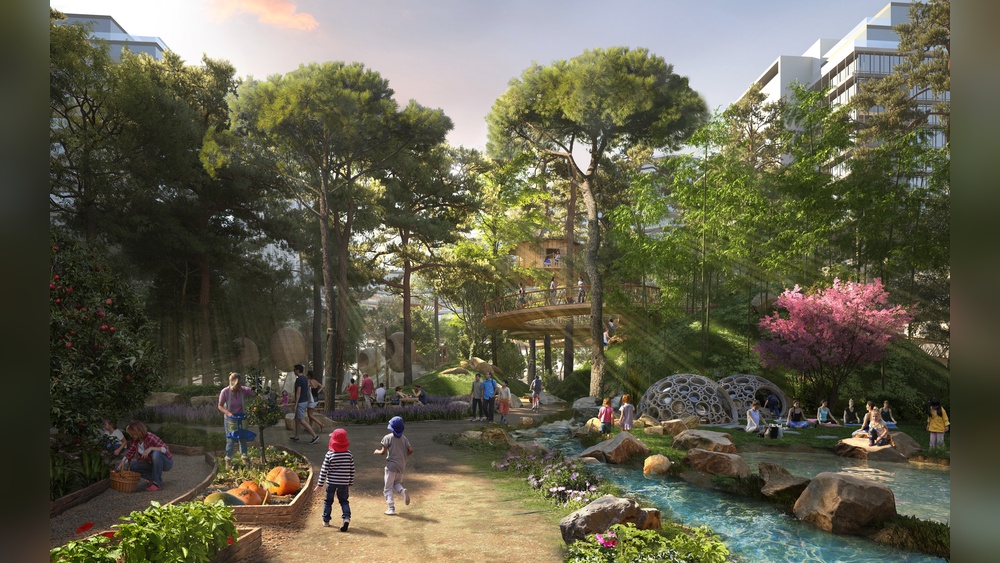
Active community involvement ensures that green spaces reflect local history, cultural values, and specific needs. For example, in the design of the Atlanta BeltLine, extensive public outreach shaped trail alignments, park programming, and public art installations. Community stewardship programs encourage residents to participate in planting, maintenance, and monitoring, fostering a sense of ownership and long-term care.
By incorporating traditional ecological knowledge and partnering with local organizations, landscape architects can design spaces that are not only sustainable but also culturally resonant.
Credit: www.iflaworld.com
Real-world Examples And Case Studies
Sustainable landscape architecture is best illustrated through real-world projects that showcase innovation and measurable impact.
The High Line, New York City
This elevated park repurposes an abandoned railway, providing native plant habitats, stormwater management, and public recreation. The project has boosted biodiversity, reduced urban heat, and revitalized the surrounding neighborhood.
The High Line’s design features more than 500 species of plants—many native to the region—along with permeable surfaces and integrated irrigation systems. It acts as a green lung for Manhattan’s West Side, providing shade, cooling, and a refuge for pollinators.
The park’s popularity has spurred billions in adjacent real estate investment and inspired similar projects worldwide.
Millennium Park, Chicago
Millennium Park incorporates green roofs, permeable pavements, and native plantings. It has become a model for urban sustainability, attracting millions of visitors annually and generating substantial economic activity.
The park’s Lurie Garden is a demonstration of sustainable horticulture, using a mix of native and adapted plants that require minimal supplemental irrigation and fertilizer. The green roof atop the underground parking garage helps moderate temperatures, reduce runoff, and extend the roof’s lifespan.
Millennium Park also serves as a civic gathering space, hosting concerts, art installations, and environmental education programs.
Discovery Green, Houston
Discovery Green is a 12-acre urban park featuring rain gardens, recycled materials, and extensive community programming. It demonstrates how landscape architects can transform underutilized land into vibrant, sustainable destinations.
The park’s design incorporates stormwater features that filter and slow runoff before it enters Houston’s bayous. Recycled steel, concrete, and glass are used throughout the site, reducing the project’s carbon footprint. Community engagement is central to Discovery Green’s success, with hundreds of free events each year drawing diverse audiences and fostering social cohesion.
Comparison Table: Sustainability Features In Key Urban Parks
| Park Name | Native Planting | Stormwater Management | Green Infrastructure | Community Engagement |
|---|---|---|---|---|
| High Line | Yes | Yes | Yes | Yes |
| Millennium Park | Yes | Yes | Yes | Yes |
| Discovery Green | Yes | Yes | Yes | Yes |

Credit: landdesignassociates.com
Environmental Impact Assessment And Measurement
Quantifying sustainability is essential for accountability and improvement. Landscape architects use environmental impact assessments (EIAs) and advanced metrics to track progress and inform future projects.
Key Metrics
- Biodiversity index: Measures plant and animal species diversity.
- Water usage reduction: Quantifies savings from efficient irrigation.
- Carbon footprint: Calculates emissions from construction and maintenance.
- Heat island mitigation: Assesses surface temperature reductions.
Additional metrics may include:
- Soil health indicators: Organic matter content, compaction, and infiltration rates.
- Air quality improvement: Measured reductions in particulate matter (PM2.5) and ozone levels.
- User satisfaction surveys: Gauging public perception and usage patterns.
These quantitative and qualitative measures help landscape architects refine designs, demonstrate value to funders, and ensure that sustainability goals are met over time.
Tools And Technologies
Modern landscape architects leverage:
- GIS mapping for spatial analysis
- Drone imagery to monitor vegetation health
- Environmental modeling software
For example, the National Park Service employs GIS to plan sustainable park expansions.
Other tools include Building Information Modeling (BIM) for landscape, which integrates site data, water flow, and material specifications into a digital model. IoT sensors track microclimate conditions, soil moisture, and pedestrian movement, enabling adaptive management. Remote sensing technologies—such as LiDAR and multispectral imaging—allow for detailed monitoring of canopy cover, habitat structure, and land use change over time.
Certification And Standards
Organizations such as the Sustainable Sites Initiative (SITES) and LEED provide certification frameworks for sustainable landscapes. These standards guide material selection, water management, and biodiversity enhancement.
SITES certification evaluates projects based on ecosystem services, water use, soil health, human health and wellbeing, and maintenance practices. LEED, while primarily focused on buildings, includes landscape credits for water-efficient irrigation, open space, and heat island reduction.
Comparison Table: Sites Vs Leed Landscape Certification
| Criteria | SITES | LEED |
|---|---|---|
| Landscape Focus | Primary | Secondary |
| Water Management | Comprehensive | Partial |
| Biodiversity | Detailed | General |
| Material Selection | Rigorous | Moderate |
Integrating Innovation: New Materials And Technologies
Advancements in materials and technology are reshaping sustainable landscape architecture. Landscape architects continually adopt new methods to improve durability, reduce environmental impact, and enhance user experience.
Eco-friendly Materials
- Recycled plastics for benches and decking
- Bamboo as a renewable construction material
- Porous concrete for stormwater infiltration
These materials reduce landfill waste and support closed-loop production models.
Additionally, landscape architects are exploring biocomposite materials made from agricultural waste, mycelium-based products that are biodegradable, and innovative permeable surfaces that filter pollutants. Research into carbon-negative materials, such as biochar-infused soil amendments, is gaining traction as a means to sequester carbon and boost soil fertility.
Smart Irrigation Systems
Landscape architects use smart irrigation to minimize water waste. Systems adjust watering schedules based on soil moisture, weather forecasts, and plant needs, saving up to 30% in water consumption.
Some advanced systems integrate real-time data from soil sensors and weather stations to deliver water only when and where it is needed. Mobile apps allow facility managers to monitor irrigation remotely, detect leaks, and adjust schedules instantly. In arid regions, subsurface drip irrigation further reduces evaporation and targets water directly to plant roots.
Renewable Energy Integration
Solar-powered lighting and kinetic energy pathways are becoming standard in public parks. These features lower operational costs and reduce carbon emissions.
Other innovations include solar-powered water pumps for irrigation, photovoltaic panels integrated into shade structures, and piezoelectric paving that generates electricity from foot traffic. Some parks now feature small wind turbines or micro-hydro systems as part of a diversified renewable energy portfolio.
Real-time Monitoring
Using sensors and IoT technology, landscape architects can monitor soil health, water quality, and plant growth in real time, enabling rapid response to environmental changes.
Data dashboards display trends and alert managers to issues such as low soil moisture, pest outbreaks, or equipment failures. This proactive approach improves landscape resilience and reduces maintenance costs. In educational settings, real-time data can be displayed to the public, raising awareness about ecosystem health and the impacts of climate change.
Collaboration And Policy Advocacy
Landscape architects do not operate in isolation. Collaborating with government agencies, engineers, ecologists, and community groups is crucial for advancing sustainability goals.
Stakeholder Partnerships
Successful projects often involve:
- Municipal governments for policy support
- Engineers for stormwater infrastructure
- Ecologists for habitat restoration
For example, the Seattle Green Streets initiative combines landscape architecture, civil engineering, and community engagement to retrofit city streets with green infrastructure.
Landscape architects frequently partner with non-profits, schools, and businesses to secure funding, coordinate programming, and ensure that landscapes remain vibrant and well-used. Collaborative design processes build trust, harness local expertise, and increase the likelihood of long-term success.
Policy Influence
Landscape architects advocate for:
- Green zoning regulations
- Incentives for sustainable development
- Public funding for park creation
Their expertise informs city planning and environmental policy, shaping regulations that prioritize sustainable outcomes.
By participating in advisory committees, public hearings, and master planning processes, landscape architects help shape the legal and regulatory framework for sustainable design. They may also contribute to the development of citywide sustainability plans, climate action plans, and resilience strategies.
Education And Outreach
Landscape architects conduct workshops, publish research, and mentor students to foster a culture of sustainability in the profession and the broader community. The Wikipedia page on Landscape Architecture highlights the educational pathways and societal impact of the profession.
In addition, they create interpretive trails, demonstration gardens, and online resources that educate the public about ecology, climate adaptation, and sustainable living. Mentorship programs and university partnerships help prepare the next generation of leaders in sustainable landscape architecture.
Measuring Success: Data-driven Outcomes
Landscape architects rely on data to demonstrate the value of sustainable design. Ongoing monitoring and evaluation are essential for accountability and continuous improvement.
Quantitative Outcomes
- Urban heat island reduction: Studies show that urban tree canopy can lower surface temperatures by up to 5°F.
- Stormwater runoff reduction: Permeable surfaces and bioswales can decrease runoff volume by 50% or more.
- Biodiversity increase: Native plant restoration has been linked to a 60% rise in pollinator populations.
Other measurable outcomes include reductions in asthma rates linked to improved air quality, increased physical activity due to better park access, and higher student achievement in schools with green outdoor learning spaces.
Qualitative Outcomes
- Enhanced community satisfaction
- Increased public usage of green spaces
- Improved mental health and wellbeing
Surveys and interviews capture user experiences, perceptions of safety, and sense of place. Studies have shown that access to green spaces is correlated with lower stress levels, reduced crime rates, and greater social cohesion.
Example: Atlanta Beltline
The Atlanta BeltLine is a sustainable urban redevelopment project that has converted 22 miles of disused railroad into green trails, parks, and affordable housing. The project integrates native plantings, stormwater management, and community programming, resulting in improved biodiversity and reduced flooding.
Data Table: Atlanta Beltline Sustainability Metrics
| Metric | Before BeltLine | After BeltLine |
|---|---|---|
| Green space acreage | 10 acres | 200 acres |
| Annual stormwater runoff | 1.2 million gallons | 600,000 gallons |
| Biodiversity index | Low | High |
| Community engagement events | 5/year | 50/year |
Overcoming Challenges In Sustainable Landscape Architecture
While landscape architects drive progress, they face obstacles that require creative solutions and persistent advocacy.
Budget Constraints
Sustainable materials and advanced technologies can be costlier upfront. Landscape architects must demonstrate long-term savings and benefits to secure funding.
To address budget constraints, landscape architects often pursue grants, public-private partnerships, and phased construction strategies. Life-cycle cost analyses help justify initial investments by highlighting reduced maintenance, energy savings, and ecosystem services over time.
Regulatory Barriers
Zoning laws and building codes may not always accommodate green infrastructure. Persistent policy advocacy is needed to update regulations and incentivize sustainable practices.
Overcoming these barriers requires education for policymakers and the public, as well as demonstration projects that showcase the benefits of sustainable landscapes. Landscape architects may also participate in writing guidelines and developing performance standards for new types of infrastructure.
Maintenance And Operations
Sustainable landscapes require ongoing care. Landscape architects design for low-maintenance solutions and work with facility managers to ensure proper upkeep.
Native plantings, mulching, and integrated pest management reduce maintenance needs and costs. Training programs for maintenance staff and community volunteers can ensure that best practices are consistently followed.
Climate Adaptation
Unpredictable weather and climate extremes challenge design assumptions. Resilient landscapes incorporate drought-tolerant plants, flood-resistant features, and flexible management plans.
Landscape architects use climate projections, scenario planning, and adaptive management frameworks to anticipate and respond to changing conditions. In coastal cities, they may design living shorelines or raised parks to accommodate sea-level rise.
Education And Awareness
Community buy-in is essential for lasting change. Landscape architects use educational signage, workshops, and outreach to build understanding and support.
Storytelling, art installations, and citizen science programs engage diverse audiences and foster a culture of stewardship. By making sustainability visible and tangible, landscape architects inspire action at all levels.
The Future Of Sustainable Landscape Architecture
The profession is rapidly evolving as new challenges and opportunities arise. Emerging trends promise to further enhance the sustainability impact of landscape architects.
Urban Regeneration
Redevelopment of abandoned urban spaces into green corridors is gaining traction, providing ecological and social benefits.
Projects like Madrid Río, the Cheonggyecheon Stream in Seoul, and the Los Angeles River revitalization are transforming former infrastructure corridors into ecological and recreational assets that reconnect communities to nature.
Nature-based Solutions
Landscape architects increasingly employ nature-based solutions—such as wetland restoration and urban forests—to address climate adaptation and biodiversity goals. According to a IUCN report, these approaches are critical for climate resilience.
Nature-based solutions also support flood control, carbon sequestration, and food security, making them attractive for cities worldwide. Partnerships with ecologists and local communities ensure that solutions are context-appropriate and effective.
Technological Integration
The adoption of drones, sensors, and modeling software enhances precision and responsiveness in landscape management.
Artificial intelligence (AI) is increasingly used for predictive modeling, maintenance scheduling, and ecosystem monitoring. Augmented reality (AR) tools help stakeholders visualize proposed designs and evaluate their potential impacts.
Holistic Design
Future landscape architects will integrate health, equity, and ecological metrics into every project, ensuring that sustainability is comprehensive and measurable.
Interdisciplinary collaboration—with public health experts, social scientists, and technologists—will produce landscapes that deliver multiple co-benefits, from climate adaptation to mental wellness.
Global Influence
Landscape architects in developing nations are adapting sustainability principles to local contexts, addressing water scarcity, food security, and urban expansion.
Innovative projects in Africa, Asia, and Latin America are demonstrating how green infrastructure can improve livelihoods, restore degraded lands, and build resilience to climate shocks.
Frequently Asked Questions
What Is The Primary Goal Of Sustainable Landscape Architecture?
The primary goal of sustainable landscape architecture is to design outdoor spaces that balance environmental health, social equity, and economic value. Landscape architects aim to restore ecosystems, reduce resource consumption, and create accessible, resilient environments that benefit both people and nature.
How Do Landscape Architects Measure Sustainability In Their Projects?
Landscape architects use environmental impact assessments, biodiversity indices, water usage tracking, and carbon footprint calculations. Certification programs like SITES and LEED provide structured metrics for evaluating sustainability performance.
What Are Some Common Challenges In Sustainable Landscape Design?
Common challenges include budget limitations, regulatory restrictions, maintenance requirements, and climate unpredictability. Landscape architects address these by advocating for policy change, designing resilient landscapes, and engaging stakeholders in ongoing stewardship.
What Materials Are Considered Sustainable In Landscape Architecture?
Sustainable materials include recycled plastics, bamboo, porous concrete, and locally sourced stone. These materials minimize environmental impact, reduce waste, and often perform well in outdoor settings.
How Can Communities Support Sustainable Landscape Projects?
Communities can support sustainability by participating in public workshops, advocating for green infrastructure, volunteering for maintenance, and educating others about the benefits of sustainable design.
Landscape architects are essential champions of sustainability, creatively weaving ecological, social, and economic threads into the fabric of our cities and landscapes. Through collaboration, innovation, and data-driven design, they deliver lasting solutions that inspire and sustain. As environmental pressures grow, their expertise and vision will remain at the heart of a greener, healthier future.