8 Amazing Benefits of Vegetable Gardening for You
Vegetable gardening offers a wealth of benefits, far beyond just providing fresh produce. It’s a rewarding activity that nurtures physical health, mental well-being, and environmental consciousness. This post will explore the multifaceted advantages of cultivating your own vegetables, from boosting your diet to connecting with nature and saving money.
Simply put, vegetable gardening provides unparalleled access to nutritious food, promotes physical activity, reduces stress, enhances your connection to nature, saves money on groceries, and contributes positively to the environment through sustainable practices and biodiversity support. It’s a holistic activity that enriches multiple aspects of your life.
Key Takeaways
- Vegetable gardening directly enhances your diet with the freshest, most nutritious produce available.
- Engaging in gardening activities offers significant physical health benefits through moderate exercise.
- The practice of tending to a garden is a proven stress reducer and a powerful tool for improving mental well-being.
- Growing your own vegetables can lead to substantial cost savings on your monthly grocery bills.
- Vegetable gardening fosters a deeper connection with nature and promotes environmental sustainability.
1. Superior Nutrition and Fresher Food
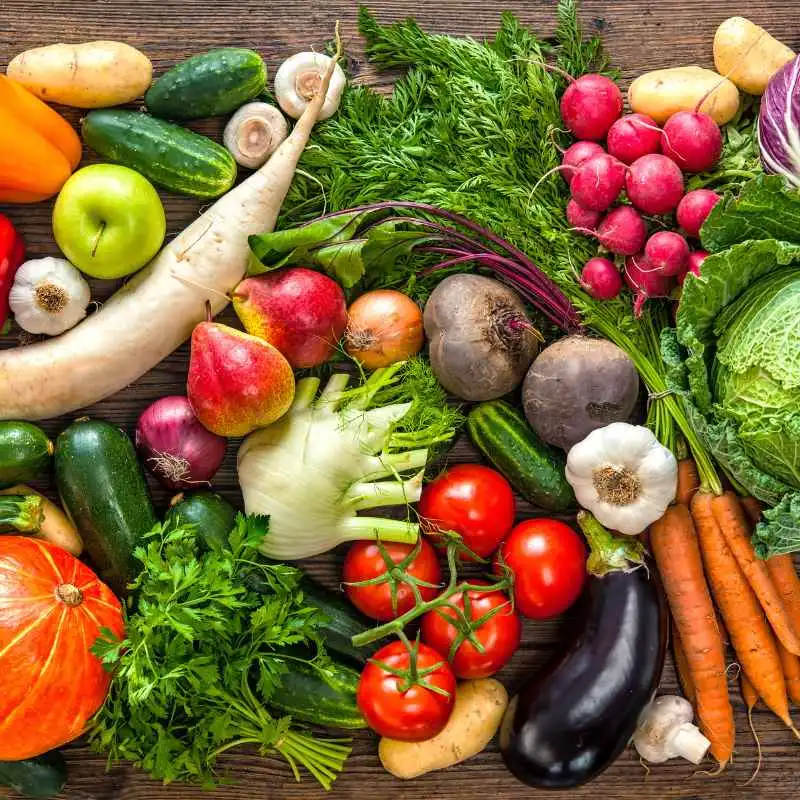
One of the most immediate and impactful benefits of vegetable gardening is the unparalleled quality of the food it produces. When you grow your own vegetables, you have complete control over what goes into your soil and onto your plants. This means you can opt for organic methods, avoiding harmful pesticides and synthetic fertilizers that are often found in commercially grown produce.
The freshness factor is also a game-changer. Vegetables picked straight from your garden are at their peak ripeness and nutrient content. Unlike store-bought produce that may have traveled hundreds or thousands of miles, your homegrown vegetables haven’t lost valuable vitamins and minerals during transport.
This translates to more flavorful, more nutrient-dense meals for you and your family.
- Unrivaled Freshness: Harvested minutes before consumption, maximizing nutrient retention.
- Control Over Inputs: Ability to choose organic, non-GMO, and sustainable growing practices.
- Variety and Flavor: Access to heirloom and specialty varieties not commonly found in supermarkets.
- Reduced Food Miles: Minimizing the carbon footprint associated with food transportation.
- Dietary Diversity: Encouragement to try new vegetables and incorporate a wider range into your meals.
Nutrient Comparison: Garden vs. Store-Bought
| Vegetable | Typical Nutrient Loss (Store-Bought) | Garden Advantage |
|---|---|---|
| Tomatoes | Up to 30% Vitamin C loss | Peak ripeness, higher lycopene |
| Leafy Greens (Spinach, Kale) | Significant loss of Vitamin K, folate | Retains maximum water-soluble vitamins |
| Bell Peppers | Vitamins A & C decline over time | Crisp texture, highest vitamin content |
This table highlights how quickly nutrients can degrade in produce once it’s harvested. Gardening ensures you’re consuming vegetables at their absolute best.
2. Boost Your Physical Health and Fitness
Gardening is far from a sedentary hobby. It’s a fantastic form of moderate physical activity that engages your entire body. From digging and tilling to planting, weeding, and harvesting, each task involves various movements that contribute to your overall fitness.
The repetitive motions involved in gardening can improve strength, flexibility, and cardiovascular health. Studies have shown that gardening can burn a significant number of calories, comparable to activities like brisk walking or cycling. It’s an enjoyable way to stay active, especially for individuals who find traditional exercise routines monotonous.
- Calorie Burning: Activities like digging and shoveling can burn 300-400 calories per hour.
- Muscle Strengthening: Engaging core muscles, arms, and legs during planting and lifting.
- Improved Flexibility: Bending, reaching, and stretching to tend to plants.
- Enhanced Cardiovascular Health: Sustained moderate activity benefits the heart and lungs.
- Reduced Risk of Osteoporosis: Weight-bearing exercises involved in gardening can strengthen bones.
- Improved Balance and Coordination: Navigating garden beds and handling tools requires focus and dexterity.
Gardening Activities and Estimated Calorie Burn
| Activity | Approximate Calories Burned per Hour (150 lb person) | Health Benefit Focus |
|---|---|---|
| Light Gardening (weeding, watering) | 200-300 | Stress reduction, light cardio |
| Moderate Gardening (planting, raking) | 300-400 | Cardiovascular improvement, muscle toning |
| Strenuous Gardening (digging, tilling) | 400-500+ | Strength building, significant calorie expenditure |
Incorporating these activities into your routine offers a sustainable path to better physical health without the gym.
3. Significant Stress Reduction and Mental Well-being
In today’s fast-paced world, finding effective ways to manage stress is crucial. Vegetable gardening provides a natural and deeply satisfying antidote to the pressures of modern life. The simple act of connecting with the earth, focusing on a tangible task, and observing the slow, steady growth of plants can have a profound calming effect.
Studies have shown that spending time in nature and engaging in gardening can lower cortisol levels (the stress hormone) and reduce symptoms of anxiety and depression. The repetitive, mindful motions involved in gardening can induce a state of flow, similar to meditation, where you become fully immersed in the present moment, allowing your worries to fade away. The satisfaction of nurturing life and seeing your efforts yield results also boosts self-esteem and a sense of accomplishment.
- Mindful Activity: Focus on the present moment, reducing rumination and worry.
- Nature Therapy: Exposure to green spaces and natural environments has proven therapeutic effects.
- Cortisol Reduction: Physical activity in a garden setting demonstrably lowers stress hormones.
- Sense of Purpose: Nurturing plants provides a feeling of responsibility and achievement.
- Improved Mood: Vitamin D exposure from sunlight and the satisfaction of growth contribute to happiness.
- Creative Outlet: Designing garden layouts and choosing plant combinations can be a form of artistic expression.
Warning: While gardening is beneficial, always remember to use proper lifting techniques and take breaks to prevent physical strain. Hydrate well, especially on warm days.
Benefits for Mental Health
- Reduced Anxiety and Depression: Gardening helps to alleviate symptoms by promoting relaxation and engagement.
- Improved Cognitive Function: The planning and problem-solving aspects of gardening can keep the mind sharp.
- Increased Self-Esteem: Successfully growing food builds confidence and a sense of competence.
- Enhanced Social Connection: Sharing produce or gardening tips can foster community bonds.
- Greater Resilience: Learning to adapt to weather changes and pests builds mental fortitude.
These points underscore why gardening is often recommended as a holistic approach to mental wellness.
4. Substantial Cost Savings on Groceries
The economic benefits of vegetable gardening are often underestimated. While there’s an initial investment in seeds, soil amendments, tools, and perhaps raised beds, the long-term savings on your grocery bill can be substantial. Especially if you grow high-value crops like organic tomatoes, herbs, or specialty greens, the cost of purchasing them from a store can quickly add up.
By growing a significant portion of your own produce, you not only reduce the amount you need to buy but also gain access to items that might be prohibitively expensive in their pre-packaged form. Consider the cost of a single head of organic kale or a punnet of cherry tomatoes at your local supermarket versus the minimal cost of seeds and a bit of soil. The return on investment for a home garden can be remarkably high.
- Reduced Grocery Expenditure: Direct replacement of purchased produce with homegrown alternatives.
- Access to High-Value Crops: Growing organic herbs, gourmet mushrooms, or heirloom varieties that are costly to buy.
- Season Extension: Techniques like cold frames or greenhouses can extend your harvest period, further reducing seasonal purchase needs.
- Bulk Savings on Seeds: Purchasing seed packets in bulk or sharing with gardening friends can reduce upfront costs.
- Reduced Food Waste: Harvesting only what you need at the moment can minimize spoilage compared to buying larger quantities.
Cost Comparison: Annual Grocery Bill vs. Gardening Investment (Estimated)
| Category | Estimated Annual Cost (for a family of 4) | Notes |
|---|---|---|
| Fresh Produce (Vegetables & Fruits) | $2,000 – $3,000+ | Varies greatly by diet and location; organic is higher. |
| Initial Gardening Setup (tools, soil, beds) | $200 – $600 | One-time or infrequent investment. Can be reduced with DIY. |
| Annual Gardening Supplies (seeds, fertilizer, compost) | $100 – $300 | Can be significantly reduced by saving seeds and composting. |
| Estimated Annual Savings (after first year) | $1,500 – $2,500+ | Depends on garden size and yield. |
As illustrated, the long-term financial benefits of growing your own vegetables are clear and compelling.
5. Environmental Sustainability and Biodiversity
Embracing vegetable gardening is a powerful way to contribute to a healthier planet. By choosing to grow your own food, you significantly reduce your carbon footprint. This is primarily due to cutting down on transportation emissions, packaging waste, and the energy-intensive processes involved in large-scale commercial agriculture.
Furthermore, a well-managed home garden can become a haven for local wildlife. Planting a variety of vegetables and flowering companion plants attracts beneficial insects like bees and butterflies, essential for pollination. It also provides habitat and food sources for birds and other small creatures, thereby increasing local biodiversity.
Many gardeners also adopt practices like composting, which diverts organic waste from landfills and enriches their soil naturally.
- Reduced Carbon Footprint: Minimizing food miles and the energy used in commercial farming.
- Waste Reduction: Composting kitchen scraps and garden waste turns potential landfill material into valuable soil.
- Water Conservation: Drip irrigation and mulching can significantly reduce water usage compared to industrial farming.
- Soil Health Improvement: Organic practices and composting build healthy, living soil.
- Support for Pollinators: Planting flowers alongside vegetables attracts bees, butterflies, and other beneficial insects.
- Habitat Creation: Gardens can provide shelter and food for local birds and small wildlife.
- Reduced Chemical Runoff: Avoiding synthetic pesticides and fertilizers protects local waterways.
Tip: Incorporate native plants into your garden design to provide the best support for local ecosystems and wildlife. They are often more resilient and require less maintenance.
Sustainable Gardening Practices
- Composting: Recycle kitchen scraps and yard waste to create nutrient-rich soil.
- Water Harvesting: Use rain barrels to collect water for irrigation, reducing reliance on municipal sources.
- Mulching: Apply organic mulch to retain soil moisture, suppress weeds, and regulate soil temperature.
- Companion Planting: Strategically planting certain species together to deter pests, attract beneficial insects, or improve growth.
- Crop Rotation: Alternating crops in different areas of the garden each season to prevent soil depletion and pest buildup.
- Integrated Pest Management (IPM): Using natural methods to control pests before resorting to chemical solutions.
Adopting these practices makes your garden an ecological asset.
6. Enhanced Culinary Skills and Food Appreciation
Engaging in vegetable gardening naturally leads to an increased interest and skill in the kitchen. When you have an abundance of incredibly fresh, flavorful ingredients at your fingertips, you’re naturally motivated to experiment with new recipes and cooking techniques. The connection to the food you’ve grown yourself fosters a deeper appreciation for its taste, texture, and nutritional value.
You become more aware of seasonal eating and learn to utilize ingredients at their peak. This can transform your relationship with food, moving from mere sustenance to a creative and enjoyable pursuit. Sharing your homegrown bounty with friends and family also becomes a point of pride and connection, further enhancing your culinary experiences.
- Creative Cooking: Access to fresh, unique ingredients inspires new dishes.
- Seasonal Eating: Learning to prepare meals based on what’s currently thriving in the garden.
- Flavor Enhancement: Experiencing the superior taste of homegrown produce in simple preparations.
- Reduced Food Waste: Using all parts of vegetables, from roots to leaves.
- Deeper Food Appreciation: Understanding the effort and natural processes behind your food.
- Sharing and Community: Offering fresh produce to neighbors and friends builds connections.
Experimenting with Homegrown Produce
- Simple Preparations: Let the natural flavor of your homegrown vegetables shine with minimal seasoning.
- Creative Salads: Combine various leafy greens, herbs, and vegetables for vibrant salads.
- Roasted Delights: Roasting brings out the natural sweetness in vegetables like carrots, broccoli, and peppers.
- Herbal Infusions: Grow your own herbs for teas, garnishes, and flavorings.
- Preservation Techniques: Learn canning, pickling, or freezing to enjoy your harvest year-round.
These culinary explorations are a direct reward of your gardening efforts.
7. Educational Opportunities for All Ages
Vegetable gardening is an excellent hands-on learning experience for people of all ages, particularly children. It provides a living classroom where fundamental concepts of science, ecology, and nutrition can be taught in a practical and engaging way. Children learn about the life cycles of plants, the importance of sunlight and water, and the role of insects in the ecosystem.
For adults, gardening can be a continuous learning process, offering opportunities to discover new plant varieties, understand soil science, and master various growing techniques. It encourages problem-solving skills as gardeners adapt to weather changes, pest issues, and soil conditions. This lifelong learning aspect makes vegetable gardening a consistently enriching pursuit.
- Science Education: Understanding plant biology, photosynthesis, and soil science.
- Ecology Lessons: Learning about ecosystems, pollination, and the interdependence of living things.
- Nutrition Awareness: Connecting food sources with healthy eating habits.
- Problem-Solving: Developing critical thinking skills to address gardening challenges.
- Patience and Responsibility: Learning to care for living things and understand the rewards of consistent effort.
- Environmental Stewardship: Fostering an appreciation for nature and sustainable practices.
Important: Involve children in age-appropriate tasks like watering, seed planting, or simple harvesting to maximize their learning experience and engagement.
Key Learning Areas in Vegetable Gardening
- Botany: The structure and function of plants, from roots to fruits.
- Entomology: Identifying beneficial and detrimental insects and their roles.
- Meteorology: Understanding the impact of weather patterns on plant growth.
- Soil Science: The composition, health, and nutrient needs of soil.
- Sustainability: Principles of eco-friendly practices like composting and water conservation.
- Nutrition: The link between fresh produce and a healthy diet.
These educational benefits extend far beyond the garden plot itself.
8. Fostering a Deeper Connection with Nature
In our increasingly digitized world, spending time in nature can feel like a luxury. Vegetable gardening provides a consistent and accessible way to reconnect with the natural environment. The simple act of putting your hands in the soil, feeling the sun on your skin, and breathing in the fresh air can be incredibly grounding and revitalizing.
Observing the subtle changes in your plants day by day – the unfurling of new leaves, the swelling of nascent fruits, the emergence of blossoms – fosters a sense of wonder and appreciation for the natural world’s cycles. This connection can lead to a greater understanding of ecological processes and a stronger desire to protect the environment. It’s a reminder of our place within a larger, interconnected web of life.
- Sensory Engagement: Experiencing the textures, smells, and sights of the natural world.
- Seasonal Awareness: Becoming attuned to the rhythm of the seasons and their impact on growth.
- Mindfulness Practice: The garden encourages focus on the present moment and observation.
- Ecological Understanding: Gaining firsthand insight into natural processes like pollination and decomposition.
- Appreciation for Life: Cultivating a sense of awe for the resilience and beauty of nature.
- Reduced Digital Strain: A healthy break from screens and artificial environments.
Ways to Deepen Your Nature Connection Through Gardening
- Observe Wildlife: Actively look for birds, insects, and other small creatures in your garden.
- Listen to Nature: Pay attention to the sounds of birdsong, wind in the leaves, or buzzing insects.
- Engage Your Senses: Touch the different textures of leaves and soil, smell the flowers and herbs.
- Mindful Watering: Treat watering not just as a chore but as a meditative act of nurturing life.
- Seasonal Journaling: Document your observations of plant growth and wildlife throughout the year.
- Embrace Imperfection: Understand that nature isn’t always perfect and find beauty in its variations.
These practices enhance the profound benefits gardening offers for our connection to the earth.

Frequently Asked Questions
What is the biggest benefit of vegetable gardening?
The biggest benefit is often considered the unparalleled access to incredibly fresh, nutritious, and flavorful food that you control. This direct connection to your sustenance is both rewarding and healthier.
Is vegetable gardening difficult for beginners?
It can be, but it doesn’t have to be. Starting small with easy-to-grow vegetables like lettuce, radishes, or bush beans in a small plot or containers can make it manageable and enjoyable for beginners.
How much time does vegetable gardening typically require?
The time commitment varies greatly depending on the size of your garden and the number of plants. A small garden might require just a few hours a week for weeding, watering, and harvesting, while larger plots may need more dedicated time, especially during peak seasons.
Can vegetable gardening really save me money?
Yes, it can significantly save money, especially after the initial setup costs. Growing high-value or organic produce can yield substantial savings on your grocery bill over time, often recouping your investment within a year or two.
What are the most important things to consider before starting a vegetable garden?
Key considerations include sunlight exposure (most vegetables need at least 6-8 hours daily), water access, soil quality, available space, and the types of vegetables you and your family enjoy eating.
Final Thoughts
Embracing vegetable gardening is a pathway to a healthier lifestyle, a more sustainable existence, and a deeper connection with the natural world. From the unparalleled taste of homegrown produce and the physical benefits of gentle exercise to the profound stress relief and cost savings, the rewards are extensive. It’s an investment in your well-being and the environment that continues to give back season after season.
Related pick: Check today's price on Amazon