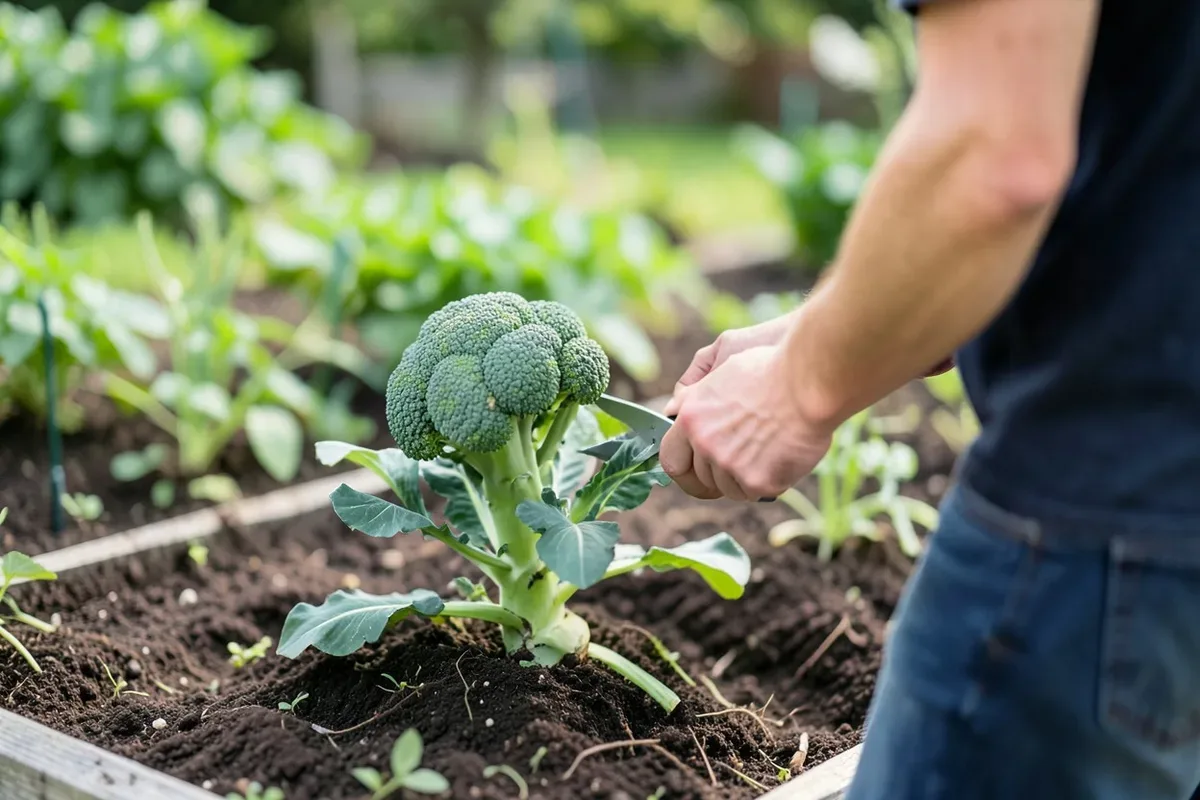
How to Trim Broccoli Plants for Square Foot Gardens
Trimming broccoli plants for square foot gardening is a crucial step that many new gardeners overlook, but it directly impacts yield and plant health. Proper pruning not only encourages bigger heads but also helps prevent disease and manage space effectively in your compact garden plot. This guide will walk you through the essential techniques for trimming your broccoli to maximize your harvest in a square foot garden setting.

Generic
Broccoli Green Magic Live Plants, Heat Tolerant,…
- VARIETY: Green Magic broccoli plants are known for their heat tolerance and quick maturity, making them suitable for various growi…
- LIVE PLANTS: Set includes 4 healthy, established broccoli plants ready for transplanting into your garden or raised beds for immed…
- FAST HARVEST: Quick-maturing variety allows you to enjoy fresh, homegrown broccoli heads in a shorter time frame compared to tradi…
As an Amazon Associate I earn from qualifying purchases.
In short, strategically trimming broccoli in square foot gardens involves removing lower leaves and side shoots to direct energy to the main head and improve airflow, ultimately leading to larger harvests and healthier plants. This practice is vital for maximizing space and productivity in small garden plots.
Key Takeaways
- Trimming broccoli plants for square foot gardening focuses on removing lower, older leaves and potential side shoots to prioritize the main head.
- Proper pruning enhances airflow, reducing disease risk and encouraging larger broccoli heads.
- Post-harvest trimming involves cutting back the plant to potentially stimulate secondary “side shoots” for a staggered harvest.
- Strategic trimming is essential for maximizing yield in limited square foot garden spaces.
- Knowing when and how to trim ensures healthier plants and a more abundant harvest.
What is Broccoli Trimming and Why Does It Matter in Square Foot Gardening?
Trimming broccoli, often referred to as pruning, involves selectively removing parts of the plant. In the context of square foot gardening, where space is at a premium, this practice becomes even more significant. The goal is to redirect the plant’s energy and resources towards producing a larger, more robust central head, which is the primary edible part we seek.
Square foot gardening is an intensive method that maximizes yield in small areas by dividing the garden into one-foot squares. Each square accommodates a specific number of plants, making plant health and space management paramount. Without proper trimming, broccoli plants can become overgrown, shading out other plants and becoming susceptible to pests and diseases, significantly reducing the overall harvest you can achieve in your limited space.
- Energy Concentration: Removing excess foliage helps the plant focus its nutrients and water on developing a single, large central head.
- Disease Prevention: Trimming improves air circulation around the plant, which is vital for preventing fungal diseases that thrive in humid, stagnant conditions.
- Pest Management: Removing old or damaged leaves can eliminate hiding places for common broccoli pests.
- Space Efficiency: In a square foot garden, managing plant size is critical. Trimming helps keep the plant compact and prevents it from encroaching on neighboring plants’ growing space.
- Stimulating Growth: Strategic trimming, especially after the main head is harvested, can encourage the growth of smaller side shoots.
When to Trim Broccoli Plants
The timing of trimming broccoli is as important as the technique itself. You generally won’t start trimming immediately after planting. The primary trimming phase usually begins when the plant has established a healthy root system and has started forming a noticeable head.
This typically occurs several weeks after transplanting seedlings into your square foot garden.
Observing your plant is key. You’re looking for signs of maturity and the beginning of head development. Before this stage, the plant is focused on vegetative growth, building its leaves and root structure.
Aggressive trimming too early can set the plant back. Conversely, waiting too long can lead to the head bolting (going to seed) or becoming less desirable in texture and size, especially in warmer weather.
Pre-Harvest Trimming: Focusing on the Main Head
This is the most critical phase for trimming broccoli in square foot gardening. Before the main head reaches its full maturity, the focus is on removing lower leaves that are no longer contributing significantly to the plant’s growth or are starting to yellow and decay. These older leaves can become a breeding ground for pests and diseases and consume resources that could be better used by the developing head.
You’ll want to select a sharp, clean pair of pruning shears or a knife. Identify the lowest leaves on the stalk, particularly those touching the soil. If they are yellowing, wilting, or showing signs of disease, they are prime candidates for removal.
Also, remove any leaves that are excessively large and seem to be shading the developing head too much. The goal is to create an open, airy environment around the central crown.
- Identify Lower Leaves: Look for leaves closest to the soil line.
- Check for Yellowing/Disease: Remove any leaves that show signs of yellowing, spots, or wilting.
- Improve Airflow: Trim leaves that are significantly shading the main head.
- Sanitize Tools: Always use clean tools to prevent disease transmission.
- Don’t Over-Prune: Leave enough healthy leaves to photosynthesize and support the plant. A good rule of thumb is to leave at least 6-8 healthy leaves.
| When to Trim | What to Remove | Purpose |
|---|---|---|
| When main head starts forming (several weeks after transplanting) | Yellowing lower leaves, leaves shading main head | Focus energy, improve airflow, prevent disease |
| After harvesting the main head | Dead leaves, leaves touching ground, potential side shoots | Encourage side shoots, tidy up, prevent rot |
This table summarizes the key times and targets for trimming broccoli in your square foot garden.
Post-Harvest Trimming for Secondary Shoots
One of the exciting aspects of growing broccoli, especially in a constrained space like a square foot garden, is the potential for a secondary harvest. After you cut off the main central head, the plant isn’t necessarily done. By trimming appropriately, you can encourage the development of smaller side shoots, often called florets, which can provide a more extended harvest period.
To encourage these side shoots, you need to make a clean cut of the main head. Leave a portion of the stalk intact, usually a few inches above the soil line, and ensure there are healthy leaves remaining on the plant. The plant will then redirect its energy to the dormant buds located along the stalk, which will grow into these smaller, delicious side heads.
It’s important to remember that these side shoots will be smaller than the main head, but they can still be quite productive.
- Harvest Main Head: Cut the central head with a sharp knife or shears, leaving a few inches of the stalk attached.
- Remove Dead Foliage: Trim away any leaves that have yellowed, died, or are touching the soil to maintain cleanliness.
- Ensure Healthy Leaves Remain: Keep at least 4-6 healthy, green leaves on the plant to support growth of side shoots.
- Water and Fertilize: Continue to provide consistent watering and occasional feeding to support the secondary growth.
- Watch for Side Shoots: Monitor the plant over the next few weeks for the development of smaller florets.
Tip: For best results in encouraging side shoots, harvest the main head when it’s firm and the florets are still tightly closed. If the head has started to loosen or “flower,” the plant’s energy is likely already shifting.
How to Properly Cut the Main Head
The technique for harvesting the main broccoli head is crucial for both immediate yield and potential for future growth. A clean cut minimizes stress on the plant and reduces the risk of disease entry. In a square foot garden, you’ll want to be precise to avoid damaging nearby plants.
When the main head has reached your desired size and is still compact, it’s time to harvest. Use a sharp knife or pruning shears. Cut the stalk at an angle, typically about one to two inches below the base of the head.
This angle can help water run off, preventing rot. Leaving a portion of the stalk with healthy leaves attached is key for encouraging side shoot development.
- Use a Sharp Tool: A dull blade can tear the plant tissue, inviting disease.
- Cut Below the Head: Aim for 1-2 inches below the main head’s base.
- Cut at an Angle: This helps with water drainage.
- Leave Leaves: Ensure at least 4-6 healthy leaves remain on the stalk.
- Clean the Area: Remove the harvested head and any fallen debris from the garden bed.
What Tools Are Needed for Trimming Broccoli?
Having the right tools makes the job of trimming broccoli much easier, more efficient, and safer for your plants. In a square foot garden, where precision is important, using the correct tools is especially vital to avoid accidental damage to surrounding crops.
The most essential tool is a sharp cutting instrument. This ensures clean cuts that heal quickly, reducing the plant’s susceptibility to disease. Beyond that, having some basic garden maintenance tools can enhance the process.
Always ensure your tools are clean before you start trimming to prevent the spread of any pathogens.
- Sharp Pruning Shears: Ideal for making clean cuts through the broccoli stalk and leaves. Look for bypass pruners, which make a scissor-like cut for precision.
- Garden Knife: A sharp, sturdy knife can also be used for harvesting the main head and trimming leaves.
- Gloves: Protect your hands from sap and potential irritants.
- Disinfectant: Rubbing alcohol or a bleach solution (1 part bleach to 9 parts water) to sterilize your tools before and between uses.
- Collection Container: A basket or bucket to collect trimmed leaves and harvested heads.
Important: Always sterilize your pruning shears or knife with rubbing alcohol or a bleach solution before trimming broccoli, especially if you’ve used them on other plants, to prevent the transfer of diseases.
Common Mistakes to Avoid When Trimming Broccoli
Even with the best intentions, gardeners can make mistakes when trimming their broccoli plants, especially within the tight confines of a square foot garden. Being aware of these common pitfalls can help you avoid them and ensure a healthier, more productive crop.
One of the most frequent errors is trimming too aggressively, removing too many leaves, or cutting the main head too low. Another mistake is using dull or dirty tools, which can cause damage and introduce diseases. In square foot gardening, accidentally cutting or damaging neighboring plants is also a significant concern.
Mistakes to Watch Out For:
- Over-Pruning: Removing too many healthy leaves leaves the plant unable to photosynthesize effectively, weakening it and reducing head size.
- Trimming Too Early: Cutting off lower leaves before the plant has a well-developed head can stunt its growth.
- Using Dull or Dirty Tools: This can lead to ragged cuts that are slow to heal and invite disease, or transfer pathogens from one plant to another.
- Harvesting the Main Head Too Late: Letting the main head bolt (start to flower) before harvesting reduces its quality and can signal the end of its productive cycle.
- Damaging Neighboring Plants: In a square foot garden, being careless with your cutting tools can damage adjacent vegetables, impacting their growth.
- Not Removing Debris: Leaving trimmed leaves and stalks on the soil can encourage pests and diseases.
What is Bolting and How Trimming Affects It
Bolting is a natural process where a plant shifts its energy from producing vegetative growth or fruits/flowers (like broccoli heads) to producing seeds. For broccoli, this typically happens when the plant experiences stress, such as high temperatures, inconsistent watering, or significant nutrient deficiencies. When a broccoli plant bolts, the central head will loosen, and small yellow flowers will start to appear.
Trimming can indirectly affect bolting. By ensuring the plant is healthy and well-nourished, and by removing leaves that might be creating excessive shade or poor air circulation, you contribute to overall plant vigor. A healthier, less stressed plant is less likely to bolt prematurely.
Harvesting the main head promptly when it’s ready, rather than letting it sit too long, also prevents the plant from signaling the “end of its reproductive cycle” too soon, thus encouraging side shoots instead of immediate seed production.
- Heat Stress: High temperatures are a primary trigger for bolting.
- Water Inconsistency: Irregular watering can stress the plant.
- Nutrient Imbalance: Lack of essential nutrients can also lead to premature flowering.
- Day Length: While less of a factor for broccoli than some other plants, long days can contribute in warmer climates.
- Early Harvesting: Harvesting the main head at the right time is crucial to prevent the plant from thinking its main job is done.
Frequently Asked Questions
What happens if you don’t trim broccoli plants?
If you don’t trim broccoli plants, especially in a crowded square foot garden, they can become overgrown. This can lead to poor air circulation, increasing the risk of fungal diseases like powdery mildew. Overgrowth also means less light and nutrients might reach the developing heads, potentially resulting in smaller yields.
Additionally, old, yellowing leaves can harbor pests.
Can I trim my broccoli plant after the main head is harvested?
Absolutely! Trimming the plant after the main head is harvested is highly recommended if you want to encourage the growth of secondary side shoots. Removing the main head cleanly and leaving healthy leaves and a portion of the stalk allows the plant to redirect its energy into producing these smaller, but still edible, florets for a staggered harvest.
How much of the stalk should I leave when harvesting the main head?
When harvesting the main broccoli head, you should leave approximately 1 to 2 inches of the stalk attached to the plant. This section should still have healthy green leaves connected to it. This residual stalk and leaves provide the plant with the energy and resources needed to develop secondary side shoots.
Is it okay to remove leaves that look perfectly healthy?
Generally, you should avoid removing perfectly healthy, green leaves unless they are severely shading the main head or are significantly touching the soil and potentially harboring moisture. Healthy leaves are crucial for photosynthesis. Focus on removing older, yellowing, diseased, or damaged leaves to improve air circulation and direct energy effectively.
How often should I water broccoli in a square foot garden after trimming?
Broccoli, particularly after trimming and during head formation or side shoot development, needs consistent moisture. In a square foot garden, raised beds can dry out faster. Aim to water deeply whenever the top inch of soil feels dry.
The increased airflow from trimming might mean you need to monitor soil moisture slightly more frequently, but avoid waterlogging.
Final Thoughts
Mastering the art of trimming broccoli plants is a rewarding skill for any square foot gardener. By carefully removing lower leaves and strategically harvesting the main head, you not only enhance plant health and prevent disease but also pave the way for a more abundant, extended harvest of delicious broccoli. Pay attention to your plants, use clean tools, and enjoy the fruits of your well-maintained labor.
Related pick: Check today's price on Amazon