Is Vegetable Gardening Worth It? Why Most Gardeners Say Yes
The allure of vegetable gardening has surged in recent years, captivating both seasoned growers and novices eager to cultivate their own produce. Amid growing concerns about food quality, sustainability, and skyrocketing grocery prices, more people than ever are questioning: *Is vegetable gardening really worth it?* At first glance, the effort involved—preparing soil, planting, tending, and harvesting—might seem daunting. However, the rewards extend far beyond the mere harvest, offering tangible and intangible benefits that have convinced most gardeners to emphatically say “yes.”
This article dives deep into the value proposition of vegetable gardening, exploring economic gains, health advantages, environmental impacts, and personal satisfaction. Drawing from scientific studies, real-world examples, and expert insights, we’ll dissect why the majority of gardeners believe vegetable gardening is not only worthwhile but transformative.
Whether you’re considering a small backyard plot or a sprawling urban garden, this guide will equip you with the data, comparisons, and actionable advice needed to make an informed decision.
Key Takeaways
- Vegetable gardening offers substantial economic savings compared to store-bought produce, especially over time.
- Health benefits include fresher, more nutritious foods and increased physical activity.
- Environmental impacts are positive, with reductions in food miles, packaging waste, and carbon footprint.
- Personal satisfaction and mental well-being are consistently cited as major motivators by gardeners.
- Challenges exist, but most gardeners find solutions and adapt, making the experience rewarding.
- Case studies and real-world examples demonstrate measurable benefits for individuals and communities.
The Economic Value Of Vegetable Gardening
One of the primary questions new gardeners ask is whether growing vegetables saves money. While initial setup can require investment, the long-term economic benefits are considerable, especially as gardeners gain experience and efficiency.
Cost Comparison: Homegrown Vs Store-bought Produce
Let’s examine the numbers using a data-driven approach. According to the National Gardening Association, the average home vegetable garden yields a return of $600 on an investment of about $70 annually—a net gain of $530 per year. For many, this is more than enough to offset initial costs and ongoing maintenance.
| Vegetable | Cost (Store-Bought, per lb) | Cost (Homegrown, per lb) | Annual Savings (10 lbs) |
|---|---|---|---|
| Tomatoes | $2.50 | $0.60 | $19.00 |
| Lettuce | $1.80 | $0.50 | $13.00 |
| Carrots | $1.20 | $0.40 | $8.00 |
| Zucchini | $2.00 | $0.50 | $15.00 |
These savings can multiply quickly when you consider the variety of crops and the volume a family can grow over the course of a growing season. For example, a single mature tomato plant can yield 10-15 pounds of fruit, and a small 4×8-foot bed can produce enough greens to supply salads for months.
Factoring in specialty or organic produce, the financial difference is even more pronounced, since store-bought organic vegetables typically command a premium of 20-100% over conventional options.
When scaled across multiple crops and families, savings can accumulate rapidly. Factoring in the reduced need for frequent grocery trips and the elimination of certain processed foods, the economic value becomes even more pronounced. For many families, the ability to offset rising grocery costs by growing staple crops like tomatoes, peppers, cucumbers, and leafy greens is not just a hobby, but a practical financial strategy.
Garden Setup And Maintenance Costs
Initial expenses—such as seeds, soil amendments, tools, and raised beds—can vary widely. Urban gardeners may spend more on containers and soil, while rural gardeners might benefit from existing resources. However, many costs are one-time investments, and creative solutions (like upcycled materials or seed exchanges) can minimize outlays.
For beginners, it’s possible to start a productive garden for under $100 by leveraging recycled containers, homemade compost, and seed swaps with neighbors. As gardeners gain experience, they often learn to propagate their own seeds, make their own compost, and use natural mulches, reducing annual input costs dramatically.
Over time, these skills further lower the cost per pound of produce.
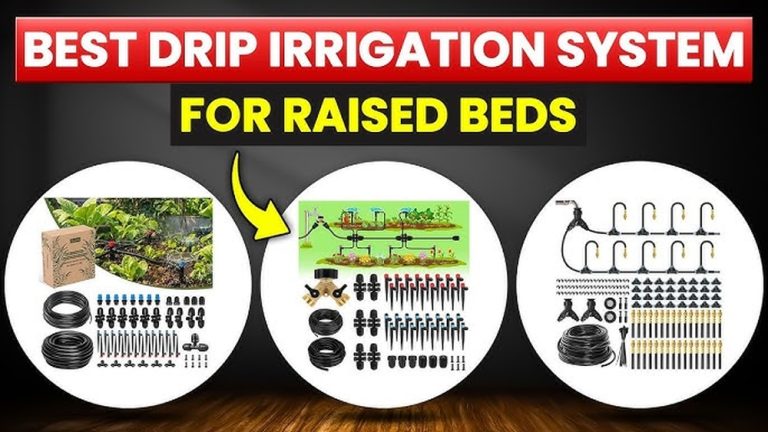
Moreover, tools such as hoes, trowels, and watering cans, if chosen wisely and maintained, can last many years. Community gardens often share resources, further reducing individual expenses. For those willing to invest a bit more, raised beds or automated irrigation systems can increase yields and reduce manual labor, paying for themselves in increased productivity and convenience.
Year-round Value: Preserving And Extending Harvest
Homegrown produce isn’t limited to the summer months. With canning, freezing, and dehydrating, gardeners can enjoy their harvest throughout the year, further increasing the value of their efforts. According to USDA Agricultural Research Service, properly preserved vegetables retain most nutrients and flavor, making home preservation a practical and economical solution.
Investing in a small freezer or a set of mason jars can allow you to stockpile tomato sauce, frozen greens, pickled cucumbers, and more—stretching your savings across the winter. Many gardeners find that a single weekend dedicated to canning or blanching can yield months of ready-to-eat, nutritious meals.
This not only enhances food security but also reduces reliance on processed or out-of-season store-bought produce.
Real-life Example: The Johnson Family’s Urban Garden
The Johnsons, a family in Chicago, started a 200-square-foot garden in their backyard. After the first season, they reported a savings of over $700 in grocery expenses, attributed to homegrown tomatoes, peppers, and leafy greens. Their story mirrors thousands of similar accounts nationwide, highlighting the real financial benefits of vegetable gardening.
In addition, the Johnsons began trading excess zucchinis and beans with neighbors for eggs and herbs, creating an informal food exchange network. Their initial investment in raised beds and soil amendments was quickly recouped, and as their gardening skills improved, their productivity and savings only increased in subsequent years.
Their journey exemplifies how even small urban plots can yield significant economic and social returns.
Health And Wellness Benefits
Beyond dollars and cents, vegetable gardening delivers profound health benefits. Fresh produce, physical activity, and mental well-being are among the most cited reasons gardeners stick with their hobby.
Nutritional Advantages: Fresher And Healthier Produce
Homegrown vegetables are often harvested at peak ripeness, maximizing vitamin and mineral content. According to a study by Harvard School of Public Health, vegetables lose significant nutrients within days of harvest. By picking at home, gardeners ensure optimal nutrition—something rarely guaranteed with store produce.
- Higher vitamin C and antioxidants in freshly harvested tomatoes: Vitamin C degrades rapidly after harvest, so homegrown produce can contain up to 50% more than store-bought.
- Leafy greens retain more folate and iron when consumed within hours of picking: Spinach, kale, and lettuce are especially perishable and best eaten fresh.
- Organic practices reduce exposure to pesticides and additives: Gardeners can control exactly what goes into their soil and onto their crops, eliminating harmful residues and supporting gut and immune health.
Additionally, home gardens allow for the cultivation of nutrient-dense heirloom and specialty varieties that may not be commercially available. These unique cultivars often have superior flavor and higher concentrations of beneficial phytochemicals.
Physical Activity And Fitness
Gardening is a moderate-intensity activity that promotes cardiovascular health, flexibility, and strength. A report by the CDC states that gardening for 30 minutes burns approximately 150 calories, comparable to brisk walking. Tasks like digging, planting, and weeding engage multiple muscle groups, making gardening an accessible workout.
Beyond calorie-burning, gardening improves balance, dexterity, and fine motor skills. Lifting bags of soil, stretching to prune, and kneeling to weed all contribute to functional fitness, which is crucial for maintaining mobility and independence as we age. For older adults, gardening is often recommended as a gentle yet effective way to stay active and prevent chronic diseases.
Mental Health: Stress Reduction And Cognitive Benefits
Numerous studies confirm the positive impacts of gardening on mental health. The American Horticultural Therapy Association notes that time spent outdoors, nurturing plants, and connecting with nature reduces stress, anxiety, and depression. Gardening also stimulates cognitive function through planning, problem-solving, and continuous learning.
Research published in the *Journal of Health Psychology* found that gardening leads to significant decreases in cortisol (the stress hormone) and improves mood more effectively than many other leisure activities. The act of caring for plants can foster mindfulness and provide a sense of purpose, especially valuable during challenging times.
Social And Emotional Well-being
Gardening also offers opportunities for social interaction and emotional fulfillment. Participating in community gardens or sharing tips with neighbors can counteract loneliness and foster a sense of belonging. For many, simply observing the daily growth and transformation of a garden brings joy and gratitude—powerful antidotes to the stresses of modern life.
Case Study: Community Garden In Portland
A community garden in Portland, Oregon, surveyed participants after one year. Over 85% reported improved mental health, citing reduced stress and increased happiness. The garden also fostered social connections, further boosting well-being.
Many participants also shared that gardening became a form of therapy, helping them cope with grief, unemployment, or other life transitions. The garden’s inclusive environment welcomed people of all ages and backgrounds, demonstrating the universal appeal and healing potential of vegetable gardening.

Environmental Impact
Vegetable gardening is widely regarded as an eco-friendly practice, especially compared to conventional agriculture and supermarket supply chains.
Reducing Food Miles And Carbon Footprint
Store-bought vegetables often travel hundreds or thousands of miles before reaching your plate. According to EPA, food transportation is a significant contributor to greenhouse gas emissions. Home gardening eliminates this step, reducing your carbon footprint and reliance on fossil fuels.
A 2020 study in the *Nature Food* journal estimated that the average American meal travels about 1,500 miles from farm to plate. By growing food at home, gardeners can reduce transportation-related emissions by up to 90% for the crops they grow themselves.
This not only lowers individual carbon footprints but also helps reduce overall demand on the global food supply chain.
Minimizing Packaging Waste
Supermarkets rely on plastic and other packaging to preserve produce and prevent spoilage. Homegrown vegetables require no packaging, drastically decreasing household waste. This aligns with the goals of organizations like Greenpeace USA to minimize single-use plastics.
Gardeners often use reusable baskets, cloth bags, or simply harvest directly into bowls, further reducing landfill contributions. Composting vegetable scraps closes the loop, returning nutrients to the soil rather than generating waste.
Promoting Biodiversity And Pollinator Health
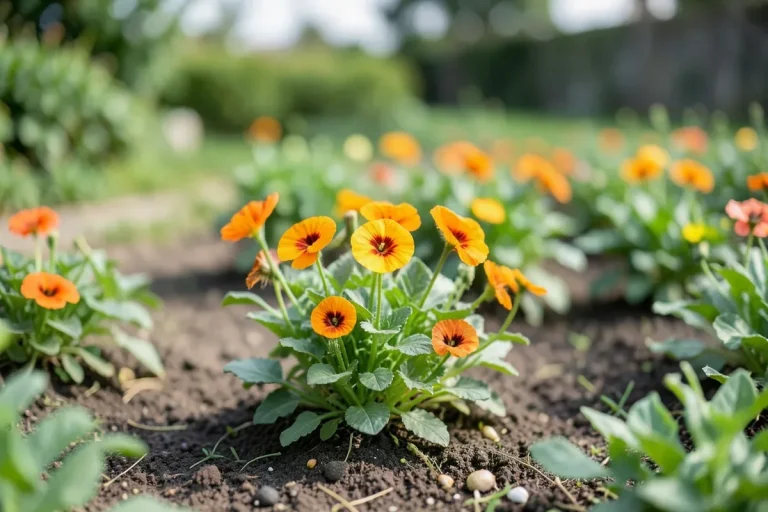
Gardens often incorporate a variety of plants, attracting beneficial insects and promoting local biodiversity. Flowers mixed with vegetables support pollinators, while organic practices foster healthy soil microbes and earthworms.
Diverse gardens can serve as mini-refuges for bees, butterflies, birds, and other wildlife. Planting native flowers alongside vegetables not only boosts yields through increased pollination but also supports declining pollinator populations. The soil itself thrives as gardeners add compost and avoid synthetic chemicals, resulting in richer, more resilient ecosystems.
Sustainable Practices: Composting And Water Conservation
Most gardeners adopt composting to recycle kitchen scraps and garden waste, enriching the soil and reducing landfill contributions. Many also employ water-efficient techniques such as drip irrigation or mulching, further minimizing environmental impact.
Rainwater collection barrels and soaker hoses are increasingly popular, allowing gardeners to water efficiently and reduce reliance on municipal supplies. Mulching with leaves, straw, or wood chips suppresses weeds and helps retain soil moisture, reducing water usage by up to 50%.
These practices not only benefit the environment but also save money and time.
Example: Eco-friendly Urban Farm In Detroit
A small urban farm in Detroit implemented rainwater collection and organic composting. Their efforts resulted in a 40% reduction in water use and diverted over 500 pounds of waste from landfills annually.
The farm also partnered with local schools to educate students about sustainability, further amplifying their environmental impact. Their holistic approach demonstrates how even small-scale gardens can serve as models for responsible resource management.

Personal Satisfaction And Community Connection
While economic and environmental factors are compelling, personal satisfaction is often the strongest motivator for gardeners.
Sense Of Accomplishment And Creativity
Growing vegetables from seed to harvest brings a profound sense of accomplishment. Many gardeners describe their plots as canvases for creativity, experimenting with new varieties, layouts, and techniques.
The process of nurturing a plant from a tiny seed to a bountiful harvest is deeply rewarding. Gardeners take pride in overcoming challenges and refining their skills year after year. The garden becomes a space for artistic expression, whether through companion planting designs, trellis structures, or colorful edible landscapes.
Family Bonding And Education
Gardening offers opportunities for family bonding, teaching children about biology, nutrition, and responsibility. Hands-on experience fosters lifelong skills and appreciation for nature.
Families often use gardening as a way to spend quality time together, away from screens and digital distractions. Children who participate in gardening are more likely to try new vegetables and develop healthier eating habits. Schools and after-school programs increasingly incorporate gardening into their curricula, recognizing its value for experiential learning and community-building.
Community Engagement And Sharing
Many gardeners participate in community gardens, sharing tools, knowledge, and harvests. This fosters a spirit of generosity and collaboration, strengthening neighborhood ties.
Community gardens can transform vacant lots into vibrant, productive spaces. They often serve as hubs for cultural exchange, skill-sharing workshops, and local celebrations. The act of sharing surplus produce or participating in communal workdays deepens social connections and mutual support.
Cultural And Culinary Exploration
Home gardening enables exploration of unique or heritage varieties not found in stores, enriching culinary experiences. Gardeners often discover new recipes and traditions, adding depth to their meals.
For example, growing Asian greens, heirloom tomatoes, or indigenous beans can connect families to their cultural roots. Experimenting with new crops encourages culinary creativity, and freshly harvested ingredients elevate home cooking to restaurant-quality levels.
Example: Community Sharing In Austin
In Austin, Texas, gardeners formed a “produce swap” group, exchanging surplus harvests and recipes. The initiative built lasting friendships and reduced food waste.
The group also hosted seasonal potlucks, featuring dishes made entirely from homegrown ingredients. These gatherings became highlights of the community calendar, illustrating how gardening fosters both resourcefulness and celebration.
Overcoming Challenges: Common Barriers And Solutions
While gardening is rewarding, it’s not without obstacles. Understanding and addressing these challenges is key to maximizing success.
Time And Labor Requirements
Gardening demands consistent effort, especially during planting and harvest seasons. Many gardeners schedule tasks or enlist family help to manage workloads. Technologies like self-watering planters and mulching reduce maintenance needs.
Time-saving practices include planting low-maintenance crops, using mulch to suppress weeds, and automating irrigation. Some gardeners set aside specific “garden hours” each week or break tasks into manageable daily routines. Sharing responsibilities with family or neighbors can also make gardening more enjoyable and sustainable.
Space Limitations: Urban And Small-scale Solutions
Urban dwellers often face space constraints. Creative solutions include vertical gardens, container gardening, and rooftop plots. Even a balcony or windowsill can yield herbs and greens.
| Type | Space Required | Typical Yield (lbs/year) | Suitable Crops |
|---|---|---|---|
| Raised Bed | 16 sq ft | 40 | Tomatoes, Lettuce, Peppers |
| Container | 2 sq ft | 8 | Herbs, Radishes, Greens |
| Vertical Garden | 4 sq ft (wall) | 15 | Strawberries, Spinach, Beans |
Innovative methods such as hydroponics and aquaponics can also maximize productivity in compact spaces. Community gardens and shared plots offer alternatives for those without private outdoor areas, making gardening accessible to apartment dwellers and renters.
Pest And Disease Management
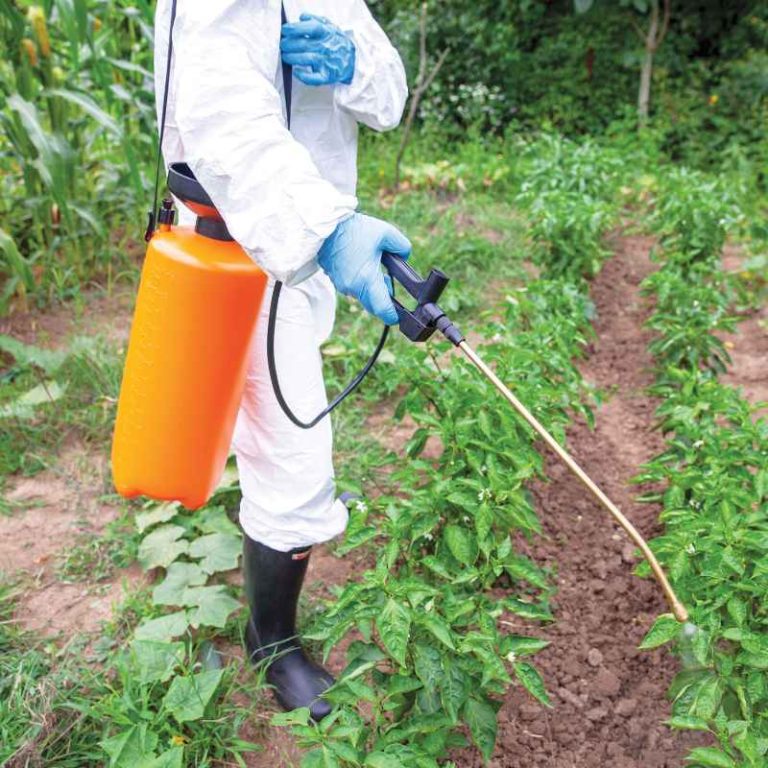
Pests and diseases can threaten crops. Integrated pest management (IPM) and organic solutions—such as neem oil or row covers—mitigate risks without resorting to harsh chemicals. Gardeners often learn through experience, adapting strategies for their climate and crops.
Natural predators like ladybugs and lacewings can help control aphids and other pests. Crop rotation, companion planting, and diligent monitoring are key preventative measures. For disease management, choosing resistant varieties and maintaining good air circulation can minimize problems. Many extension services and online forums offer region-specific advice and troubleshooting.
Climate And Weather Uncertainty
Unpredictable weather can affect yields. Solutions include season extension techniques (like cold frames and hoop houses) and choosing resilient varieties suited to local conditions.
Raised beds warm up faster in spring and drain better after heavy rains. Row covers protect crops from late frosts and insect pests. In hot climates, shade cloth can reduce heat stress. Adapting planting schedules and diversifying crops can buffer against unpredictable weather patterns and ensure a steady harvest.
Example: Overcoming Challenges In Seattle
A Seattle gardener faced poor soil and rainy conditions. By building raised beds and selecting moisture-tolerant crops, she achieved consistent harvests despite the climate.
She also installed a small greenhouse, allowing her to start seeds early and experiment with more sensitive varieties. Her experience highlights how tailored strategies and incremental improvements can turn challenges into opportunities.
The Long-term Rewards: Why Most Gardeners Say Yes
Looking beyond the first season, the cumulative rewards of gardening become even more compelling.
Skill Development And Lifelong Learning
Gardening encourages continuous learning—about botany, soil science, climate, and culinary arts. Skills acquired translate into greater efficiency and higher yields over time.
As gardeners experiment and adapt, they develop a deeper understanding of their local ecosystem. Many take pride in mastering advanced techniques like grafting, seed saving, or soil regeneration. This ongoing growth keeps the hobby fresh and intellectually stimulating.
Increased Self-sufficiency And Food Security
Growing your own food increases self-sufficiency, reducing reliance on external supply chains. This is particularly valuable during times of economic uncertainty or supply disruptions.
Home gardens can serve as vital backup sources of nutrition during natural disasters, pandemics, or economic downturns. Even partial self-sufficiency—such as growing all your salad greens or herbs—can make a meaningful difference in resilience and food sovereignty.
Generational Impact: Passing Down Knowledge
Many gardeners pass down skills and traditions to children and grandchildren, ensuring a legacy of sustainability and healthy living.
Gardening stories and techniques become part of family history, connecting generations through shared experiences. Community gardens often serve as intergenerational spaces, where elders mentor newcomers and traditions are celebrated.
Real-world Example: The Smiths’ Decade-long Garden Journey
The Smith family in Vermont started with one small plot. Over ten years, their garden expanded to feed their household and supply a local food bank. Their experience demonstrates how vegetable gardening can evolve from hobby to essential part of life.
The Smiths diversified their crops, built a greenhouse, and eventually hosted educational workshops for neighbors. Their garden became a cornerstone of their community, exemplifying the ripple effect one family’s commitment can have.
Vegetable Gardening Compared To Other Hobbies
To further contextualize its value, let’s compare vegetable gardening to other common hobbies using key metrics: cost, health benefits, environmental impact, and satisfaction.
| Hobby | Average Annual Cost | Health Benefits | Environmental Impact | Personal Satisfaction |
|---|---|---|---|---|
| Vegetable Gardening | $70-$300 | High (nutrition, activity) | Positive (reduces footprint) | Very High |
| Gym Membership | $500-$1200 | High (fitness) | Neutral | Medium |
| Cooking Classes | $300-$800 | Medium (skills) | Neutral | Medium |
| Crafting | $200-$600 | Low | Neutral/Negative (materials) | High |
Vegetable gardening consistently ranks high across all metrics, making it a uniquely valuable pursuit.
Unlike many hobbies, gardening offers tangible returns in the form of food, improved health, and environmental stewardship. The satisfaction of eating a meal you’ve grown yourself is deeply fulfilling and difficult to replicate through other activities. Furthermore, gardening can be integrated into daily life, scaled up or down to match available time and resources, and adapted for all ages and abilities.
Getting Started: Practical Tips For New Gardeners
For those ready to take the plunge, starting a vegetable garden is accessible with the right approach.
Choosing The Right Location And Crops
- Select a sunny spot with well-drained soil: Most vegetables require at least 6 hours of direct sunlight per day.
- Start small with easy-to-grow crops like lettuce, radishes, and tomatoes: These forgiving plants are ideal for building confidence and success.
- Consider local climate when choosing varieties: Consult local extension offices or gardening clubs for region-specific recommendations.
It’s helpful to observe your chosen location throughout the day to identify the best sunlight patterns and potential microclimates. Choosing crops you and your family enjoy eating increases motivation and reduces waste.
Preparing Soil And Beds
- Test soil for pH and nutrients: Simple test kits are widely available and help diagnose any deficiencies.
- Amend with compost or organic fertilizer: Healthy soil is the foundation of a productive garden.
- Build raised beds or use containers as needed: Raised beds offer better drainage and soil control, while containers are great for patios and balconies.
Adding organic matter like compost or well-rotted manure improves soil texture, fertility, and water retention. Mulching after planting helps retain moisture and suppress weeds.
Planting, Maintenance, And Harvest
- Follow seed packet instructions for spacing and depth: Proper spacing reduces disease risk and ensures robust growth.
- Water consistently, but avoid overwatering: Most vegetables prefer deep, infrequent watering to shallow, daily sprinkles.
- Monitor for pests and diseases, addressing promptly: Early intervention prevents small issues from becoming major problems.
- Harvest at peak ripeness for best flavor and nutrition: Regular picking encourages continued production, especially for crops like beans and zucchini.
Keeping a simple garden journal can help track planting dates, weather, and successes or challenges, providing valuable insights for future seasons.
Resources And Further Learning
Explore reputable sources like National Gardening Association and Denver Botanic Gardens for guides, tips, and local workshops.
Local cooperative extension offices, gardening clubs, and online forums are also excellent places to seek advice, troubleshoot problems, and connect with fellow enthusiasts. Many universities and public libraries offer free resources, seed swaps, and classes for beginners.
Frequently Asked Questions
Is Vegetable Gardening Cost-effective Compared To Buying Produce?
Yes, most gardeners find that vegetable gardening is cost-effective over time. Initial setup costs are offset by significant savings on produce, especially with efficient practices and home preservation. Studies from the National Gardening Association confirm an average net savings of over $500 per year for typical home gardens.
What Are The Main Health Benefits Of Growing My Own Vegetables?
Homegrown vegetables offer higher nutrient content and lower pesticide exposure. Gardening also promotes physical activity, which improves cardiovascular health, and provides mental health benefits through reduced stress and increased happiness, according to the CDC and the American Horticultural Therapy Association.
How Much Time Does Vegetable Gardening Require?
Time requirements vary by garden size and complexity. A small container garden may need 2-3 hours per week, while larger plots can require more. Many gardeners find that routine tasks can be streamlined with scheduling, family involvement, and technologies like self-watering systems.
Can I Garden If I Live In An Apartment Or Have Limited Space?
Absolutely. Container gardening, vertical gardens, and hydroponics are popular solutions for small spaces. Even windowsills can support herbs and leafy greens. Urban gardening resources from EPA Green Infrastructure provide valuable guidance.
What Are The Environmental Benefits Of Vegetable Gardening?
Vegetable gardening reduces food miles, packaging waste, and carbon emissions. It also promotes biodiversity and soil health through organic practices, composting, and water conservation. Studies from the Nature Research Journal highlight these environmental gains.
The verdict is clear: for most gardeners, the rewards of vegetable gardening far outweigh the challenges. From economic savings and health benefits to environmental stewardship and personal satisfaction, the practice offers multi-dimensional value. Whether you cultivate a sprawling backyard plot or a modest urban container, the journey is rich in discovery and fulfillment. Now is the perfect time to join the ranks of enthusiastic gardeners who say “yes”—vegetable gardening is absolutely worth it.