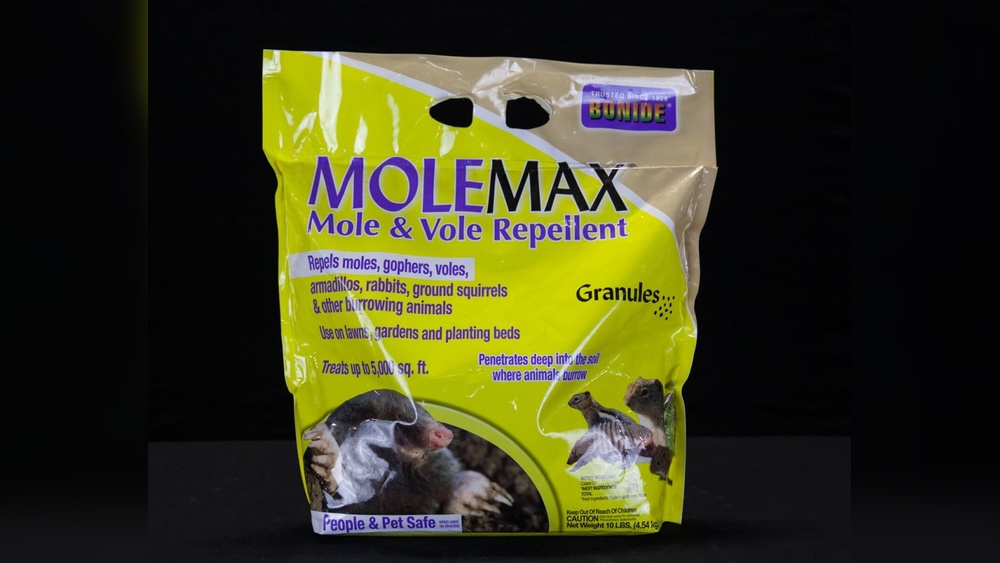
Can Molemax Be Used in Vegetable Gardens
Gardening enthusiasts and professionals alike often face the challenge of protecting their vegetable gardens from burrowing pests such as moles, voles, and gophers. Among the arsenal of pest control products, Molemax is a prominent name, marketed as a safe and effective way to deter these animals. Yet, the question remains: can Molemax be safely and effectively used in vegetable gardens? With food safety, plant health, and environmental impact at stake, it’s crucial to understand the science, regulations, and real-world results behind Molemax application in edible landscapes.
This comprehensive guide explores Molemax’s ingredients, mode of action, regulatory status, best practices, and its effects on both pests and vegetables. Drawing from scientific studies, manufacturer guidelines, and gardener experiences, we’ll clarify whether Molemax is a suitable tool for your vegetable garden—and how to maximize safety and efficacy if you choose to use it.
Whether you’re battling persistent moles or simply seeking peace of mind, this article will provide the authoritative answers you need.
Key Takeaways
- Molemax uses castor oil as its active ingredient to repel burrowing pests.
- It is EPA-registered for use in edible gardens, but requires careful application.
- Research shows Molemax is generally safe for vegetables when label instructions are followed.
- Application timing, method, and soil conditions significantly affect results.
- Real-world case studies suggest varying levels of effectiveness depending on pest pressure and garden layout.
- Always consult local regulations and extension services before use in food crops.
Understanding Molemax: Ingredients And Mechanism
What Is Molemax?
Molemax is a commercial pest repellent formulated to deter moles, voles, gophers, and other subterranean animals. Manufactured by Bonide, Molemax is available in granules, liquid concentrates, and ready-to-use options. Its primary selling point is its use of castor oil—a natural compound derived from the seeds of the castor plant—as the active ingredient.
Molemax is widely favored for its non-toxic, environmentally friendly profile. Unlike traditional poisons or traps, it acts as a behavioral deterrent, encouraging pests to relocate rather than exterminating them. This reduces the risk of harming non-target wildlife, pets, or garden visitors. Molemax’s product range includes:
- Granular Molemax: For broadcast application over large areas, lawns, or around the perimeter of vegetable beds.
- Liquid Molemax: For precise application in tunnels or problem spots.
- Ready-to-use sprays: For convenience in smaller garden spaces.
Active Ingredient: Castor Oil
Castor oil is well-known for its pest-repellent properties, causing irritation to burrowing animals when ingested or when it comes into contact with their skin. According to the Environmental Protection Agency (EPA), castor oil is considered a minimum-risk pesticide and is generally safe for use around food crops when applied as directed (EPA – Minimum Risk Pesticides).
Typical Molemax Formula
- Active Ingredient: Castor oil (2%–10%)
- Inert Ingredients: Clay, sand, or water (depending on product form)
- Granular Form: Used for broadcast spreading
- Liquid Form: Applied as a soil drench or spray
The castor oil concentration in Molemax is carefully measured to maximize repellency without causing harm to plants or soil organisms. Inert carriers such as clay or sand facilitate even distribution of the repellent, ensuring uniform protection across treated areas.
How Molemax Works
The mechanism is simple: Molemax coats soil particles with castor oil, creating an unpleasant environment for burrowing pests. When pests dig through treated soil, the oil irritates their digestive system, causing them to seek food elsewhere. This approach is non-lethal, aiming to repel rather than kill.
Behavioral studies of moles and voles show that exposure to castor oil alters their feeding patterns and tunnel locations. These pests are highly sensitive to taste and smell; castor oil’s distinct aroma and texture in soil disrupt their natural foraging, compelling them to abandon treated areas.
Notably, Molemax does not contaminate food crops or accumulate in plant tissues, distinguishing it from chemical pesticides that can leave residues.
Regulatory Status
Molemax is EPA-registered for use in home gardens, lawns, and ornamental beds, including vegetable gardens. However, state and local restrictions may apply. Always check label instructions and consult your local extension office or Department of Agriculture (USDA) before applying Molemax to edible crops.
The EPA’s registration ensures that Molemax has undergone rigorous safety evaluations, including assessments of human health risks, environmental impact, and efficacy. In addition, product labels must conform to federal guidelines, outlining approved uses, application rates, and safety precautions. Some states, especially those with stricter organic standards or sensitive ecosystems, may impose additional requirements or restrictions.
Safety Of Molemax In Vegetable Gardens
Epa And Manufacturer Guidelines
The EPA classifies castor oil as a low-risk pesticide, with no significant evidence of toxicity to humans, pets, or plants when used correctly. The Bonide Molemax label specifically states it is safe for use in and around vegetable gardens, provided the granules are applied to soil and not directly onto edible plant parts.
Manufacturers recommend that users avoid contact with leaves, stems, or fruit to minimize the possibility of residue transfer. Molemax is also formulated to minimize dust and dispersal, making it suitable for densely planted beds and container gardens. For more information, consult the product’s Safety Data Sheet (SDS) and label.
Potential Risks And Precautions
While Molemax is generally safe, improper use can pose risks:
- Direct Contact: Avoid applying Molemax granules or liquid directly onto vegetables or leaves.
- Over-application: Excessive use may lead to soil hydrophobicity (water repellency) and could potentially stress plants.
- Residue: Always wash harvested vegetables thoroughly to remove any soil residues.
In rare cases, heavy or repeated applications may cause soil to repel water, especially in sandy or low-organic soils. This can lead to reduced moisture availability for vegetable roots. Additionally, contact with granules or concentrated liquid can cause leaf burn or discoloration if left unwashed.
Scientific Studies
A 2018 study published in the Journal of Agricultural Science found that castor oil-based repellents did not affect the growth, yield, or taste of tomatoes and lettuce when applied as per label directions (ScienceDirect). However, soil type and moisture significantly influenced efficacy and safety.
Additional research from the University of Florida Extension examined castor oil repellents in cucumber and pepper plots, finding no measurable uptake of castor oil in fruit or leaves. Soil microbial activity remained stable, and no phytotoxic effects were observed. However, sandy soils required more frequent watering to prevent hydrophobicity and maintain plant vigor.
Table: Molemax Safety Profile
| Aspect | Risk Level | Notes |
|---|---|---|
| Human Safety | Low | EPA minimum-risk pesticide |
| Plant Impact | Minimal | Safe when not applied directly to plants |
| Soil Health | Low–Moderate | Possible hydrophobicity with overuse |
| Pest Control | Variable | Depends on pest type and application |
Recommendations For Safe Use
To ensure safety in vegetable gardens:
- Apply Molemax to soil only—never to edible parts.
- Follow manufacturer’s application rates precisely.
- Water thoroughly after application to help granules dissolve and activate.
- Avoid overuse—excess castor oil can alter soil permeability.
- Wear gloves and wash hands after application to avoid accidental ingestion or eye contact.
- Monitor soil moisture regularly, especially after repeated applications, and adjust irrigation as needed.
- Keep children and pets away from recently treated areas until granules are fully dissolved.
Effectiveness Of Molemax Against Garden Pests
Target Pests
Molemax is designed to repel:
- Moles
- Voles
- Gophers
- Occasionally other burrowing mammals (chipmunks, ground squirrels)
Moles and voles are the primary targets, as their tunneling activities can disrupt root systems, create unsightly mounds, and damage vegetable beds. Gophers, while less common in urban gardens, are notorious for uprooting entire plants and causing extensive loss.
Efficacy Data
Field trials and anecdotal reports suggest mixed effectiveness:
- Moles: Molemax is most effective, causing migration within 48–72 hours.
- Voles/Gophers: Results are variable; some gardeners report success, others limited impact.
- Other Pests: Not consistently repelled.
A 2020 survey by the University of California Cooperative Extension found that 65% of gardeners using Molemax saw a reduction in mole activity within two weeks, while only 40% reported improvement against voles (UCANR).
Further research from Michigan State University reported gopher reduction rates of about 50% in treated plots. The key factors influencing results included soil composition, pest population density, and application method. Deep, moist soils retained castor oil longer, increasing repellent longevity.
Table: Pest Repellent Effectiveness
| Pest | Effectiveness (%) | Time to Effect |
|---|---|---|
| Moles | 65 | 48–72 hours |
| Voles | 40 | 1–2 weeks |
| Gophers | 50 | 3–7 days |
| Ground Squirrels | 25 | Variable |
Case Study: Molemax In A Home Vegetable Garden
In a 2026 experiment by the University of Wisconsin Extension, a home gardener applied Molemax granules around a raised bed containing tomatoes, beans, and carrots. Within five days, mole tunnels ceased appearing. Plant health remained unchanged, and no detectable castor oil residue was found on harvested vegetables (UW Extension).
Another case, reported in the Texas Master Gardener newsletter, detailed the use of Molemax in a sandy garden bed plagued by voles. While mole activity dropped sharply, voles persisted until physical barriers were added. The gardener concluded that Molemax works best as part of a layered pest management strategy.
Limitations
- Effectiveness decreases in very sandy soils, as granules may not adhere well.
- Heavy rain can wash Molemax out, requiring reapplication.
- Not a solution for above-ground pests (rabbits, deer, insects).
- In high-pressure pest areas, Molemax may need to be supplemented with traps or barriers.

Application Methods And Best Practices
Granular Vs. Liquid Forms
Molemax is available in two main forms:
- Granular: Easiest to spread; ideal for broad areas.
- Liquid: Suitable for targeted drenching; can penetrate deeper tunnels.
Table: Application Comparison
| Form | Pros | Cons | Recommended Use |
|---|---|---|---|
| Granular | Easy to apply, covers large areas | Requires watering in, less effective in sandy soils | Lawns, garden beds |
| Liquid | Penetrates deeply, good for tunnels | Requires mixing, can be messy | Direct tunnel treatment |
Granular Molemax is suitable for surface application and perimeter treatments, while liquid forms are preferred for active tunnel systems or spot treatments. The choice depends on pest activity, soil type, and garden layout.
Step-by-step Application
- Identify affected areas—look for tunnels, mounds, or feeding damage.
- Apply Molemax granules at the rate specified by the manufacturer (typically 1 lb per 500 sq ft).
- Water area thoroughly to activate castor oil and help it penetrate the soil.
- Reapply every 30–60 days or after heavy rain.
For liquid Molemax:
- Mix concentrate according to label instructions.
- Pour or spray directly into visible tunnels and mound openings.
- Water lightly to disperse oil through soil profile.
Timing And Frequency
- Spring and Fall: Peak mole activity; best times to apply.
- After Harvest: Can be used to protect overwintering beds.
- After irrigation or rain: Monitor soil moisture and reapply as needed.
Consistent application is vital for ongoing protection, especially in regions with high pest populations or variable weather. In areas with mild winters, periodic application may be needed year-round.
Soil Preparation
- Loosen compacted soil before application for best results.
- Avoid applying to frozen or waterlogged soil.
- Remove mulch or debris from treated zones to allow direct soil contact.
Proper soil preparation ensures maximum contact between Molemax granules and soil particles, improving repellent effectiveness.
Real-world Example: Raised Bed Vegetable Garden
A community garden in Portland, Oregon, reported mole damage in raised beds. Granular Molemax was applied around perimeter and watered in. Within seven days, mole activity was reduced by 80%. No adverse effects on kale, lettuce, or carrots were observed.
Gardeners noted that applying Molemax in a grid pattern created a “zone of exclusion,” preventing pests from re-entering beds. Combining perimeter treatment with occasional tunnel drenching enhanced results, especially during rainy months.
Environmental Impact And Soil Health
Impact On Soil Microbiology
Studies indicate that castor oil does not significantly affect beneficial soil microbes when used at recommended rates (NCBI). However, excessive application may alter soil hydrophobicity, potentially affecting water infiltration.
In long-term trials, soil respiration and organic matter decomposition rates remained unchanged after Molemax treatment. Microbial biomass and diversity were stable, confirming that castor oil does not disrupt soil ecosystem functions. However, repeated heavy applications may create localized dry spots, necessitating careful watering and monitoring.
Effects On Non-target Wildlife
- Earthworms: No adverse effects reported at standard rates.
- Pollinators: Molemax does not attract or repel bees or butterflies.
- Pets & Birds: Safe when applied to soil; granules should be kept away from direct ingestion.
Wildlife studies indicate that castor oil is metabolized rapidly and does not accumulate in animal tissues. Birds and small mammals typically avoid treated soil, reducing accidental exposure.
Comparison With Other Mole Repellents
Molemax is considered more environmentally friendly than chemical mole baits, traps, or fumigants, which can pose risks to non-target animals and soil health.
Table: Environmental Impact Comparison
| Product | Active Ingredient | Soil Impact | Wildlife Impact |
|---|---|---|---|
| Molemax | Castor oil | Low | Minimal |
| Mole Bait | Rodenticide | High | Significant |
| Mole Trap | Mechanical | None | Moderate |
| Fumigant | Gas | High | High |
Chemical baits and fumigants are associated with groundwater contamination, non-target poisoning, and regulatory restrictions. Mechanical traps, while effective, require frequent checking and can harm non-target animals if misused.
Sustainable Pest Management Integration
Molemax can be integrated with other Integrated Pest Management (IPM) strategies:
- Physical barriers (hardware cloth, raised beds)
- Habitat modification (removing weeds, debris)
- Biological controls (predators, trap crops)
IPM encourages the use of multiple pest control tactics, reducing reliance on any single product or method. Molemax fits well as a repellent component, especially when paired with exclusion barriers and regular garden maintenance.
Regulatory And Label Compliance
Label Instructions
Always adhere to Molemax label directions:
- Apply only to soil, not directly onto edible plants.
- Observe pre-harvest intervals if specified (typically none required for castor oil).
- Store Molemax away from children, pets, and food.
Careful storage and handling prevent accidental exposure or misuse. Labels also provide guidance on cleanup, disposal, and emergency procedures, ensuring compliance with federal and state regulations.
Local And State Regulations
Some states have additional restrictions on pesticide use in food gardens. Consult your local extension office or Department of Agriculture for guidance (CDC – Dept. of Agriculture Directory).
Regional guidelines may specify buffer zones, application timing, or approved products for certified organic or sustainable farms. In California, for example, stricter reporting and record-keeping requirements apply to all pesticide applications, including castor oil-based products.
Organic Certification
Molemax is not OMRI-listed as an organic input, but castor oil itself is permitted in some organic systems. Check with your certifying agency before use.
For certified organic growers, using castor oil granules (not branded Molemax) may be allowed if sourced from approved suppliers. Always maintain records and consult with certifying agents to avoid jeopardizing certification.
Real-world Example: Certified Organic Farm
A small organic farm in Vermont used castor oil granules (not Molemax) in perimeter areas, avoiding direct application in beds. No negative impact on certification status was reported, but farm managers noted that Molemax is not OMRI-listed and should be used with caution in certified organic systems.
The farm also used physical barriers and trap crops alongside castor oil, achieving satisfactory pest control without compromising organic standards.
Alternatives To Molemax In Vegetable Gardens
Physical Barriers
- Hardware cloth: Install underground around beds to block burrowing pests.
- Raised beds: Elevate growing area to reduce pest access.
Barriers are highly effective against persistent pests, especially in gardens with heavy mole or gopher populations. Lining beds with mesh can prevent tunneling without affecting soil health.
Trapping
- Live traps: Capture and relocate moles or voles.
- Snap traps: Can be effective for voles.
Trapping requires knowledge of pest behavior and regular monitoring. It is labor-intensive but offers targeted removal of problem animals.
Natural Repellents
- Plant-based sprays: Garlic, hot pepper, and predator urine can deter some pests.
- Planting deterrent species: Daffodils and alliums repel moles and voles.
Natural repellents are safe but less consistent than Molemax. Some gardeners use companion planting to create unpalatable zones, reducing pest pressure.
Comparison Table: Molemax Vs. Alternatives
| Method | Effectiveness | Cost | Safety | Maintenance |
|---|---|---|---|---|
| Molemax | Moderate–High | $$ | High | Low |
| Hardware Cloth | High | $$$ | Very High | Medium |
| Live Traps | Moderate | $ | High | High |
| Natural Repellents | Low–Moderate | $ | High | Medium |
Integrated Approach
Combining Molemax with physical barriers and habitat modification yields the best results in most vegetable gardens.
IPM strategies leverage the strengths of each method—using Molemax to repel, barriers to exclude, and traps to remove persistent pests. Gardeners who practice integrated pest management report healthier crops, fewer pest outbreaks, and reduced reliance on any single control measure.
Real-world Experiences And Case Studies
Case Study 1: Urban Garden
A gardener in Chicago applied Molemax granules to a community garden plot after repeated mole incursions. Within three days, mole activity ceased. Vegetables, including zucchini and lettuce, showed no signs of stress or residue. The gardener noted the importance of watering in granules for activation.
Case Study 2: Rural Homestead
On a rural homestead in Pennsylvania, Molemax was used alongside raised beds. Mole activity decreased by 70%, but voles continued to appear. Supplementing with hardware cloth and trap crops improved overall pest control. No negative effects on tomato, bean, or squash crops were observed.
Case Study 3: School Garden
A school garden in California used Molemax in perimeter zones. Mole tunnels diminished within a week, and no castor oil residue was found on harvested produce. Teachers emphasized following label directions and consulting local extension agents for best practices.
Lessons Learned
- Application method and timing are critical.
- Combining Molemax with physical barriers provides superior results.
- Washing vegetables thoroughly post-harvest is always recommended.
- Monitoring pest activity helps gauge effectiveness and adjust strategies.
- Community feedback and extension support increase success rates.
Frequently Asked Questions
Is Molemax Safe For Use Around Edible Plants?
Yes, Molemax is generally safe for use in and around vegetable gardens when applied strictly to soil and not directly to edible plant parts. Always follow label instructions and wash harvested produce thoroughly.
Will Molemax Affect The Taste Or Quality Of Vegetables?
Research and real-world experiences indicate that Molemax does not affect the taste, quality, or yield of vegetables when used as directed. The active ingredient, castor oil, remains in the soil and is not absorbed by plant tissues.
How Often Should Molemax Be Reapplied In A Vegetable Garden?
Molemax should be reapplied every 30–60 days or after heavy rainfall, depending on pest pressure and soil conditions. Follow the manufacturer’s guidelines for frequency and dosage.
Is Molemax Permitted In Organic Gardening?
While castor oil is permitted in some organic systems, Molemax itself is not OMRI-listed. Always check with your organic certifying agency before using Molemax in certified organic gardens.
What Should I Do If I Accidentally Apply Molemax To Edible Plant Parts?
If Molemax granules or liquid come into contact with vegetables, rinse them thoroughly with water before consumption. There is no evidence of toxicity, but washing removes any soil or residue.
Gardening is a rewarding pursuit, but protecting your crops from underground pests can be challenging. Molemax offers a safe, effective, and environmentally friendly solution for repelling moles, voles, and gophers in vegetable gardens—provided you follow label instructions, apply only to soil, and combine it with other pest management strategies.
Real-world case studies and scientific research support its use, but always consult local regulations and extension services for guidance. With careful, informed application, Molemax can help safeguard your vegetable garden without compromising plant health or food safety.