Vegetable Gardening for Beginners: Step-by-Step Start
According to How to Start a Vegetable Garden (Beginner’s Step-by-Step Guide) — Beginner gardeners are told to choose a spot with at least 6 to 8 hours of direct sun daily.
What you’ll need before you plant
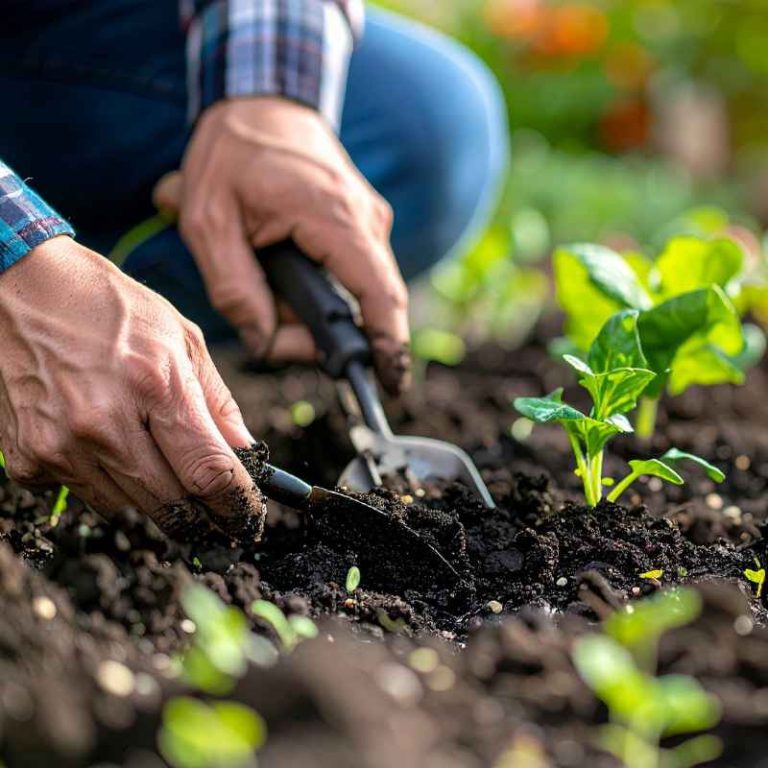
- Garden trowel
- Hand pruners
- Garden gloves
- Garden fork or spade
- Watering can or hose with a gentle nozzle
- Compost or other organic matter
- Seed packets or seedlings for a few beginner crops
- A notebook or phone note for frost date and planting dates
How do I start a vegetable garden for beginners step by step?
Start with one small sunny patch, add compost to the soil, and plant only a few easy crops after your last frost date. I keep the first season simple: one setup, a short crop list, and a watering routine you can repeat without guessing.
- Check sun, drainage, and water access before buying anything.
- Pick one small setup: bed, plot, or containers.
- Buy the minimal tools and soil amendment.
- Choose crops that match your season and space.
- Decide which crops to sow and which to buy as seedlings.
- Plant at the right time for cool-season or warm-season crops.
- Water gently and keep notes for the first 30 days.
First-30-days sequence
- Day 1: mark the site and confirm sun, drainage, and access.
- Day 2: test soil if you can, then mix in compost.
- Day 3: plant the first round, keeping spacing on the packet.
- Days 4–14: water to keep the soil evenly moist, never soggy.
- Days 15–30: thin crowded seedlings, watch for dryness, and recheck pest damage.
How much sun and space do vegetables need?
Many vegetables generally need several hours of direct sun each day, often around 6 to 8 hours. Leafy greens handle a bit of shade better than tomatoes, peppers, or zucchini. For a first garden, a 4×4 or 4×8 raised bed works well, and a 10×10 in-ground plot stays manageable too.
How to check sun and space
Watch the spot through the day and count direct light, not bright shade. If trees, fences, or buildings cut that window short, choose another spot or limit the bed to greens and herbs that cope with less sun.
| Setup | Best for | Why it fits beginners |
|---|---|---|
| 4×4 raised bed | Very small yards, patios, new gardeners | Easy to manage and hard to overplant |
| 4×8 raised bed | One family bed | Enough room for a few crops without becoming a project |
| 10×10 in-ground plot | Good native soil and open sun | Simple if the soil drains well |
Step 1: Choose the best garden spot
Pick the sunniest place with good drainage and easy water access. I avoid low spots that stay wet after rain, since soggy soil slows root growth and causes early losses.
Raised beds, in-ground plots, or containers
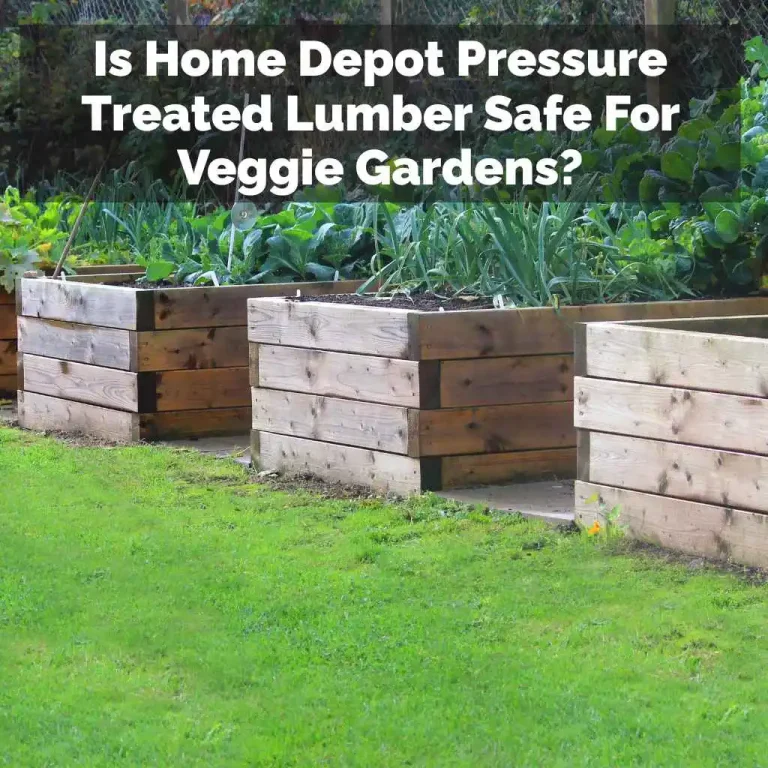
Raised beds help when native soil is poor or drainage runs slow. In-ground plots work well when the soil is already decent and the site gets full sun. Containers fit balconies, decks, and paved areas, but they dry out fast and need more frequent watering.
Step 2: Prepare the soil before planting
Test the soil if you can, then mix in compost or other organic matter before planting. The aim is loose, well-drained soil that holds enough moisture for roots without staying wet for long stretches.
Soil prep basics
If the bed is new, clear weeds and break up surface clumps first. Heavy clay loosens with compost. Very sandy soil holds water a little longer after you add compost.
Step 3: Pick a few crops you can handle
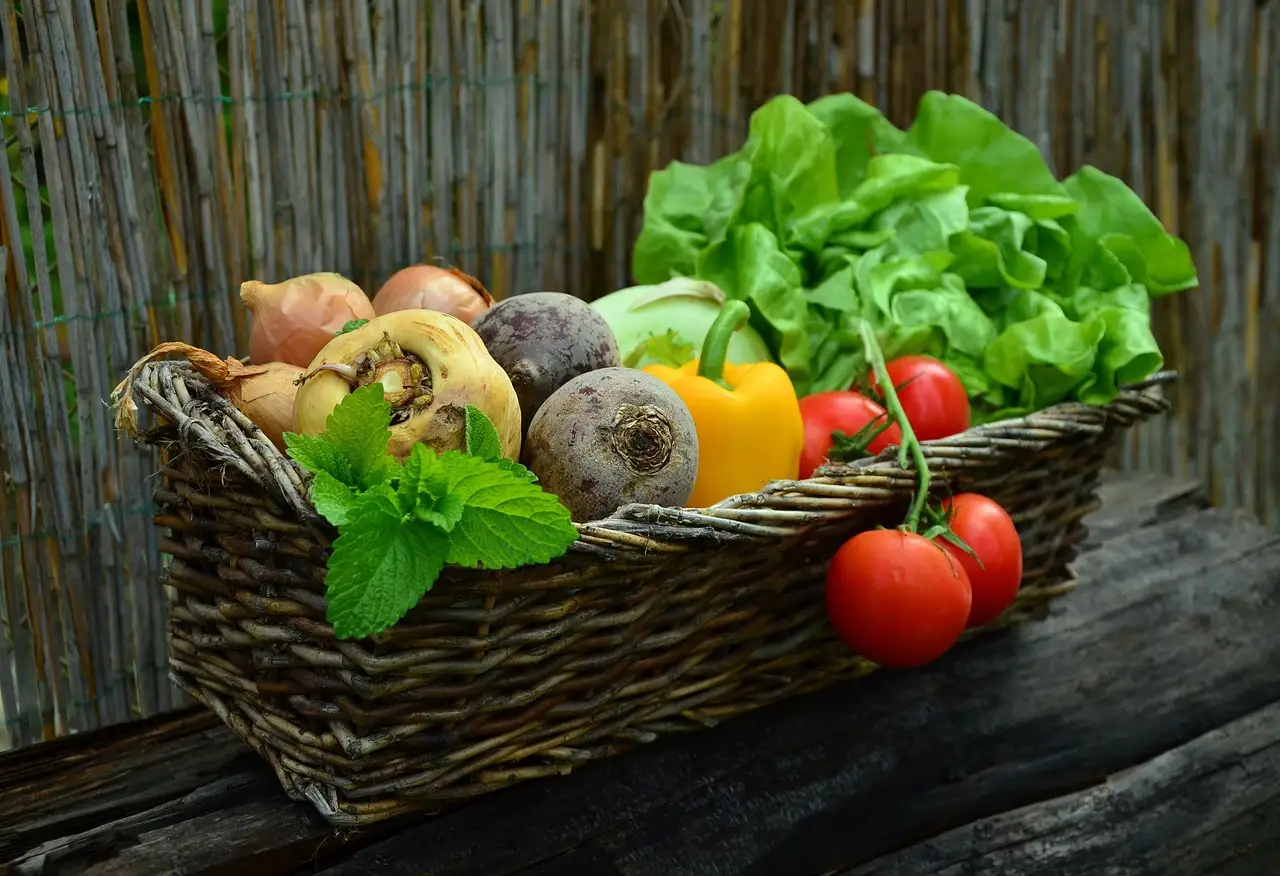
Choose a short list of easy crops and stop there. Good starter crops include lettuce, radishes, green beans, tomatoes, zucchini, and peppers, plus herbs that fit your climate. Fast-maturing vegetables cut the wait and keep the first season within reach.
Crop-selection matrix
| Space | Season | Skill level | Good first crops |
|---|---|---|---|
| Very small bed or pots | Cool season | Low | Lettuce, radishes |
| Small bed | Warm season after frost | Low to medium | Bush beans, cherry tomatoes |
| Bed with full sun | Warm season | Medium | Zucchini, peppers |
| Partial shade | Cool season | Low | Lettuce and other leafy greens |
Step 4: Decide on seeds or seedlings
Use seedlings for slower crops when you want an easier start, and use seeds for quick crops like radishes, beans, and lettuce. Many crops grow best from seed sown straight into the soil unless a packet or tag says otherwise.
Simple seed-versus-seedling rule
Buy seedlings for tomatoes, peppers, and zucchini when the season is short or when a first crop loss would hurt your budget. Sow seeds for crops that sprout fast and mature quickly, because they cost less and are easier to replace if one row fails.
Step 5: Plant at the right time and keep new plants alive
Use the last spring frost date to time warm-season crops, and plant cool-season crops earlier in spring. Follow your local planting calendar or the dates on seed packets, then keep young plants evenly moist without turning the soil into mud.
Watering rule for young plants
Check the top layer of soil daily. If it feels dry, water with a hose set low or a watering can until the root zone is moist. If the soil stays wet for days, stop and let it dry before watering again.
The one-page beginner launch checklist
Use this as one page of planning before planting day. It keeps the first garden small, buys only what is needed, and ties crop choice to the season and the space on hand.
7-step sequence
- Record your last spring frost date.
- Check sun for 6 to 8 hours of direct light.
- Check drainage after rain or a hose test.
- Choose one setup: bed, plot, or containers.
- Buy compost, tools, and a few crop packets or seedlings.
- Plant cool-season crops early or wait on warm-season crops until after frost.
- Water daily at first, then adjust to soil moisture.
Minimal shopping list
- Garden trowel
- Hand pruners
- Garden gloves
- Garden fork or spade
- Compost or organic matter
- Watering can or hose
- Three to six seed packets or a small set of seedlings
Common mistakes beginners should skip
The biggest failures usually come from trying to grow too much at once, overwatering, planting into heavy wet soil, or ignoring sun and frost timing. Planting too deep or too close together also leads to weak growth and crowded beds that are hard to fix.
If that didn’t work, try this next
- Reduce the garden size to one bed or a few containers.
- Replace soggy soil with compost-rich, better-drained soil.
- Move to a sunnier site if the bed gets less than 6 to 8 hours of direct sun.
- Switch one difficult crop to seedlings and keep the rest on seed.
Prevention: write the last frost date on the same note as your crop list, then buy only the number of plants that fit the bed with space left between them.
Frequently asked questions
How do I start a small vegetable garden for beginners?
Pick one sunny spot, one small setup, and three crops at most. A small bed or a few large pots may be enough for a beginner garden. Add compost, plant after frost if the crop needs warmth, and keep watering steady during the first two weeks.
What vegetables are easiest for beginners to grow?
Lettuce, radishes, green beans, tomatoes, zucchini, and peppers are solid starters when the season fits the crop. Leafy greens work in partial shade, while beans, tomatoes, zucchini, and peppers need stronger sun and warmer weather to do well.
Do I need raised beds, containers, or can I plant in the ground?
Any of the three can work. Use raised beds if drainage is poor, containers if space is tight, and in-ground planting if the soil already drains well. The best choice is the one that matches the site you have, not the one with the most gear.
When should I plant vegetables after frost?
Plant warm-season crops after the last spring frost date for your area. Cool-season crops can go in earlier, often in early spring. Check a local planting calendar or the dates on seed packets so the crop and weather line up.
What tools do I need to start a home vegetable garden?
Start with a garden trowel, hand pruners, garden gloves, and a garden fork or spade. Add a watering can or hose, then stop. A first garden does not need a full tool kit, and extra gear usually means extra cost without fixing the real problems.
How much sun do vegetables need to grow well?
Most vegetables need 6 to 8 hours of direct sun each day. If the site gets less than that, switch to leafy greens and a few tolerant crops instead of fruiting plants. Check sun exposure before buying plants or seed packets.