Are Wood Ashes Good for Vegetable Gardens? Here’S the Truth
Wood ashes—a byproduct of fireplaces, wood stoves, and outdoor bonfires—have fueled gardener debates for decades. Can this seemingly simple substance boost vegetable garden performance, or does it pose hidden risks? With sustainability and organic gardening gaining popularity, more people are rethinking how to manage garden waste and soil fertility.
But before sprinkling ashes on your tomatoes or carrots, it’s crucial to understand the science, benefits, and pitfalls.
This comprehensive guide dives deep into the truth behind wood ashes in vegetable gardens. Leveraging authoritative research, real-world examples, and expert insights, we’ll uncover whether wood ash is a boon or a bane for your crops. From nutrient profiles and soil pH impacts to safety tips and practical application techniques, you’ll find everything you need to make informed decisions for a thriving vegetable garden.
Key Takeaways
- Wood ashes are rich in potassium and calcium but can disrupt soil pH if not applied correctly.
- Not all vegetables benefit from wood ash; acid-loving crops may suffer.
- Application rates must be carefully managed to avoid nutrient imbalances and toxicities.
- Wood ash can improve soil structure and deter certain pests, but poses risks when contaminated.
- Real-world studies demonstrate both successes and failures—context and soil testing are key.
- Proper storage and handling are essential to maximize benefits and minimize risks.

Understanding Wood Ash: Composition And Properties
Wood ash is more than just burnt residue—it’s a complex mix of minerals and trace elements that reflect the type of wood burned and combustion conditions. To use it effectively in vegetable gardens, gardeners must first grasp its composition.
Mineral Profile Of Wood Ash
The primary nutrients in wood ash include:
- Potassium (K): Essential for plant growth and fruit development, often present at 4-10% by weight. Potassium is involved in water regulation, enzyme activation, and energy transfer within the plant, making it critical for healthy, productive crops.
- Calcium (Ca): Crucial for cell wall structure and soil pH, typically 15-35% by weight. Calcium not only strengthens plant tissues but also helps neutralize acidic soils, improving overall soil health.
- Magnesium (Mg): Supports photosynthesis, found at 1-5% by weight. Magnesium is a core component of chlorophyll, the pigment that enables plants to convert sunlight into energy.
- Phosphorus (P): Present in small amounts, vital for root growth. Although not abundant in wood ash, phosphorus is essential for strong root systems and early seedling development.
- Trace elements: Iron, manganese, zinc, and copper in minor concentrations. These micronutrients, though required in small quantities, are indispensable for many plant metabolic processes.
The actual nutrient content depends on:
- Wood type: Hardwoods (oak, maple) yield more minerals than softwoods (pine, spruce). Hardwoods generally produce denser, longer-burning wood, resulting in a more nutrient-rich ash.
- Combustion temperature: Higher temperatures concentrate minerals. Efficient, hot burns leave behind less unburnt material and produce finer, more homogenous ash.
| Element | Average % in Hardwood Ash | Average % in Softwood Ash | Plant Benefit |
|---|---|---|---|
| Potassium | 7% | 4% | Fruit/Root Development |
| Calcium | 30% | 16% | Cell Structure, pH |
| Magnesium | 2% | 1% | Photosynthesis |
| Phosphorus | 0.5% | 0.2% | Root Growth |
Beyond these, wood ash can supply small but significant amounts of boron and molybdenum, both of which help with plant reproductive processes and nitrogen fixation, respectively.
Alkalinity And Soil Ph Impact
Wood ash is highly alkaline, with a pH range of 9–13. This means it acts as a liming agent, neutralizing acidic soils. This property is particularly beneficial for gardeners dealing with naturally acidic soils—common in regions with heavy rainfall or where coniferous trees predominate.
However, excessive use can push soil pH above optimal levels (6. 0–7. 5), harming certain vegetables. Most vegetables thrive in neutral to slightly acidic soils. As pH rises above 7. 5, several micronutrients—including iron, manganese, and boron—become less available to plants, leading to deficiencies despite their presence in the soil.
- Acid-loving plants (potatoes, blueberries) do poorly in alkaline soils. Potatoes, for example, are susceptible to scab when soil pH is above 6.5.
- PH-sensitive crops may suffer nutrient lockout if pH rises too high. This can result in stunted growth, yellowing leaves, and poor yields.
Physical Properties
Wood ash is a fine, powdery substance with high solubility. Its mineral content becomes available quickly, unlike slow-release fertilizers. This solubility means that nutrients are rapidly accessible to plant roots, but also that they can be leached away by rain or over-irrigation, especially in sandy soils.
- Quick-release nutrients: Immediate impact, but risk of over-application. Rapid nutrient availability can lead to short-term boosts in plant growth, but also to spikes in soil pH or salt levels if not carefully managed.
- Dust hazards: Can irritate lungs and skin; proper handling is crucial. Fine ash particles are easily airborne, particularly in dry conditions. Always apply on a calm day or after light watering to minimize dust.
Additionally, wood ash’s physical texture can help break up compacted soils when worked in, improving tilth and root penetration.
Benefits Of Wood Ash For Vegetable Gardens
When used judiciously, wood ash offers several advantages for garden health and productivity.
Nutritional Boost For Vegetables
Potassium is the star mineral in wood ash. It supports:
- Flowering and fruit formation in tomatoes, peppers, squash, and carrots. Potassium helps plants transport sugars, increase flower and fruit set, and improve overall plant vigor.
- Disease resistance and improved drought tolerance. Adequate potassium strengthens plant tissues, making them less susceptible to pest and disease attacks, and helps regulate water use during dry spells.
Calcium, meanwhile, prevents disorders like blossom end rot in tomatoes and peppers. This common problem is caused by a calcium deficiency in the developing fruit and is exacerbated by inconsistent watering and poor calcium mobility in the soil.
Magnesium, while present in modest amounts, is essential for chlorophyll synthesis, ensuring your plants remain green, healthy, and photosynthetically active.
Soil Structure Improvement
Wood ash can enhance soil texture:
- Loosens heavy clay soils for better root penetration. The fine, gritty particles of ash help break up dense clay, improving aeration and drainage.
- Improves drainage and aeration. Well-aerated soils are less prone to root rot and better support the beneficial soil microorganisms that drive nutrient cycling.
Additionally, the incorporation of ash can encourage earthworm activity, which further enhances soil structure and fertility.
Pest And Disease Management
Certain pests dislike alkaline environments:
- Slugs and snails are deterred by ash barriers. A light ring of dry wood ash around susceptible plants can act as a physical and chemical deterrent, though it must be reapplied after rain or irrigation.
- Fungal pathogens (like clubroot in brassicas) are less active at higher pH. Clubroot, which devastates cabbage family crops, is suppressed in soils with pH above 7.2, making ash a useful tool in brassica beds.
Wood ash may also help suppress some soil-borne nematodes, though research is ongoing.
Sustainability And Waste Reduction
Using wood ash recycles a natural byproduct, reducing landfill waste and dependency on synthetic fertilizers.
- Eco-friendly: Reduces chemical inputs. By substituting wood ash for mined or manufactured fertilizers, gardeners can lower their carbon footprint and foster closed-loop systems.
- Cost-effective: Free for homeowners using firewood. Even small quantities of ash can provide meaningful nutrient boosts to garden beds, reducing fertilizer bills.
Using wood ash aligns with permaculture and regenerative agriculture principles, turning what would otherwise be waste into a valuable soil amendment.
Real-world Example: Ash In Tomato Gardens
A study by the University of Vermont Extension found that applying 10 lbs of wood ash per 100 sq ft in tomato beds increased fruit yield by 15%, provided soil pH remained below 7.5 ([UVM Extension](https://www.uvm.edu/extension)). Excessive ash, however, led to magnesium deficiency and stunted growth.
These findings highlight the importance of moderation and monitoring. The beneficial effects were most pronounced when soil testing was used to guide application, ensuring that pH and nutrient levels remained within optimal ranges.
Risks And Drawbacks Of Wood Ash Use
Despite its benefits, wood ash can create significant problems if misapplied.
Soil Ph Imbalance
Excess ash can raise soil pH above 7.5—problematic for:
- Potatoes: Prone to scab in alkaline soils. Scab is a common disease that reduces tuber quality and marketability.
- Carrots: May develop forked roots. High pH can cause poor nutrient uptake and root development issues.
- Leafy greens: Nutrient uptake is reduced. Iron and manganese deficiencies can cause chlorosis (yellowing) in spinach, lettuce, and chard.
Soil pH changes induced by wood ash are rapid and can persist for several years, especially in low-buffer soils (such as sandy loams).
Nutrient Overload And Toxicity
High concentrations of potassium and calcium may:
- Impair magnesium absorption, leading to leaf yellowing. Calcium competes with magnesium for uptake, and too much can trigger deficiency symptoms.
- Lock out phosphorus and micronutrients at high pH. Phosphorus becomes less available above pH 7.5, leading to poor root growth and purpling of leaves.
Over-application can also lead to “salting out” of soils, where soluble salts accumulate and damage delicate seedling roots.
Heavy Metal Contamination
Wood from treated lumber, painted surfaces, or certain forest areas may contain:
- Arsenic, lead, and mercury—dangerous for food crops. These contaminants can bioaccumulate in edible plants and pose serious health risks.
- Safe sources: Only use ash from untreated, natural wood. Even driftwood or wood from polluted areas should be avoided due to potential salt or heavy metal content.
Dust And Handling Hazards
Wood ash is caustic. Risks include:
- Eye and skin irritation
- Respiratory issues from airborne particles
Always wear gloves, goggles, and a dust mask when handling. Ash can also be slippery if spilled on hard surfaces, posing a slipping hazard.
Case Study: Over-application Disaster
A homeowner in Oregon used wood ash from their fireplace in a vegetable bed, applying 30 lbs per 100 sq ft. Within months, soil pH soared to 8. 2. Beans and carrots failed to germinate, and potatoes developed severe scab, requiring remediation with sulfur and compost.
This scenario underscores the dangers of uncalculated amendments. Soil remediation to correct high pH can be costly and time-consuming, often taking several seasons of careful management.

Best Practices For Applying Wood Ash In Vegetable Gardens
To harness wood ash’s benefits while avoiding risks, follow these proven strategies.
Soil Testing And Preparation
Before adding wood ash:
- Test soil pH: Use a reliable kit or laboratory service. This is essential for establishing a baseline and monitoring changes over time.
- Assess nutrient levels: Potassium and calcium may already be sufficient. Over-supplying these nutrients can cause imbalances.
- Identify crop preferences: Avoid ash for acid-loving vegetables. Plan applications based on your crop rotation and specific bed requirements.
Annual or biennial soil testing is recommended for intensive vegetable production.
Recommended Application Rates
General guidelines:
- 5-10 lbs per 100 sq ft annually for most vegetables. This equates to about a half to one full 5-gallon bucket per 100 square feet, spread over the growing season.
- Never exceed 20 lbs per 100 sq ft in one year. Over-application risks rapid pH rise and nutrient imbalances.
Apply during fall or early spring, before planting. Incorporate ash thoroughly into the soil using a rake or hoe, aiming for an even distribution.
| Vegetable | Recommended Ash Rate | Notes |
|---|---|---|
| Tomatoes | 10 lbs/100 sq ft | Boosts potassium, watch pH |
| Carrots | 5 lbs/100 sq ft | Moderate application |
| Potatoes | 0 lbs/100 sq ft | Do not apply; avoid scab |
| Cabbage | 10 lbs/100 sq ft | Supports disease resistance |
Application Techniques
- Spread ash thinly and evenly; avoid piles. Piled ash can create “hot spots” with excessively high pH and salt content.
- Water after application to reduce dust and integrate minerals. Light watering helps move nutrients into the root zone and minimizes airborne ash.
- Combine with compost for balanced nutrition and improved structure. Mixing ash with compost before application can buffer its pH effect and help distribute nutrients more evenly.
Ash can also be dissolved in water (“ash tea”) and applied as a liquid drench, particularly for container plants or small garden beds.
Storage And Sourcing
- Store ash in airtight bins to prevent moisture and contamination. Moist ash can harden into lumps, making it harder to spread and measure.
- Use only ash from untreated, pure wood; avoid painted, stained, or chemically treated sources. Store separately from compost to avoid accidental mixing.
Real-world Example: Ash In Community Gardens
The Rutgers Cooperative Extension tested wood ash in a community garden, applying 8 lbs per 100 sq ft to mixed beds. They observed improved growth in brassicas and tomatoes, but advised against use in potato and blueberry beds ([Rutgers Extension](https://njaes.rutgers.edu/soil-testing-lab)).
Feedback from gardeners also highlighted the value of clear signage and education in communal spaces to prevent over-application and cross-contamination.
Wood Ash Vs. Other Soil Amendments
How does wood ash stack up against other common amendments? Comparing nutrient profiles, pH impacts, and application guidelines can clarify its role in the garden.
Wood Ash Vs. Lime
Both wood ash and agricultural lime raise soil pH, but differ in mineral content.
- Wood ash: Adds potassium and micronutrients; quick-release. Suitable for soils needing both pH adjustment and potassium boost.
- Lime: Pure calcium carbonate; slower pH adjustment. Preferred for long-term pH management without additional nutrients.
| Amendment | Primary Nutrients | pH Effect | Application Rate | Speed of Effect |
|---|---|---|---|---|
| Wood Ash | Potassium, Calcium, Mg | Strong increase | 5–10 lbs/100 sq ft | Immediate |
| Lime | Calcium | Moderate increase | 20–50 lbs/100 sq ft | Slow (weeks/months) |
Lime is often used to treat persistent soil acidity over several years, while wood ash offers a rapid but less predictable adjustment.
Wood Ash Vs. Compost
Compost offers organic matter, micronutrients, and slow-release fertility.
- Compost: Builds soil structure, feeds soil microbes, gradual nutrient release. Compost also improves water-holding capacity and promotes beneficial soil life.
- Wood ash: Mineral boost, immediate impact, no organic matter. Best used as a supplement rather than a replacement for compost.
Integrating both can create a synergistic effect—compost stabilizes the ash’s nutrients and moderates pH impacts.
Wood Ash Vs. Synthetic Fertilizers
Synthetic fertilizers provide targeted nutrients but lack soil structure benefits.
- Fertilizers: Precise NPK ratios, risk of runoff. Fast-acting but can contribute to nutrient pollution if misapplied.
- Wood ash: Potassium boost, no nitrogen, risk of over-alkalinity. Ideal for organic systems but must be used with awareness of limitations.
Synthetic fertilizers may be necessary for crops with high nitrogen needs, but wood ash is an excellent supplement for potassium and calcium.
Case Study: Integrated Amendment Approach
A California market gardener used wood ash, lime, and compost in rotation. Ash provided potassium, lime corrected pH, and compost improved organic matter. Soil tests guided application, resulting in balanced fertility and high yields across vegetable types.
This approach showcases the value of tailoring amendments to specific site and crop needs, rather than relying on a single solution.
Vegetables That Benefit—and Those That Don’t
Not all vegetables respond equally to wood ash. Understanding crop preferences is essential for maximizing benefits.
Vegetables That Thrive With Wood Ash
- Tomatoes: High potassium demand; improved fruiting. Ash supports vibrant growth and heavier yields.
- Cabbage, broccoli, cauliflower: Disease resistance and strong growth. The raised pH suppresses clubroot and supports vigorous heads.
- Carrots, beets, parsnips: Enhanced root development (with moderate ash). Potassium aids root quality and sugar accumulation.
- Squash, zucchini, pumpkins: Improved flowering and fruit set. These heavy feeders benefit from the extra minerals.
Including leafy crops like kale and collards can also be successful, as long as pH is monitored.
Vegetables To Avoid Ash Application
- Potatoes: Scab risk increases with pH above 6.5. The disease can devastate yields and storage potential.
- Blueberries, cranberries: Require acidic soil. Alkaline amendments like ash can stunt growth or kill the plants.
- Radishes: May bolt prematurely in alkaline conditions. Rapid, early bolting reduces root quality.
Mixed Crop Beds: Strategy
In mixed beds, apply wood ash only to sections growing ash-friendly vegetables. For acid-loving crops, maintain lower pH with peat or sulfur.
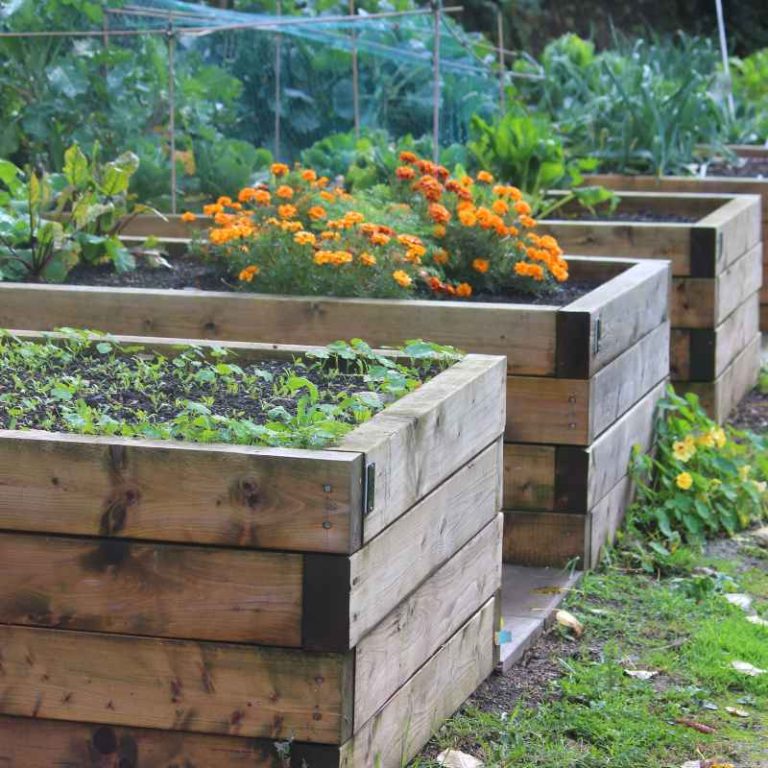
Raised beds or row-by-row applications can help manage different pH and nutrient needs within the same garden space, maximizing productivity and minimizing risk.
Real-world Example: Crop Rotation And Ash Use
The Royal Horticultural Society recommends rotating ash applications to avoid pH buildup. For example, apply ash to brassica beds one year, then switch to tomatoes and carrots the next ([RHS](https://www.rhs.org.uk/garden-advice/profile?pid=208)).
This cycle helps maintain balanced soil chemistry and ensures that sensitive crops are not exposed to excess alkalinity.
Environmental And Health Considerations
Wood ash use is not just about plant nutrition—it impacts environmental health and safety.
Safe Sourcing And Handling
- Avoid treated wood: Ash from plywood, construction lumber, or painted surfaces may contain toxins. Even minimal contamination can render garden produce unsafe.
- Wear protective gear: Gloves, mask, goggles. This is especially important when handling large quantities or working on windy days.
Impact On Waterways
Excess ash can leach into groundwater or run off into streams, especially after heavy rain.
- Limit application: Avoid excess, especially near water sources. Nutrient and alkalinity runoff can harm aquatic ecosystems, causing algal blooms and fish kills.
- Buffer zones: Maintain distance from rivers, ponds. A minimum 10-foot buffer is recommended by many environmental agencies.
Regulatory Guidelines
Some states regulate ash disposal and use. Check local guidelines before large-scale applications.
- EPA recommendations: Only use pure wood ash, avoid over-application ([EPA](https://www.epa.gov/smm/wood-ash-reuse)). Regulations may be stricter for commercial or community gardens.
Following local rules helps protect both human health and the broader environment.
Case Study: Community Awareness Campaign
A gardening group in Michigan launched an educational campaign after members used ash from treated wood, resulting in contaminated soil and crop losses. The group now promotes soil testing and sourcing education before ash application.
This underscores the importance of community education and transparent communication in shared garden spaces.
Frequently Asked Questions
Is Wood Ash A Good Fertilizer For All Vegetables?
No. While wood ash boosts potassium and calcium, it is not suitable for acid-loving vegetables like potatoes and blueberries. Always check soil pH and crop needs before applying.
How Much Wood Ash Should I Use In My Vegetable Garden?
Apply 5–10 lbs per 100 sq ft annually for most vegetables. Avoid exceeding 20 lbs per 100 sq ft. Always incorporate ash into the soil and retest pH after application.
Can Wood Ash Cause Harm To My Soil Or Crops?
Yes. Over-application may raise pH too high, leading to nutrient lockout and increased disease risk (such as potato scab). Ash from treated wood can introduce toxins.
How Can I Safely Handle And Store Wood Ash?
Store wood ash in airtight containers away from moisture. Wear gloves, goggles, and a mask when handling to prevent skin and respiratory irritation.
Are There Alternatives To Wood Ash For Boosting Potassium In Vegetable Gardens?
Yes. Alternatives include potassium sulfate and composted manure. These provide potassium without raising soil pH as dramatically as wood ash ([Wikipedia](https://en.wikipedia.org/wiki/Potassium_sulfate)).
Wood ash can be a powerful, sustainable amendment for vegetable gardens—when used with care and knowledge. Understanding your soil, crops, and ash source is essential to avoid pitfalls and maximize benefits. By following best practices, testing your soil, and respecting crop preferences, you can harness wood ash to boost yields, recycle waste, and promote garden health. Always remember: moderation, testing, and education are the keys to success in using wood ashes for vegetable gardening.