What Mulch is Safe for Vegetable Gardens
Choosing the right mulch for your vegetable garden is more than just a cosmetic decision—it impacts soil health, plant growth, pest control, and harvest quality. As interest in sustainable gardening surges, so does the awareness that not all mulches are created equal. Some can introduce toxins, suppress beneficial organisms, or even stifle your veggies’ progress. Home gardeners, market growers, and landscapers alike face the challenge: which mulch is truly safe for vegetable gardens ?
This guide explores the science and real-world experiences behind the most popular mulch types, debunking myths and highlighting proven methods. We’ll dive into organic and inorganic options, weigh their pros and cons, and help you avoid costly mistakes. Whether you’re growing tomatoes in raised beds or carrots in open rows, mastering mulch selection can transform your yields and garden health.
Let’s uncover the best, safest mulches for your vegetables—and the ones you should absolutely avoid.
Key Takeaways
- Organic mulches like straw, wood chips, and compost are generally safest for vegetable gardens, promoting soil fertility and moisture retention.
- Some inorganic mulches (like landscape fabric) can be safe, but others may leach chemicals or block necessary soil processes.
- Avoid mulches with potential contaminants, such as dyed wood chips, treated lumber, or fresh manure.
- Proper mulch depth, sourcing, and timing are critical for maximizing benefits and minimizing risks.
- Real-world case studies show mulch choices can impact yield, pest management, and soil structure.
- Expert recommendations and scientific studies inform best practices for mulch selection and application.
Understanding Mulch: Types And Functions
Mulch is any material spread over the soil surface to cover and protect it. Its primary functions include moisture retention, weed suppression, temperature regulation, and soil improvement. Mulches fall into two broad categories: organic and inorganic.
Organic Mulches
These are derived from natural sources and decompose over time, enriching the soil with nutrients. Their decomposition not only contributes to the soil’s fertility but also improves its structure, aeration, and water-holding capacity. Over several seasons, repeated use of organic mulch can lead to dark, crumbly, earthworm-rich soil—a sign of a truly healthy garden ecosystem.
- Straw: Clean, seed-free straw is widely used for vegetable gardens, especially for tomatoes, peppers, and potatoes. It’s lightweight and easy to handle, making it accessible for gardeners of all ages and abilities. Straw also forms a loose, airy mat that allows rain and irrigation water to seep through easily.
- Wood chips: Made from branches, bark, or whole trees. Often used in paths or perennial beds, but with caution in annual beds. Wood chips are particularly beneficial for long-term soil building and can suppress even aggressive perennial weeds when applied thickly.
- Grass clippings: Provide nitrogen, but must be free from herbicides and applied in thin layers. Clippings are a fast-acting mulch, breaking down quickly and providing a gentle nitrogen boost to the soil. They’re best used on fast-growing crops like corn or squash.
- Compost: Fully decomposed organic matter, excellent for soil enrichment. Compost is unique in its dual role as both mulch and fertilizer, and it supports a diverse soil microbiome.
- Leaves: Shredded leaves are ideal for mulching in fall or early spring. Leaves are high in trace minerals and, when shredded, create a fluffy mulch layer that’s easy for tender seedlings to push through.
Inorganic Mulches
These do not decompose or enrich the soil and are mainly used for weed control and moisture retention. Their longevity can be an asset in certain situations, but they lack the soil-building benefits of organic mulches.
- Plastic film: Black, clear, or reflective; mainly for commercial use. Plastic mulches can alter microclimates for heat-loving crops but require careful management to avoid plastic pollution.
- Landscape fabric: Permeable synthetic sheets for weed suppression. Fabric is favored for its durability and ease of removal, making it suitable for both home and commercial gardens.
- Gravel or stone: Used in pathways or around perennial beds, not recommended for annual vegetables. While these materials can provide long-term weed suppression and erosion control, they can make soil amendments and planting more difficult.
Functions Of Mulch
Mulch serves several purposes:
- Retains soil moisture by reducing evaporation, which is especially critical during hot, dry periods or in drought-prone climates. Studies show mulched soil can retain up to twice as much water compared to bare soil.
- Suppresses weeds by blocking light, limiting competition for nutrients and water. A well-mulched bed can reduce the need for weeding by up to 80%.
- Regulates soil temperature—keeping roots cooler in summer and warmer in winter. This buffering effect is especially valuable in regions with dramatic temperature swings.
- Prevents soil erosion and compaction by cushioning rain impact and foot traffic, maintaining soil structure and preventing loss of topsoil.
- Enhances soil structure (organic mulches only), leading to improved root development and increased microbial diversity.
- Supports beneficial organisms like earthworms and microbes. A thriving soil food web is essential for long-term fertility and disease suppression.
Understanding these functions is essential for selecting a mulch that is both safe and effective for your vegetable garden.
Safe Organic Mulch Options For Vegetable Gardens
Organic mulches are generally favored in vegetable gardens for their ability to feed the soil and support healthy plant growth. However, not all organic mulches are equally safe. Below are the top choices, with details on their benefits, risks, and real-world applications.
Straw
Straw is a classic mulch for vegetables, particularly popular in the Midwest and Northeast. It’s lightweight, easy to spread, and breaks down slowly. Importantly, straw should be free of weed seeds and chemical residues. Wheat, oat, and barley straw are commonly used.
Benefits:
- Suppresses weeds without smothering seedlings.
- Reduces water evaporation by up to 60% (University of Illinois Extension).
- Provides habitat for beneficial insects.
- Helps prevent soil splashing onto plants, reducing the spread of soil-borne diseases like early blight in tomatoes.
Risks:
- Straw containing seeds can cause weed problems.
- Beware of straw from fields treated with persistent herbicides (e.g., aminopyralid).
- If applied too thickly or before soil has warmed, straw can delay germination and early growth in spring.
Example: A community garden in Ohio reported 20% higher tomato yields after switching from plastic mulch to wheat straw. Gardeners also noted easier maintenance and improved fruit quality due to less soil splash.
Wood Chips And Bark
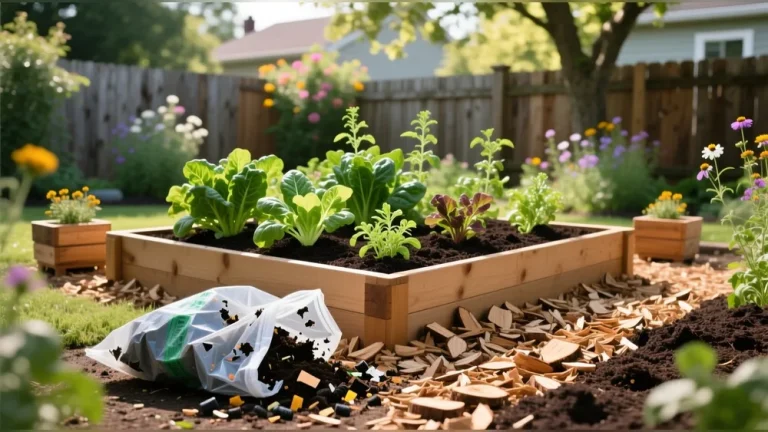
Wood chips offer excellent weed suppression and moisture retention. They are best for perennial vegetables (like asparagus or rhubarb) or garden paths, as fresh wood chips can temporarily tie up nitrogen when used directly in annual beds.
Benefits:
- Lasts longer than other organic mulches, often persisting for multiple seasons.
- Improves soil structure as it decomposes, encouraging a network of fungal hyphae that benefits root health.
- Can help moderate soil pH over time, depending on the tree species used.
Risks:
- Fresh wood chips may deplete soil nitrogen. To mitigate this, keep chips on the soil surface and avoid mixing them into the soil.
- Avoid chips from treated wood or painted lumber, which may contain toxic chemicals.
- Thick layers of wood chips can impede seedling emergence if used directly in planting beds.
Data: Research from the University of California Agriculture & Natural Resources found wood chips reduced weed growth by 90% in vegetable test plots, while also increasing soil moisture and suppressing surface erosion.
Compost
Compost is both a mulch and a fertilizer, making it ideal for vegetables. Fully decomposed compost can be spread in a 1–2 inch layer.
Benefits:
- Feeds soil microbes and plants, improving both short- and long-term fertility.
- Can suppress disease organisms by fostering beneficial microbial competition.
- Improves soil tilth, drainage, and aeration.
Risks:
- Incomplete compost may harbor pathogens or weed seeds, potentially introducing new problems to your garden.
- Sourcing from reliable, chemical-free producers is vital to avoid hidden contaminants.
- Over-application can lead to nutrient runoff or imbalances.
Example: Urban farms in Detroit found compost mulch improved carrot germination rates by 15% compared to bare soil. Additionally, compost mulch led to darker, more friable soil and improved root development across various crops.
Grass Clippings
Grass clippings are readily available and rich in nitrogen. Only use untreated grass (no pesticides or herbicides).
Benefits:
- Quick decomposition supports soil fertility, especially during the rapid growth phase of vegetables.
- Effective for fast-growing crops, as the nutrients are released quickly.
- Can be applied in successive thin layers throughout the growing season.
Risks:
- Thick layers can mat and inhibit water penetration, leading to anaerobic conditions and unpleasant odors.
- Fresh clippings may heat up and damage plants due to rapid decomposition.
- If sourced from treated lawns, clippings can introduce harmful chemicals.
Tip: Dry clippings before applying; layer no more than 1 inch at a time. For best results, mix with dry leaves or straw to balance moisture and carbon content.
Shredded Leaves
Leaves are abundant in autumn and can be shredded for quicker breakdown. They supply trace minerals and organic matter.
Benefits:
- Improves soil texture and aeration, encouraging deep root systems.
- Attracts earthworms, which further enhance soil fertility.
- Provides a free, renewable resource for most gardeners.
Risks:
- Whole leaves can mat and block water and air, especially in wet climates.
- Oak leaves are acidic; use sparingly or mix with other leaves to avoid acidifying the soil over time.
- Leaves from diseased trees can spread pathogens if not composted first.
Example: In Vermont, shredded leaf mulch reduced irrigation needs by 30% in squash beds. Gardeners also noted fewer weeds and improved soil tilth in subsequent seasons.
Comparison Table: Organic Mulch Safety And Effectiveness
| Mulch Type | Safety for Vegetables | Weed Suppression | Soil Improvement | Potential Risks |
|---|---|---|---|---|
| Straw | High | Good | Moderate | Herbicide residues, weed seeds |
| Wood Chips | Moderate (perennials) | Excellent | Good | Nitrogen depletion, treated wood |
| Compost | High | Moderate | Excellent | Pathogens, incomplete compost |
| Grass Clippings | High (untreated) | Good | Good | Pesticide residue, matting |
| Shredded Leaves | High | Good | Good | Matting, acidity |

Inorganic Mulch: Safe And Unsafe Choices
While organic mulches dominate vegetable gardens, some inorganic options can be safe if used correctly. However, others pose significant risks due to chemical leaching or interference with soil biology.
Plastic Mulch
Plastic film is common in commercial vegetable production—especially tomatoes, peppers, and melons. Black plastic warms the soil and suppresses weeds.
Benefits:
- Increases soil temperature by 5–10°F, speeding up early growth and extending the growing season for heat-loving crops.
- Reduces weed emergence by 95%, minimizing competition for water and nutrients.
- Limits soil splashing, reducing risk of some foliar diseases.
Risks:
- Does not break down; disposal is problematic, contributing to plastic pollution if not managed responsibly.
- Can promote water runoff and reduce soil life by creating an impermeable barrier.
- Requires drip irrigation or targeted watering to ensure plants receive adequate moisture.
Example: Florida growers use plastic mulch to increase tomato yields, but must rotate crops and dispose of film responsibly. Some are transitioning to biodegradable plastics to reduce environmental impact.
Landscape Fabric
Landscape fabric is a woven or spun synthetic that blocks weeds while allowing water and air through.
Benefits:
- Durable, reusable for several seasons, making it cost-effective for multi-year projects.
- Effective for weed control in raised beds, especially when combined with an organic mulch layer on top.
- Allows for easy removal and replanting between crop cycles.
Risks:
- Can restrict root growth if improperly installed or if roots become entangled with the fabric.
- May degrade and release microplastics, particularly lower-quality products.
- Weeds can sometimes root into the fabric over time, making removal difficult.
Tip: Use only commercial-grade fabric; avoid plastic sheeting for edible beds. Cover fabric with a thin organic mulch to prevent UV degradation.
Gravel And Stone
Gravel is rarely used in vegetable gardens except for paths. It does not improve soil and can overheat nearby plants.
Risks:
- Increases soil temperature, which can stress cool-season crops.
- No organic benefit or contribution to soil health.
- Difficult to remove if you want to replant or amend the soil.
Data Table: Inorganic Mulch Safety
| Mulch Type | Safety for Vegetables | Benefits | Risks |
|---|---|---|---|
| Black Plastic | Moderate (short-term) | Weed suppression, soil warming | Chemical leaching, disposal issues |
| Landscape Fabric | High (quality fabric) | Weed suppression, water penetration | Microplastics, root restriction |
| Gravel/Stone | Low | Pathways only | Heat, no soil benefit |
Unsafe Inorganic Mulches
- Dyed wood chips: Often colored with chemicals, many of which are not food-safe and can leach into the soil, contaminating edible crops.
- Rubber mulch: Made from recycled tires, can leach heavy metals and toxins, and has been linked to fire risks and soil contamination.
- Treated lumber chips: May contain arsenic or other preservatives hazardous to edible crops, posing serious health risks if used around vegetables.

Mulch Sourcing: Avoiding Contaminants And Toxins
Mulch safety is not just about material—it’s about sourcing. Many mulch problems arise from contaminated products. Here’s how to ensure your mulch is safe for vegetables:
Avoid Persistent Herbicides
Some hay, straw, and manure are contaminated with persistent herbicides like aminopyralid, clopyralid, or picloram. These chemicals can survive composting and harm sensitive crops for years.
How to avoid:
- Buy straw/hay from trusted, certified organic sources, or ask for a statement of herbicide-free status.
- Ask suppliers about herbicide use, and request recent spray records if available.
- Test suspect mulch by growing beans in a sample before applying—a simple greenhouse test can reveal herbicide contamination in as little as two weeks.
Check Wood Chip Sources
Wood chips from urban tree trimming or lumber yards may contain treated wood, paint, or chemicals.
Tips:
- Use chips from untreated, unpainted branches. Arborist chips are generally safe if sourced from healthy trees.
- Avoid chips from demolition or construction debris, as these are likely to have been chemically treated.
Compost Quality
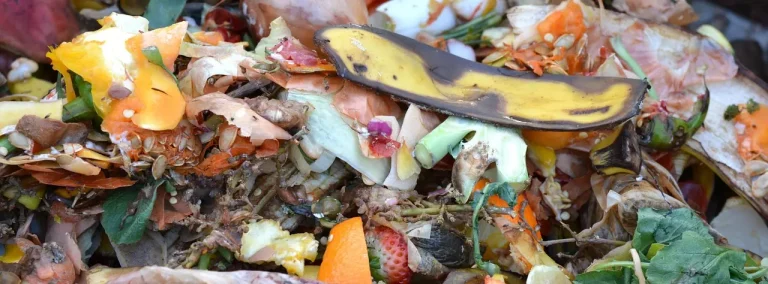
Compost should be fully decomposed, free from weed seeds and pathogens. Home compost is safest if you control inputs.
Tips:
- Compost kitchen scraps, leaves, grass, but avoid meat, dairy, and diseased plants to minimize disease risk.
- Buy from certified organic producers for large quantities, and ask about their feedstocks and composting temperatures.
Grass Clippings And Leaves
Only use untreated, pesticide-free grass clippings and leaves.
Tips:
- Avoid lawns recently sprayed with weedkillers or insecticides. Wait at least three mowings after any chemical application before collecting clippings.
- Collect leaves from clean areas, not roadside trees, to avoid heavy metal contamination from exhaust or dust.
Real-world Case Study
In 2016, a California market garden experienced crop losses after applying straw mulched with aminopyralid-contaminated manure. Soil tests confirmed herbicide residues, leading to a switch to locally-sourced, certified organic straw. Crop health and yields improved within one season. This underscores the importance of due diligence in sourcing mulch, especially for market growers and community gardens.
Mulch Application: Best Practices For Vegetable Gardens
Proper mulch application ensures maximum benefits and minimizes risks. Here are best practices for safe mulching:
Timing
Apply mulch after soil has warmed in spring and plants are established. Too early mulching can delay germination and growth, particularly for heat-loving crops.
- For cool-season crops, consider delaying mulch until seedlings are 2-3 inches tall.
- In hot climates, mulch can be applied earlier to conserve moisture and reduce soil temperatures.
Depth
- Straw, leaves, wood chips: 2–3 inches deep for effective weed suppression and moisture retention.
- Compost, grass clippings: 1–2 inches to avoid overheating or excessive nitrogen release.
- Plastic mulch/fabric: Lay flat over beds; secure edges to prevent wind displacement and weed incursion.
Too thick a layer can suffocate plants or inhibit moisture penetration, while too thin a layer may not effectively suppress weeds or retain moisture.
Placement
- Keep mulch 1–2 inches away from plant stems to prevent rot and discourage pest infestations such as slugs and cutworms.
- Mulch entire bed or around individual plants, focusing on the root zone where moisture and weed control are most needed.
Maintenance
- Replenish organic mulch as it decomposes, usually once per season for most materials.
- Remove or replace mulch contaminated by disease or pests to prevent spread through the garden.
- Fluff matted mulch occasionally to maintain airflow and water penetration.
Common Mistakes
- Using contaminated mulch (herbicides, treated wood).
- Applying mulch too thick or too early, which can suppress germination and foster disease.
- Mulching with fresh manure (pathogen risk), which should always be composted before use.
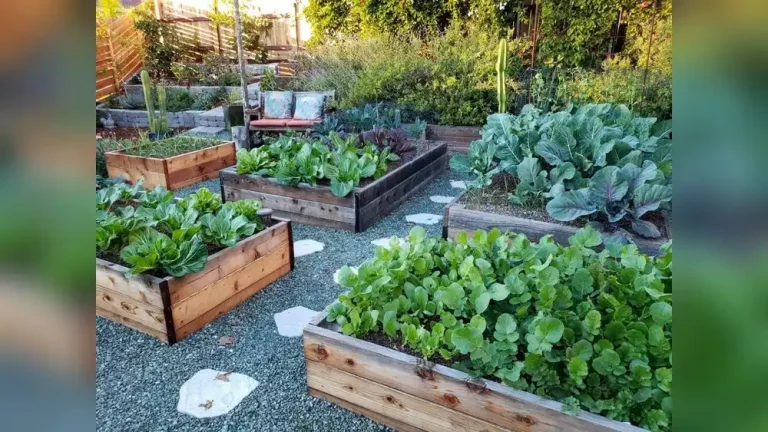
Example: Raised Bed Mulching
A Seattle urban gardener mulched raised beds with shredded leaves in spring, followed by a thin layer of compost in mid-summer. The result: reduced watering frequency, improved lettuce yields, and a noticeable increase in earthworm activity by autumn.
Mulch And Soil Health: Impact On Microbes And Nutrients
Mulch can dramatically affect soil biology and nutrient cycling. Safe mulch choices promote thriving soils.
Microbial Activity
Organic mulches feed soil microbes, boosting nutrient availability and disease resistance.
- Straw and leaves encourage earthworm activity, which increases soil aeration and mixing.
- Compost increases beneficial bacteria and fungi, suppressing pathogens and enhancing nutrient cycling.
- Wood chips foster fungal networks important for perennial vegetables, supporting long-term soil health.
Nutrient Cycling
Mulch decomposition releases nutrients gradually:
- Compost: Immediate nutrient boost, ideal for heavy feeders and rapid growth.
- Straw and leaves: Slow release of minerals, supporting steady plant growth through the season.
- Wood chips: Slowest, but improves soil structure, moisture retention, and long-term fertility.
Soil Structure
Mulched beds resist compaction and erosion, supporting root development.
Data: A 2020 study from the University of Minnesota Extension found mulched beds had 15% higher organic matter and 30% more earthworms than unmulched beds, leading to greater water infiltration and improved root development.
Mulch And Disease Management
Mulch can suppress soil-borne pathogens by reducing splash and supporting beneficial microbes. However, improper mulch (e. g. , diseased plant debris) can spread disease.
Tip: Avoid mulching with leaves or clippings from diseased plants. Always compost diseased material thoroughly before use.
Real-world Examples: Mulch Choices In Action
Case Study 1: Straw Mulch In Tomato Production
A commercial tomato grower in Indiana switched from black plastic mulch to straw mulch in 2018, citing environmental concerns. Over three seasons, straw mulch reduced irrigation needs by 40% and increased yields by 15%, while maintaining soil health and suppressing weeds.
The grower also reported fewer incidents of blossom end rot and less soil compaction, highlighting the multiple benefits of organic mulch.
Case Study 2: Compost In Urban Vegetable Beds
A community garden in New York City applied 1-inch compost mulch to raised beds each spring. Gardeners reported fewer weeds, improved carrot germination, and higher yields of leafy greens. Soil tests showed increased organic matter and reduced compaction. The positive results encouraged gardeners to invest in on-site composting systems, further closing the loop on sustainability.
Case Study 3: Wood Chips In Perennial Vegetable Rows
A permaculture farm in Oregon used wood chip mulch around asparagus and rhubarb. Over five years, soil organic matter increased by 25%, and perennial vegetable productivity improved. However, annual vegetables in chip-mulched beds showed minor nitrogen deficiency, confirming the need to restrict wood chips to perennials.
The farm now integrates wood chips in perennial beds and uses compost or straw for annuals.
Comparing Mulch Costs, Longevity, And Labor
Selecting mulch involves balancing cost, durability, and effort. Here’s a data-driven comparison:
| Mulch Type | Average Cost (per cubic yard) | Longevity | Labor Requirement |
|---|---|---|---|
| Straw | $35–$50 | 1 season | Low |
| Wood Chips | $20–$40 | 2–3 seasons | Moderate |
| Compost | $30–$60 | 1 season | High |
| Grass Clippings | Free | 1 season | Low |
| Shredded Leaves | Free | 1 season | Low |
| Plastic Mulch | $40–$80 | 1 season | Moderate |
| Landscape Fabric | $50–$100 | 3+ seasons | Moderate |
Tip: Local sources and community gardens often offer free or discounted mulch materials. In many areas, city or county yard waste programs offer free wood chips or compost to residents.
Expert Recommendations And Scientific Studies
Reliable mulch selection is guided by research and expert advice. The following sources provide authoritative guidance:
- The University of California Agriculture & Natural Resources recommends straw, compost, and leaves as safe mulches for vegetables (UCANR).
- Cornell University advises against dyed wood chips and rubber mulch in edible beds (Cornell Gardening).
- The USDA supports organic mulches for soil health, cautioning against persistent herbicides (USDA NRCS).
- For home composting, the EPA offers detailed safety guidelines (EPA Composting).
- Royal Horticultural Society lists straw, compost, and leaves as best for vegetables (RHS Mulches).
- For herbicide testing, Washington State University provides protocols (WSU Extension).
Frequently Asked Questions
Is Dyed Mulch Safe For Vegetable Gardens?
Dyed mulch, especially red or black wood chips, often contains synthetic chemicals not tested for food safety. Studies show these dyes can leach into soil and may be absorbed by vegetables. For edible gardens, choose natural, undyed mulch like straw, leaves, or untreated wood chips.
Can I Use Fresh Manure As Mulch?
Fresh manure poses risks of pathogens (E. coli, Salmonella) and excessive nitrogen, which can burn plants. Always compost manure thoroughly before applying it as mulch to vegetables. Well-aged composted manure is safe and beneficial.
What’s The Best Mulch For Tomatoes?
Straw is widely regarded as the best mulch for tomatoes due to its clean, seed-free nature and ability to suppress weeds and retain moisture. Compost is also effective, but avoid wood chips directly around annual tomato plants due to nitrogen tie-up.
Are Wood Chips Safe For Root Vegetables?
Wood chips are best for perennial crops, not annual root vegetables. Fresh chips can deplete soil nitrogen and interfere with carrot, beet, or potato growth. If using wood chips, apply only to paths or perennial beds, and ensure chips are from untreated wood.
How Deep Should Mulch Be Applied In Vegetable Beds?
Optimal mulch depth is 2–3 inches for straw, leaves, and wood chips; 1–2 inches for compost or grass clippings. Too thick a layer can smother plants or inhibit water penetration. Keep mulch away from plant stems to prevent rot.
Selecting the right mulch for your vegetable garden is critical for both plant health and soil vitality. By prioritizing organic, contaminant-free materials—such as straw, compost, grass clippings, and shredded leaves—you can boost yields, reduce labor, and ensure safe harvests. Avoid dyed mulches, rubber, and treated wood, and always source from trusted suppliers. When applied with care and knowledge, mulch transforms your vegetable garden into a thriving, sustainable ecosystem—one that rewards you with healthy crops and resilient soil for years to come.