How to Store Fresh Vegetables After Harvest
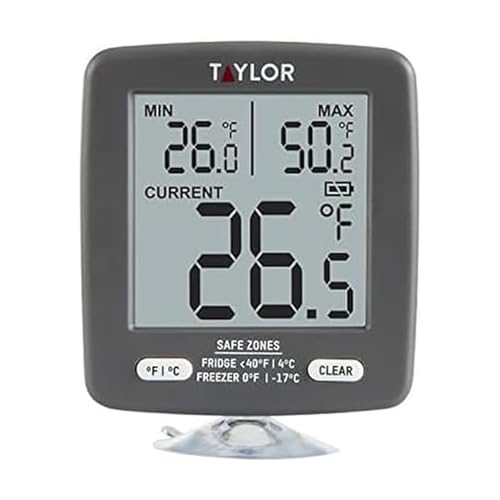
Store harvested vegetables by crop type: keep cool-season roots at about 32–40°F with high humidity, fruiting crops near about 45–55°F, and ethylene-sensitive greens away from apples and ripe tomatoes. Poor storage speeds wilting, flavor loss, sprouting, and rot, which can cut shelf life from days to hours. This guide explains the right temperature, humidity, light, and container setup for common garden vegetables, plus the failure signs that tell you when storage is going wrong.
Why harvested vegetables keep changing

Vegetables are still alive after harvest, so they keep using oxygen, water, and stored sugars. They can respond to light-dark cycles after being picked, and the clock-related behavior is described as circadian rhythm. In constant light, that rhythm can weaken, while phytonutrients may continue to shift across the day.
That matters because storage is not only about slowing decay. It also limits the conditions that drive water loss, softening, sprouting, and the loss of flavor compounds. The best setup depends on crop type, because a carrot, a lettuce head, and a squash do not fail in the same way.
How circadian rhythm continues after picking
Post-harvest vegetables can still react to outside conditions after removal from the plant. The cited research uses cabbage as the example crop, and it shows that cabbage levels of phytonutrients change throughout a daily cycle. The discussion also includes broccoli and cauliflower as related vegetables in the same brassica group.
The practical point is simple: if a crop still has a biological clock, storage conditions may affect more than shelf life alone. The researcher says plants use circadian clocks partly for seasonal preparation, and plants can be more resistant to insects if their clocks function properly.
Why light and darkness matter in storage
Should vegetables be stored in light or darkness after harvest? For most leafy produce, reduced light or darkness is the safer choice. Constant light in storage can dampen circadian rhythms, so the research does not support leaving all vegetables under bright light after picking.
That does not mean light is always bad in every case. It means the evidence points toward using light-dark timing as a biological signal, while practical storage still has to prioritize cool temperatures, humidity control, and airflow. Treat light as a possible modifier, not as the main storage tool.
Cool and sort produce first
After harvest, cool vegetables promptly and sort out damaged pieces before storage. Field heat speeds moisture loss and decay, and one bruised item can seed rot in the rest of the batch. Match handling to the crop: leaves need fast cooling, roots need gentle cleaning, and fruiting vegetables need dry surfaces and airflow.
Remove field heat as soon as you can
- Move harvested vegetables out of sun and wind exposure right away.
- Brush off loose soil instead of soaking roots unless the crop needs washing.
- Pre-cool to refrigerator temperature or a cool cellar as soon as possible.
- Keep wet produce from touching dry produce until surfaces are dry.
Separate damaged pieces before they spread decay
Check for cuts, insect holes, split skins, slimy patches, and softened ends. Remove any piece that already smells sour or shows visible mold. Spoilage spreads faster when damaged tissue sits next to intact produce, especially in warm or humid storage.
A common first-timer mistake is packing a whole crate of carrots with one cracked root still attached. If that root starts to leak moisture, the surrounding vegetables pick up dampness and odor, and the whole batch goes downhill faster.
Match handling to roots, leaves, and fruits
Root crops usually tolerate a little soil and like humid, cool conditions. Leafy greens are the most vulnerable to wilting and need darkness or very low light. Fruiting vegetables such as peppers and tomatoes usually need drier storage and gentler airflow than roots.
Vegetable storage matrix
Use this matrix as a starting point, then adjust for your kitchen, refrigerator, cellar, or garage. If a crop has a known exception, the crop-specific guidance below takes priority. The spoilage signs are the first things to watch for, because they usually show up before total collapse.
| Vegetable group | Ideal temperature band | Humidity goal | Packaging method | Storage location | Common spoilage sign |
|---|---|---|---|---|---|
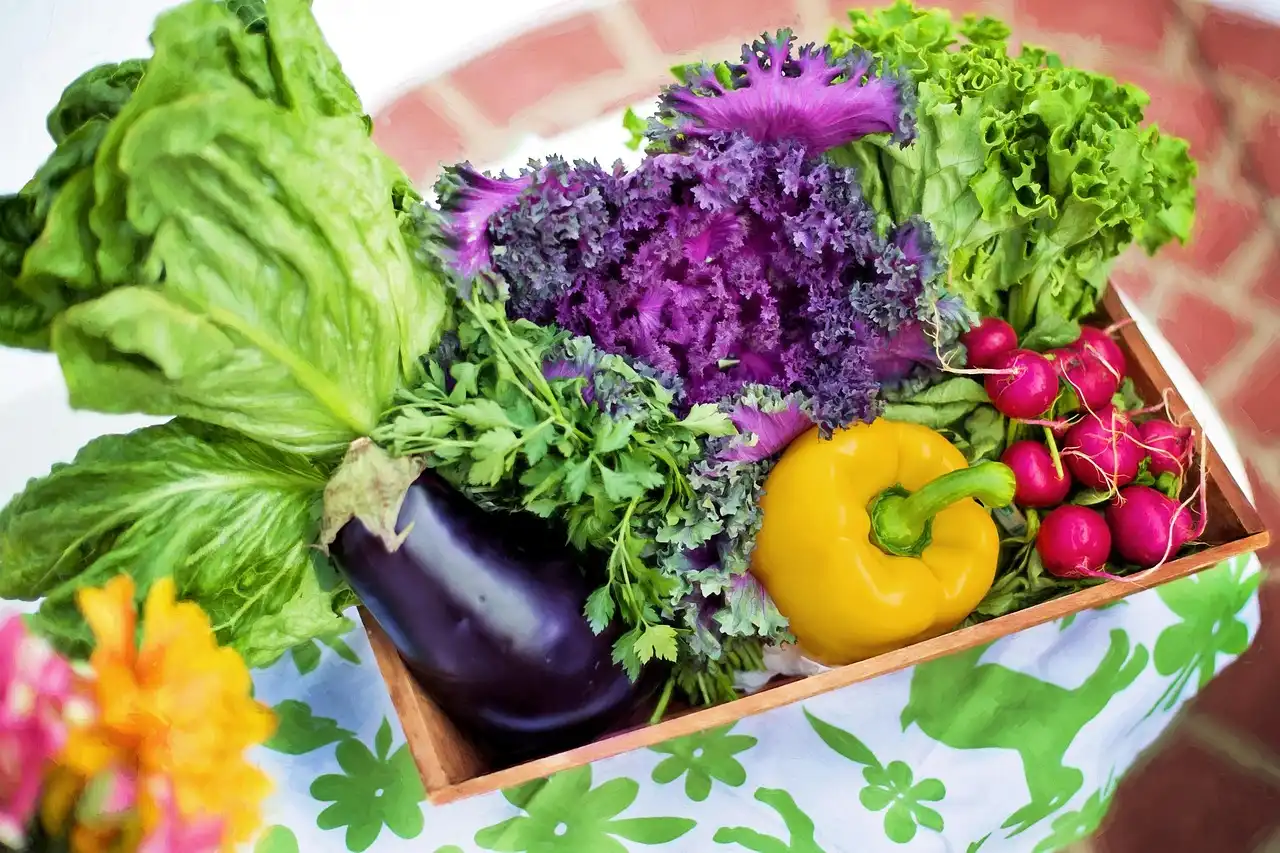
| Leafy greens | 32–40°F | High, about 95% | Vented bag or wrapped container with a dry paper towel | Refrigerator crisper, dark shelf, or covered bin | Wilted leaves, slimy spots, yellowing |
| Root crops | 32–40°F | High, about 90–95% | Loose in perforated bag, box, or damp sand for cellar storage | Refrigerator, root cellar, or cool garage | Limp texture, shriveling, soft rot, cracking |
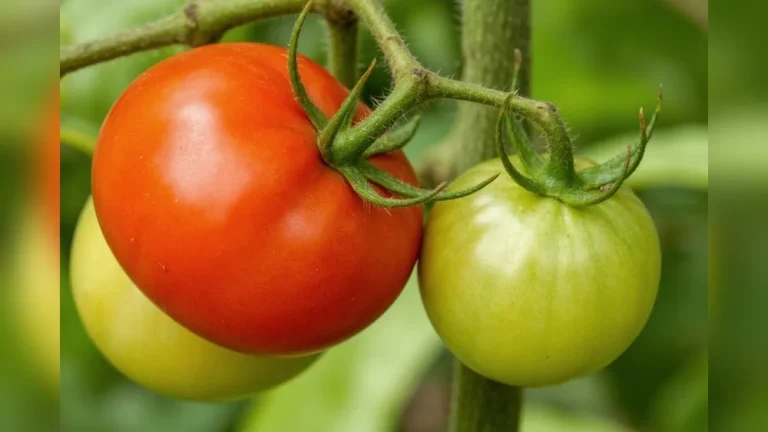
| Fruiting vegetables | 45–55°F | Moderate | Open basket, shallow tray, or loose in a paper bag | Cool pantry, garage, or refrigerator if room is warm | Wrinkling, pitting, soft spots |
| Brassicas and cabbage | 32–40°F | High, about 90–95% | Perforated bag or covered container with some air exchange | Refrigerator or cellar with controlled moisture | Outer-leaf yellowing, odor, condensation rot |
| Beans and similar pods | 40–45°F | Moderate to high | Breathable bag, not sealed wet | Refrigerator | Rubbery pods, blackening, slime |
| Squash | 50–55°F | Low to moderate | Loose storage, single layer | Cool pantry, garage, or cellar | Soft stem end, mold, sunken spots |
How do you store vegetables by type?
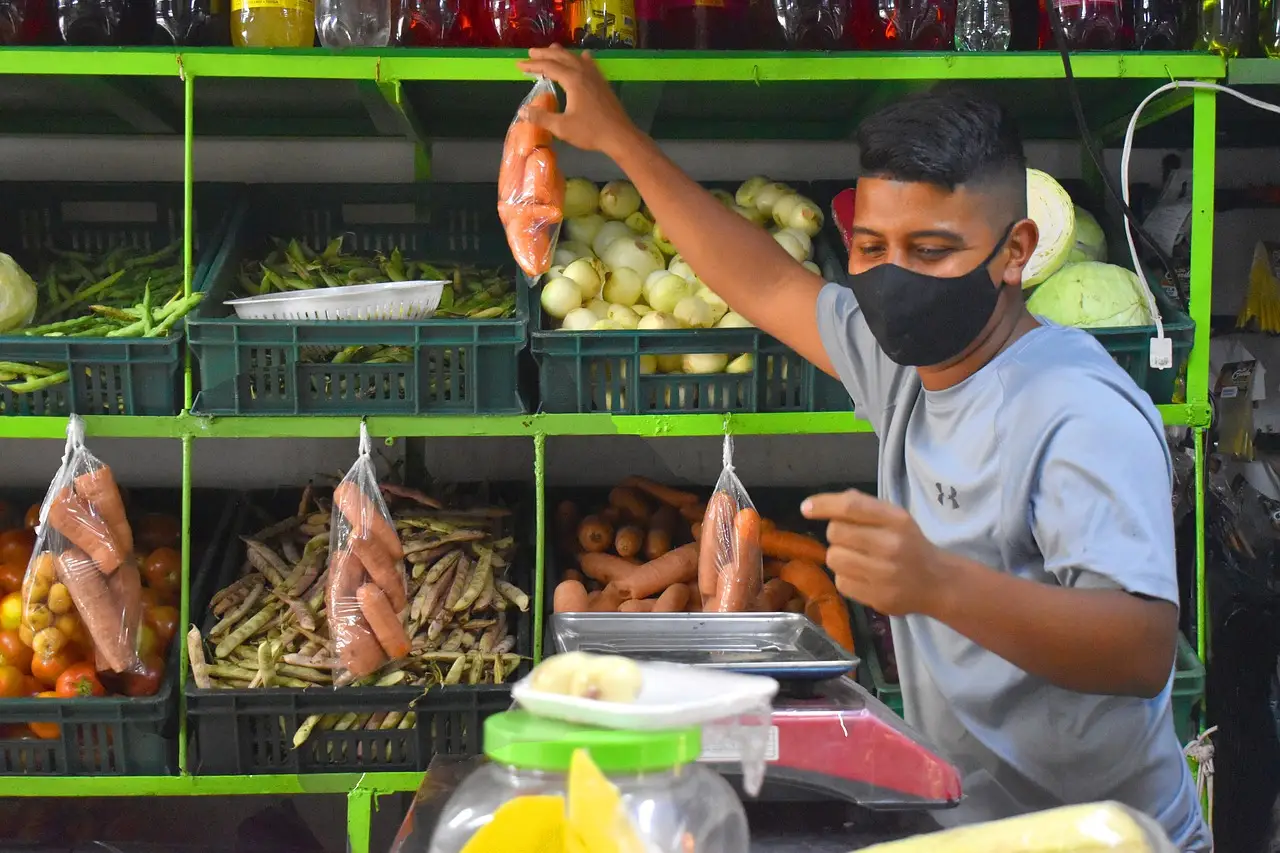
Store vegetables by matching the crop to the place, not by treating everything like refrigerator produce. Refrigerator storage works well for many greens, roots, and brassicas. Root-cellar or garage storage suits some roots and squash. Countertop holding is only for short periods, especially for crops that wilt quickly.
Refrigerator, root cellar, garage, or countertop
Use the refrigerator for leafy greens, carrots, broccoli, cauliflower, radishes, and peas when the room is warm. Use a root cellar or cool garage for carrots, beets, turnips, cabbage, and winter squash if the space stays cool and does not freeze. Keep tomatoes, peppers, and cucumbers only as long as their quality holds, then move them to a cooler place if the room is hot.
Countertop storage is mainly a short-term holding strategy. It works best for produce that will be cooked soon, or for crops that lose quality in the fridge when held too cold and too long.
Packaging choices that slow wilting and rot
Packaging should slow moisture loss without trapping wetness. A vented bag or loosely closed container usually works better than a sealed plastic bag for most produce. Paper towels help absorb extra moisture around washed greens, while perforated bags help maintain humidity without forcing condensation onto the leaves.
Which crops should never be sealed wet? Any leafy green, bean, or brassica that is still damp. Wet sealing invites condensation, then slime and rot. Dry the surface first, or leave more air exchange.
How to keep greens fresh after picking
Wash greens only if you can dry them thoroughly. Then store them cold, dark, and slightly humid. The main goals are to slow respiration, prevent wilting, and avoid a soggy container that traps decay.
For most greens, remove field heat first, then wrap loosely in a dry towel or paper towel and place the bundle in a vented bag. Keep it in the crisper drawer or another dark, cool spot in the refrigerator.
Suppose you harvest a loose head of lettuce on a warm afternoon and leave it in a closed tub with visible droplets on the lid. By the next day, the leaves may be limp at the edges and the wet spots may turn slimy. Drying the leaves and opening the container slightly would change the outcome more than extra chilling alone.
How to store carrots after harvest
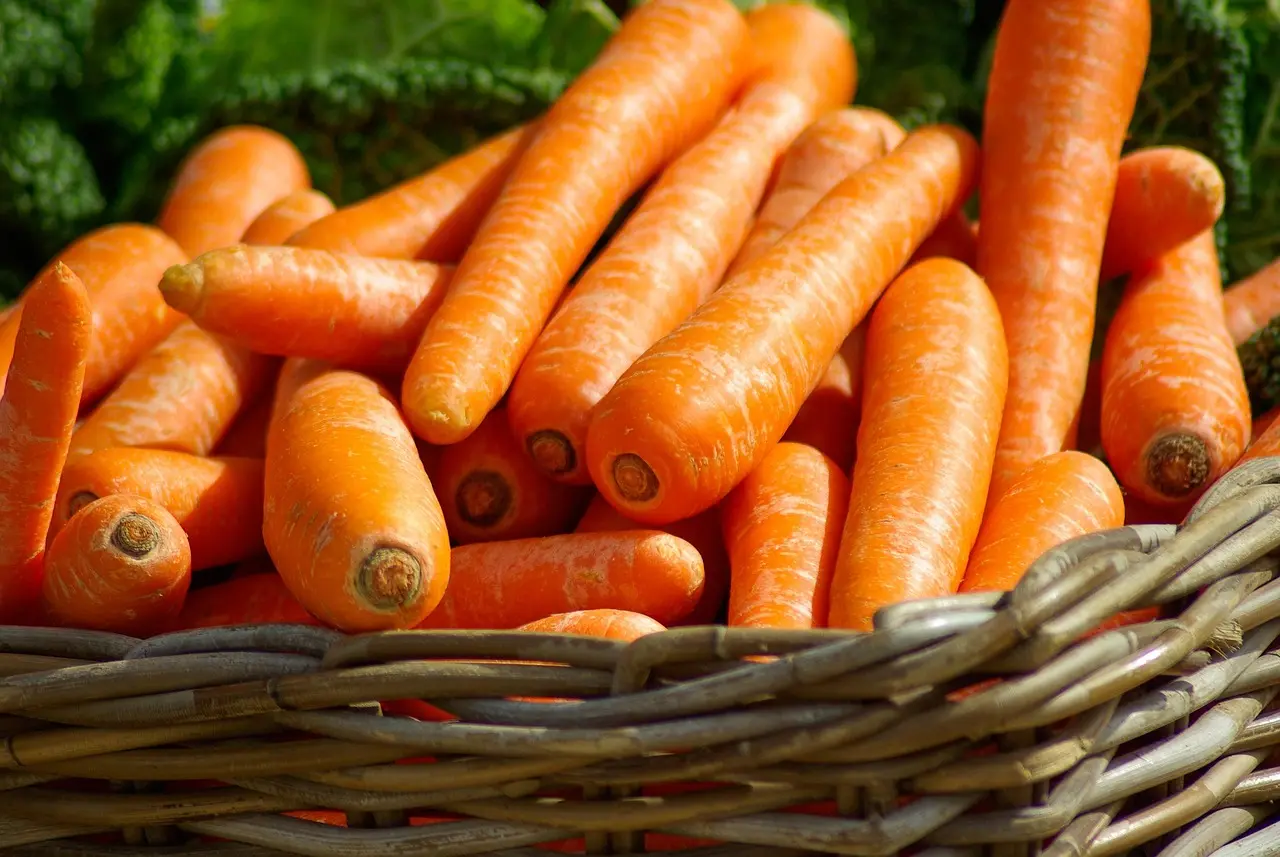
Trim carrot tops to slow moisture loss. The leafy tops pull water from the root after harvest, so leaving them attached shortens storage life. For long storage, keep carrots cool, humid, and unwashed unless you need them right away.
For short-term storage, loose carrots can sit in a perforated bag in the refrigerator. For longer storage, use damp sand or a cool root cellar if the temperature stays steady and above freezing. Watch for limp roots, soft spots, and cracking; those are early signs that the storage environment is wrong.
How to store fresh harvest carrots
Fresh harvest carrots store best when you avoid excess moisture on the skin but keep the surrounding air humid. A paper bag inside a crisper drawer can work for a few days. For longer holding, a box of damp sand keeps roots from drying out and helps preserve texture.
Do not wash carrots before long storage unless you can dry them completely. Any standing water inside a bag or box creates a condensation problem, and carrots can develop a soft, spotted surface long before they smell spoiled.
Brassicas and cabbage
Cabbage, broccoli, and cauliflower belong to the brassica group, which shares glucosinolate-type chemistry. Those compounds are tied to insect defense in the plant, and the discussion also links them to anti-cancer compounds in human diets. After harvest, the practical storage answer is still cool temperatures and controlled moisture.
Store cabbage in the refrigerator or a cellar where it can stay cool and humid without collecting droplets on the leaves. Keep heads intact until use if you can. Cut surfaces spoil faster, and loose outer leaves can yellow if they are held warm or bright.
Beans and squash
Beans need cool temperatures, but they do not like heavy sealing when they are wet. A breathable bag in the refrigerator helps prevent shriveling while limiting slime. Squash is different: it wants drier air and a warmer cool zone, such as a pantry or garage that stays around 50–55°F.
If squash is chilled too much, it can suffer chilling injury and lose texture. If beans are held too warm, they toughen and discolor quickly. Match the container to the crop and the room, not just to the nearest empty shelf.
What storage mistakes cause spoilage?
The most common storage failures are condensation, freezing injury, bruising, and ethylene exposure. Each one hits a different crop in a different way, but they all shorten shelf life. Regular checks matter because one damaged vegetable can speed the decline of the rest.
Condensation, freezing injury, and bruising
Condensation forms when warm produce enters a cold, closed container or when cold produce warms up and sweats. That moisture feeds mold and soft rot. Freezing injury shows up as water-soaked tissue, darkened patches, or a mushy texture after thawing. Bruising opens a path for decay even when the surface still looks intact.
Picture a crate of carrots left in an unheated garage during a hard freeze. The roots may look fine at first, then go rubbery or wet once they thaw. The problem is not only the cold; it is the freeze-thaw swing and the tissue damage that follows.
Ethylene-sensitive crops stored too close to emitters
Keep ethylene-producing produce away from sensitive vegetables. Apples, pears, and ripe tomatoes can speed yellowing, sprouting, or softening in nearby crops. Greens, broccoli, and many roots are better off stored apart from those emitters.
If space is limited, separate crops by shelf, bin, or bag. A simple divider can prevent one bruised fruit from aging the rest of the storage pile faster than expected.
When to check, cull, and repackage stored vegetables
Check stored vegetables regularly, especially after the first few days. Remove any spoiled piece right away, wipe out moisture, and repackage if the container is wet inside. The goal is to catch a single failure before it spreads to the whole batch.
That is especially useful for mixed storage in a fridge drawer or cellar box. If one carrot softens or one leaf turns slimy, the rest may still be fine if you sort them quickly and reset the humidity level.
Frequently asked questions
How do you store vegetables after harvest?
Store vegetables by type, not by habit. Roots usually want 32–40°F and high humidity, many fruiting vegetables do better near 45–55°F, and greens need cold, moist, low-light storage. Use breathable packaging for most crops and avoid sealing wet produce in plastic.
How do you keep greens fresh after picking?
Keep greens cold, slightly humid, and away from light. Wash only if you can dry them thoroughly, then place them in a vented bag or wrapped container with a paper towel. Any trapped water will turn into condensation and shorten shelf life fast.
Should vegetables be stored in light or darkness after harvest?
Most leafy vegetables should be stored in reduced light or darkness after harvest. Post-harvest vegetables can still respond to light-dark cycles, and constant light can dampen circadian rhythms. The practical rule is simple: use darkness or low light unless a crop-specific reason says otherwise.
Do vegetables still change after they are picked?
Yes. Vegetables are still alive after harvest and can respond to external conditions, including light-dark cycles. That means they keep respiring, losing water, and changing in texture and chemistry. Some brassicas also show daily shifts in phytonutrients after picking.