Is Preen Bad For Vegetable Gardens? The Truth Revealed
If you’re a passionate gardener, you know the battle against weeds is relentless. In pursuit of a tidy vegetable patch, many turn to commercial weed preventers like Preen. With its widespread use in ornamental beds, some gardeners wonder: Is Preen bad for vegetable gardens ? This question isn’t just about keeping weeds at bay—it’s about safeguarding the health of your food, your soil, and your family. Misinformation and confusion about pre-emergent herbicides abound, making it hard to know what’s truly safe.
This comprehensive guide cuts through the confusion, revealing the science behind Preen, its effects on vegetable gardens , and what experienced growers and researchers have discovered. Whether you’re considering Preen for the first time or reassessing your weed control strategy, this article delivers the insights you need.
We’ll explore product formulations, application timing, safety data, real-world case studies, and eco-friendly alternatives. By the end, you’ll have the facts to make the best decision for your garden’s productivity and your peace of mind.
Key Takeaways
- Preen is a brand of pre-emergent herbicides, with some formulas approved for use around certain vegetables, but not all.
- The main active ingredient, trifluralin, can harm seeds and young plants if misapplied.
- Timing, method, and product selection are critical for vegetable garden safety.
- Organic weed control options exist for those seeking chemical-free gardens.
- Understanding the risks and benefits allows for informed, safe gardening decisions.
Understanding Preen: What Is It And How Does It Work?
What Is Preen?
Preen is a well-known brand of pre-emergent herbicides, designed to stop weed seeds from germinating. It’s commonly used in flower beds, landscaping, and sometimes vegetable gardens. The product line includes both synthetic and organic options, with different active ingredients tailored to specific gardening needs.
Preen’s popularity comes from its ease of use and reputation for effectiveness. Gardeners often appreciate the time it saves compared to manual weeding, especially in larger beds or when dealing with persistent weed problems. The brand has evolved to address a variety of gardening scenarios, offering products for lawns, perennial beds, and vegetable gardens.
However, not all Preen products are created equal, and their suitability for edible gardens varies significantly.
How Preen Works
Preen’s primary mode of action is to create a chemical barrier in the top layer of soil. When weed seeds try to sprout, this barrier disrupts their cell division, preventing roots from developing. As a result, weeds never emerge above the soil line.
Most Preen products are pre-emergent—they do not kill existing weeds. Instead, they prevent new weeds from growing. This means timing is crucial: Preen must be applied before weed seeds germinate.
The effectiveness of Preen relies on precise timing. If applied too late, after weeds have already germinated, the product offers little benefit. Conversely, applying too early or at the wrong stage can harm desired crops, particularly if they are direct-seeded or newly sprouted.
Main Active Ingredients
The two most common active ingredients in Preen products are:
- Trifluralin (synthetic): Found in most traditional Preen formulations. Known for its effectiveness but also potential toxicity to certain plants. Trifluralin is a dinitroaniline herbicide, which is widely studied for its action on root development. It remains one of the most researched pre-emergent herbicides globally.
- Corn gluten meal (organic): Used in Preen’s natural line, it inhibits root development in seedlings. While considered safer for organic gardens, corn gluten meal is non-selective and may also inhibit the germination of vegetable seeds.
There are other formulations, but these are the most relevant to vegetable gardeners. For example, some Preen products are designed for lawns and contain additional herbicides or fertilizers, making them unsuitable for use around edible crops.
Application Methods
Preen is typically applied as a granular product. After spreading, it is watered in to activate the barrier. Application instructions vary by product and target plants, making label reading essential.
Proper application involves evenly distributing granules over the soil surface, followed by irrigation to move the active ingredient into the upper soil layer where seeds germinate. Skipping the watering step or applying an uneven layer can reduce effectiveness and may increase risks to your crops.
Many gardeners find using a handheld spreader helps with uniform application.
Regulatory And Safety Overview
In the United States, Preen products are regulated by the Environmental Protection Agency (EPA). Labels must specify where and how the product can be safely used. For example, Preen Garden Weed Preventer (trifluralin) may be labeled for use with certain established vegetables but not for direct-seeded crops.
The EPA requires extensive testing for toxicity, environmental fate, and residue in food crops before approving herbicides for use in vegetable gardens. These regulations are in place to minimize risks to human health and the environment. However, product approvals can change, and individual states may impose additional restrictions.
Always consult the latest regulatory information for your region.
For the latest regulatory information, see the EPA Pesticides official site.
The Science: Is Preen Harmful To Vegetables?
Preen’s Impact On Vegetable Plants
The main concern with using Preen in vegetable gardens is its effect on young seedlings and germinating seeds. Trifluralin, the active ingredient in classic Preen, is non-selective—it can inhibit root growth in both weeds and desired plants if applied incorrectly.
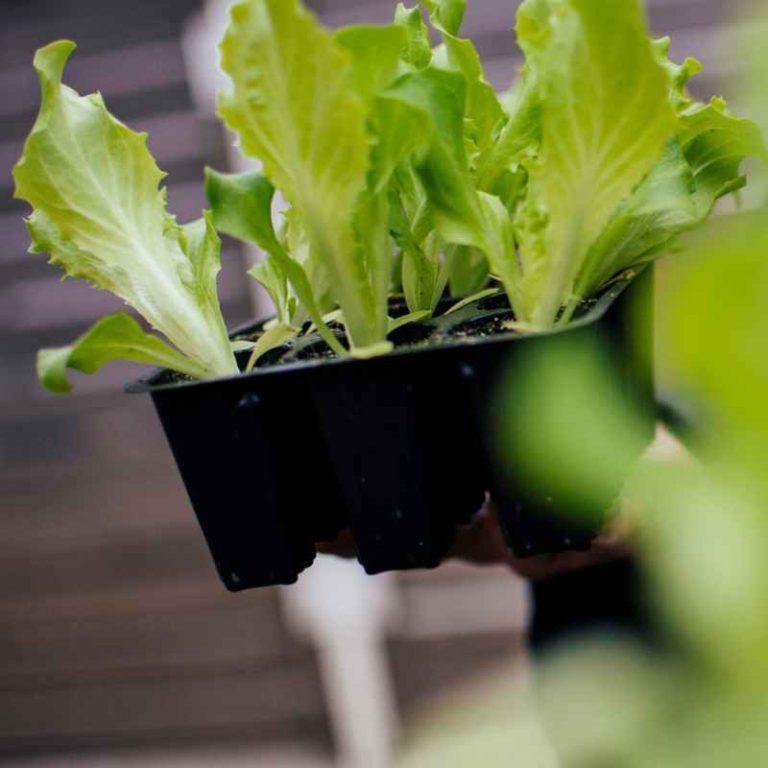
Sensitive vegetables, such as carrots, lettuce, and beans, are particularly vulnerable when seeds or seedlings come into direct contact with trifluralin. The herbicide interferes with microtubule formation in plant cells, a critical process during root development. This means even a minor application error or drift can lead to crop losses.
Additionally, root crops are at heightened risk because the edible portion develops in close proximity to the treated soil layer. Prolonged exposure can stunt growth, cause poor root formation, or in severe cases, lead to total crop failure.
Safe Use According To Research
However, research from land-grant universities, such as University of Minnesota Extension, confirms that trifluralin can be used safely around certain transplanted vegetables, provided:
- The vegetables are listed as safe on the Preen label
- Plants are well-established with robust root systems
- Preen is never applied to soil that will be seeded directly
These criteria are vital because established transplants have root systems that can better withstand the herbicide’s presence, reducing the risk of injury. The importance of following label directions cannot be overstated, as even minor deviations may increase the likelihood of crop damage.
Effects On Soil And Microbes
There is ongoing debate about pre-emergent herbicides and their impact on soil health. Most studies find that, when used as directed, trifluralin does not persist in the soil for more than a season. However, chronic overuse can reduce soil biodiversity and affect beneficial microorganisms.
In particular, soil fungi and bacteria that play key roles in nutrient cycling and disease suppression may be affected by repeated trifluralin applications. While a single, label-rate application is unlikely to cause lasting harm, gardeners focused on building long-term soil health should consider these potential effects.
Soil testing and observation of earthworm activity can help monitor impacts over time.
Data Table: Vegetable Crop Sensitivity To Trifluralin
| Vegetable | Direct-Seeded (Risk Level) | Transplanted (Risk Level) | Notes |
|---|---|---|---|
| Tomato | High | Low | Safe if transplanted and established |
| Carrot | High | N/A | Not recommended for direct-seeded root crops |
| Pepper | Moderate | Low | Apply after transplanting |
| Lettuce | High | Moderate | Risk of root inhibition in seedlings |
| Squash | Moderate | Low | Best for established plants |
Real-world Example: University Trials
A field trial by the Purdue University Weed Science team found that tomato and pepper transplants showed no reduction in yield when Preen was applied according to the label. However, direct-seeded beans and carrots experienced significant stunting.
Further studies at other universities have replicated these results, confirming that the key to safe use is transplant establishment. In some cases, researchers observed that crops like broccoli and cabbage, when transplanted and allowed to root for at least three weeks, were unaffected by trifluralin, while adjacent direct-seeded rows suffered significant germination issues.
Preen Formulations: Which Are (and Aren’t) Safe For Vegetables?
Overview Of Preen Products
Preen offers several formulations, each with unique active ingredients and labeled uses. Understanding the differences is essential for safe application.
The most common Preen products include:
- Preen Garden Weed Preventer (trifluralin-based)
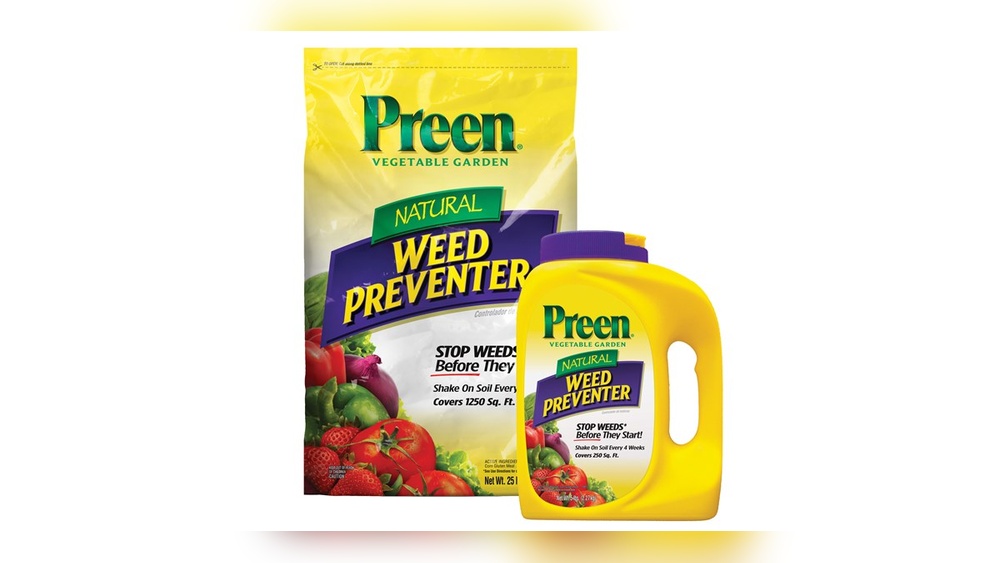
- Preen Natural Vegetable Garden Weed Preventer (corn gluten meal)
- Preen Extended Control Weed Preventer (contains indaziflam)
- Preen One Lawncare (for lawns, not edibles)
Each product is designed for specific situations. While some are marketed for general garden use, only those explicitly labeled for vegetable gardens are appropriate for edible crops. Selecting the wrong product can lead to crop damage or the introduction of non-approved chemicals into your food supply.
Table: Comparison Of Preen Formulations
| Product Name | Active Ingredient | Vegetable Garden Safe? | Key Restrictions |
|---|---|---|---|
| Preen Garden Weed Preventer | Trifluralin | Yes (with established transplants) | Do not use on direct-seeded crops or young seedlings |
| Preen Natural Vegetable Garden Weed Preventer | Corn Gluten Meal | Yes | May inhibit all seed germination (including vegetables) |
| Preen Extended Control Weed Preventer | Indaziflam | No | Not labeled for use on or around vegetables |
| Preen One Lawncare | Trifluralin + Fertilizer | No | For lawns only |
Reading The Label: The Golden Rule
Always check the EPA registration and label. Only use products labeled for vegetable gardens. For the latest label information, visit the official Preen Product Guide.
Reading product labels is not just a formality; it is the single best way to avoid accidental crop injury or residue issues. Labels also provide crucial information about reapplication intervals, compatible crops, and harvest safety windows.
Organic Preen: Is It Safer?
Preen’s organic option uses corn gluten meal, which is recognized as safe for organic gardening. However, it also prevents all seeds—including vegetable seeds—from germinating. It’s best used where all crops are transplanted, not direct-seeded.
Corn gluten meal is favored by some organic gardeners as a natural alternative to synthetic herbicides. However, its performance can be less predictable, especially in climates with heavy rainfall or when not applied at the correct time. It may need to be reapplied more often than synthetic products, and its efficacy can vary with soil type and weed species.
Case Study: Organic Vs. Synthetic Preen In A Home Garden
In a trial by a Maine Master Gardener, one half of a raised bed was treated with organic Preen (corn gluten meal), and the other with synthetic Preen (trifluralin). Both showed reduced weed pressure. However, the organic Preen also prevented direct-seeded lettuce from sprouting, while the synthetic Preen stunted only those vegetables not yet established. The gardener concluded that transplanting was safest when using any pre-emergent.
This case highlights a common experience: organic pre-emergent herbicides, while less persistent, can be just as disruptive to vegetable seed germination as their synthetic counterparts. Gardeners who prefer direct-seeding often find mulch and hand weeding more compatible with their approach.
Risks Of Using Preen In Vegetable Gardens
Chemical Residues And Food Safety
A core concern is whether Preen leaves residues in edible crops. According to EPA data and independent testing, trifluralin breaks down in soil within 6–12 weeks and does not accumulate in fruits or edible plant parts when used as directed. However, misuse or over-application can lead to residue concerns.
While research shows that trifluralin is unlikely to be taken up into the edible parts of most vegetables, exceeding recommended rates or failing to observe pre-harvest intervals increases the risk of residues. Home gardeners should keep records of application dates and rates, and wash all produce thoroughly, especially root crops.
Impact On Pollinators And Beneficial Insects
Preen, when used properly, poses minimal direct risk to pollinators like bees and butterflies, as it acts in the soil and not on foliage or flowers. However, any chemical application has the potential to disturb soil-dwelling insects and earthworms, especially if over-applied.
Studies on soil invertebrates have found that trifluralin exposure can reduce earthworm populations and alter the diversity of soil arthropods. The effect appears greatest with repeated, high-rate applications. For gardens aiming to support pollinators and beneficial insects, minimizing or avoiding chemical herbicides is the safest approach.
Environmental Concerns
Trifluralin and similar chemicals are moderately persistent in soil but degrade over time. The risk of runoff into waterways exists if the product is misapplied before heavy rain. For more on environmental fate, see the PubChem Trifluralin Profile.
Environmental contamination is most likely when herbicides are applied to sloped ground, compacted soils, or before significant rainfall. Always check weather forecasts and avoid applying before storms. Using buffer zones and vegetative strips can help intercept runoff.
Legal And Regulatory Restrictions
Some states restrict or ban certain pre-emergent herbicides in home gardens. Always check local regulations before application.
For example, some areas with drinking water concerns have additional restrictions on dinitroaniline herbicides like trifluralin. Failure to comply with these regulations can result in fines or loss of gardening privileges in community plots.
Common Application Mistakes
- Applying before seeding: Kills both weeds and vegetables.
- Using on unlisted crops: Can stunt or kill sensitive varieties.
- Over-application: Increases risk of residues and soil health issues.
- Ignoring reapplication intervals: Increases cumulative exposure to soil and plants.
Avoiding these mistakes requires careful planning and a good understanding of each crop’s sensitivity.
Case Study: Crop Loss From Misapplied Preen
A 2026 extension report from Iowa documented a gardener who lost an entire crop of direct-seeded carrots and beets after applying Preen Garden Weed Preventer before planting. The product label specified “not for use with direct-seeded crops,” but the warning was overlooked.
This underscores the need for strict adherence to instructions.
Similar reports have emerged from community gardens where multiple gardeners share space. Misapplication by one individual can affect neighboring plots, especially in raised beds or closely spaced rows.
Best Practices For Using Preen In Vegetable Gardens
When To Apply (timing Matters)
- Transplants: Apply Preen after vegetable transplants are established (usually 2–4 weeks after planting).
- Direct-seeded crops: Do not use Preen until after plants are well established, if at all.
- Avoid application before rain: Prevents runoff and uneven distribution.
Timing is everything with pre-emergent herbicides. Waiting until transplants are well-rooted ensures they can tolerate the chemical barrier, while direct-seeded crops should ideally be kept chemical-free to avoid germination failure.
How To Apply
- Weed first: Remove existing weeds—Preen does not kill them.
- Spread granules evenly: Follow the rate on the label.
- Water in: Activates the chemical barrier.
- Keep away from stems: Avoid direct contact with plant stems and roots.
- Observe reapplication intervals: Only reapply when label allows.
Using a small scoop or handheld spreader helps achieve even coverage, reducing the chance of accidental overdosing in one area. After application, observe plants closely for signs of stress or stunted growth.
Safe Crops For Preen
According to the latest Preen labels, these vegetables are generally safe when transplanted and established:
- Tomatoes
- Peppers
- Broccoli
- Cabbage
- Eggplant
Other crops, such as squash and melons, may also tolerate Preen if transplanted and well-rooted. However, always cross-check with the current product label and extension recommendations.
Crops To Avoid
- Carrots
- Beets
- Onions
- Leafy greens (if direct-seeded)
- Radishes
Avoid using Preen on beds intended for these crops, as their seeds and young roots are highly sensitive to pre-emergent herbicides.
Table: Preen Use Timeline For Vegetable Gardens
| Stage | Safe to Apply Preen? | Notes |
|---|---|---|
| Before seeding | No | Will prevent all seeds from sprouting |
| After transplanting | Yes (for listed crops) | Apply when plants are 2–4 weeks established |
| Mid-season | Yes | Reapply as needed per label instructions |
| Harvest period | No | Stop application to ensure no residues on produce |
Case Study: Successful Use In A Community Garden
In a community garden in California, volunteers used Preen only on beds with transplanted tomatoes and peppers. After three seasons, weed growth was reduced by over 80%, and no yield reductions were observed. Beds with direct-seeded lettuce and carrots where Preen was mistakenly applied had poor germination, confirming label guidance.
The garden also implemented a system of garden signage and training to ensure everyone understood which beds could safely receive Preen. This community approach reduced mistakes and allowed for healthy, productive harvests.
Alternatives To Preen For Weed Control In Vegetable Gardens
Mulching
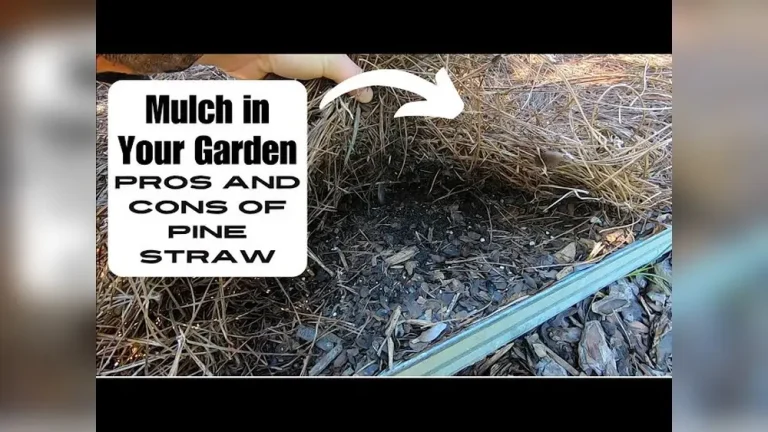
Organic mulches like straw, wood chips, or grass clippings are highly effective at suppressing weeds, improving soil moisture, and boosting soil health. Mulching is safe for all vegetables, including direct-seeded crops.
Mulch offers additional benefits: it moderates soil temperature, reduces evaporation, and over time adds organic matter as it decomposes. Deep mulching (2–4 inches) is especially effective at blocking light and smothering emerging weeds. However, it may harbor slugs or rodents if not managed properly.
Hand Weeding And Cultivation
While labor-intensive, hand weeding allows for selective removal of weeds without chemical risks. Tools such as stirrup hoes can make the job easier.
Regular hand weeding, especially when weeds are small, is one of the most reliable methods for maintaining a weed-free vegetable garden . Combining this with shallow cultivation prevents weeds from setting seed and reduces the overall weed seed bank in the soil.
Landscape Fabric And Barriers
Landscape fabric or biodegradable weed barriers are effective, especially for larger gardens or raised beds. They block sunlight and prevent weed seeds from germinating.
These barriers work best for crops that are transplanted, such as tomatoes or peppers. Cut holes in the fabric for planting, and cover with mulch for extra weed suppression and a tidy appearance. Biodegradable options are available for those seeking an eco-friendly solution.
Cover Crops
Planting cover crops like clover or rye in the off-season can suppress weeds naturally and build soil fertility.
Cover crops crowd out weeds by occupying space and drawing resources away from weed seedlings. They also add organic matter, improve soil structure, and promote beneficial soil life. After termination, the cover crop residue acts as a natural mulch.
Organic Pre-emergents
- Corn gluten meal (as found in Preen Natural) is an option, but should only be used where all crops are transplanted.
- Other OMRI-listed pre-emergents are available, but always verify vegetable compatibility.
These products are best used in gardens where transplanting is the norm or where seed germination is not a concern. Application timing and weather conditions can significantly impact their performance.
Table: Comparison Of Weed Control Methods
| Method | Weed Control Effectiveness | Vegetable Safety | Soil Health Impact | Labor Required |
|---|---|---|---|---|
| Preen (Trifluralin) | High (if used correctly) | Safe for transplants only | Neutral to slightly negative (if overused) | Low |
| Mulch | Moderate to High | Safe for all crops | Positive | Moderate |
| Hand Weeding | High | Safe for all crops | Positive | High |
| Landscape Fabric | High | Safe for all crops | Neutral | Moderate |
| Corn Gluten Meal | Moderate | Not safe for direct-seeded crops | Neutral | Low |
Case Study: Organic Garden Success Without Preen
A 2026 season trial in a Maryland school garden used only straw mulch and hand weeding for a 400-square-foot vegetable patch. Despite high weed pressure, yields of tomatoes, peppers, and leafy greens were above average, and soil tests showed improved organic matter.
The garden remained chemical-free and suitable for children’s education.
The garden also reported increased earthworm populations and more pollinator activity compared to previous years when synthetic herbicides were used. This case demonstrates that organic methods, though sometimes more labor-intensive, can deliver excellent results and foster a more vibrant garden ecosystem.
More Resources
For further reading on organic weed control, see Rodale Institute and Rutgers Cooperative Extension.
Expert Opinions: What Do Gardeners And Scientists Recommend?
University Extension Guidance
Most university extension programs, such as Penn State Extension, recommend extreme caution with pre-emergent herbicides in vegetable gardens. Their guidance generally includes:
- Use only on transplanted, established crops.
- Never apply before seeding.
- Consider mulching and hand weeding as primary methods.
Extensions emphasize integrated weed management, combining cultural, mechanical, and chemical strategies for best results. They also stress the importance of rotating weed control methods to minimize herbicide resistance and preserve soil health.
Organic Gardening Advocates
Organizations like the Organic Consumers Association and Rodale Institute advise against routine herbicide use in food gardens, citing soil health and long-term sustainability.
They argue that reliance on chemicals, even those approved for organic use, can undermine efforts to build resilient, diverse garden ecosystems. These groups provide resources and workshops for learning organic weed control methods.
Survey Data: Home Gardener Preferences
A 2020 survey by the National Gardening Association found:
- 47% of home vegetable gardeners use only hand weeding and mulch.
- 21% use pre-emergent herbicides (including Preen) but only on specific crops.
- 32% use alternative organic pre-emergents or cover crops.
The survey also revealed that gardeners who prioritize food safety and environmental health are more likely to avoid pre-emergent herbicides, opting for manual or organic alternatives. Those with larger gardens or limited time were more likely to use products like Preen, but often with caution and only on select crops.
Professional Grower Input
Commercial growers usually rely on mechanical cultivation and mulching for weed control, especially for organic certification. Pre-emergents are rarely used except in large-scale, conventional operations with transplanted crops.
Professional advice often includes rotating crops, using stale seedbeds, and integrating cover crops to reduce weed pressure. These strategies, while more complex, can reduce reliance on chemical herbicides and support long-term soil fertility.
Table: Expert Recommendations Overview
| Expert/Source | View on Preen in Vegetable Gardens |
|---|---|
| University Extensions | Safe for transplanted crops; not for direct-seeded vegetables |
| Organic Gardening Groups | Prefer mulch, hand weeding, and cover crops; avoid chemicals |
| Commercial Growers | Rarely use Preen; prefer mechanical or cultural controls |
| Home Gardeners | Split between pre-emergent use and organic methods |
Case Study: Extension Master Gardener Advice
A Master Gardener program in Oregon routinely advises new gardeners to avoid Preen in vegetable beds unless strictly following label instructions and only with established transplants. They emphasize that education and close label reading are key to safe, productive gardens.
The program also offers workshops on organic weed management, helping gardeners build skills and confidence in non-chemical approaches. Participants report fewer crop losses and greater satisfaction with their gardening experience.
Frequently Asked Questions
Is Preen Safe To Use In All Vegetable Gardens?
No. Preen is only safe for use in vegetable gardens when applied to certain established, transplanted crops and only with products labeled for vegetable garden use. It should never be used on soil where you plan to direct-seed vegetables or on young seedlings. Always check the product label for specific crop compatibility.
Can Preen Be Used With Organic Gardening Practices?
Preen’s natural product (corn gluten meal) is OMRI-listed and acceptable for organic gardening, but it prevents all seeds from sprouting—including vegetables. It is not suitable for gardens where you want to direct-seed crops. Mulch, hand weeding, and cover crops are preferred organic weed control methods.
Does Preen Leave Harmful Residues In Vegetables?
When used according to label directions, Preen’s active ingredient, trifluralin, breaks down in the soil and does not accumulate in edible plant parts. However, misuse or over-application can increase residue risks. Always follow label rates and timing for safe harvests.
Are There Safer Alternatives To Preen For Weed Control In Vegetable Gardens?
Yes. Mulching, hand weeding, landscape fabric, and cover crops are effective, chemical-free weed control methods. These alternatives improve soil health and are safe for all types of vegetables, including direct-seeded crops.
What Should I Do If I Accidentally Applied Preen To A Direct-seeded Vegetable Bed?
If you have applied Preen to a bed where you plan to direct-seed vegetables, wait at least 6–12 weeks (as per label guidance) before planting. Water thoroughly to help break down the chemical barrier. Monitor germination rates and consider performing a small test planting before sowing the entire bed.
When deciding whether to use Preen in your vegetable garden, knowledge is your best tool. Preen can be safe and effective for weed control in specific situations—mainly with established transplants and only when the label permits. However, for direct-seeded crops, root vegetables, and organic gardens, alternative methods offer equal or greater benefits without chemical risks. Thoughtful product selection, precise timing, and a commitment to label instructions ensure your vegetable garden remains both productive and safe. For many gardeners, the best path combines judicious herbicide use with sustainable, chemical-free practices, creating a healthy ecosystem for plants, pollinators, and people alike.