Is Pine Straw Good for Vegetable Gardens? Pros & Cons
Pine straw mulch—those distinctive, reddish-brown needles found beneath pine trees—has gained traction among home gardeners and commercial growers as a sustainable, visually appealing, and cost-effective mulching solution. But when it comes to vegetable gardens , is pine straw truly a wise choice?
With sustainability, soil health, weed suppression, and aesthetics all on the line, it’s crucial to weigh the evidence before blanketing your crops in a layer of pine needles.
In this comprehensive guide, we dive deep into the science, practice, and practicalities of using pine straw in vegetable gardens . We’ll explore the real-world pros and cons, present data-driven comparisons with other popular mulches, analyze case studies, and answer the most common questions gardeners ask.
Whether you’re aiming for higher yields, healthier plants, or a more eco-friendly garden, this article will arm you with authoritative, up-to-date insights to help you make the right mulching choice.
Key Takeaways
- Pine straw mulch offers effective weed suppression, moisture retention, and erosion control for vegetable gardens.
- Its impact on soil acidity is minimal and generally not harmful for most vegetables.
- Pine straw decomposes slowly, requiring less frequent replacement than many other organic mulches.
- There are some drawbacks, including potential for pest habitat and flammability concerns.
- Choosing pine straw over alternatives depends on your climate, garden layout, and specific crop needs.

What Is Pine Straw Mulch?
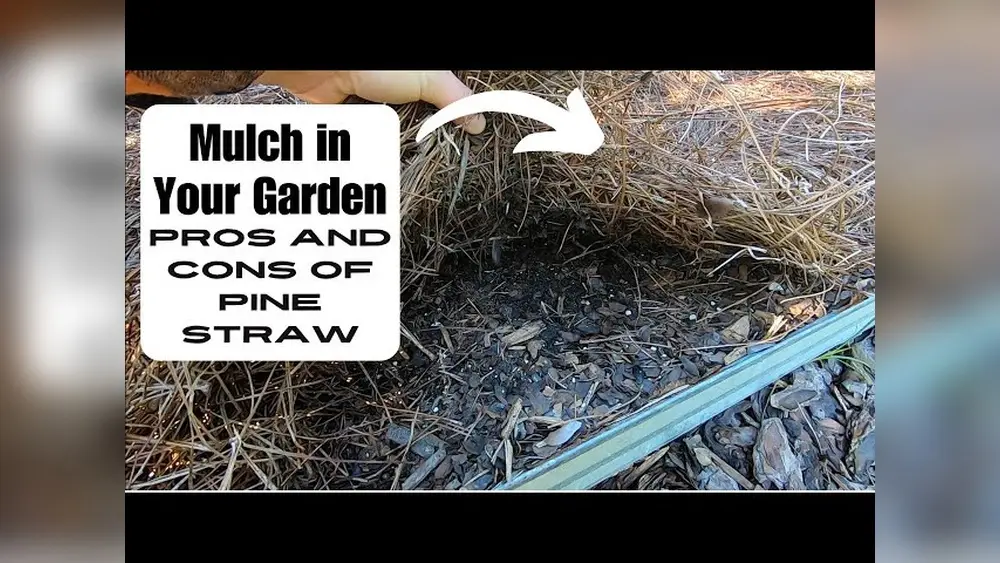
Pine straw consists of the fallen needles from pine trees, collected, cleaned, and often baled for use as mulch. It has been a traditional ground cover in the southeastern United States but is now widely available due to its cost-effectiveness and multiple horticultural benefits.
Characteristics Of Pine Straw
- Needle length: Typically 6–14 inches, offering good coverage and flexibility for different garden layouts. Longer needles interlock more easily, creating a denser mat that holds up well against wind and rain.
- Color: Reddish-brown to golden, providing a neat and attractive look that enhances garden aesthetics and highlights the green foliage of vegetable plants.
- Texture: Lightweight but interlocks, resisting wind displacement. This quality is particularly useful for gardens in breezy locations, as pine straw stays put better than loose leaf mulch.
- Decomposition rate: Slow, lasting 6–12 months before significant breakdown. This extended lifespan means less work for gardeners, as frequent replacement is unnecessary.
How Pine Straw Is Harvested
Most commercial pine straw is sustainably raked from forest floors, avoiding damage to the trees themselves. The process typically involves:
- Raking fallen needles into windrows. Specialized equipment or manual labor is used, depending on the scale of harvesting.
- Baling the straw for easy transport. Bales are compacted to maximize efficiency in shipping and handling.
- Cleaning to remove sticks and debris. High-quality suppliers may also screen for weed seeds or pests, ensuring the straw is garden-safe.
Harvesting pine straw preserves the trees, since only the naturally shed needles are collected, and encourages forest maintenance by reducing fuel for wildfires.
Typical Uses In Horticulture
Pine straw is commonly applied around:
- Vegetable beds: Both row crops and raised beds benefit from the mulch.
- Orchards: Fruit trees often thrive with pine straw that retains moisture and prevents weed competition.
- Flower gardens: Annuals and perennials enjoy the tidy look and effective weed suppression.
- Landscape shrubs: Azaleas, rhododendrons, and other acid-loving plants especially benefit.
Its lightweight nature makes it easy to spread and manage, particularly in large gardens or commercial settings, and it is often favored by landscaping crews for its quick application.

Pros Of Using Pine Straw In Vegetable Gardens
Pine straw mulch brings a suite of benefits that can improve the health, yield, and appearance of your vegetable garden . Let’s explore these advantages in detail.
Excellent Weed Suppression
One of the most lauded benefits of pine straw is its ability to suppress weeds. The dense mat formed by overlapping needles blocks sunlight, discouraging weed germination and growth. According to a study by the University of Florida, pine straw reduced weed biomass by up to 80% compared to bare soil (UF/IFAS Extension).
This suppression is particularly effective against annual weeds such as crabgrass, chickweed, and purslane, which rely on sunlight for germination. Pine straw’s effectiveness can be further enhanced by applying a thicker layer in early spring before weeds emerge. In gardens plagued by aggressive weeds, pine straw can be combined with landscape fabric for even better results.
Moisture Retention And Erosion Control
Pine straw acts as a protective barrier, minimizing water evaporation from the soil and reducing the frequency of watering. Its structure allows rainwater to penetrate while shielding the soil from direct sun and wind.
- Up to 30% less water loss compared to bare soil
- Effectively prevents soil erosion on sloped beds
These qualities are especially valuable in climates with hot summers or irregular rainfall. Pine straw mulch is also adept at protecting soil from compaction caused by heavy rain, allowing roots to breathe and absorb moisture more effectively. In areas prone to sudden downpours, pine straw helps maintain soil structure and prevents nutrient runoff, which is critical for vegetable productivity.
Slow Decomposition And Soil Health
Unlike grass clippings or leaves, pine straw breaks down slowly—typically over 6–12 months. This means:
- Fewer reapplications
- Gradual addition of organic matter to the soil
- Improved soil structure over time
The slow breakdown rate is advantageous for gardeners seeking a low-maintenance mulch solution. As pine straw decomposes, it contributes humus and organic matter, enhancing soil fertility and aiding in the formation of healthy aggregates. This gradual enrichment supports beneficial soil microbes and earthworms, which are essential for nutrient cycling and root development.
Lightweight And Easy To Apply
Pine straw is considerably lighter than bark mulch or compost. A single bale can cover a large area, making it convenient for both small and expansive gardens.
- One bale covers 40–50 sq. Ft. at a 2–3 inch depth
- Easy to move and spread, even for solo gardeners
Its lightweight nature reduces labor and physical strain, making it an ideal choice for older gardeners or those with mobility challenges. Pine straw can be quickly fluffed and spread with gloved hands or a rake, saving time compared to heavier mulches that require shoveling and wheelbarrows.
Attractive Appearance
The rich, reddish-brown color provides a neat, uniform look that lasts months without fading. Unlike wood chips, pine straw doesn’t float away during heavy rain.
Pine straw’s visual appeal makes it popular in both residential and public gardens, where aesthetics are important. Its color complements vegetable foliage and flowering plants, helping to create a professional, well-manicured appearance that can enhance curb appeal and garden enjoyment.
Sustainable And Renewable
Pine straw is harvested from naturally shed needles, making it a renewable resource that doesn’t harm trees or forests when sourced responsibly (US Forest Service).
Unlike some mulches that require industrial processing or deforestation, pine straw supports sustainable forestry practices. It helps maintain forest health, reduces wildfire risk, and is often certified by organizations like the Rainforest Alliance for eco-friendly harvesting.

Cons And Potential Drawbacks Of Pine Straw
While pine straw offers clear advantages, it’s not without its downsides. Understanding these potential issues is vital for making an informed decision.
Soil Acidity Concerns
A common myth is that pine straw will acidify your soil, harming vegetable crops. In reality, multiple studies have shown that:
- Surface-applied pine straw has minimal impact on soil pH, especially in loamy or clay soils.
- Any acidity is largely neutralized before reaching the root zone as the needles decompose.
However, in already acidic soils (pH below 6.0), repeated use could potentially lower pH further. Regular soil testing is advised.
It’s worth noting that certain vegetables, like potatoes and peppers, actually prefer slightly acidic conditions. For crops that thrive in neutral or alkaline soils (like beans or brassicas), monitor pH and consider liming if necessary.
Pest Habitat
The loose, airy mat of pine needles can provide shelter for certain pests, such as:
- Slugs and snails
- Rodents in rural areas
- Termites (if mulch is piled against wooden structures)
Gardeners in regions with high slug populations may notice increased activity if pine straw is used.
To mitigate pest risks, avoid placing pine straw directly against plant stems or structures, and regularly inspect the mulch for signs of unwanted visitors. Integrated pest management strategies—such as using slug traps or barriers—can help keep populations under control.
Flammability
Pine straw is highly flammable when dry. This makes it a risky choice in:
- Fire-prone regions
- Gardens near wooden fences or buildings
According to the National Fire Protection Association, pine straw ignites more readily than bark mulch (NFPA).
If you live in an area with regular droughts or wildfire risk, consider using pine straw sparingly or choosing another mulch for beds adjacent to structures. Keep mulch at least 12 inches away from wooden surfaces and maintain defensible space in fire-sensitive landscapes.
Not As Nutrient-rich As Other Mulches
While pine straw does add some organic matter, it provides fewer nutrients than compost, grass clippings, or well-rotted manure. For nutrient-hungry crops, supplementary fertilization may be needed.
Crops like tomatoes, corn, and leafy greens require higher levels of nitrogen and potassium than pine straw can provide. Combining pine straw with organic fertilizers or alternating with richer mulches can ensure optimal plant growth and productivity.
Availability And Cost
In regions without native pine forests, pine straw may be:
- More expensive than locally available mulches
- Less accessible, especially in the western US
Gardeners should check local garden centers or landscaping suppliers for pricing. In areas where pine straw is scarce, it may be more cost-effective to use alternatives like shredded leaves or wood chips.
Data-driven Comparison: Pine Straw Vs. Other Mulches
To make the best decision for your vegetable garden, it’s important to compare pine straw with other common mulching options.
| Feature | Pine Straw | Bark Mulch | Compost | Grass Clippings | Straw |
|---|---|---|---|---|---|
| Weed Suppression | Excellent | Good | Fair | Fair | Good |
| Moisture Retention | Very Good | Excellent | Good | Poor | Good |
| Decomposition Rate | Slow | Slow | Fast | Very Fast | Medium |
| Soil Nutrient Addition | Low | Low | High | Medium | Medium |
| Acidity Impact | Slightly Acidic | Neutral | Neutral to Slightly Alkaline | Neutral | Neutral |
| Pest Habitat | Medium | Medium | Low | High | Medium |
| Flammability | High | Medium | Low | Low | Medium |
| Cost (per sq. ft.) | Low–Medium | Medium | Low | Very Low | Low–Medium |
Real-world Example: A Small Organic Farm
Case Study: Red Clay Organics, a small-scale farm in Georgia, switched from wheat straw to pine straw for their raised vegetable beds in 2026. Over two growing seasons, they observed:
- A 40% reduction in time spent weeding
- Water usage dropped by 20%
- No significant change in soil pH
- Increased slug activity, requiring occasional treatment
Their conclusion: pine straw was ideal for their climate and labor needs but required active pest management.
Many farms and market gardens in the southeastern US have reported similar results, citing pine straw’s longevity and low maintenance as key advantages. Some farms opt to use pine straw on paths and walkways, reserving richer mulches for intensive vegetable production.
When To Choose Pine Straw Over Alternatives
Pine straw is especially advantageous if:
- You garden in the southeastern US or other pine-rich areas
- You need a long-lasting, tidy mulch that’s easy to apply
- Your main concerns are weed control and moisture retention
For gardens where visual appeal, ease of handling, and sustainability are priorities, pine straw stands out. Conversely, if your soil is deficient in nutrients or you grow crops requiring extra fertility, supplement pine straw with compost or organic amendments.
How Pine Straw Affects Soil: Acidity, Structure, And Microbes
Understanding the impact of pine straw on soil chemistry and biology is crucial for vegetable gardeners. Let’s examine the science.
Does Pine Straw Mulch Acidify Soil?
- Surface-applied pine straw has limited effect on soil pH because the organic acids are mostly neutralized before reaching plant roots.
- A multi-year study by the University of Georgia found that pine straw mulch reduced soil pH by only 0.1–0.2 units, well within the optimal range for most vegetables (UGA Extension).
- If your soil is already acidic, monitor pH annually.
Some gardeners notice a slight acidification, particularly in sandy soils or regions with heavy rainfall. However, this minor shift is generally not problematic for most vegetables, which tolerate a pH of 6. 0–6. 8. For sensitive crops, annual soil tests will help ensure optimal conditions.
Impact On Soil Structure
As pine straw decomposes, it:
- Adds organic matter to the topsoil
- Improves aggregation and water infiltration
- Reduces compaction
However, because it breaks down slowly, the impact on soil structure is gradual.
Over time, the addition of organic matter leads to improved soil tilth, better drainage, and increased resilience against drought. Pine straw’s fibrous nature also encourages earthworm activity, which further enhances soil health and aeration.
Effects On Soil Microbial Life
Pine straw can:
- Provide habitat for beneficial fungi and bacteria as it decomposes
- Support populations of soil-dwelling insects that aid in decomposition
A 2018 study published in Applied Soil Ecology found that pine straw mulch increased populations of certain beneficial soil microbes compared to bare soil and bark mulch (ScienceDirect).
These microbes play a crucial role in breaking down organic matter and making nutrients available to plants. Pine straw’s slow decomposition encourages a stable, diverse microbial community that supports plant health and suppresses soil-borne diseases.
Practical Example: Amending Acidic Soil
If your soil is naturally acidic (below pH 6.0), consider:
- Liming the soil before mulching
- Testing pH every 1–2 years
- Rotating with neutral mulches occasionally
This proactive approach helps balance soil chemistry, ensuring that vegetables grow in the optimal pH range. In regions where pine straw is the primary mulch, many gardeners routinely add lime in spring to maintain soil health.
Application Best Practices: Using Pine Straw In Vegetable Gardens
To maximize the benefits and minimize the drawbacks, proper application of pine straw is essential.
How Much Pine Straw To Use
- Depth: Apply 2–3 inches for most vegetables; up to 4 inches for paths or perennial beds
- Coverage: One standard bale covers 40–50 sq. Ft. at 2–3 inches deep
If using pine straw for perennial crops or fruit trees, a thicker layer can be applied to maximize weed suppression and moisture retention. For annual vegetables, a thinner layer ensures seedlings are not smothered.
When To Apply Pine Straw
- Early Spring: To suppress early weeds and conserve soil moisture
- After Planting: Once seedlings are established (4–6 inches tall), mulch around the base, leaving a small gap around stems
Applying pine straw after the soil has warmed promotes healthy root growth. In cooler climates, wait until mid-spring to avoid chilling young plants.
Step-by-step Application Guide
- Clear area of weeds and debris. Remove any existing weeds and loosen the topsoil for better mulch integration.
- Water soil thoroughly before mulching. Moist soil encourages beneficial microbes and helps mulch settle.
- Fluff pine straw to separate needles. This step prevents compaction and ensures even coverage.
- Spread evenly over soil, avoiding direct contact with stems. Maintain a 2-inch gap around each plant to prevent rot.
- Replenish as needed—typically once per year. Monitor mulch depth and add fresh straw if the layer thins or decomposes.
Common Mistakes To Avoid
- Piling mulch against stems: Can cause rot and disease.
- Too thick a layer: May prevent water and air penetration.
- Using contaminated straw: Ensure straw is clean and free of weed seeds or pests.
Another common mistake is neglecting to remove old mulch before applying new. Over-mulching can suffocate roots and hinder water flow. Always inspect the area and remove excess mulch if needed.
Table: Recommended Mulch Depths For Common Crops
| Vegetable | Recommended Pine Straw Depth | Notes |
|---|---|---|
| Tomatoes | 2–3 inches | Leave 2-inch gap around stems |
| Peppers | 2 inches | Apply after soil warms in spring |
| Squash & Zucchini | 3 inches | Helps prevent soil splash |
| Root Crops (Carrots, Beets) | 2 inches | Thin layer to avoid compaction |
| Leafy Greens | 1.5–2 inches | Apply after plants are established |
Real-world Examples And Case Studies
Concrete examples help illustrate how pine straw performs in different gardening situations.
Example 1: Home Vegetable Patch In North Carolina
Linda M., an avid home gardener, switched to pine straw after years of using bark mulch. She reported:
- Improved weed control: Weeds dropped by more than half within the first season.
- Less frequent watering: Soil stayed moist even during midsummer heat.
- No observed soil acidification: PH remained steady at 6.5.
Linda noted a small increase in slug activity but felt it was manageable with regular hand-picking.
She also found that pine straw was easier to spread and maintain than bark mulch, especially after heavy rain. The straw’s interlocking needles stayed in place, making her garden look tidy throughout the growing season.
Example 2: Community Garden In California
A community garden in the San Francisco Bay Area experimented with pine straw on a few beds. Key findings included:
- Higher upfront cost: Pine straw was more expensive and harder to source locally.
- Excellent appearance: The beds looked neat and attractive for months.
- No significant increase in pests: Slug activity was similar to straw-mulched beds.
The garden ultimately decided to use pine straw selectively, where appearance and longevity were priorities.
Gardeners also appreciated pine straw’s resistance to wind displacement, which was a problem with lighter mulches like dried leaves. Even after storms, pine straw stayed in place, reducing maintenance.
Example 3: Commercial Tomato Farm In Alabama
A 10-acre tomato farm trialed pine straw versus plastic mulch. Results after one growing season:
- Labor savings: Pine straw beds required 30% less maintenance.
- Yield: Tomato yields were equivalent between treatments.
- Cost: Pine straw was less expensive when sourced locally.
- Pest management: Occasional rodent activity required monitoring.
This farm continues to use pine straw for most of its tomato acreage.
Farm managers noted that pine straw’s slow decomposition reduced the need for midseason reapplications. The mulch also helped prevent soil splash, reducing foliar diseases and improving tomato quality.
Environmental Impact And Sustainability Of Pine Straw
As sustainability becomes a key concern for gardeners, pine straw offers several eco-friendly advantages.
Renewable Resource
Pine straw is collected from the natural shedding process of pine trees, not from cutting or harming trees. This makes it a renewable, low-impact product.
Responsible harvesting avoids soil disturbance and ensures that forest ecosystems remain healthy. In the southeastern US, pine straw is often raked once or twice a year, allowing the forest floor to recover between harvests.
Soil Erosion Prevention
By protecting the soil surface, pine straw helps:
- Minimize topsoil loss during heavy rains
- Reduce runoff and nutrient leaching
A 2020 study by the USDA found that pine straw mulch reduced soil erosion by 50% on sloped plots compared to bare soil (USDA ARS).
This is particularly important for gardens with raised beds or slopes, where erosion can quickly deplete soil fertility and compromise plant health.
Lower Carbon Footprint
- Minimal processing: Unlike bark mulch or compost, pine straw requires little to no industrial processing.
- Lightweight for transport: Reduces energy use in shipping.
Pine straw’s light weight means fewer emissions during transport, making it a greener option for large gardens and landscaping projects. Its easy handling reduces reliance on heavy machinery, further lowering environmental impact.
Potential Downsides
- Overharvesting risk: In some regions, excessive raking can disturb forest floor ecosystems. Always choose straw from reputable, certified sustainable sources (Rainforest Alliance).
- Invasive species: Rarely, pine straw can harbor weed seeds if not properly cleaned.
Sustainable harvesting practices ensure that wildlife, understory plants, and soil health are not compromised. Gardeners should research suppliers and look for eco-certifications when purchasing pine straw.
Tips For Sustainable Use
- Buy from certified suppliers
- Avoid over-mulching forest edges or natural habitats
- Compost spent pine straw to complete the nutrient cycle
Composting old pine straw at the end of the season returns nutrients to the soil and reduces waste. By rotating mulch types and monitoring sources, gardeners can maintain a sustainable garden ecosystem.
Practical Tips: Maximizing The Benefits Of Pine Straw
Pine straw can be a transformative mulch for vegetable gardens if used wisely. Here’s how to get the most out of it.
Combine With Other Mulches
- Use pine straw on paths and compost or leaf mulch around heavy feeders.
- Rotate mulch types annually to balance nutrients and soil health.
Combining pine straw with richer mulches enhances soil fertility while maintaining weed suppression and moisture retention. This approach is particularly effective for diverse gardens with multiple vegetable types.
Monitor Soil Ph
- Test soil every 1–2 years, especially if using pine straw for multiple seasons.
- Amend with lime if pH drops below recommended ranges for your crops.
Regular soil testing ensures that your garden remains productive, and adjustments can be made as needed. Simple test kits are available at garden centers, or samples can be sent to extension services for detailed analysis.
Integrated Pest Management
- Handpick slugs and monitor for rodent activity.
- Use diatomaceous earth or copper tape for slug-prone crops.
Integrated strategies reduce reliance on chemical pesticides and keep pest populations under control. Encourage beneficial predators, such as birds and frogs, to further limit pests.
Watering Practices
- Water thoroughly after mulching to help needles settle.
- Avoid overhead irrigation to reduce slug habitat.
Drip irrigation or soaker hoses can be used beneath pine straw to deliver water directly to roots, minimizing moisture on the mulch surface and discouraging slugs.
Reuse And Compost
- After a season, compost spent pine straw to recycle organic matter back into your garden beds.
Composting pine straw with kitchen scraps, leaves, and grass clippings creates a rich, balanced compost for next year’s garden.
Frequently Asked Questions
Is Pine Straw Safe For All Types Of Vegetables?
Yes, pine straw is safe for most vegetables, including tomatoes, peppers, squash, root crops, and leafy greens. The minimal impact on soil pH makes it compatible with nearly all common garden vegetables. However, regular soil testing is recommended if you use pine straw for many consecutive years, especially in already acidic soils.
Certain crops, like beans and peas, may benefit from alternating with neutral mulches. For root crops, use a thinner layer to avoid compaction and facilitate root growth.
Does Pine Straw Attract Termites Or Other Pests?
Pine straw can provide shelter for certain pests, such as slugs, snails, and occasionally rodents. While it is less likely to attract termites than wood mulch, if placed directly against wooden structures, it can increase termite risk. Keep pine straw at least 6–12 inches away from the base of wooden buildings to reduce this risk.
Regular inspection and proper mulch placement help minimize pest issues. If termite activity is suspected, consult a pest management professional and avoid mulching near vulnerable structures.
How Does Pine Straw Compare To Straw Or Hay As Mulch?
Pine straw lasts longer and is less likely to harbor weed seeds compared to hay. It offers similar weed suppression to wheat straw but decomposes more slowly, requiring fewer reapplications. However, straw and hay contribute more nutrients as they break down, which may benefit nutrient-demanding crops.
For gardeners seeking a tidy, long-lasting mulch, pine straw is preferable. For those prioritizing soil enrichment, straw or compost may be better suited.
Will Pine Straw Change The Flavor Or Safety Of My Vegetables?
No, pine straw does not alter the flavor of vegetables or pose any known food safety risks when used correctly. Always ensure that the straw is clean and free of contaminants, and avoid direct contact between mulch and edible plant parts.
Proper application and sourcing ensure safe, healthy produce. If using pine straw from uncertified sources, inspect for debris or foreign material before spreading.
How Often Should Pine Straw Be Replaced In The Garden?
Generally, pine straw needs to be replenished once per year. In high-traffic areas or windy climates, you may need to add a thin layer midseason. Its slow decomposition rate means it outlasts grass clippings, leaves, and even some bark mulches.
Monitor mulch depth and condition throughout the growing season. If the straw becomes compacted or thin, fluff and add fresh material as needed.
Pine straw is a versatile, attractive, and sustainable mulch option for vegetable gardens. Its strengths—excellent weed suppression, moisture retention, and slow decomposition—make it especially appealing for gardeners seeking low-maintenance solutions. While concerns about acidity and pests are largely manageable, it’s crucial to source straw responsibly and monitor your soil health.
By following best practices and adapting to your local conditions, you can enjoy the benefits of pine straw and cultivate a thriving, productive vegetable garden.