Are Railroad Ties Safe for Vegetable Gardens?
Deciding whether to use railroad ties for vegetable gardens is a question many gardeners ponder, driven by their rustic charm and perceived durability. However, the safety of using these treated timbers in areas where food is grown is a significant concern that needs careful consideration before you begin construction. This post will break down the potential risks and offer safer alternatives, helping you make an informed choice for your garden.
Generic
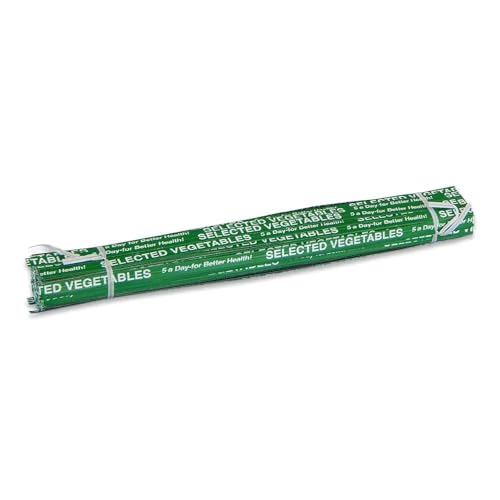
Green Selected Vegetable Ties – 20" Length,…
- Premium Quality Material: Crafted from high-quality green selected material, these vegetable ties are designed for durability and…
- Generous Quantity: Each package contains 3,000 green selected vegetable ties, providing a substantial supply for gardening and far…
- Versatile Use: Ideal for securing and supporting plants, vegetables, and vines, making them perfect for gardening and farming appl…
As an Amazon Associate I earn from qualifying purchases.
Simply put, traditional railroad ties treated with creosote are generally not considered safe for use in vegetable gardens due to the leaching of toxic chemicals into the soil, which can then be absorbed by edible plants. While newer treatments might be less harmful, it’s crucial to verify the exact treatment and its safety for food cultivation.
Key Takeaways
- Railroad ties for vegetable gardens can pose risks if treated with creosote, a toxic chemical.
- Creosote can leach into soil, potentially contaminating edible plants.
- Always verify the treatment method used on railroad ties before garden use.
- Consider safer alternatives like untreated lumber, natural stone, or composite materials.
- Proper sealing or lining can mitigate some risks, but complete safety is not guaranteed with creosote-treated ties.
What Are Railroad Ties Made Of?
Railroad ties, also known as railway sleepers, are traditionally made from durable hardwood like oak, pine, or Douglas fir. Their primary purpose is to provide a stable foundation for railway tracks, supporting the immense weight and constant stress of passing trains. To withstand the elements and resist decay, pests, and fire, these timbers undergo a preservation treatment process.
The most common and historically prevalent treatment for railroad ties is pressure treatment with creosote. This dark, oily substance is derived from coal tar and is highly effective at preserving wood. It acts as a powerful insecticide, fungicide, and water repellent, significantly extending the lifespan of the ties, which can last for decades when exposed to harsh outdoor conditions. However, it is this very effectiveness and chemical composition that raise significant concerns when considering their use in edible gardens.

The Chemical Concerns: Creosote and Its Effects
Creosote is a complex mixture of hundreds of chemicals, many of which are classified as hazardous. When railroad ties treated with creosote are exposed to the elements, especially rain and sunlight, these chemicals can leach out into the surrounding environment. This leaching process can be accelerated by heat and physical abrasion.
The primary concern for vegetable gardens is the potential for these leached chemicals to contaminate the soil. Plants, particularly those grown directly in or very near treated ties, can absorb these substances through their root systems. While the extent of absorption can vary depending on soil type, plant species, and the concentration of creosote, it is a documented phenomenon. Consuming vegetables that have absorbed creosote can pose significant health risks, including potential carcinogenicity and other adverse health effects. Organizations like the U.S. Environmental Protection Agency (EPA) have identified creosote as a probable human carcinogen.
The distinct, pungent odor of creosote is also a noticeable characteristic. While this smell might be acceptable for industrial or purely aesthetic landscaping, it can be off-putting in a garden setting and is a constant reminder of the chemical treatment.
Understanding Wood Preservatives Used in Railroad Ties
Historically, creosote has been the go-to preservative for railroad ties due to its efficacy and relatively low cost. However, as awareness of its environmental and health impacts grew, regulations and alternative treatments emerged. Modern railroad ties might use other types of wood preservatives, though creosote remains prevalent, particularly for ties used in active railway lines.
Some newer treatments include copper-based preservatives (like Chromated Copper Arsenate or CCA, though CCA is largely phased out for residential use due to arsenic content) or ammoniacal copper quaternary compounds (ACQ). While these are generally considered safer than creosote, their suitability for vegetable gardens still requires careful investigation. Arsenic, for instance, is a known toxin and can accumulate in soil and plants. Even ACQ, which uses copper and a quaternary ammonium compound, can still leach copper, which can be toxic to plants in high concentrations and potentially harmful to soil organisms.
It’s also worth noting that some railroad ties might be untreated, especially if they are older ties removed from service and resold. However, untreated wood will decompose much faster, limiting their lifespan as a garden border. The crucial point is to identify the specific preservative used and research its safety profile for food production.
Risks of Using Creosote-Treated Ties in Vegetable Gardens
The risks associated with using creosote-treated railroad ties in vegetable gardens are substantial and multi-faceted. The most significant danger lies in the contamination of edible crops. Creosote contains polycyclic aromatic hydrocarbons (PAHs), many of which are known carcinogens. When these PAHs leach into the soil, they can be taken up by plants.
Research has shown that root vegetables like carrots and potatoes, as well as leafy greens, can absorb these chemicals from contaminated soil. Even if the vegetables themselves don’t show visible signs of contamination, they can contain harmful residues. This poses a direct health risk to anyone consuming these vegetables.
Beyond direct consumption, creosote can also negatively impact the soil ecosystem. It can harm beneficial microorganisms and earthworms that are essential for healthy soil structure and nutrient cycling. This can lead to a less fertile garden environment over time. Furthermore, direct contact with creosote can cause skin irritation and allergic reactions in some individuals. For children and pets who might play in or near the garden, the risk of exposure is also a concern.
| Chemical Component | Potential Risk | Relevance to Gardens |
|---|---|---|
| Polycyclic Aromatic Hydrocarbons (PAHs) | Carcinogenic, mutagenic | Absorbed by plants, soil contamination |
| Phenols | Irritant, toxic in high doses | Skin irritation, potential soil toxicity |
| Naphthalene | Possible carcinogen, respiratory irritant | Soil contamination, odor issues |
This table highlights the inherent dangers of creosote, underscoring why caution is paramount when considering these materials for food cultivation spaces.
Identifying Treated Railroad Ties
Distinguishing between creosote-treated ties and those with other preservatives, or no treatment at all, can be challenging without direct knowledge or testing. However, there are some common characteristics to look for. Creosote-treated ties typically have a dark, almost black or deep brown color and a distinct, oily texture. They often emit a strong, pungent, somewhat tar-like odor, especially when new or after rain.
Another indicator is the feel of the wood. Creosote saturates the wood deeply, making it feel heavy and oily. You might notice oily residue on your hands or clothing after handling them. If the ties have visible, deep blackish-brown stains that don’t wipe off easily, it’s a strong sign of creosote treatment.
In contrast, ties treated with newer, water-based preservatives might have a greenish hue (especially copper-based ones) or a lighter, more uniform color. They typically have less of an oily feel and a less potent odor. Untreated ties will look like natural wood, without any dark staining or oily residue, and will show signs of weathering more quickly. If you are purchasing used ties, always ask the seller about the treatment method. Reputable sellers should be able to provide this information.
| Feature | Creosote-Treated Ties | Other Treated Ties | Untreated Ties |
|---|---|---|---|
| Color | Dark brown to black | Varies (greenish, lighter brown) | Natural wood color |
| Odor | Strong, tar-like, oily | Milder, chemical | Woody, earthy |
| Texture | Oily, sometimes rough | Smoother, less oily | Natural wood texture |
| Durability | Very High (decades) | High (years) | Low (rot, pests) |
This comparison table helps visualize the typical differences between tie types. When in doubt, assume the worst and err on the side of caution for food gardens.
Can You Make Railroad Ties Safe for Vegetable Gardens?
While it’s tempting to find a way to use these readily available and sturdy materials, making creosote-treated railroad ties truly safe for growing vegetables is extremely difficult, if not impossible. The chemicals are deeply embedded in the wood and continue to leach over time. However, some methods are suggested to mitigate the risks, though they don’t guarantee complete safety.
One common recommendation is to use a thick plastic barrier or heavy-duty landscape fabric between the ties and the soil. This barrier is intended to prevent direct contact and limit leaching into the planting area. Ensure the barrier is impermeable and extends up the sides of the raised bed to create a complete seal. Another approach is to use them only for non-edible landscaping features, such as borders for pathways or decorative elements, and to construct the actual garden beds with safer materials.
Some sources suggest that older, weathered ties that have been exposed to the elements for many years might leach less. However, this is not a reliable indicator of safety, as chemical breakdown can be slow and unpredictable. The scientific consensus leans heavily towards avoiding creosote-treated wood for any food-growing applications.
Important: Even with barriers, complete containment of creosote is challenging. The chemicals can degrade the barrier over time, and any gaps or tears can allow leaching. For maximum safety, it’s best to avoid creosote-treated railroad ties in vegetable gardens altogether.
Safer Alternatives for Garden Borders
Fortunately, there are many excellent and safer alternatives to railroad ties for creating attractive and functional borders for your vegetable gardens. These options not only minimize health and environmental risks but can also enhance the aesthetic appeal of your garden.
Untreated Lumber
Naturally rot-resistant woods like cedar, redwood, or juniper are excellent choices. They are attractive, durable, and do not contain harmful chemicals. While they may not last as long as treated lumber, their lifespan is still significant, and they can be easily replaced when needed.
You can also opt for pine or fir lumber that is specifically rated safe for garden use or has been treated with less toxic preservatives.
- Cedar: Naturally resistant to insects and rot.
- Redwood: Similar properties to cedar, very durable.
- Juniper: Another naturally resistant wood.
- Pine/Fir: Can be used if untreated or treated with safe, garden-grade preservatives.
Natural Stone and Rocks
Stone, gravel, or boulders provide a natural, classic look that is incredibly durable and safe. They require minimal maintenance and can last for generations. The variety of stones available means you can achieve many different aesthetics, from rustic to formal.
- Fieldstones: Offer a rustic, natural look.
- Flagstone: Can be used for edging or pathways.
- Boulders: Create a striking landscape feature.
- Gravel: Useful for pathways and general edging.
Concrete Blocks and Bricks
These are durable, readily available, and can be used to create sturdy retaining walls or garden beds. They are generally inert and do not pose a risk to your vegetables. You can arrange them in various patterns and designs to suit your garden’s style.
- Concrete blocks: Versatile and stackable.
- Bricks: Offer a more classic and refined look.
- Pavers: Can be used for edging or creating pathways.
Composite or Recycled Materials
Many companies now offer garden edging made from recycled plastics, wood fibers, or other composite materials. These are designed to be durable, weather-resistant, and safe for garden use. They are often a good eco-friendly choice.
- Recycled plastic lumber: Durable and weather-resistant.
- Wood-plastic composites: Offer a wood-like appearance without the same maintenance.
- Recycled rubber edging: Flexible and durable, though ensure it’s food-safe if in contact with soil.
Metal Edging
Steel, aluminum, or copper edging provides a sleek, modern look and is highly durable. Metal edging is inert and will not leach harmful substances into the soil. It’s also effective at preventing roots from spreading out of control.
- Steel edging: Strong and long-lasting.
- Aluminum edging: Lighter and resistant to rust.
- Copper edging: Develops a patina over time, can add a unique aesthetic.
How to Install Garden Borders Safely
When installing any type of garden border, safety for both your health and your plants is paramount. For materials like untreated wood, ensure they are indeed free of harmful chemicals. If using natural stone or bricks, clean them thoroughly to remove any dirt or debris that might harbor pests or diseases.
When constructing raised beds, especially with materials that might have a slight concern, such as older treated lumber or even certain types of concrete, consider adding a physical barrier. A food-grade plastic liner or heavy-duty landscape fabric can prevent direct contact between the border material and the soil. This is a critical step if you have any doubts about the composition of your chosen border material.
Ensure that your borders are installed securely to prevent them from shifting or collapsing, which could damage plants or create tripping hazards. For taller retaining walls, proper drainage behind the structure is essential to prevent water buildup and potential structural failure. Always follow manufacturer guidelines for installation if you are using pre-fabricated edging or materials.
Statistics on Wood Preservatives and Soil Contamination
Understanding the science behind wood preservatives helps solidify the decision-making process. A study published in the Journal of Environmental Quality found that PAHs from creosote-treated wood could leach into soil and be taken up by plants. The study observed detectable levels of PAHs in lettuce and radishes grown in proximity to creosote-treated stakes.
Furthermore, the U.S. Forest Service reported that creosote can persist in soil for many years, indicating a long-term contamination risk. While precise percentages of chemical uptake vary widely based on plant species, soil type, and the amount of leached chemicals, the potential for uptake is scientifically established. The EPA estimates that about 18% of U.S. wood production is treated lumber, with a significant portion historically being for outdoor applications like railroad ties and utility poles. Modern regulations have restricted some uses of CCA for residential applications due to arsenic leaching, but creosote remains a concern for industrial-grade treated wood.

Frequently Asked Questions
Are all railroad ties treated?
No, not all railroad ties are treated. While the vast majority of ties used for active railways are treated to ensure longevity and safety, some older, decommissioned ties might be sold untreated. However, identifying untreated ties can be difficult, and treated ties are far more common in circulation.
Can I use railroad ties for non-edible garden beds?
Yes, it is generally considered safer to use railroad ties, especially creosote-treated ones, for non-edible garden beds or borders where they do not come into contact with food crops. This could include ornamental flower beds or general landscaping areas. However, always be mindful of potential skin irritation from direct contact.
What happens if my vegetables absorb chemicals from railroad ties?
If your vegetables absorb chemicals from treated railroad ties, particularly creosote, they can contain harmful residues like PAHs. Consuming these vegetables may pose health risks, including potential carcinogenicity and other adverse health effects. It is recommended to avoid growing edible plants in contact with such materials.
Are there any “safe” versions of railroad ties for gardens?
The term “safe” is relative and depends heavily on the specific treatment. Ties treated with modern, less toxic preservatives might be considered safer than creosote-treated ones, but their suitability for direct contact with food-growing soil is still debated and requires thorough research into the specific preservative. It is always best to seek out materials explicitly labeled as safe for vegetable gardens.
How long do creosote chemicals last in the soil?
Creosote chemicals can persist in the soil for a very long time, potentially for decades. Their breakdown rate is slow, especially in anaerobic conditions. This means that once soil is contaminated by creosote leaching, it can remain a risk for an extended period, making remediation difficult and further emphasizing the importance of preventative measures.
Final Thoughts
When planning your vegetable garden, the materials you use for borders and beds are as important as the seeds you sow. While railroad ties offer a rustic aesthetic and durability, the overwhelming evidence points to the significant risks associated with using creosote-treated varieties for growing food. The potential for chemical contamination of your vegetables and soil health is too great to ignore. Prioritizing your health and the environment by choosing specifically designated safe materials for your edible garden is the wisest course of action. Explore the many safer alternatives available to create a beautiful, functional, and most importantly, healthy garden.
Related pick: Check today's price on Amazon