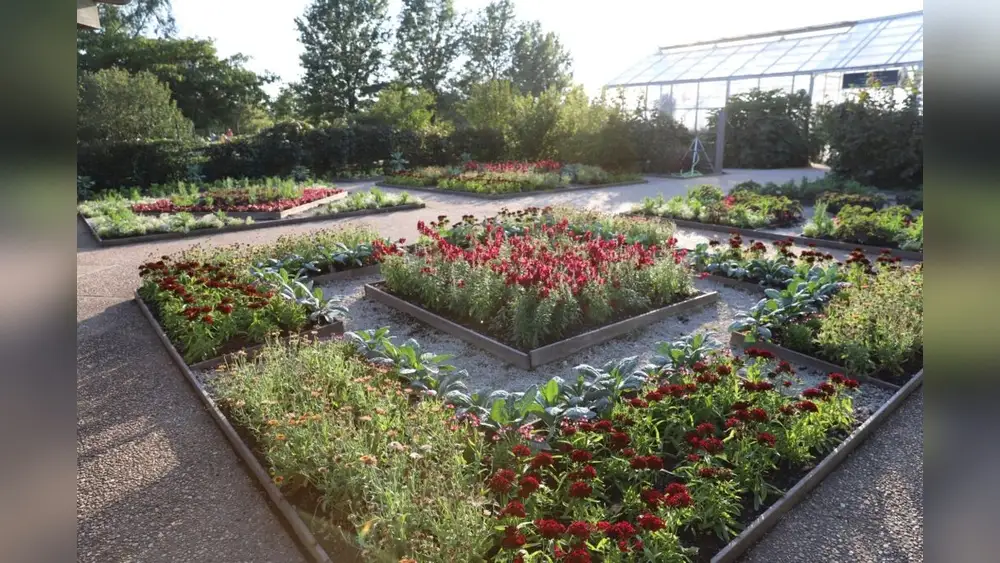
Are Snapdragons Good for Vegetable Gardens? Gardener’S Guide
Snapdragons, with their vibrant colors and whimsical dragon-shaped blooms, have long graced ornamental borders and cottage gardens. But in recent years, savvy home gardeners have started to ask a new question: can snapdragons earn a place in the heart of the vegetable garden ? Beyond mere aesthetics, snapdragons may offer functional benefits, from attracting pollinators to repelling pests. Yet, integrating flowers into a productive edible landscape requires careful planning and an understanding of plant interactions.
This guide explores whether snapdragons are genuinely beneficial for vegetable gardens . Drawing on scientific studies, real-world gardening experiences, and expert horticultural advice, we’ll uncover the practical advantages, potential drawbacks, and best practices for incorporating snapdragons alongside your favorite crops. Whether you’re seeking natural pest control, enhanced pollination, or simply a splash of color amid your greens and tomatoes, this comprehensive resource will help you decide if snapdragons deserve a spot in your edible oasis.
Key Takeaways
- Snapdragons attract pollinators and beneficial insects, supporting vegetable crop yields.
- They serve as natural pest deterrents and can help manage common garden pests.
- Planting snapdragons enhances garden biodiversity and aesthetic appeal.
- Some considerations include potential disease risks and resource competition.
- Strategic placement and care are vital for maximizing benefits in vegetable gardens.
The Science Behind Companion Planting With Snapdragons
Companion planting is a time-honored approach, leveraging plant synergies to boost productivity and resilience. Snapdragons (Antirrhinum majus) have unique attributes that influence their interactions with common vegetables.
Role Of Snapdragons In Companion Planting
Snapdragons are valued in companion planting for several key reasons:
- Attracting pollinators such as bees, bumblebees, and hoverflies, which are crucial for the pollination of crops like tomatoes, peppers, squash, and beans.
- Providing habitat for beneficial insects including predatory beetles and parasitic wasps, which help reduce populations of aphids, caterpillars, and other pests.
- Deterring certain pests due to their mildly aromatic foliage, which can confuse or repel pests like flea beetles and aphids.
Snapdragons also create a microclimate within the garden, helping to maintain humidity levels that support beneficial insects, particularly during dry spells. Their vertical form offers shelter for insects, with the dense foliage and blooms acting as a refuge from predators and harsh weather conditions.
This structure can be particularly valuable in urban gardens where habitat for pollinators is often limited.
Scientific Evidence And Studies
Research published in the Journal of Plant Ecology highlights the value of floral diversity in vegetable gardens , noting that mixed plantings can significantly increase pollinator visits by up to 62%. Other studies from the USDA Agricultural Research Service have documented reductions in pest outbreaks when flowering annuals such as snapdragons are interplanted with vegetables.
Further, a study conducted at the University of California, Davis, found that gardens with a higher density of flowering plants—including snapdragons—saw a notable reduction in pest damage on tomatoes, kale, and beans. The researchers attributed this to the increased presence of predatory insects and pollinators, which naturally regulate pest populations and boost crop yields.
How Snapdragons Interact With Vegetable Crops
Snapdragons are generally non-competitive and do not release allelopathic chemicals that inhibit vegetable growth. Their shallow root systems minimize competition for nutrients and water, making them compatible with most vegetable crops when spaced properly.
Snapdragons also tend to have a moderate growth rate, which means they rarely outpace vegetables in their vicinity. This makes them ideal for interplanting with slower-growing crops or those with similar water and nutrient requirements, such as lettuce, spinach, and carrots.
However, gardeners should note that snapdragons can sometimes shade low-growing crops if not managed carefully, particularly tall varieties.
Limits And Considerations
While snapdragons offer many benefits, it’s important to note:
- They do not repel every pest—certain insects, like thrips, may still be attracted.
- Snapdragons are susceptible to fungal diseases, which could spread to nearby plants if not managed.
- Overcrowding can lead to competition for sunlight and resources.
Additionally, snapdragons may struggle in gardens where soil drainage is poor or where they are exposed to persistent humidity. This can exacerbate disease problems and reduce their effectiveness as companion plants. It’s also important to consider the timing of their bloom, as snapdragons typically flower in cooler weather.
If your vegetable garden is dominated by heat-loving crops, you may need to plan for snapdragons as a spring or fall feature, rather than a summer mainstay.
Benefits Of Snapdragons In Vegetable Gardens
Snapdragons provide more than just ornamental value. Their integration into vegetable gardens can yield tangible ecological and practical benefits.
Pollinator Attraction And Support
Snapdragons’ tubular blooms are especially attractive to bumblebees and long-tongued bees, which are efficient pollinators for several vegetable crops. Enhanced pollinator presence leads to:
- Increased fruit set in crops like tomatoes, peppers, and cucumbers.
- Improved seed production for crops harvested for seeds.
- Extended pollinator activity throughout the growing season, as snapdragons often bloom earlier and longer than many vegetables.
Snapdragons can serve as a bridge for pollinators, providing nectar and pollen when vegetable crops are not yet in bloom. This is particularly valuable in climates with unpredictable spring weather, where early-flowering snapdragons help sustain pollinator populations until vegetable flowers emerge.
Moreover, by maintaining pollinator activity, snapdragons indirectly boost the health and productivity of the entire garden, supporting the pollination of herbs and fruiting shrubs as well.
Pest Management And Beneficial Insects
By providing nectar and shelter, snapdragons support populations of:
- Ladybugs (predators of aphids)
- Lacewings
- Parasitic wasps
- Ground beetles
These beneficial insects naturally suppress pest populations, reducing reliance on chemical controls.
Snapdragons also play a role in the life cycles of certain beneficial insects. For example, lacewing larvae—known for their voracious appetite for aphids—often seek refuge among snapdragon foliage. This helps ensure that these predators remain in the garden, even when pest populations are low, creating a buffer against sudden outbreaks.
Additionally, snapdragons can help draw predatory insects away from more sensitive crops, acting as a decoy or “banker plant” that supports beneficial insect populations throughout the growing season.
Enhancing Garden Biodiversity
Increased plant diversity is linked to improved ecosystem health. Snapdragons contribute by:
- Supporting a wider range of insect species.
- Creating microhabitats for spiders and predatory insects.
- Reducing the risk of pest outbreaks through greater ecological balance.
Snapdragons also help attract and sustain pollinators such as butterflies and moths, which may otherwise bypass vegetable gardens. Their diverse color palette appeals to a broad range of insect species, ensuring that your garden remains lively and productive. This biodiversity not only benefits vegetables but also improves soil health and resilience by encouraging a dynamic web of organisms above and below ground.
Aesthetic And Psychological Benefits
A visually appealing garden can enhance motivation and satisfaction for gardeners. The colorful spikes of snapdragons add:
- Visual interest and contrast to green vegetable foliage.
- A sense of order and design, especially when used as borders or focal points.
Gardens that blend flowers and vegetables are shown to increase gardener engagement, reduce stress, and improve mental well-being. The cheerful blooms of snapdragons, particularly when combined with edible crops, create a space that invites exploration and enjoyment. This can be especially important in educational or community gardens, where visual appeal fosters participation and learning.
Real-world Case Study: Urban Community Garden
A 2026 project in the Brooklyn Grange Rooftop Farm integrated snapdragons along the edges of raised vegetable beds. Gardeners observed a 35% increase in pollinator visits and a notable reduction in aphid infestations on lettuce and kale. The visual impact also contributed to greater community engagement and volunteer participation.
Feedback from volunteers highlighted the importance of color in drawing attention to the garden and making it feel more welcoming. Snapdragons also acted as a conversation starter for visitors, helping to educate the community about pollinator-friendly practices and the benefits of biodiversity.
Potential Drawbacks And How To Mitigate Them
While snapdragons offer numerous advantages, it’s essential to recognize and address potential downsides when adding them to a vegetable garden.
Susceptibility To Disease
Snapdragons can be prone to fungal diseases like:
- Rust (Puccinia antirrhini)
- Powdery mildew
- Botrytis (gray mold)
These diseases may spread to nearby plants, especially in humid or crowded conditions.
Snapdragons can also serve as a host for soil-borne pathogens, particularly when grown in the same spot year after year. If left unchecked, diseases can weaken snapdragons and reduce their effectiveness as companions. This risk is heightened in gardens with poor air circulation or where watering is done overhead, wetting the foliage and blooms.
Mitigation Strategies:
- Space plants adequately to improve airflow.
- Practice crop rotation and avoid planting snapdragons in the same spot each year.
- Remove and destroy infected plant material promptly.
Additionally, selecting disease-resistant snapdragon cultivars and monitoring plants regularly for early signs of infection can help maintain a healthy garden. Using drip irrigation and mulching around the base of snapdragons further reduces humidity and minimizes disease risk.
Competition For Resources
Although snapdragons have shallow roots, improper placement can lead to:
- Competition for water and nutrients with young or shallow-rooted crops.
- Shading of low-growing vegetables if snapdragons are planted too densely.
If snapdragons are allowed to grow unchecked, they may outcompete smaller vegetable seedlings for sunlight, particularly in beds with limited space. This can stunt the growth of nearby vegetables and reduce yields, especially for crops that require full sun or consistent soil moisture.
Solutions:
- Plant snapdragons along garden borders or between rows, not directly among dense crops.
- Monitor soil moisture and fertility, amending as needed.
For best results, pair snapdragons with vegetables that have similar water and nutrient needs, and avoid planting them too close to crops with delicate root systems. Mulching and careful irrigation management can also help ensure that all plants receive adequate resources.
Attraction Of Non-beneficial Insects
While snapdragons attract many beneficial insects, they may also draw:
- Thrips
- Leafhoppers
These pests can transmit viruses or feed on both snapdragons and crops.
Snapdragons may occasionally serve as a reservoir for pests, particularly in gardens where monoculture practices are common or where pest populations are high. This can be problematic if snapdragons are not monitored closely, as pests may migrate to neighboring vegetables and cause damage.
Preventive Measures:
- Use yellow sticky traps to monitor and control populations.
- Encourage a diverse planting scheme to dilute pest pressure.
Maintaining a balance of flowering plants and vegetables, and rotating snapdragon placements seasonally, can help reduce the risk of pest buildup. Integrated pest management practices, such as introducing natural predators and monitoring insect activity, are also effective.
Real-world Example: Suburban Raised Bed Garden
A home gardener in Portland, Oregon, noted a spike in powdery mildew after planting snapdragons too closely among squash vines. After adjusting spacing and improving airflow with trellises, disease incidence dropped by 70% the following season.
This example underscores the importance of adapting garden design and maintenance practices based on real-world outcomes. Gardeners who pay attention to plant health and adjust their approach accordingly can enjoy the benefits of snapdragons without suffering from preventable problems.

Best Practices For Integrating Snapdragons With Vegetables
Success in combining snapdragons with vegetables depends on thoughtful planning and garden management. Here’s how to maximize their benefits.
Strategic Placement
Consider the following when positioning snapdragons:
- Border plantings: Place snapdragons along the edges of beds to attract pollinators without crowding vegetables.
- Inter-row planting: Plant snapdragons in alternate rows with crops like carrots or lettuce for a tapestry effect.
- Grouping by height: Use taller snapdragon varieties as backdrops and dwarfs in front to avoid shading.
Snapdragons can also be used to visually separate different crop groups, helping to organize the garden and create distinct zones. This is particularly useful in large vegetable gardens or community spaces, where clear pathways and sections make maintenance easier and enhance overall design.
Timing And Succession Planting
- Start snapdragon seeds indoors 8-10 weeks before the last frost for early blooms.
- Transplant to the garden after risk of frost has passed; snapdragons tolerate cool spring temperatures well.
- For continuous color and benefit, succession plant snapdragons every 3-4 weeks.
Succession planting ensures that snapdragons continue to bloom throughout the growing season, maintaining pollinator activity and visual interest. In regions with mild winters, snapdragons may even overwinter and return in spring, providing an early source of nectar and pollen.
Variety Selection
Choose snapdragon varieties based on:
- Mature height: Dwarf (6-12”), medium (12-24”), or tall (24-36”) types.
- Bloom time: Early, mid, or late season.
- Disease resistance: Some modern cultivars are bred for improved resistance.
Variety selection can also affect the garden’s microclimate and visual structure. Tall snapdragons provide windbreaks and shade for heat-sensitive crops, while dwarf types are ideal for container gardens or edging pathways.
| Variety Name | Height | Best Use in Veg Garden | Disease Resistance |
|---|---|---|---|
| Rocket Series | 24-36” | Backdrops/borders | Moderate |
| Liberty Classic | 18-24” | Inter-row/edges | Good |
| Twinny | 10-12” | Front of beds | High |
| Candy Showers | 6-8” | Container edging | Moderate |
Soil And Water Management
- Well-drained, moderately fertile soil is ideal.
- Water at the base of plants to minimize leaf wetness and reduce disease risk.
- Apply organic mulch to conserve moisture and suppress weeds.
Snapdragons prefer soils with a neutral to slightly alkaline pH. Regularly test soil and amend as needed to maintain optimal conditions for both snapdragons and vegetables. Mulching not only conserves moisture but also reduces weed competition and provides a habitat for beneficial soil organisms.
Maintenance And Care
- Deadhead spent blooms to encourage continuous flowering.
- Monitor for pests and disease; act promptly to prevent spread.
- Fertilize lightly; excess nitrogen can promote lush growth but fewer blooms.
Snapdragons also benefit from periodic pruning, especially in midsummer, to encourage branching and prolong their bloom. Removing faded blooms and damaged leaves ensures that the plants remain healthy and productive, supporting their companion roles in the garden.
Integration Example: Mixed Edible-flower Bed
At the Royal Horticultural Society’s Wisley Gardens, snapdragons are interplanted with lettuce, carrots, and kale. Staff report fewer aphid outbreaks and a 20% boost in lettuce yields, attributed to increased pollinator activity and beneficial insect presence (RHS).
The garden also uses snapdragons to mark different planting zones, helping visitors and staff navigate easily and maintaining a visually cohesive landscape throughout the season.
Comparative Analysis: Snapdragons Vs. Other Companion Flowers
How do snapdragons stack up against other common companion flowers in vegetable gardens? Here’s a data-driven comparison:
| Flower | Pollinator Attraction | Pest Repellent Properties | Disease Risk | Best Vegetable Pairings |
|---|---|---|---|---|
| Snapdragon | High (bees, hoverflies) | Moderate (aphids, flea beetles) | Medium (fungal diseases) | Tomato, lettuce, kale, carrots |
| Marigold | Medium | High (nematodes, aphids) | Low | Tomato, pepper, beans |
| Calendula | High (bees) | Moderate (aphids, whiteflies) | Low | Squash, lettuce, brassicas |
| Nasturtium | Medium | High (aphids, whiteflies) | Low | Tomato, cabbage, cucumbers |
| Alyssum | Very High (hoverflies, bees) | Low | Low | Carrots, lettuce, onions |
Insights From The Comparison
- Snapdragons excel in attracting a broad spectrum of pollinators and some beneficial predatory insects.
- Their disease risk is higher than marigolds or calendula, but similar to other annuals if managed well.
- Marigolds and nasturtiums offer stronger direct pest-repellent effects, but snapdragons provide better visual structure and a longer bloom period in cool climates.
Snapdragons are also less aggressive than nasturtiums, which can quickly spread and overwhelm smaller vegetables. Their upright growth habit makes them easier to manage and integrate into structured garden plans, while their extended bloom period ensures continued pollinator support even as other flowers fade.
When To Choose Snapdragons
- When you want long-lasting color and strong pollinator support.
- If you have limited space and want to avoid aggressive spreaders like nasturtiums.
- In climates with cool springs and falls, where snapdragons outperform heat-loving alternatives.
Snapdragons are particularly suited to gardens where visual appeal and pollinator activity are priorities. Their versatility in both formal and informal designs makes them an excellent choice for gardeners seeking structure and color.
Real-world Case Study: School Garden Project
In a comparative trial at a primary school garden in Sacramento, CA, three raised beds were planted with either snapdragons, marigolds, or nasturtiums alongside tomatoes and peppers. Snapdragons attracted the most bumblebees and hoverflies, while marigolds provided the best aphid control.
Students reported greater enjoyment and engagement with the snapdragon-planted bed due to its vibrant colors and frequent pollinator visits.
This project demonstrated the educational value of integrating snapdragons, as children learned firsthand about pollination, biodiversity, and the importance of flowers in edible landscapes.
Designing A Vegetable Garden With Snapdragons
Incorporating snapdragons requires thoughtful design to optimize both their functional and aesthetic contributions.
Layout Strategies
- Perimeter Borders: Plant snapdragons along the outer edges to create a living fence and pollinator corridor.
- Mixed Rows: Alternate snapdragons with vegetable rows to intersperse color and attract beneficial insects throughout the garden.
- Companion Clumps: Group snapdragons near crops that benefit most from pollinators, such as tomatoes and peppers.
Snapdragons can also be used to mark garden entrances or transition points between different zones, creating a welcoming and organized landscape. Their upright growth and striking blooms offer a sense of rhythm and structure, guiding visitors through the garden.
Color And Height Coordination
- Use contrasting colors to highlight vegetable foliage (e.g., yellow snapdragons next to dark green kale).
- Select dwarf varieties for small spaces or containers; tall varieties work well as focal points or backdrops.
- Combine with other edible flowers for a cohesive look and multi-layered benefits.
By mixing snapdragon colors and heights, gardeners can create visually pleasing patterns and maximize pollinator attraction. This approach also helps avoid shading issues, ensuring that all crops receive adequate sunlight.
Seasonal Planning
- Snapdragons thrive in spring and fall; in hot climates, provide afternoon shade or plant for early/late season color.
- Pair snapdragons with cool-season crops like lettuce, spinach, and peas for synchronized growth and bloom periods.
Seasonal planning allows gardeners to stagger snapdragon plantings, ensuring that pollinators have a continuous food source and that the garden remains vibrant throughout the year.
Example Garden Plan
| Garden Zone | Vegetables | Snapdragon Placement | Other Flowers |
|---|---|---|---|
| North Border | Kale, carrots | Rocket Series (tall) | Calendula |
| East Edge | Tomatoes, peppers | Liberty Classic (medium) | Marigold |
| Interior Beds | Lettuce, spinach | Twinny (dwarf) | Alyssum |
| Container Corners | Herbs | Candy Showers (trailing) | Chives (edible flower) |
Accessibility And Pathways
- Low-growing snapdragons can line paths, making garden maintenance easier and more enjoyable.
- Use snapdragons to mark crop rotations or separate zones for visual and functional clarity.
Snapdragons are especially useful in gardens designed for accessibility, as their compact growth and vibrant colors help guide movement and ensure that all areas are easily identifiable.
Advanced Tips: Maximizing Snapdragons’ Benefits
For experienced gardeners seeking to push their vegetable garden’s productivity and beauty to the next level, consider these advanced strategies.
Integrated Pest Management (ipm) With Snapdragons
- Monitor pest populations weekly and adjust planting densities to balance beneficial insect support with disease risk.
- Combine snapdragons with trap crops (e.g., nasturtiums for aphids) for a layered defense.
Snapdragons can be part of a broader IPM strategy, serving as both attractants for beneficial insects and as visual indicators for pest activity. By integrating snapdragons with other companion plants, gardeners can create a resilient ecosystem that responds dynamically to pest and disease pressures.
Seed Saving And Self-sowing
- Allow some snapdragon plants to set seed at season’s end for self-sown volunteers the following year.
- Harvest seeds from disease-free plants for future sowing or sharing with gardening communities.
Snapdragon seeds are easy to collect and store, making them an excellent choice for gardeners looking to build a sustainable, self-renewing landscape. Self-sowing snapdragons can fill gaps in the garden and ensure that pollinators have a continuous food source.
Overwintering And Extending Bloom
- In mild climates (USDA Zones 7+), snapdragons may overwinter and bloom again in spring.
- Mulch heavily in late fall to protect roots and crowns from frost.
Gardeners in temperate regions can enjoy snapdragons for multiple seasons by protecting them through winter and pruning in early spring. This practice extends their bloom period and ensures that pollinators return year after year.
Organic Fertilization
- Incorporate compost or well-rotted manure before planting.
- Supplement with balanced organic fertilizers during the growing season for healthy, prolific blooms.
Organic fertilization supports both snapdragons and vegetables, promoting strong growth and reducing susceptibility to disease. Compost and manure also improve soil structure, benefiting the entire garden ecosystem.
Water-wise Gardening
- Group snapdragons with crops requiring similar moisture to streamline irrigation.
- Use drip irrigation to minimize water splash and fungal disease risk.
By aligning snapdragons with water-wise practices, gardeners can conserve resources and maintain plant health. Drip irrigation is particularly effective, as it delivers water directly to the root zone and reduces disease risk.
Frequently Asked Questions
Are Snapdragons Edible Or Toxic In Vegetable Gardens?
Snapdragons are non-toxic to humans and pets and are sometimes used as edible garnishes, though their flavor is considered bland or mildly bitter. They are safe to grow alongside edible crops but are not a significant culinary flower compared to options like nasturtium or calendula (NC State Extension).
Can Snapdragons Improve Pollination Of Specific Vegetables?
Yes, snapdragons are particularly effective at attracting bumblebees and long-tongued bees, which are key pollinators for tomatoes, peppers, and beans. Their continuous bloom period ensures pollinator support even when vegetable flowers are scarce.
Do Snapdragons Require Special Care Compared To Other Flowers In The Vegetable Garden?
Snapdragons are relatively low-maintenance but require well-drained soil and good air circulation to prevent disease. Regular deadheading and avoiding overhead watering will prolong their bloom and reduce fungal issues.
Can Snapdragons Be Grown In Containers With Vegetables?
Absolutely. Dwarf and trailing varieties like Twinny and Candy Showers thrive in containers. Pair them with compact vegetable varieties for small-space or patio gardening (Gardener’s Supply Company).
What Are The Best Snapdragon Varieties For Vegetable Garden Integration?
Choose dwarf and medium-height varieties for interplanting with vegetables, such as Liberty Classic or Twinny. For borders or backdrops, tall varieties like Rocket Series are ideal. Select disease-resistant cultivars to minimize maintenance and risk (Johnny’s Selected Seeds).
Integrating snapdragons into vegetable gardens is more than a matter of adding color—it’s a strategic move that can boost pollinator presence, support beneficial insects, and enhance both yield and beauty. While some care is needed to manage disease and avoid resource competition, the advantages far outweigh the drawbacks when snapdragons are thoughtfully placed and maintained. As more gardeners embrace pollinator-friendly, biodiverse edible landscapes, the humble snapdragon is poised to become a staple companion in thriving vegetable gardens everywhere. For further reading on maximizing garden biodiversity and flower integration, consult resources from the Garden Organic UK and Royal Horticultural Society. Try introducing snapdragons to your next garden plan—you might be surprised by the results!