Can Oil Contaminated Vegetable Gardens
Gardening offers a unique connection to the earth, promising fresh produce and a sense of accomplishment. However, not all soil is created equal. When vegetable gardens are exposed to oil contamination—whether from automotive leaks, industrial spills, or improper waste disposal—the risks extend far beyond stunted growth or poor yields.
The safety of the food produced, the health of the soil, and even the well-being of those who tend the garden are all at stake. Understanding the complexities of oil contamination is essential for anyone who values sustainable, safe, and productive gardening.
The threat is not merely theoretical. Across the United States and around the world, oil contamination in urban and rural gardens has become a growing concern. The consequences are far-reaching, including potential health hazards from consuming contaminated vegetables, long-term soil degradation, and the challenge of restoring land to its former productivity.
This article explores the science behind oil-contaminated vegetable gardens , the risks, real-world examples, remediation strategies, and how gardeners can protect their crops and their health.
Key Takeaways
- Oil contamination in vegetable gardens poses serious risks to food safety, soil health, and human well-being.
- Most vegetables grown in oil-affected soils can accumulate harmful hydrocarbons, making them unsafe to eat.
- Effective remediation and prevention strategies can restore soil health and reduce long-term risks.
- Regular soil testing and awareness are essential for urban and rural gardeners alike.
- Case studies demonstrate both the dangers and successful reclamation efforts in oil-impacted gardens.
Understanding Oil Contamination In Vegetable Gardens
What Is Oil Contamination?
Oil contamination refers to the presence of petroleum-based hydrocarbons in soil, usually resulting from spills, leaks, or improper disposal. These hydrocarbons include substances such as motor oil, diesel, gasoline, and lubricants. Once in the soil, oil can persist for years, affecting the physical and chemical properties of the garden environment.
Beyond the immediate presence of visible oil stains, contamination often includes a complex mixture of compounds. Some, like volatile organic compounds (VOCs), can evaporate, while others, such as polycyclic aromatic hydrocarbons (PAHs), may bind to soil particles and resist breakdown.
This diversity makes remediation challenging and necessitates targeted strategies depending on the specific contaminants present.
Sources Of Oil Contamination
Common sources include:
- Automotive leaks: Cars parked on or near garden beds can drip oil.
- Industrial spills: Accidents at factories or during transport can release oil into nearby land.
- Improper disposal: Pouring used oil onto the ground or into storm drains can lead to contamination.
- Historic contamination: Former industrial or commercial sites (brownfields) may have residual oil in the soil.
In addition, home heating oil tanks and old machinery, sometimes forgotten or buried in yards, can leak oil slowly over time. Rural properties may be affected by agricultural machinery leaks, while urban gardens face risks from past industrial use or proximity to busy roads where oil and fuel residues accumulate in dust and runoff.
How Oil Behaves In Soil
Oil’s behavior in soil depends on its composition and the soil’s characteristics. Light oils (like gasoline) can migrate quickly, while heavier oils (like motor oil) tend to bind to soil particles. Both can disrupt soil structure, reduce water retention, and limit oxygen availability to plant roots.
In clay soils, oil may spread more slowly but can be more difficult to remove due to strong binding with fine particles. Sandy soils, by contrast, allow faster vertical movement, increasing the risk of groundwater contamination. The presence of organic matter can sometimes aid in natural degradation but can also lead to complex interactions where contaminants persist longer.
Persistence And Movement
Hydrocarbons can persist for decades in soil, especially in cold or anaerobic conditions. They may move vertically, contaminating groundwater, or horizontally, spreading to adjacent areas. The slow breakdown of many petroleum compounds means that even small spills can have long-term impacts.
Natural attenuation—the process by which contaminants degrade over time through microbial action, sunlight, or chemical reactions—is often very slow for oil. In some climates or soil types, hydrocarbons remain virtually unchanged for generations. This persistence is why historic industrial sites still pose risks years after operations ceased.

Health Risks Of Consuming Vegetables From Oil-contaminated Gardens
Bioaccumulation Of Hydrocarbons
Vegetable plants can absorb polycyclic aromatic hydrocarbons (PAHs) and other toxic compounds through their roots. These chemicals may accumulate in edible tissues, especially in root vegetables such as carrots, potatoes, and beets.
The risk is not limited to direct uptake; leafy vegetables may also be contaminated by dust or splashback from contaminated soils. Fat-soluble hydrocarbons can concentrate in plant tissues, and repeated consumption—even at low levels—can lead to significant health impacts over time.
Table: Common Hydrocarbons Found In Oil-contaminated Soil And Their Health Effects
| Hydrocarbon | Source | Health Risks | Persistence in Soil |
|---|---|---|---|
| Benzene | Gasoline, Motor Oil | Cancer, Nervous System Effects | High (months to years) |
| Toluene | Gasoline, Solvents | Respiratory Problems, Neurological Damage | Medium (weeks to months) |
| PAHs | Crude Oil, Diesel | Cancer, Immune Suppression | Very High (years to decades) |
| Ethylbenzene | Gasoline | Liver, Kidney Damage | High (months to years) |
Short-term And Long-term Health Effects
- Short-term exposure: Nausea, headaches, dizziness, and skin irritation.
- Long-term exposure: Increased cancer risk, immune system suppression, and developmental effects in children.
Children may be more sensitive to hydrocarbon exposure due to lower body weight and developing organ systems. Pregnant women exposed to PAHs may face increased risks of birth defects or adverse pregnancy outcomes. Chronic low-level exposure has been associated with subtle but significant health effects, including hormonal disruption and increased susceptibility to infections.
Vulnerable Populations
Children, pregnant women, and immunocompromised individuals are particularly susceptible to the harmful effects of hydrocarbons present in contaminated vegetables.
Elderly individuals and those with pre-existing health conditions may also experience heightened effects. Community gardens serving food-insecure populations must be particularly vigilant, as these groups may rely heavily on their garden’s produce.
Regulatory Standards
Organizations such as the US Environmental Protection Agency (EPA) and the World Health Organization (WHO) set limits for hydrocarbon levels in soil and food. However, even low-level, chronic exposure may pose health risks, especially with cumulative consumption over time. For more details, see the EPA’s brownfield site guidelines.
Countries may differ in their acceptable limits; for example, the European Union has some of the strictest standards for PAHs in food crops. Compliance with these standards is essential for commercial growers and community gardens, as produce exceeding thresholds cannot be legally sold or distributed.

Impact Of Oil Contamination On Soil And Plant Health
Soil Structure And Microbial Life
Oil alters the soil structure, making it hydrophobic (water-repellent) and less able to retain moisture. Essential soil microbes, which drive nutrient cycling and organic matter decomposition, are often killed or severely reduced in contaminated soils.
Healthy soils teem with bacteria, fungi, and invertebrates that decompose organic matter and make nutrients available to plants. Oil contamination disrupts these communities, leading to reduced fertility and compaction. Mycorrhizal fungi, crucial for plant nutrient uptake, are particularly sensitive to hydrocarbons.
Table: Effects Of Oil Contamination On Soil Properties
| Soil Property | Normal State | Oil-Contaminated State | Impact on Plants |
|---|---|---|---|
| Water Retention | High | Low | Drought Stress |
| Microbial Activity | High | Low | Poor Nutrient Cycling |
| Soil Aeration | Good | Poor | Root Suffocation |
| pH Balance | Stable (6-7) | Variable | Nutrient Imbalances |
Effects On Plant Growth
- Reduced Germination: Oil can inhibit seed germination, leading to poor plant establishment.
- Stunted Growth: Lack of nutrients and poor root development result in weak, undersized plants.
- Leaf Discoloration: Chlorosis and necrosis are common symptoms.
- Yield Reduction: Overall harvests are smaller and may be unsafe to eat.
Plants may also exhibit twisted or malformed growth, wilting, and increased susceptibility to pests and diseases. The impact is often cumulative: as soil health declines, each subsequent planting suffers more, and the garden’s productivity spirals downward.
Crop Sensitivity
Some crops are more sensitive to oil contamination:
- Leafy greens (lettuce, spinach): Highly sensitive to soil toxins.
- Root crops (carrots, potatoes): Directly absorb hydrocarbons.
- Fruiting crops (tomatoes, peppers): Less affected in above-ground fruits, but still at risk.
Brassicas (like broccoli and kale) can also accumulate PAHs and heavy metals, making them a risky choice. Legumes (beans, peas) may survive but often yield poorly due to disruption of their nitrogen-fixing bacteria.
Soil Recovery Without Intervention
Natural remediation is slow. Heavy oil contamination can render soil unproductive for decades unless active remediation strategies are deployed.
Microbial populations may rebound over time, but only if conditions are favorable. In many urban environments, additional stressors such as compaction, heavy metals, or continued pollution can prevent natural recovery, making intervention essential for restoration.
Real-world Examples And Case Studies
Case Study 1: Urban Garden Near Automotive Shop (detroit, Mi)
An urban community garden in Detroit was found to have elevated PAH levels from a neighboring auto repair shop. Soil tests revealed that root crops grown in the affected beds had PAH concentrations exceeding WHO food safety limits. The garden shifted to raised beds with imported clean soil and implemented phytoremediation in the contaminated areas.
Within five years, PAH levels declined by 40%, but root vegetables remained restricted from the site. This highlights both the risks and the time required for recovery.
Community education was a critical part of the remediation process. Gardeners learned to recognize contamination risks, interpret soil test results, and implement safe gardening practices. Partnerships with local universities provided technical expertise, while grants helped fund soil replacement and ongoing monitoring.
Case Study 2: Oil Spill In Rural Vegetable Plot (nigeria)
A vegetable farm in the Niger Delta suffered a crude oil spill in 2018. The following season, yields of cassava and yams dropped by 70%, and laboratory analysis detected benzene and toluene in edible tissues. The local agricultural cooperative, with support from international NGOs, applied bioremediation techniques, including composting and planting oil-tolerant grasses. After three years, vegetable production partially recovered, but residual contamination persisted. Wikipedia – Oil Spill Environmental Impact provides additional context.
Long-term community health studies are ongoing, as local residents rely heavily on subsistence crops. This case demonstrates the disproportionate impact of oil contamination in regions already facing food insecurity and limited access to technical remediation resources.
Case Study 3: Brownfield Redevelopment For Urban Farming (london, Uk)
A former industrial site in London was converted into an urban farm. Initial soil assessments showed high levels of hydrocarbons and heavy metals. The project used a combination of soil replacement, raised beds, and ongoing monitoring to safely grow vegetables. Crops from raised beds tested below EU limits for contaminants, demonstrating that with proper intervention, urban agriculture is possible on previously contaminated land. See more on UK government brownfield guidance.
The project also implemented community education workshops and outreach to dispel myths about urban food safety, empowering residents to engage with brownfield gardening without undue fear. This model of transparent risk communication and robust remediation offers hope for city-based agriculture worldwide.
Remediation And Recovery Strategies For Oil-contaminated Gardens
Soil Testing And Risk Assessment
The first step in any remediation effort is comprehensive soil testing. Laboratories can analyze for total petroleum hydrocarbons (TPH), PAHs, and other contaminants. Testing should be conducted at several depths and locations to map the extent of contamination.
Professional interpretation of test results is crucial. Soil scientists or environmental consultants can help prioritize remediation strategies, estimate costs, and navigate regulatory requirements. Many local extension services can recommend certified labs and assist with sample collection protocols.
Comparison Table: Remediation Methods For Oil-contaminated Soil
| Method | Effectiveness | Cost | Timeframe | Best For |
|---|---|---|---|---|
| Excavation & Replacement | Very High | High | Immediate | Small gardens, severe contamination |
| Phytoremediation | Moderate | Low | Years | Moderate contamination, large areas |
| Bioremediation | High | Medium | 1-3 years | Organic gardens, sustainable recovery |
| Soil Washing | High | Very High | Months | Industrial sites |
| Capping & Raised Beds | High (for new crops) | Medium | Immediate | Urban gardens |
Phytoremediation
This method uses plants (such as sunflowers and mustard greens) to absorb, degrade, or immobilize contaminants. While affordable and environmentally friendly, it can take several years and is best suited for moderate contamination.
Some plants are hyperaccumulators, able to take up large quantities of hydrocarbons or even heavy metals. After each growing season, plant material must be carefully disposed of, as it may itself be hazardous. Ongoing research is identifying new plant species and genetic variants with improved remediation capabilities.
Bioremediation
Bioremediation involves adding microorganisms or organic matter (like compost) to accelerate the breakdown of hydrocarbons. This method is increasingly popular in organic and sustainable agriculture, as it improves soil health while reducing toxins.
Compost amendments, particularly those rich in fungi, can enhance natural degradation processes. Inoculants containing specific bacteria (such as Pseudomonas or Rhodococcus species) may further boost breakdown rates. Bioremediation works best when soil moisture, aeration, and temperature are carefully managed.
Soil Replacement And Raised Beds
For severe contamination, removing and replacing the topsoil or installing raised beds with clean soil is the fastest way to resume safe vegetable production. This is often necessary in urban areas where legacy contamination is common.
Soil removal can be expensive and logistically challenging but immediately eliminates the source of risk. Raised beds, lined and filled with certified clean soil, provide a practical solution for community gardens and home growers. Selection of barrier materials (such as heavy-duty plastic or geotextile fabric) is important to prevent root penetration and future contamination.
Ongoing Monitoring
After remediation, continued soil testing is essential to ensure that contaminant levels remain within safe limits.
Periodic testing helps track the effectiveness of remediation, catch any recontamination early, and provide documentation for regulatory compliance or property transactions. Keeping records of all test results and interventions ensures transparency and supports safe gardening decisions.
Government And Community Support
Local extension services, environmental agencies, and nonprofits often offer guidance, technical support, or even financial assistance for remediation projects. Learn more from the USDA Natural Resources Conservation Service.
Community-led initiatives, such as garden cooperatives or neighborhood associations, can pool resources for bulk soil testing, group purchases of remediation materials, or shared educational events.
Prevention: How To Avoid Oil Contamination In Your Vegetable Garden
Location, Location, Location
Choose garden sites away from:
- Parking areas or driveways
- Industrial or commercial zones
- Former factory or gas station sites
Research a site’s history before planting, especially in urban or suburban settings. Local records, old maps, or historical photos can reveal past uses that might signal contamination risks.
Safe Gardening Practices
- Use drip trays under vehicles and equipment to catch leaks.
- Store fuel, oil, and chemicals away from the garden area.
- Never pour used oil on the ground or into drains.
Promptly clean up any spills with absorbent materials and dispose of waste according to local hazardous materials guidelines. Regularly inspect garden infrastructure—such as compost bins, tool sheds, and irrigation systems—for leaks or signs of contamination.
Regular Soil Testing
Test soil every 2-3 years, especially in urban areas or near potential sources of contamination.
Frequent testing is especially important after major weather events, construction projects, or changes in property use, all of which can disturb buried contaminants or introduce new risks.
Raised Bed And Container Gardening
Where contamination is suspected or unavoidable, use raised beds or containers with certified clean soil. This approach is common in community gardens and urban agriculture projects.
Containers can be placed on patios, rooftops, or paved areas, completely isolating crops from potentially contaminated ground. Select food-safe materials for beds and containers, and replace soil as needed to maintain quality.
Education And Awareness
Stay informed through local gardening groups, extension services, and environmental organizations. The American Community Gardening Association offers resources and best practices.
Engage with neighbors to share experiences and collectively monitor for sources of contamination. Educational workshops or local newsletters can keep the community up to date on prevention strategies and regulatory changes.
Legal Protections
Know your rights and local regulations. Some cities and states have programs to help clean up contaminated urban land and support safe food production.
Community gardens may be eligible for public grants or technical assistance to assess and remediate their sites. Familiarity with local ordinances ensures compliance and enables access to available support.
Legal And Regulatory Framework For Oil-contaminated Soils
Federal And State Regulations
In the US, the Comprehensive Environmental Response, Compensation, and Liability Act (CERCLA), commonly known as Superfund, governs the remediation of contaminated sites. The EPA and state agencies set limits for hydrocarbons and other pollutants in soil used for agriculture.
States may have additional programs, such as voluntary cleanup initiatives or brownfield redevelopment grants, to encourage the safe reuse of contaminated land. Compliance with these programs is often required before establishing new community gardens or selling produce commercially.
Local Ordinances
Many cities have urban agriculture ordinances that require soil testing and remediation before food production is permitted on formerly industrial land. For example, Boston’s Urban Agriculture Rezoning requires testing for contaminants before issuing permits. See more at the City of Boston.
Some municipalities provide technical assistance, subsidized testing, or even free soil for community gardens. Understanding these resources can make a critical difference in the feasibility and safety of urban gardening projects.
Liability And Cleanup Responsibility
Landowners are often responsible for cleanup, even if they did not cause the contamination. Grants, tax incentives, and technical support may be available for remediation projects.
Nonprofit organizations, schools, and community gardens may be eligible for reduced liability through “Good Samaritan” laws or brownfield cleanup partnerships, which can reduce financial barriers to remediation.
Food Safety Standards
Crops grown on remediated or formerly contaminated land must meet strict food safety standards. Harvested produce may be subject to testing for hydrocarbons and other pollutants before entering the market.
For commercial growers, failing to meet standards can result in destroyed crops, lost income, and legal penalties. Community gardens distributing food to the public must also comply with local health department requirements.
International Guidelines
The FAO and WHO provide international guidance on safe levels of hydrocarbons in soils and crops, influencing regulations worldwide. Learn more at the FAO Food and Agriculture Organization.
Increasingly, international aid and development agencies are supporting efforts to reclaim contaminated land in food-insecure regions, emphasizing the importance of global cooperation in addressing soil contamination.
Safe Gardening On Previously Contaminated Land
Selecting Safe Crops
Some crops accumulate fewer contaminants:
- Fruit crops (tomatoes, peppers, squash): Lower risk if grown above ground and away from contaminated soil.
- Herbs (basil, rosemary): Generally absorb fewer hydrocarbons.
Avoid growing:
- Root vegetables (carrots, potatoes, beets) in contaminated soils.
Consider perennial fruiting shrubs or vines (such as blueberries, raspberries, or grapes) in raised beds, as these can provide high yields with lower contamination risks when planted in clean soil.
Using Physical Barriers
Install landscape fabric, heavy-duty plastic liners, or geotextiles under raised beds to prevent root contact with contaminated soil.
For larger gardens, capping the entire area with a thick layer of clean soil or mulch can further reduce exposure risks. Ensure barriers are intact and replace or repair them as needed, especially after storms or heavy use.
Water Quality Monitoring
Ensure irrigation water is free of hydrocarbons, especially if sourced from wells near contaminated land.
Regularly test water sources for petroleum residues, and avoid using runoff or water collected from roads, parking lots, or industrial roofs. Clean water is essential to prevent recontamination of remediated soil.
Hygiene And Harvest Practices
- Wash all produce thoroughly.
- Peel root vegetables before consumption.
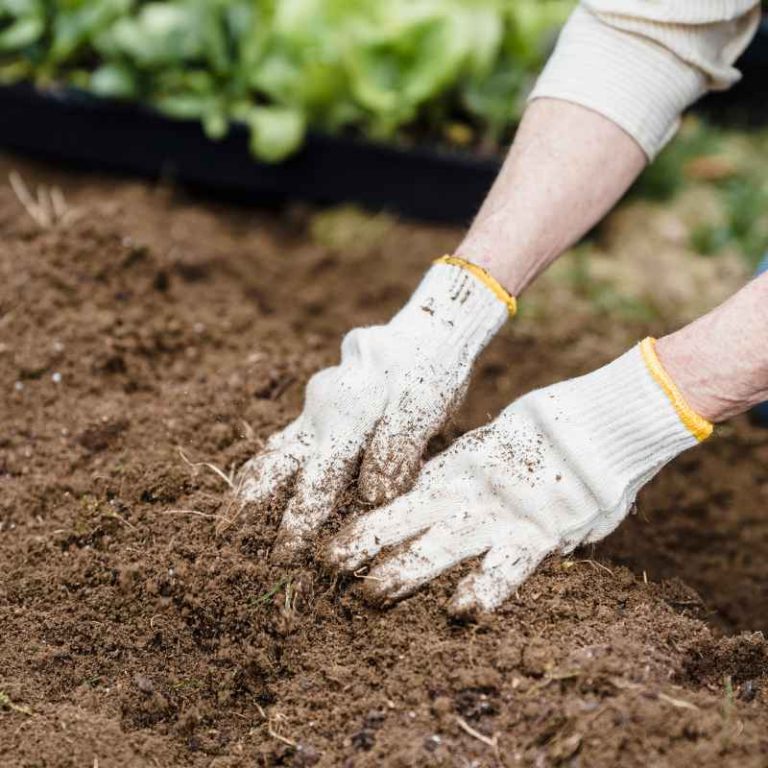
- Wear gloves when working in potentially contaminated soils.
Install hand-washing stations in community gardens, and educate gardeners on the importance of cleaning tools and footwear to prevent spreading contaminants.
Community Engagement
Collaborate with local organizations to share best practices, pool resources for soil testing, and advocate for remediation of shared spaces.
Participate in public forums or local government meetings to stay informed about environmental health issues and influence policy decisions that affect gardening safety.
Frequently Asked Questions
What Are The Signs Of Oil Contamination In A Vegetable Garden?
Visible symptoms include patchy plant growth, oily residue on the soil surface, unusual odors (like gasoline or diesel), and poor seed germination. Laboratory soil testing is the most reliable way to confirm contamination.
Additionally, you may notice abnormal plant development, persistent water pooling (due to hydrophobic soil), or a lack of earthworms and beneficial insects in the soil. If you suspect contamination, avoid harvesting food until testing is complete.
Is It Safe To Eat Vegetables Grown In Oil-contaminated Soil?
Generally, it is not safe to eat vegetables grown in oil-contaminated soil, especially root crops. Edible plants may accumulate dangerous hydrocarbons. Always test soil and follow safety guidelines before consuming produce from suspect sites.
If you have unknowingly consumed such produce, monitor for symptoms of toxicity, and consult your healthcare provider, especially if you fall into a vulnerable group.
How Can I Test My Garden Soil For Oil Contamination?
Contact a certified environmental laboratory or local cooperative extension office. They offer soil testing services that screen for petroleum hydrocarbons, PAHs, and other contaminants. Collect samples from multiple garden areas and depths for accurate results.
Request a full report, and seek expert interpretation to decide next steps. Some labs also offer guidance on safe sampling, packaging, and shipping procedures.
Can Oil Contamination In Soil Be Completely Removed?
In many cases, complete removal is possible with excavation and replacement or advanced remediation technologies. However, for large areas or deep contamination, residual traces may persist. Ongoing monitoring and safe gardening practices are recommended.
Combining multiple remediation methods may yield the best results. Document all interventions to support future property transactions or regulatory inquiries.
What Are The Best Crops To Grow In Previously Contaminated Soil?
Fruit crops (e.g., tomatoes, peppers) and herbs are generally safest, especially when grown in raised beds with clean soil. Avoid root vegetables and leafy greens unless soil tests confirm safe conditions.
Consult with local extension agents for region-specific recommendations and ongoing support.
As the world embraces urban agriculture and community gardening, understanding and addressing the risks of oil contamination is more important than ever. By staying informed, testing soil regularly, and applying proven remediation and prevention strategies, gardeners can reclaim and safely enjoy even challenging land.
Whether you’re a backyard enthusiast or managing a community plot, proactive stewardship ensures that our vegetable gardens remain sources of health, not harm. For more on this, see our guide on Vegetable Gardening .