What to Plant in a Vegetable Garden in Fall by Frost Date
Plant fall vegetables when your first frost date still leaves enough days for maturity: add sowing days, then multiply by 1.25 to 1.5 for cool weather, and choose crops that finish before hard freeze. Miss the timing and you get small harvests, bolting greens, or plants that die before sizing up. This guide shows what to sow now, what to transplant now, and what to skip by frost date and climate.
Fall crop decision table


Use this table first. Match your crop, then check how many weeks you have before first frost, whether the crop is better direct-sown or transplanted, whether it is mainly a warm-zone option, and when to skip it. “First frost” means the first 32°F night that can damage tender growth; a hard freeze is colder, usually 28°F or below, and it ends many warm-season crops outright. For the timing method, extension guides commonly recommend counting backward from first frost and adjusting maturity for fall’s slower growth; see the University of Minnesota Extension’s frost-date guidance and the Cornell Garden-Based Learning fall planting guidance. The Almanac can be a secondary check, but extension and university timing charts should lead.
| Crop | Weeks before first frost | Direct sow vs transplant | Warm zones only | Skip if less than X days remain |
|---|---|---|---|---|
| Looseleaf lettuce | 4 to 8 | Direct sow or transplant | No | Skip if less than 30 days remain |
| Spinach | 4 to 8 | Direct sow | No | Skip if less than 30 days remain |
| Arugula | 3 to 6 | Direct sow | No | Skip if less than 25 days remain |
| Mustard greens | 3 to 6 | Direct sow | No | Skip if less than 25 days remain |
| Radishes | 3 to 5 | Direct sow | No | Skip if less than 20 days remain |
| Turnips | 4 to 6 | Direct sow | No | Skip if less than 30 days remain |
| Scallions | 6 to 10 | Direct sow or transplant | No | Skip if less than 45 days remain |
| Swiss chard | 6 to 10 | Direct sow or transplant | Mild/warm zones only | Skip if less than 45 days remain |
| Kale | 6 to 10 | Transplant or direct sow | No | Skip if less than 45 days remain |
| Carrots | 8 to 12 | Direct sow | No | Skip if less than 55 days remain |
| Beets | 6 to 10 | Direct sow | No | Skip if less than 45 days remain |
| Parsnips | 10 to 14 | Direct sow | Warm zones or very early windows | Skip if less than 70 days remain |
| Broccoli | 8 to 12 | Transplant | Warm zones preferred | Skip if less than 55 days remain |
| Cauliflower | 8 to 12 | Transplant | Warm zones only | Skip if less than 60 days remain |
| Brussels sprouts | 12 to 16 | Transplant | Warm zones only | Skip if less than 80 days remain |
| Kohlrabi | 5 to 8 | Direct sow or transplant | No | Skip if less than 35 days remain |
Plant now / transplant now / skip this fall:
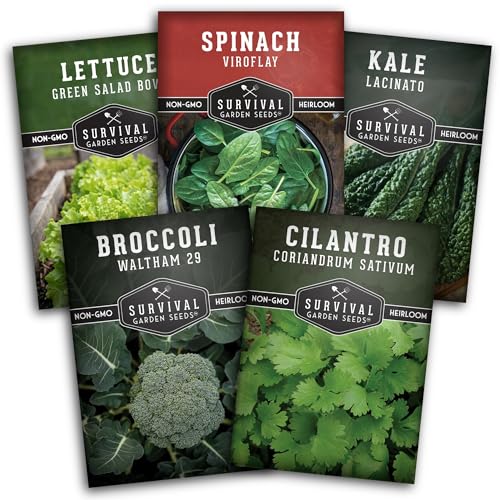
- Plant now: lettuce, spinach, arugula, mustard greens, radishes, turnips, beets, kale, kohlrabi
- Transplant now: kale, broccoli, cauliflower, Brussels sprouts, scallions if starts are already established
- Skip this fall: any crop that needs more than the days left before first frost, plus warm-season vegetables that will not size up before hard freeze
When should you plant fall vegetables?
Start with your first expected frost date. Count backward from the crop’s days to maturity, then adjust for fall conditions. A practical rule is to use 1.25x the packet days for fast cool-season crops and 1.5x for slower crops or late plantings, because shortening days and cooler soil slow growth. That is the same basic timing logic used in university frost-date and fall-gardening guides, including the University of Minnesota Extension and Cornell extension resources.
Work backward from frost
Fall planting should work backward from the first expected frost date. Count the crop’s maturity days from transplanting or sowing, then add a buffer for reduced fall growth. The USDA and university extension resources commonly use local frost dates to anchor the calendar because a crop with a 40-day label can still miss the window if nights cool early and growth slows.
Add a cool-weather buffer
Use a 1.25x adjustment for quick crops that mature fast in cool weather, such as lettuce, arugula, mustard, and radishes. Use 1.5x for slower crops or anything that needs more bulking time, such as carrots, beets, scallions, kohlrabi, or brassica starts. Seed packets list maturity under good conditions, not under shortening days, colder soil, and less intense sunlight. For crop-specific timing, the Almanac can be a secondary reference, but extension and university crop guides should remain the main source.
Use zone as a second check
Your climate zone helps sort crops into three groups: quick harvest, overwintering, and too late for this year. Warm zones often allow later sowings of Swiss chard, cauliflower, and Brussels sprouts, while colder zones usually favor fast greens and roots. If your first frost is close, choose crops that can finish before frost or stand in the garden after it.
What should you sow directly in fall?
Sow fast crops directly when the soil is still warm enough for quick germination and your frost date leaves enough time to harvest. Looseleaf lettuce, spinach, arugula, mustard greens, radishes, turnips, and many Asian greens fit that job well. These crops suit beginners because they respond quickly and do not need transplant handling.
Looseleaf lettuce
Looseleaf lettuce can be ready in about 30 to 45 days, depending on variety and harvest size. That makes it one of the most reliable fall crops for a fast return, especially when you harvest leaves young. Cornell’s lettuce guidance and extension planting calendars consistently place lettuce among the easiest fall crops to fit into a short window.
Spinach
Spinach is a cool-season crop that is less likely to bolt in fall than in spring. It can tolerate light frost and often improves in flavor after cool weather. University extension resources on leafy greens commonly treat spinach as a strong fall sowing choice because it can keep growing in cooler temperatures when warm-season crops stall.
Radishes and quick roots
Radishes are among the fastest root crops, so they work well when your frost window is tight. Many types can be ready in under a month, which is why they are a better bet than long-season roots if you want a quick harvest before the weather turns. Sow them in short successions for a longer picking window.
Asian greens for succession planting
Asian greens such as tatsoi, pak choi, mizuna, and napa cabbage are useful for fall succession planting. Baby bok choy can be ready in about 30 days in the right conditions, and many mustard-type greens are in the same range. That speed makes Asian greens a strong option when you want repeated sowings instead of a single big harvest.
Say your garden has a first frost date in late October and one 4-by-8-foot bed opens after beans are pulled. That bed can support a quick round of looseleaf lettuce and baby bok choy, while a row of parsnips would be a poor bet because they need a much longer run.
What should you transplant in fall?
Transplant fall crops when the garden already has sturdy starts and the calendar is too tight for seed to catch up. Kale, broccoli, cauliflower, Brussels sprouts, scallions, and Swiss chard are better choices as transplants than as fresh seed in many climates. Transplants buy time, which matters when daylight shortens fast.
Kale and other leafy transplants
Kale is a cold-hardy leafy green that often gets sweeter after light frost. That makes it a dependable fall transplant, especially in beds that need a crop with some staying power. Swiss chard can also work in mild or warm zones where fall stays long enough for it to establish before winter.
Broccoli and cauliflower starts
Broccoli and cauliflower are cooler-weather brassicas, but they are slower than greens. That delay makes them harder to fit into a short fall window. Extension and university guides commonly recommend transplanting them rather than sowing late because the transplants need less time in the ground, but they still need a meaningful frost buffer.
Brussels sprouts and kohlrabi starts
Brussels sprouts are very slow, so they usually miss the fall window unless your climate is mild or your starts are already large. Kohlrabi is more flexible and can fit a fall planting better than Brussels sprouts. If your first frost is near, choose kohlrabi over any long-season brassica.
When transplants beat seed
Use transplants when a crop needs more time than your frost date can provide, or when seed would be too risky in cold soil. Transplants are also useful when a bed must be filled quickly after summer crops come out. They are not a fix for very late planting, but they do widen the margin.
Which root crops handle cool weather best?
Carrots, beets, radishes, and parsnips can all fit a fall garden, but they do not behave the same way. Radishes are the quickest. Carrots and beets are solid cool-weather crops. Parsnips are the longest commitment and belong in early, mild, or warm-zone fall plantings.
Carrots
Carrots sweeten in cool soil, which is why many gardeners value them for fall. They need enough time to size up before the ground freezes, so they are best when your frost date still leaves a workable window. Thin stands early so roots have room to bulk up.
Beets
Beets also do well in cool weather and can handle light frost. They give you both roots and edible greens if you harvest them young. For fall, they are more forgiving than long-season brassicas, but they still need a clear runway before hard freeze.
Radishes
Radishes are the quick answer when the bed opens late. They mature fast, tolerate light frost, and can be used to fill gaps between slower fall crops. That makes them useful in mixed beds where you want an early harvest while other plants size up.
Parsnips
Parsnips are commonly the slowest root crop in this group. They need a long runway, so they are usually best in warm zones or in very early fall windows. If your first frost is near, skip them and choose carrots, beets, or radishes instead.
How do you prep beds for fall planting?
Fall beds need a reset after summer crops. Clear finished plants, refresh tired soil, and check for disease before you replant. Compost or organic fertilizer is especially helpful after heavy feeders, because the next crop has to grow in the same space on a shorter schedule.
Clear or keep occupied beds
If summer crops are finished, remove them before planting fall vegetables. If the bed is still occupied, you have two choices: wait for it to open or use only crops that can fit into the remaining window. Do not squeeze fall crops into a bed that is still shaded and crowded by late tomatoes or peppers.
Refresh the soil
Add compost or organic fertilizer to beds that look tired after summer harvests. This step matters most after heavy feeders, because fall crops still need nutrients even though the season is shorter. Work amendments into the top layer so roots can access them quickly.
Watch for disease pressure
If a bed had leaf spot, mildew, or other disease issues, replant with caution. Some pathogens linger in plant debris and stressed soil. In that case, it is safer to clean out the bed well, avoid replanting the same crop family, and choose a crop with a shorter finish time.
A common first-timer mistake is clearing a tomato bed and planting broccoli seedlings the same week. If the soil is still depleted and the first frost is close, the starts often stall. A quicker choice, such as radishes or looseleaf lettuce, is more likely to pay off before cold weather closes in.
How do you extend the fall harvest?
Row covers, steady watering, and the right planting spot can stretch your harvest window after nights cool down. These tools do not turn a late crop into an early one, but they can protect tender seedlings, slow frost damage, and buy extra picking time for leafy greens and roots.
Use row covers
Row covers are a simple season-extension tool. They help protect seedlings from frost and can keep harvests going longer into cool weather. Use them on greens, young brassicas, and other crops that still have time to size up but need a little protection from early cold.
Choose sheltered spots
Planting near a wall or fence can give crops a small warmth advantage and some wind protection. That matters most for fall seedlings that need a few extra weeks. A sheltered bed may be the difference between a usable harvest and a crop that stalls after the first cold snap.
Keep moisture steady
Even in cooler weather, seedlings can dry out fast. Water newly planted beds so the soil settles around seed or roots, then keep moisture even until plants are established. Dry soil slows germination and can make a short fall window even shorter.
Know when to stop
Stop planting tender crops once the frost window closes. Tomatoes, peppers, cucumbers, and other warm-season vegetables are poor fall bets in most gardens. If a crop needs heat to size up and your first frost is close, skip it and put your effort into greens or roots instead.
Frequently asked questions
What vegetables can be planted in fall?
The most reliable fall vegetables are looseleaf lettuce, spinach, arugula, mustard greens, radishes, carrots, beets, kale, and many Asian greens. In milder climates, broccoli, cauliflower, kohlrabi, scallions, Swiss chard, and Brussels sprouts can also fit if you use transplants or have enough time before frost. Choose by maturity days first.
What to plant in the fall garden?
Start with crops that finish fast or tolerate cool weather well. Looseleaf lettuce, spinach, arugula, mustard greens, radishes, kale, and Asian greens are the safest choices for most home gardens. If your season is longer, add carrots, beets, scallions, and some brassica transplants. Skip slow warm-season crops.
What to plant in fall?
Plant what your frost date can support, not every crop on the seed rack. Fast greens and roots usually offer the best return, while long-season crops need a wider margin. If you are unsure, choose lettuce, spinach, radishes, or kale before attempting brassicas that need more time.
When to plant fall vegetables?
Plant fall vegetables by counting backward from your first expected frost date, then add a week or two for slower growth. For quick greens, use about 1.25x the packet days as a safety margin; for slower roots and brassicas, use about 1.5x. That gives you a realistic sowing date for each crop. Use the seed packet maturity days as the starting point, then adjust for cooler conditions and your zone.
What vegetable to plant in the fall?
If you want one dependable answer, choose looseleaf lettuce or spinach. Both fit a short fall window better than many other vegetables, and both can give useful harvests before hard freeze. For a sturdier option, kale is a strong transplant choice in many gardens.
What plants to plant in the fall?
Plant cool-season vegetables and cold-hardy crops that can work with shorter days. That includes leafy greens, quick roots, and some brassicas. If your garden is in a warm zone, you can broaden the list. If not, stay with the fastest crops and protect them with row covers.
Sources
- University of Minnesota Extension: Frost dates and planting windows
- Cornell Garden-Based Learning: Fall vegetable gardening
- The Old Farmer’s Almanac: What to plant now
- The Old Farmer’s Almanac: Planting calendar
- The Old Farmer’s Almanac: Vegetable gardening guide
- Royal Horticultural Society: Growing and harvesting vegetables