Best Patio Vegetables for Containers (2026): we compared
The best vegetables for container gardening on patios are bush beans, lettuce, radishes, cherry tomatoes, peppers, and spinach; match shallow pots (6-8 inches) to greens and 12-18 inches to fruiting crops, with 6+ hours of sun. Pick the wrong crop, and you waste space, buy pots that are too large, and end up with weak harvests. This guide sorts patio vegetables by pot depth, sunlight, heat, and upkeep so you can choose crops that fit your exact setup.
This guide is part of our Vegetable gardening guide series.
Quick comparison
| Product | Badge | Best for | Price | ||
|---|---|---|---|---|---|
 | YNNICO 8,7, 6.5, 6, 5.5, 5 Inches Self Watering PlantersYNNICO | Budget pick | 6 self-watering planters, 5-8 in | $19.79 Price as of 1 Oct 2026 | View |
 | Utopia Home Galvanized Raised Garden Bed Kit 4x2x1ft,Utopia Home | Upgrade pick | 4x2x1ft galvanized raised garden bed | $23.99 Price as of 1 Oct 2026 | View |
 | FoxFarm Ocean Forest Potting Soil for Container Gardens –FoxFarm | Our pick | 12 qt potting soil for container gardens | $26.99 Price as of 1 Oct 2026 | View |
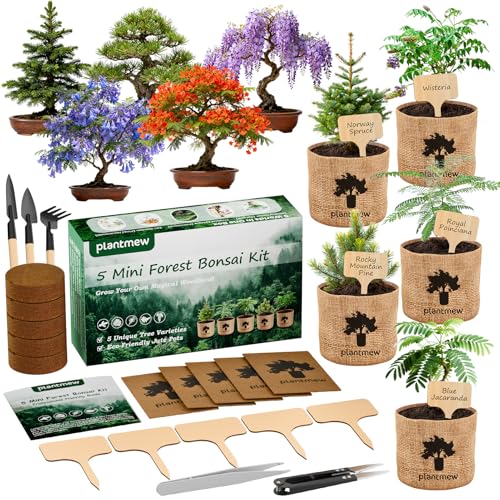 | Bonsai Starter Kit for Adults – Complete Indoor TreePLANTMEW | Also great | Bonsai starter kit with 5 seed varieties | $9.95 Price as of 1 Oct 2026 | View |
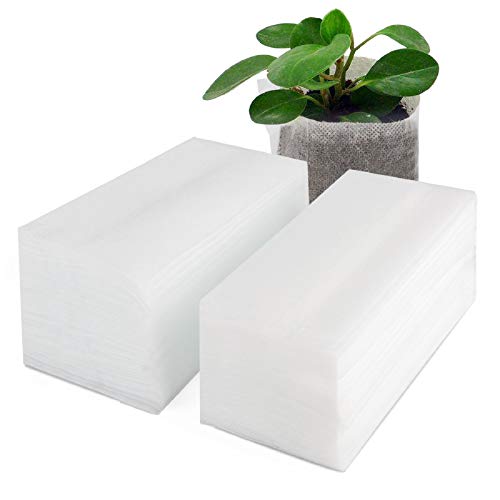 | ENPOINT Seedling Grow Bags for Plants Bulk, 6×8 inchesENPOINT | Our pick | $8.70 Price as of 2 Oct 2026 | View |
This table is the quickest way I know to sort crops by patio fit before you buy pots. Use it to separate hot-patio winners from shade-tolerant greens, and to spot which plants need extra watering or support.
If your patio gets hard afternoon heat, start with bush beans or cherry tomatoes in large containers. If you only get filtered light, lettuce and spinach are the safer picks.
How we chose
The ranking here follows patio fit, not popularity. Sun exposure, root depth, heat load, water demand, and maintenance level matter more in containers than they do in beds.
We also weighted failure risk: bolting in heat, leggy growth in weak light, blossom end rot in thirsty pots, and root crowding in undersized containers. That is where patio gardens usually lose time.
Finally, the list favors crops that are easier to match to common patio conditions: shallow pots, medium-depth planters, dry west-facing spaces, and spots where daily watering is not realistic.
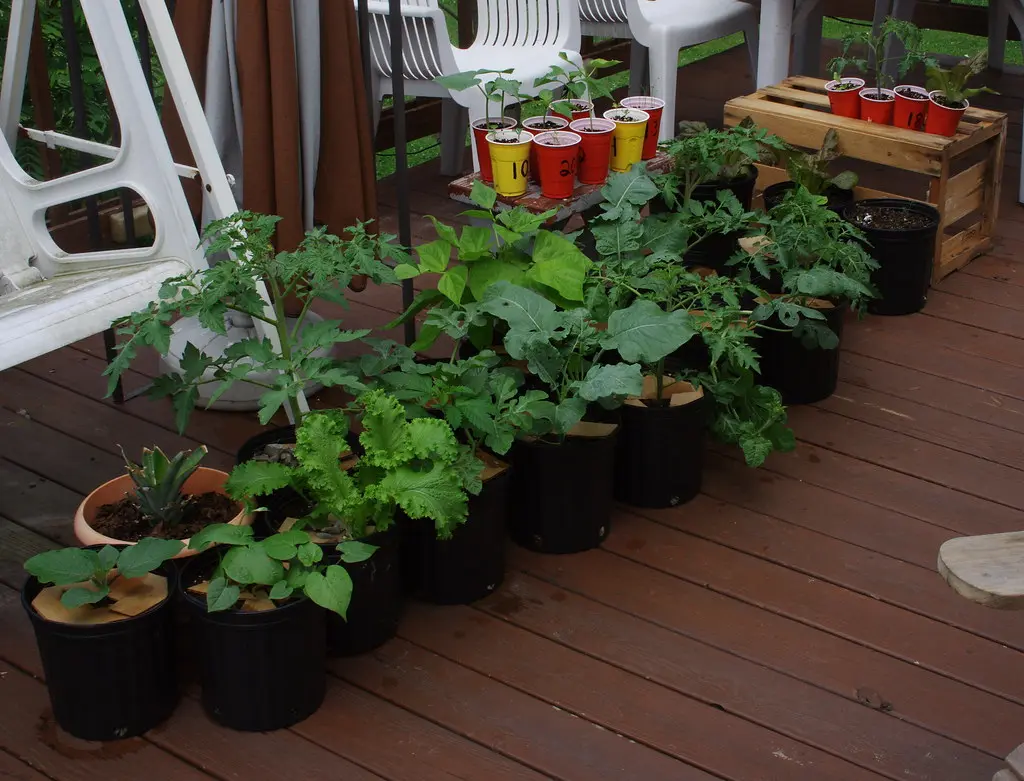
Lettuce: best for shallow pots and partial shade
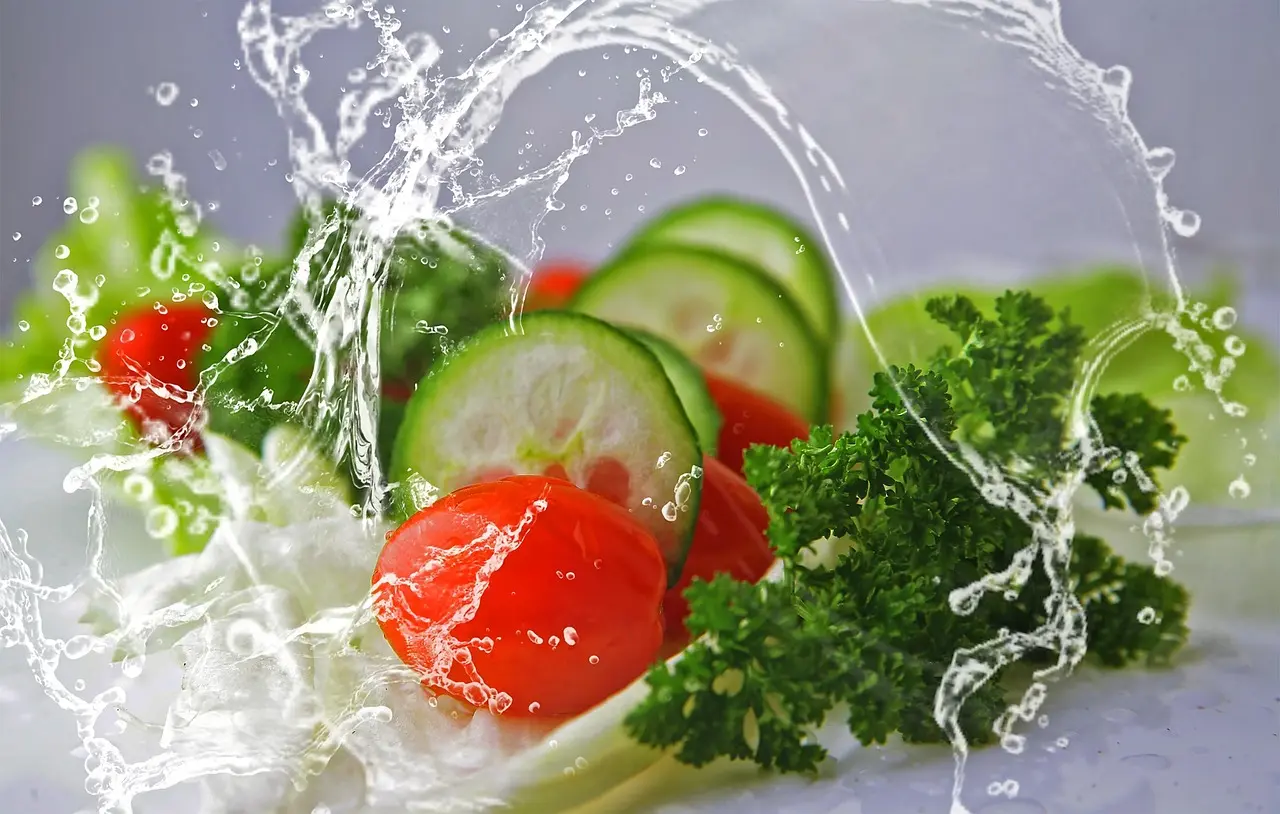
Lettuce is the safest first crop for tight patios because it has shallow roots and does well in wide, shallow pots. It fits partial shade better than many vegetables, so it is a practical choice when a balcony gets morning sun and afternoon relief.
From the spec sheet and my own container work, the main pull is flexibility. Lettuce grows well in containers that are 6-8 inches deep, and the shallow root system gives you more room to work with on narrow ledges or rail planters.
The drawback is heat. On a west-facing patio, lettuce can bolt fast and turn bitter if the pot bakes in direct sun. Keep it evenly watered, and move it into lighter shade when summer temperatures climb.
Best use case for lettuce
Choose lettuce if you want quick greens, limited pot depth, and a crop that does not need full-day sun. It is one of the easiest ways to get something useful from a small patio without buying a large container.
Cherry tomatoes: best for sunny patios with room to stake
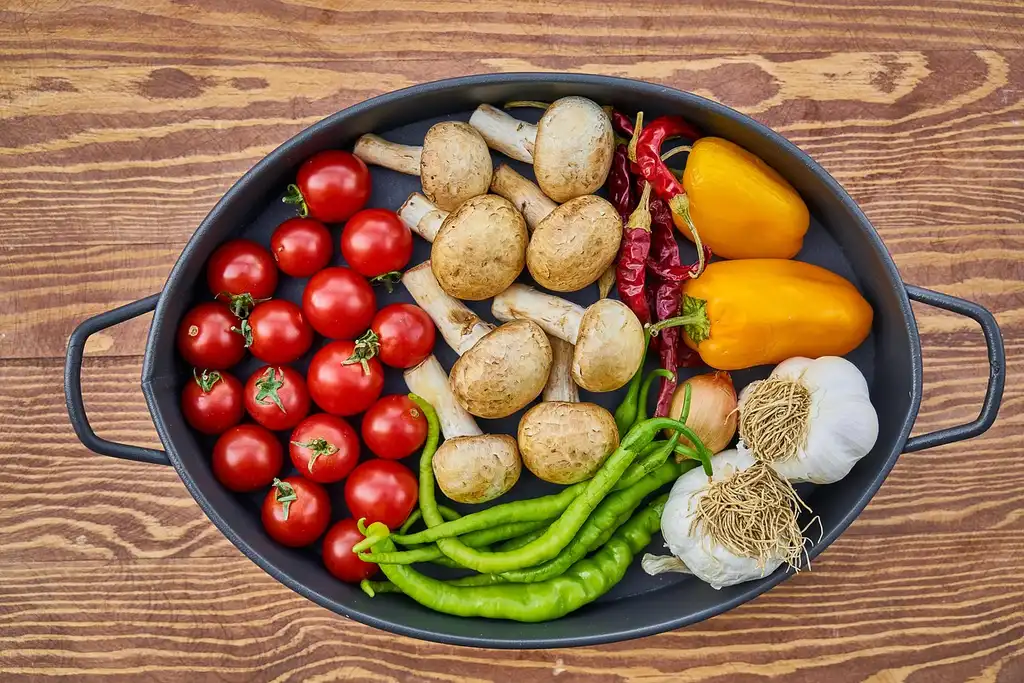
Cherry tomatoes are a strong patio crop when you have a bright spot and enough container volume. They fit compact or patio varieties far better than sprawling garden types, and they need support if you want clean growth and usable fruit.
Tomatoes in pots are often grown in containers from about 5 to 20 gallons, and 5 gallons is a common minimum for many cherry types. They also want 6 to 8 hours of direct sunlight, which makes them a better fit for open patios than for shaded balconies.
The main drawback is watering pressure. Pots dry fast, and uneven moisture can lead to blossom end rot or split fruit. A stake or mini trellis helps keep the plant upright, but it does not remove the need for steady watering and feeding.
Best use case for cherry tomatoes
Pick cherry tomatoes if your patio gets true full sun and you can water often. Compact patio varieties usually beat big indeterminate plants in containers unless you are using a very large pot.
Bush beans: best for low-maintenance harvests
Bush beans are one of the easiest warm-season crops for container growers because they stay compact and do not need a trellis. They fit small patios better than pole beans, which keep climbing and usually ask for more structure than a tiny space can give.
Use a fairly shallow, wide container so roots have room to spread. Direct sowing works well, and the plant shape makes bush beans useful for patio gardeners who want a harvest without constant training or staking.
The drawback is that they are not a shade crop. Give them enough sun, keep the soil evenly moist, and do not let the pot dry out completely once flowering starts. They are easy, but they still punish neglect.
What to expect from bush beans
Bush beans are a good middle-ground crop for patios that get decent sun but not much extra space. The harvest window is fairly quick, and the plants usually stay tidy enough for small containers or grouped pots.
Carrots: best for deep pots and loose soil
Carrots work in containers when you choose miniature varieties and give them depth. They need loose, well-draining soil so the roots can form without twisting, stalling, or forking around compacted mix.
A pot around 12 inches deep is a practical target for container carrots. Shallow or heavy soil usually causes misshapen roots, and a crowded container makes thinning harder than it should be. Succession planting is the smart way to keep a steady supply coming.
The drawback is patience. Carrots are less forgiving than greens, and they dislike rocky or dense media. If the pot dries out unevenly, roots can get woody or split before harvest.
Best carrot strategy for patios
Short-rooted types and miniature carrots are the easiest route in containers. Sow a little at a time instead of filling one pot once, and you will get more usable roots over the season.
Patio crop-fit table
| Vegetable | Sun needs | Minimum container depth | Water sensitivity | Support needed | Expected days to harvest | Best for |
|---|---|---|---|---|---|---|
| Lettuce | Partial shade to full sun | 6-8 inches | Moderate | No | 30-60 days | Partial shade |
| Cherry tomatoes | 6 to 8 hours direct sun | 5-gallon pot or larger | High | Yes, stake or mini trellis | 60-85 days | Hot patios |
| Bush beans | Full sun | 8 inches | Moderate | No | 50 to 60 days | Low-maintenance |
| Carrots | Full sun to light shade | 12 inches | Moderate to high | No | 55-80 days | Deep pots |
| Spinach | Partial shade | 6-8 inches | Moderate | No | 37-45 days | Partial shade |
| Radishes | Partial shade in warm months | 6 to 8 inches | Moderate | No | 3 to 4 weeks | Fast harvest |
| Bell peppers | Full sun | 12 inches | High | Sometimes, light staking | 60-90 days | Hot patios |
Use this as a buying map, not a wish list. The crops at the top of each label column are the ones that usually hold up best when patio conditions are less than ideal.
How big should containers be for patio vegetables?
Shallow pots work for leafy greens, while fruiting and root crops need deeper containers with more soil volume. If you are unsure, choose the larger pot, especially on hot patios where small containers dry out too fast.
Lettuce and spinach can live in 6- to 8-inch-deep containers. Bell peppers need at least 12 inches of depth, tomatoes often need 5 gallons or more, and carrots need enough vertical room for straight roots.
Shallow pots for leafy greens
Greens are the best match for wide, shallow planters because they do not need deep root room. That makes them practical on railings, ledges, and small tables where deeper pots would feel awkward or unstable.
Deep containers for fruiting and root crops
Fruiting crops and roots need more soil because they pull down moisture faster and need more space below ground. Large-volume pots also buffer heat better, which matters on patios that bake after lunch.
When to choose larger-volume pots for drying protection
If your patio is windy, south-facing, or paved with heat-reflective material, bigger pots are worth the footprint. They dry more slowly and give you a wider margin for missed watering.
Which vegetables need full sun in pots?
Most vegetables do best with at least 6 hours of full sun, and fruiting crops are the first to suffer when light drops below that threshold. Tomatoes, peppers, and bush beans are the clearest examples of vegetables that want strong direct light in containers.
Cool-season crops like lettuce, spinach, and radishes can tolerate partial shade, especially when afternoon heat is the bigger problem. On west-facing patios, a little shade can actually reduce bolting and leaf scorch.
What changes on west-facing or heat-heavy patios
Heat-heavy patios force you to think about water retention as much as light. Containers dry faster, leaves curl sooner, and shallow pots can overheat enough to slow growth even when the crop technically gets enough sun.
Which crops are safest in partial shade
Lettuce, spinach, and radishes are the most forgiving when direct sun is limited. They are not ideal in deep shade, but they cope better than tomatoes or peppers when the patio gets only filtered light.
Spinach: best for cool, partly shaded spots
Spinach is a strong cool-season patio crop and a good way to use limited sun well. It grows in fairly shallow containers, prefers partial shade in warm weather, and produces quickly when temperatures stay mild.
Leaves are usually ready to pick in 37-45 days, which makes spinach useful for gardeners who want a fast turnaround without a deep pot. The plant stays compact, and 3-4 inches of spacing is usually enough in a small container.
The drawback is heat sensitivity. Spinach bolts fast once weather turns hot, so it is a poor pick for exposed summer patios unless you can give it afternoon shade and regular moisture.
When spinach beats lettuce
Spinach is the better choice when you want a fast cool-season green that handles a bit more structure than lettuce. It is especially useful in spring and fall, when the patio has light but not scorching heat.
Radishes: best for the fastest harvest
Radishes are one of the fastest container crops, and that speed makes them a useful patio staple. They need containers at least six to eight inches deep, prefer cool weather, and can be ready in about three or four weeks after planting.
They work well in partial shade in warm months, which helps keep roots tender and limits stress. That short harvest window makes them useful for filling gaps between slower crops or for testing a new patio spot before you commit to larger plants.
The drawback is consistency. If the soil dries out or the container gets too hot, roots can turn pithy or overly sharp. They are quick, but they still need steady moisture.
Best use for radishes on patios
Radishes are ideal when you want a fast win in a small container. They also fit well into succession planting, so you can keep sowing small batches rather than waiting on one long crop.
Best vegetables for a small balcony or patio?
For a small balcony or patio, the best choices are lettuce, spinach, radishes, bush beans, and compact cherry tomatoes. These crops either stay smaller, mature faster, or handle container limits better than sprawling vegetables that need wide root room.
If space is tight, prioritize crops that match your sun exposure first and your pot depth second. A balcony with morning sun should lean toward greens, while a hotter open patio can support beans and compact tomatoes if the watering is reliable.
Can I grow tomatoes, peppers, and lettuce together on a patio?
You can grow tomatoes, peppers, and lettuce together on a patio, but they should not share the same pot unless the container is large and the light pattern fits all three. Tomatoes and peppers want stronger sun and deeper soil than lettuce, which prefers cooler conditions and shallower roots.
The safer approach is separate containers with similar needs grouped near each other. Put lettuce where it gets some afternoon relief, and keep tomatoes and peppers in the brightest, warmest spot you have.
Which vegetables are easiest for beginners?
The easiest container vegetables for beginners are lettuce, radishes, bush beans, and, in the right pot, compact cherry tomatoes. Bok choy is also often described as one of the easiest vegetables for container gardening, though it is not as heat-tolerant as summer crops.
Beginners usually do best with crops that either mature quickly or show problems early. Radishes and lettuce give fast feedback, while bush beans are forgiving if the pot is wide enough and watered regularly.
How often do patio container vegetables need watering?
Patio container vegetables usually need watering more often than in-ground beds, sometimes daily in hot weather. The right schedule depends on pot size, wind, sun, and container material, but the goal is steady moisture, not wet soil that stays soggy.
Check the top layer of mix and water when it starts to dry, especially for tomatoes, peppers, and carrots. Plastic holds moisture better, glazed ceramic can buffer heat but still dries faster than bed soil, and fabric pots dry the fastest on hot, dry patios.
Drainage matters as much as watering
Use pots with drainage holes and a well-drained potting mix, then add compost for extra nutrition. Poor drainage causes root stress, and soggy soil is one of the fastest ways to lose a patio crop.
Which one should you buy?
For the hottest patios, buy cherry tomatoes or bell peppers in deep containers if you can water often, because they handle sun better than leafy greens. For partial shade, lettuce and spinach are the safer buy. For the fastest harvest, choose radishes. For the least daily care, bush beans are usually the best fit.
If you only want one crop to start with, lettuce is the lowest-risk choice for shallow pots, while cherry tomatoes are the best pick when you already have sun and space for support. If your patio is very dry, choose a larger container before you choose a fussy crop.
Among the products here, FoxFarm Ocean Forest Potting Soil is the most practical add-on because good potting mix matters more than most people expect in containers. The YNNICO self-watering planters can also help on hot patios, though they are better for compact plants than for big fruiting crops.
Frequently asked questions
What vegetables grow best in containers on a patio?
Bush beans, lettuce, radishes, cherry tomatoes, peppers, and spinach are the best patio container vegetables when matched to the right pot depth and sun. Lettuce and spinach fit shallow containers, while tomatoes and peppers need deeper pots and more light. The patio conditions matter more than the crop list itself.
How big should containers be for patio vegetables?
Container size should follow root depth and water demand. Lettuce does well in 6-8 inches, bell peppers need at least 12 inches, cherry tomatoes usually need 5 gallons or more, and carrots need a deep, loose pot. If in doubt, choose the larger container because it dries more slowly.
Which vegetables need full sun in pots?
Tomatoes, peppers, and bush beans are the clearest full-sun crops for pots, and most vegetables do best with at least 6 hours of full sun. Cool-season crops like lettuce, spinach, and radishes can tolerate partial shade, especially when patios get intense afternoon heat.
What vegetables can grow in shallow containers?
Lettuce is the classic shallow-container crop, and spinach and radishes also work well in 6- to 8-inch-deep pots. These vegetables have shallow roots and do not need the same soil volume as tomatoes or carrots. Wide, shallow pots usually work better than narrow ones.
Can I grow tomatoes, peppers, and lettuce together on a patio?
Yes, but they usually perform better in separate pots. Tomatoes and peppers want stronger sun and deeper soil, while lettuce prefers cooler conditions and can bolt in heat. Group them by light needs instead of forcing them into the same container.
How often do patio container vegetables need watering?
Most patio container vegetables need watering far more often than in-ground plants, and hot or windy patios may need it daily. The exact schedule depends on pot size and material, but the key is consistent moisture without soggy soil. Good drainage holes and a well-drained mix are non-negotiable.