How to Grow Tomatoes in a Home Vegetable Garden
Grow tomatoes by choosing the type first: determinate or dwarf for containers and short seasons, indeterminate for larger beds with support, then plant in full sun, 24 to 36 inches apart. Skip that choice, and fruit loss follows from crowding, weak support, and plants that outgrow the space before they set much harvest. This guide covers variety selection, planting depth, spacing, watering, feeding, pruning, and simple care for beds, raised beds, and containers.
What tomato setup do you need?


The best setup depends on space, season length, and what you want from the crop. Choose determinate tomatoes for compact growth and a concentrated crop, indeterminate tomatoes for a longer harvest, and container-suitable types when you are limited to pots. Match the plant to the job first, then buy or start seeds.
Tomato decision table
| Garden setup | Best tomato type | Spacing range | Minimum container volume | Support method | Days to maturity use case | Best for | Expected care level |
|---|---|---|---|---|---|---|---|
| In-ground full sun | Indeterminate slicers, beefsteak, or heirloom types for a long harvest | 24 to 36 inches apartOSU Extension | Not needed | Stakes, cages, or trellising | Use midseason to late-season types when you want fruit over a longer stretch | Maximizing total harvest in a bed with room to support vines | Moderate; needs regular tying and pruning |
| Raised bed | Determinate or compact indeterminate types, including Roma and cherry | 18 to 24 inches for compact determinate plants; 24 to 36 inches for larger indeterminate plantsUniversity of Maryland Extension | Not needed | Short cages or stakes | Use earlier-maturing types when you want a faster finish in limited depth | More controlled watering, cleaner fruit, and easier access | Moderate; easier watering and airflow management |
| Patio container | Dwarf or determinate types; container-suitable cherry tomatoes work well | One plant per pot, with foliage kept off neighboring plants and railings | 5 gallons for small determinate or dwarf plants; 10 gallons or more for larger container tomatoes and most indeterminate typesUniversity of Minnesota Extension | Sturdy cage or stake fixed at planting | Use early or midseason types when container heat and water stress are concerns | Small spaces, patios, and gardeners who need portable plants | High; containers dry faster and heat up sooner |
| Short-season climate | Early Girl, small cherry, or other fast-maturing determinate types | 24 to 30 inches apart for compact types; wider for vigorous vinesUtah State University Extension | 5-gallon or larger, if growing in pots | Cage or stake | Use early-season varieties when your frost-free window is short | Getting fruit before cool weather returns | High; timing and heat management matter most |
Determinate, indeterminate, or dwarf?
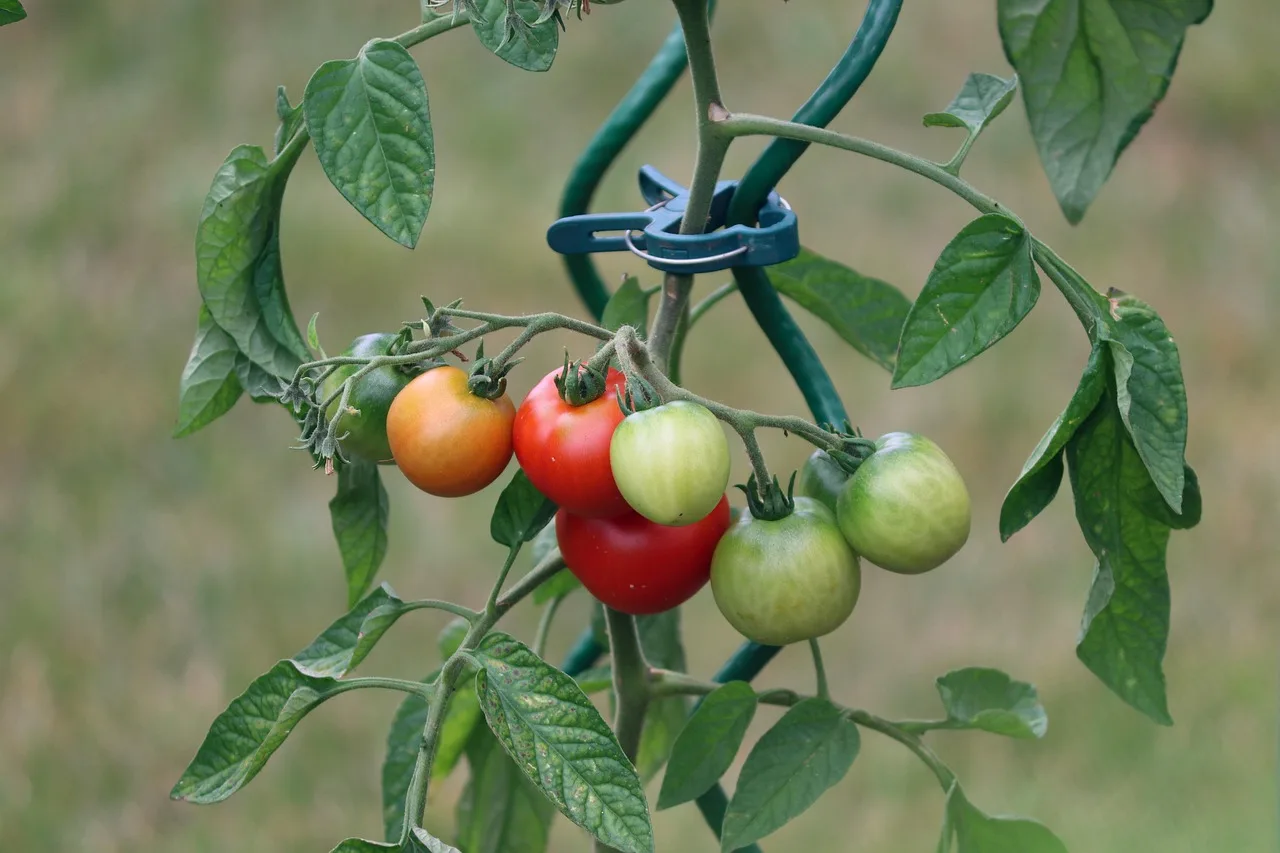
Determinate tomatoes grow to a set size and ripen much of the crop at once, which makes them practical for canning, compact beds, and smaller pots. Indeterminate tomatoes keep growing and fruiting until frost, so they need more support and space. Dwarf tomatoes stay smaller but can still produce full-size fruit, which makes them useful where height and container space are limited.
What you’ll need
- Healthy seedlings, or seeds started indoors
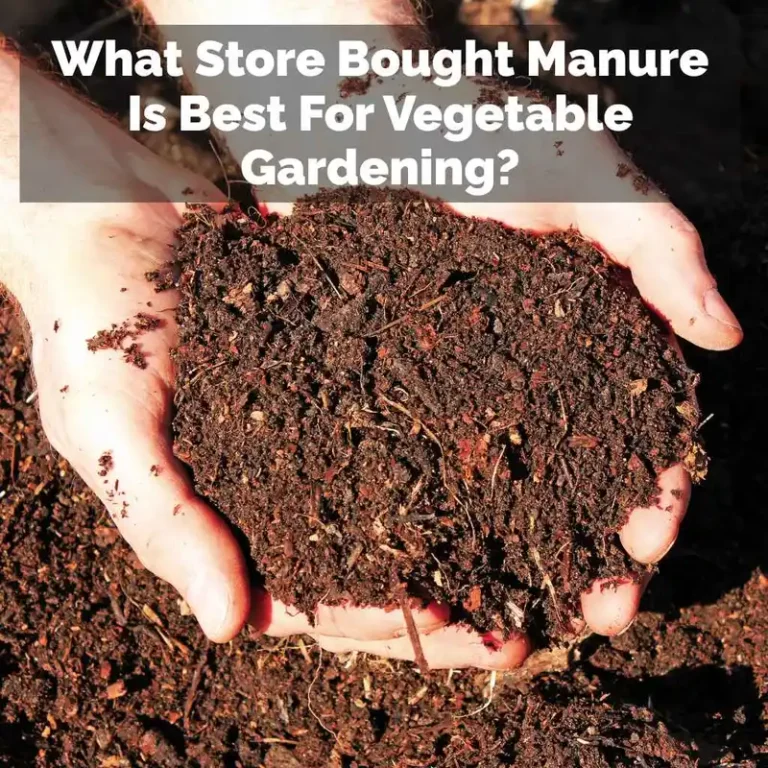
- Loamy, well-drained soil
- Compost
- A water-soluble fertilizer with higher phosphorus, if needed
- Stakes, cages, or trellis materials
- Large containers with drainage holes, if growing in pots
- Mulch
- A watering can or hose with gentle flow
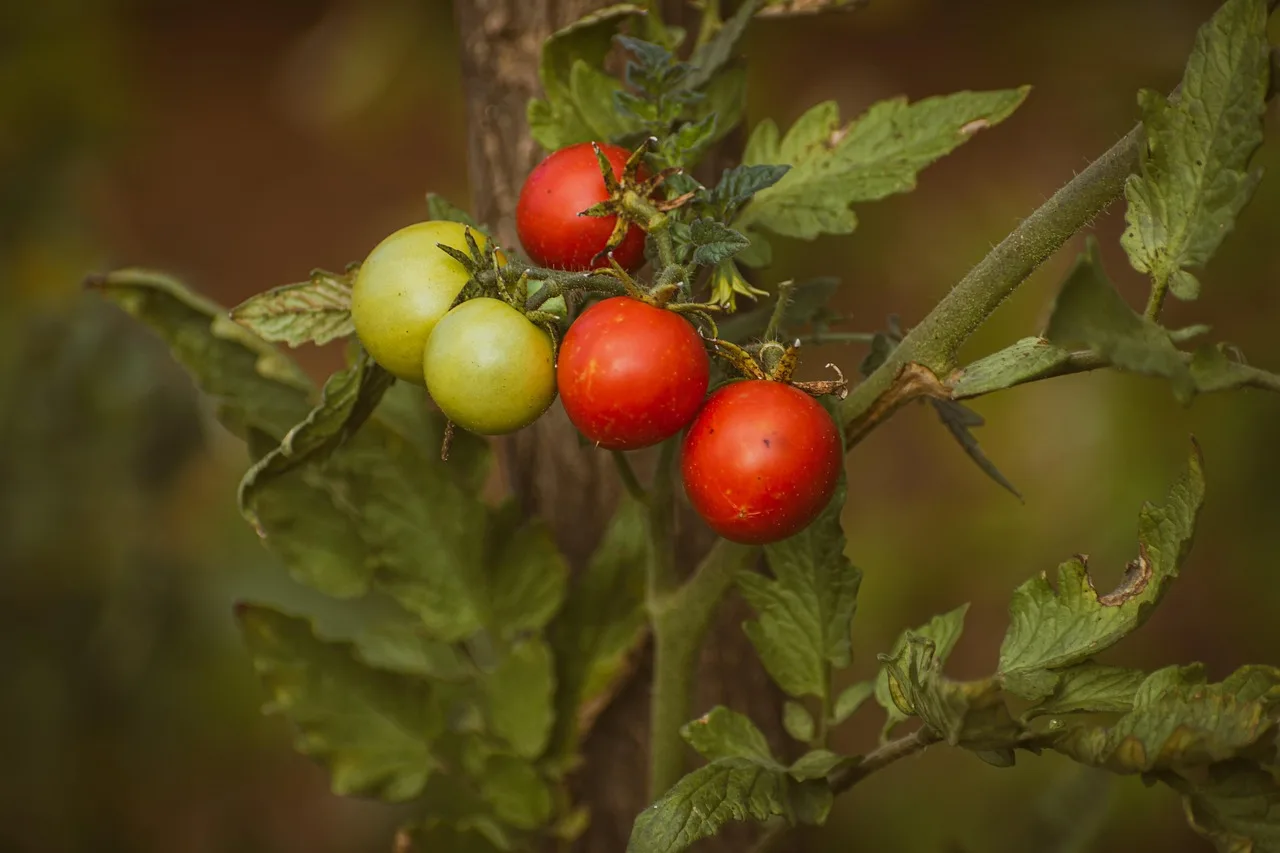
Start with full sun, loose soil, and the right support before planting. Tomatoes need six to eight hours of direct sunUniversity of Minnesota Extension, loamy well-drained soil, and enough room to keep foliage dry. Planting deeply and setting support early reduces later damage and keeps the plant upright as it grows.
How much sun do tomatoes need?
Tomatoes need at least six hours of direct sun, with eight hours or more often producing stronger growth and better fruiting. Morning light is especially useful because it dries dew earlier and helps reduce leaf disease. If a site gets less than six hours, choose faster-maturing or smaller plants and expect a lighter harvest.
What soil do tomatoes need?
Tomatoes prefer loamy soil that drains well but still holds steady moisture. Work in compost before planting to improve structure and fertility, and aim for a soil pH around 6.2 to 6.8Penn State Extension. Heavy clay needs loosening; sandy soil needs organic matter to hold water and nutrients.
- Pick a site with six to eight hours of direct sun and warm conditions.
- Work compost into loamy, well-drained soil and avoid soggy spots.
- Set transplants deeply so roots form along the buried stem.
- Space plants 24 to 36 inches apart for airflow and disease reduction.
- The guide suggests installing stakes, cages, or trellising at planting time.
- Water evenly at about 1 inch per weekRoyal Horticultural Society, then let the surface dry slightly between waterings.
Say your raised bed is 4 feet wide and you want sauce tomatoes. A compact determinate type in two rows may fit better than one large indeterminate plant, because the smaller habit leaves room for airflow and easier picking. The crop stays manageable without turning the bed into a tangle.
Suppose a patio planter holds a dwarf tomato in a 5-gallon pot. If the pot has no drainage holes, roots stay wet after each watering and the plant stalls even when it gets full sun. Drainage matters as much as pot size.
When should you start seeds or transplant seedlings?
Start seeds indoors about six weeks before the average last frost dateUniversity of Minnesota Extension, or buy seedlings when your outdoor window is short. Seedlings from a nursery are usually 4 to 8 weeks old. Move them outside only after frost danger passes and warm weather has settled in.
Seed starting or seedlings
If you want the widest variety, start seeds indoors. If the season is already moving and you want to avoid a late harvest, buy healthy seedlings instead. Tomato seeds should be planted about 1/4-inch deep indoors. That gives them enough cover without burying them too deeply for sprouting.
Transplant timing
Do not set tomatoes outside into cold soil. Wait until soil temperature is at least about 60°F and nighttime temperatures are consistently above 50°F before transplantingUniversity of Illinois Extension. If frost is still possible, hold them in a bright indoor spot or a sheltered space until the weather pattern stays warm.
How much sun, water, and spacing do tomatoes need?
Tomatoes need full sun, steady moisture, and enough spacing to keep leaves dry. Aim for six to eight hours of direct sun, about 1 inch of water per weekWest Virginia University Extension, and 24 to 36 inches between plantsOSU Extension. That combination supports fruit set and lowers disease pressure.
Sun
Morning sun is especially helpful because it dries dew faster. Shade from fences, tall crops, or trees cuts yield. If a site gets less than 6 hours of sunlight, expect weaker growth and fewer fruits.
Water
Water consistently and avoid soggy roots. Give the soil a deep soak, then wait until the top inch starts to dry before watering again. Mulch helps hold moisture and limits soil splash onto lower leaves. In containers, check moisture more often because pots can dry quickly in heat and wind.
Spacing
Leave 24 to 36 inches between plants so air can move through the canopyOSU Extension. Tight spacing traps humidity, which makes leaf disease more likely and complicates pruning, watering, and harvest. Wider spacing is especially useful for indeterminate plants and humid climates.
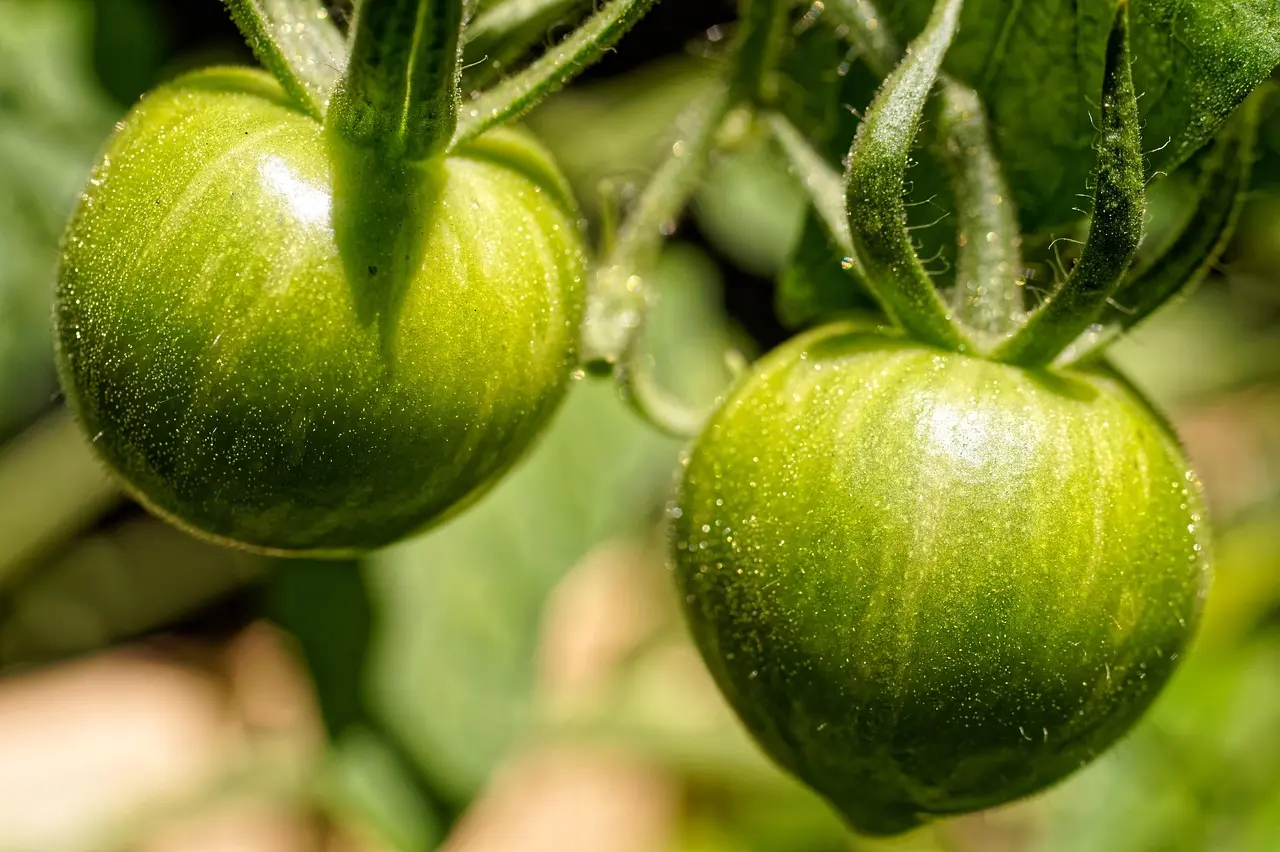
Plant tomatoes deeply in loose soil, then support them right away. Home gardens fail most often when plants are crowded, staked too late, or left in small containers. Fix those three points first and the rest of the season becomes simpler.
- Dig a hole deep enough to bury part of the stem.
- Add compost to the planting area, but do not pack the soil tight.
- Place the transplant, then fill and firm the soil gently.
- Set the stake, cage, or trellis now, not after the plant leans.
- Water thoroughly, then check that excess water drains away.
- Spread mulch after the soil has warmed.
A common first-timer mistake is planting a beefsteak tomato in a 5-gallon bucket and expecting a full-size crop. The root mass runs out of space quickly, the pot heats up, and the plant asks for water constantly. A larger container gives it a real chance to set fruit.
How to grow tomatoes in your house
Indoor tomato growing is possible only with very bright light, enough root space, and careful pollination. It works best for compact dwarf or dwarf-determinate types, not for full-size indeterminate vines. Expect slower growth indoors unless you can provide a strong grow light, good airflow, and a large container with drainage.
How to feed and support tomato plants
Tomatoes do best with compost, then light feeding only if the plant needs it. Use a water-soluble fertilizer higher in phosphorus when flowers are forming and growth is weak, but avoid pushing too much nitrogen. Too much nitrogen drives leafy growth and delays fruiting.
Support
Use stakes, cages, or trellising, especially on indeterminate plants. These types keep growing and fruiting for a long stretch, so they need regular tying or cage support. Determinate plants still benefit from support, but their compact habit makes the job easier.
Pruning
Prune suckers on vining types when the plant starts to sprawl. Leave a few strong stems, remove crowded side shoots, and keep lower leaves off damp soil. This is a control step, not a cure for poor spacing or poor sun.
Common mistakes to avoid
Most tomato losses come from setup mistakes, not from one bad watering day. Cold planting, cramped spacing, weak support, and oversized nitrogen doses all reduce yield. Watch for early symptoms and adjust quickly before the plant wastes its energy.
- Planting too early: wait until frost danger passes and nights are warm enough for growth.
- Using a small pot: move to a larger container before roots bind and dry out too fast.
- Overfeeding with nitrogen: use compost first and feed lightly only when needed.
- Letting plants sprawl: install support at planting time.
- Ignoring early symptoms: check for blossom-end rot, splitting, and leaf curl as soon as fruit or foliage changes.
If blossom-end rot appears, the fastest practical fix is to steady the watering pattern and check soil moisture before adding more fertilizer. If splitting shows up after a dry spell followed by heavy watering, keep moisture more even. If leaf curl appears with healthy green color, review heat, sun, and pruning before assuming disease.
What should you do on planting day and during the first 30 days?
Use a simple routine: plant after the soil is warm, water deeply, and keep growth steady without pushing excess nitrogen. The first month sets the plant’s structure, so focus on support, even moisture, and keeping weeds and disease pressure low. That early discipline pays off later in fruit set and harvest quality.
Planting day checklist
- Confirm sun, soil, and container size are right for the variety.
- Set stakes, cages, or trellises before roots spread.
- Plant deeply and water thoroughly.
- Add mulch after the soil has warmed.
- Check that water drains freely from the bed or pot.
First 30 days of care
- Water when the top inch of soil starts to dry, not on a fixed calendar only.
- Check ties and support as the plant elongates.
- Remove broken or soil-touching leaves if needed.
- Watch for yellowing, curling, or blossom-end rot before changing fertilizer.
- Keep weeds down so roots and moisture stay focused on the tomato.
Frequently asked questions
What is the best way to grow tomatoes?
The best method is to match the variety to the space before planting. Use determinate or dwarf types for containers and short seasons, and choose indeterminate plants for larger beds with support. That match matters more than any single fertilizer or pruning trick.
Should I start tomatoes from seeds or seedlings?
Start from seeds if you want a wider variety and can begin about six weeks before the average last frost date. Buy seedlings if your season is already moving. Nursery plants are usually 4 to 8 weeks old and shorten the wait.
How much sun do tomato plants need?
Tomatoes need full sun, with six to eight hours of direct light each day. Less sun usually means fewer flowers and a smaller harvest. If the site is partly shaded, choose a faster-maturing or smaller type and expect lower yield.
What size pot do tomatoes need?
Dwarf and determinate tomatoes can grow in a 5-gallon pot or bucket. Large indeterminate heirloom tomatoes may need 10- or 15-gallon containersUniversity of Minnesota Extension. Drainage holes are nonnegotiable, because waterlogged roots cut growth and fruit set fast.