How to Add Nitrogen to Vegetable Garden Soil Safely
Start with a soil test before you add fertilizer. If the report shows low nitrogen, use a mild liquid feed for an active crop or a light, measured top-dress of a slow-release source; the quickest fixes can burn roots if you guess wrong.
How to tell if your soil needs nitrogen



Older leaves turn yellow first when nitrogen is low, and growth often slows too. Leaves may stay small, flowers may be few, and the plant can look stressed in ways that resemble pests, disease, or water trouble.
Do not treat yellow leaves as proof of low nitrogen. Overwatering, root damage, compacted soil, and disease can cause the same signs, so a soil test should come first before you fertilize. Extension-office testing or a lab sample gives a clear result instead of a guess.
What to check before you feed
- Inspect the newest and oldest leaves separately, then note where the yellowing starts.
- Check soil moisture and drainage first; soggy roots can mimic nutrient problems.
- Look for chewed leaves, spots, webbing, or wilting that points to pests or disease.
- Send a soil sample to an extension office or lab if you need a real diagnosis, not a guess.
Say your tomato bed has pale lower leaves, but the soil feels wet two days after rain and the stems look soft. That pattern points to root stress as a possible cause, so adding nitrogen first can make the problem worse rather than better.
What you’ll need
- Soil test kit or a lab sample bag
- Measured fertilizer or amendment
- Watering can or hose for dilution and follow-up watering
- Gloves and a small scoop for handling dry amendments
Nitrogen source decision table
| Option | Speed | Burn risk | Odor | Cost | Best vegetable use case | Do not use yet if… |
|---|---|---|---|---|---|---|
| Fish emulsion | Fast | Low to moderate when diluted | Noticeable | Medium | In-season boost for seedlings, leafy crops, and stressed transplants | Do not use yet if plants are already wilted from heat or dry roots. |
| Blood meal | Fast | High if overapplied | Low | Medium | Measured correction for beds that need a stronger organic dose | Do not use yet if you cannot measure the dose and water it in. |
| Composted manure | Slow | Moderate, lower than fresh manure | Low to moderate | Low to medium | Preplant soil building and between-crop bed prep | Do not use yet if it is fresh, mixed with bedding that is still heating, or meant for direct contact with edible roots. |
| Grass clippings | Slow | Low if applied thinly | Low | Low | Light mulch plus gentle nitrogen top-up in beds | Do not use yet if the lawn was treated with herbicides or pesticides recently. |
| Legume cover crop | Slow | Low | Low | Low | Off-season soil building with clover, vetch, field peas, or fava beans | Do not use yet if you need an immediate correction for a crop that is already showing deficiency. |
| High-N synthetic fertilizer | Very fast | High if mixed too strong | Low | Low to medium | Urgent rescue when the crop needs a quick nitrogen correction | Do not use yet if the first NPK number is unclear or the soil test does not support a correction. |
| Coffee grounds | Slow | Low as compost ingredient, higher if layered thickly | Low | Low | Compost ingredient, not a quick fix | Do not use yet if you need a fast nitrogen correction or plan to spread a thick layer on top. |
| Compost | Slow | Low | Low | Low to medium | General soil building and steady feeding | Do not use yet if you expect it to fix a clear deficiency by itself in a few days. |
How do you add nitrogen without burning plants?
Match the source to crop stage. Seedlings and young transplants need the mildest approach, while actively growing leafy vegetables can take a modest boost. Fruiting crops need care, because too much nitrogen pushes leaves instead of flowers and fruit.
The safest in-season fixes are dilute liquid feeds or light top-dressings. Start small, water in dry amendments unless the product says otherwise, and avoid heavy applications around tender roots. Extra nitrogen can leach into waterways, make plants soft, and reduce flowering and fruiting.
Use the least aggressive option that still fits the job
- For seedlings, use fish emulsion mixed at 1 to 2 tablespoons per gallon of water, or choose compost instead of a stronger dry amendment.
- For leafy greens, side-dress blood meal at about 1 tablespoon per square foot and water it in well.
- For tomatoes, peppers, squash, and beans in flower, avoid strong nitrogen unless the crop is clearly deficient and still in active growth.
- If leaves are yellow but the soil is wet or roots are stressed, fix the water or drainage problem first.
Suppose a 4-by-8-foot bed of lettuce is pale but still growing. A dilute liquid feed is safer than a heavy dry amendment because the crop is leafy, active, and more likely to respond without a burn injury.
Which nitrogen source should you use first?
Use the fastest safe option only when the crop needs a correction now. For many vegetables, fish emulsion is the gentlest first move because it is liquid and usually diluted. Blood meal is stronger and faster than manure, but it is easier to overdo.
For long-term soil building, composted manure, grass clippings, compost, and legume cover crops are safer than a hard nitrogen hit. Beans and legumes are nitrogen-fixing crops, and the benefit comes from cutting the plants down and returning the biomass to the soil, not from simply letting them stand there.
Quick decision rule
- Need a fast correction: choose fish emulsion first if the crop is actively growing.
- Need a stronger organic dose: use blood meal only when you can measure it carefully.
- Need soil building between crops: choose composted manure, compost, grass clippings, or a legume cover crop.
How can I add nitrogen back to soil after growing vegetables?
Between crops, use slower methods that build the bed instead of pushing a quick flush of leaf growth. Legume cover crops such as clover, vetch, field peas, and fava beans are a good off-season option, especially when you can leave the bed down long enough to grow biomass.
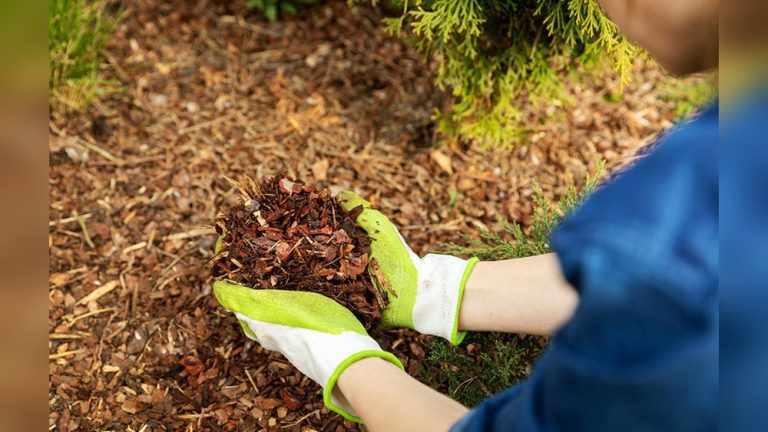
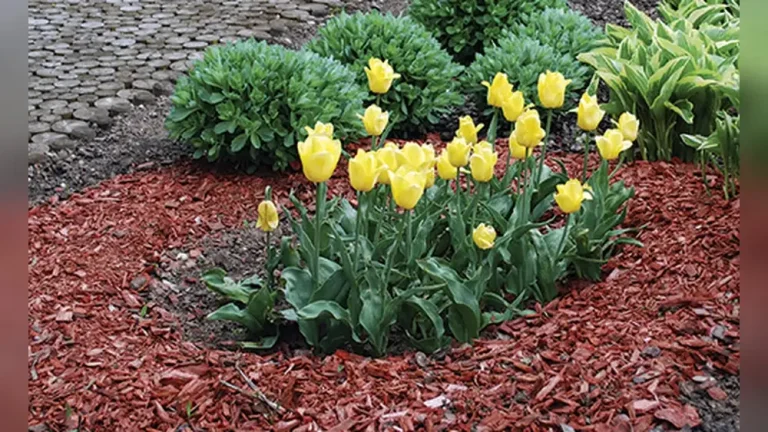
After cutting a legume cover crop, return the cut material to the bed or compost it as part of the soil-building cycle. Compost and mulch also help maintain steadier nitrogen supply with less burn risk.
Use biomass, not just seed
- Sow the cover crop when the vegetable bed is empty.
- Let the plants grow until they have enough mass to matter.
- Cut them down and return the biomass to the bed.
- Cover the soil with compost or mulch to hold moisture and support slower feeding.
Common mistakes
Applying fresh manure to edible beds: fresh manure can burn plants and raises food-safety concerns. Composting or aging does not make it safe for every vegetable bed, especially where edible roots or soil contact are part of the crop.
Using coffee grounds as the main fix: coffee grounds are better as a compost ingredient. A layer no more than 1/2-inch thick can be mixed into soil, and fresh coffee grounds can tie nitrogen up.
Piling grass clippings too thickly: a thick mat can trap moisture and create a sour, messy layer. Keep the layer thin, and only use clippings that were not treated with herbicides or pesticides.
Adding more nitrogen when the real issue is water or roots: yellow leaves are not proof of deficiency. Recheck drainage, moisture, and root health before you fertilize again.
How much nitrogen is too much for a vegetable garden?
Too much nitrogen is enough to push lush leaf growth while reducing flowers and fruit. It can also leach into nearby water and leave plants softer and more pest-prone. If a crop is already deep green and leafy but not flowering, stop feeding nitrogen and reassess.
A practical rule is simple: if the plant is growing fast, looks dark green, and is not showing deficiency symptoms, do not keep adding nitrogen. Many standard soil tests do not give a stable, directly actionable in-season nitrogen number, so the decision still depends on crop stage and visible response.
Frequently asked questions
How do I add nitrogen to soil naturally?
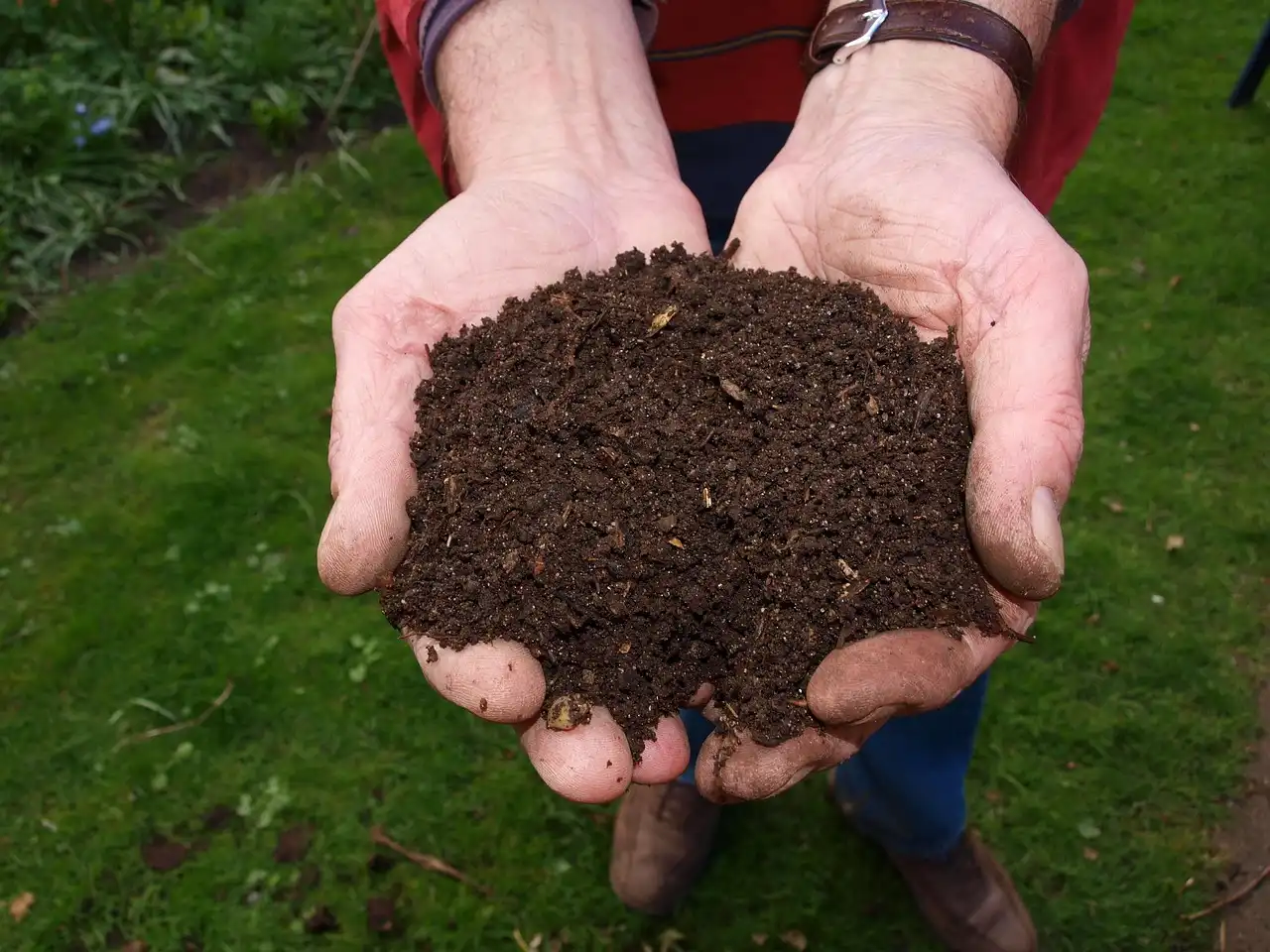
Use compost, composted manure, grass clippings in a thin layer, or a legume cover crop for the safest natural approach. If you need a quicker fix in an active bed, fish emulsion gives a gentler liquid correction than a strong dry amendment.
What is the easiest way to add nitrogen to soil?
For most home beds, a dilute fish emulsion feed is the easiest in-season correction because it is quick to mix and apply. For longer-term feeding, top-dress with compost or add a thin mulch of untreated grass clippings.
Can coffee grounds add nitrogen to garden soil?
Yes, but coffee grounds are better treated as a compost ingredient than as a fast nitrogen fix. Thick layers can slow drying and fresh grounds can tie nitrogen up, so they are not a good choice when a vegetable bed needs a quick correction.
Do beans add nitrogen to the soil while they grow?
Beans and other legumes can help, but the soil benefit comes from the whole cover-crop cycle, especially when you cut the plants down and return the biomass. Legumes work best as an off-season or long-term soil-building step.
What nitrogen source is safest for vegetables?
Fish emulsion is usually the safest fast fix for vegetables because it is diluted and easier to control than a strong dry amendment. For long-term use, compost and a legume cover crop are lower-risk choices than fresh manure or heavy nitrogen feeding.
How do I know if my garden really needs nitrogen?
Look for older leaves yellowing first, slowed growth, and small leaves or flowers, then rule out overwatering, root stress, pests, and disease. A soil test from an extension office or lab is the best way to confirm the need before you add fertilizer.