Is 12 12 12 Good for Vegetable Gardens
For home gardeners and commercial growers alike, choosing the right fertilizer can be the difference between a thriving vegetable garden and a disappointing harvest. Among the many options on the market, 12-12-12 fertilizer is frequently recommended for its balanced nutrient content. But does this all-purpose formula actually deliver optimal results for vegetable gardens , or are there better alternatives? Understanding the unique nutritional needs of vegetables and how 12-12-12 stacks up against other fertilizers is crucial for achieving vigorous, productive plants.
In this comprehensive guide, we’ll take an in-depth look at the 12-12-12 fertilizer, analyzing its nutrient profile, application methods, and effectiveness for a wide variety of vegetables. We’ll cover 12 essential considerations every gardener should weigh before using this fertilizer, drawing on research, expert recommendations, and real-world experiences. Whether you’re a beginner or a seasoned horticulturist, you’ll discover actionable insights to help you make the best decision for your vegetable garden’s success.
Key Takeaways
- 12-12-12 fertilizer provides a balanced N-P-K ratio, but may not always align with specific vegetable nutrient requirements.
- Understanding soil composition and plant needs is vital before applying any fertilizer, including 12-12-12.
- Overuse or improper application can lead to nutrient runoff, environmental harm, and plant stress.
- Customizing your fertilization plan based on crop type, soil test results, and growth stage yields superior results.
- Real-world trials and expert comparisons highlight both the benefits and limitations of 12-12-12 for vegetables.
- Integrating organic practices and alternative fertilization methods can enhance soil health and garden productivity.
Understanding 12-12-12 Fertilizer
What Does 12-12-12 Mean?
The numbers 12-12-12 represent the percentage by weight of nitrogen (N), phosphorus (P2O5), and potassium (K2O) in the fertilizer. This balanced blend delivers equal parts of each macronutrient, making it a general-purpose fertilizer. Each 100 pounds of 12-12-12 contains 12 pounds of each nutrient.
- Nitrogen promotes leafy growth and vibrant green foliage, which is essential during the vegetative stage when plants are rapidly producing new leaves and stems. This is particularly important for crops like lettuce, cabbage, and spinach, which rely on lush foliage for harvest.
- Phosphorus supports root development, flowering, and fruit production. A healthy root system allows plants to access water and nutrients efficiently and lays the groundwork for strong flowering and fruit set in crops such as tomatoes, peppers, and beans.
- Potassium enhances overall plant health, disease resistance, and water regulation. Potassium is integral in activating enzymes, regulating photosynthesis, and helping plants withstand environmental stresses such as drought or disease outbreaks.
How It’s Made And Used
12-12-12 is typically manufactured by blending synthetic compounds, such as ammonium nitrate, superphosphate, and potassium chloride. The manufacturing process involves precise mixing and granulation to ensure each granule contains the correct ratio of nutrients. This uniformity helps in even nutrient distribution when applied to the soil.
It’s available in granular form, which can be broadcast over the soil, incorporated during bed preparation, or used as a side-dress during the growing season. Some brands also offer water-soluble or liquid formulations, catering to gardeners who prefer fertigation or foliar feeding methods.
When used correctly, 12-12-12 can quickly raise nutrient levels in depleted soils, making it a convenient choice for both new and established gardens. Its balanced nature often makes it a go-to for gardeners seeking a straightforward, one-product solution for diverse crops.
Common Uses In Gardening
Gardeners often turn to 12-12-12 for:
- Starting new vegetable beds: Its balanced nutrients can help establish a strong foundation for young plants.
- Feeding established perennial crops: Perennials like asparagus or rhubarb benefit from a boost of balanced nutrition at the start of each season.
- Supplementing nutrient-poor soils: In areas where soils are naturally low in essential nutrients or after repeated cropping, 12-12-12 can help restore fertility.
- General maintenance across a range of plants: For mixed plantings, such as community or school gardens, its universal application can simplify garden management.
However, the convenience of a balanced fertilizer may not always suit the unique nutrient demands of various vegetables. For example, crops with high potassium or phosphorus needs may not reach their full potential with a strictly balanced formula. Understanding these nuances is essential for maximizing garden productivity and avoiding nutrient waste or imbalances.
Nutrient Release And Longevity
The nutrients in 12-12-12 are typically water-soluble and fast-acting, providing a quick boost to plants. This can be advantageous for rapid growth, especially in cool soils where nutrient uptake is slower, or when plants are recovering from stress or transplant shock.
However, because the nutrients are readily available, there is a higher risk of leaching—especially in sandy soils or during periods of heavy rainfall. This means gardeners may need to apply smaller amounts more frequently, or use the product in combination with slow-release or organic amendments to maintain steady nutrient levels over time.
The longevity of a single application varies depending on soil type, rainfall, and crop uptake, but generally, the effects last a few weeks before additional feeding may be necessary, particularly for fast-growing or heavy-feeding crops.
The 12 Essential Considerations For Using 12-12-12 On Vegetables
1. Soil Testing: The Foundation Of Fertilizer Success
Before applying any fertilizer, soil testing is non-negotiable. A comprehensive soil test reveals nutrient deficiencies, pH imbalances, and organic matter content. This information is crucial for:
- Avoiding unnecessary nutrient applications that waste money and potentially harm plants.
- Preventing toxicity or environmental harm, such as nitrate leaching or phosphorus runoff.
- Tailoring fertilization to actual plant needs, allowing for precise application and better results.
Most university extension services and reputable laboratories offer affordable soil testing kits. According to the USDA, soil tests should be conducted every 2–3 years for home gardens (USDA NIFA). For intensive or commercial operations, annual testing may be warranted, especially if crop rotations or amendments are frequent.
Key Tip: Always adjust your use of 12-12-12 based on soil test recommendations rather than applying it blindly. Interpreting test results can also highlight micronutrient deficiencies that 12-12-12 will not address, prompting the inclusion of trace mineral supplements where needed.
2. Vegetable Nutrient Requirements: One Size Doesn’t Fit All
Different vegetables have varying nutrient needs. For example:
- Leafy greens (lettuce, spinach): Higher nitrogen requirements to promote vigorous leaf production.
- Root crops (carrots, beets): Moderately balanced needs, but excess nitrogen can reduce quality, making roots forked or hairy.
- Fruit crops (tomatoes, peppers): Greater need for phosphorus and potassium during flowering and fruiting to support blossom development and fruit set.
Applying a uniform 12-12-12 fertilizer may not optimally support each crop’s growth phase. For instance, root crops may develop lush tops at the expense of edible roots if too much nitrogen is applied, while fruiting crops may fail to reach their full yield potential if phosphorus or potassium is insufficient during peak demand.
Example Table: Vegetable Nutrient Needs Vs. 12-12-12
| Crop Type | Nitrogen Need | Phosphorus Need | Potassium Need | 12-12-12 Suitability |
|---|---|---|---|---|
| Leafy Greens | High | Low-Moderate | Moderate | Good for early growth |
| Root Crops | Moderate | Moderate | Moderate | Generally suitable |
| Fruit Vegetables | Moderate | High | High | May need more P & K |
This table underscores why some crops will thrive on 12-12-12, while others may require more targeted feeding as they mature.
3. Matching Fertilizer To Growth Stage
Vegetables require different nutrients at various growth stages:
- Early growth: Emphasis on nitrogen for leafy development, which helps with canopy establishment and photosynthesis.
- Flowering/fruiting: Increased phosphorus and potassium for blooms and fruit set, directly impacting yield and fruit quality.
12-12-12 provides a simultaneous supply of all three major nutrients, but may over-supply or under-supply depending on the stage. For example, applying too much nitrogen late in the season can lead to excessive leaf growth on tomatoes at the expense of fruit production.
Best Practice: Use 12-12-12 for initial bed preparation, then switch to targeted formulations as crops mature. For example, as tomatoes start to flower, transition to a fertilizer higher in phosphorus and potassium, or supplement with bone meal and sulfate of potash.
4. Environmental Impact And Sustainability
Overuse of synthetic fertilizers like 12-12-12 can lead to:
- Nutrient runoff into waterways, contributing to algal blooms and dead zones (EPA).
- Soil acidification and reduced microbial diversity, potentially lowering long-term soil fertility and resilience.
- Groundwater contamination from leached nitrates, posing risks to drinking water and aquatic life.
Responsible application—guided by soil testing and precision placement—minimizes these risks. Consider integrating organic matter and slow-release options to improve sustainability. Practices such as cover cropping, mulching, and composting not only supplement nutrients but also improve water retention and soil structure, leading to more resilient vegetable gardens .
5. Application Methods: Granular Vs. Liquid
12-12-12 is most commonly available as granular fertilizer, but liquid formulations exist. Key differences include:
- Granular: Suitable for broadcast or side-dressing, longer-lasting, easier for large areas, and less likely to cause foliar burn if kept off leaves.
- Liquid: Faster plant uptake, ideal for foliar feeding or quick correction of deficiencies, but may require more frequent applications and careful dilution to avoid burning.
Proper application ensures nutrients are accessible to plant roots and reduces waste. It’s also important to consider soil moisture—applying fertilizer to dry soil can lead to root damage, while application before a rain or during irrigation ensures better incorporation and reduced volatilization.
Application Tips
- Apply granular 12-12-12 evenly and incorporate into the topsoil, especially before planting or during bed preparation.
- Water thoroughly after application to activate nutrients and move them into the root zone.
- Avoid direct contact with plant stems or leaves to prevent burn, and always follow label instructions for specific rates and timing.
6. Organic Alternatives And Soil Health
While 12-12-12 is convenient, integrating organic amendments like compost, well-rotted manure, or organic blends supports long-term soil health. Organic matter:
- Improves soil structure and water retention, reducing erosion and compaction.
- Feeds beneficial microbes, which help mineralize nutrients and suppress soil-borne diseases.
- Releases nutrients slowly, reducing leaching and supporting plants over the long term.
Comparing 12-12-12 with organic fertilizers:
| Fertilizer Type | Nutrient Release | Soil Health Impact | Environmental Risk |
|---|---|---|---|
| 12-12-12 Synthetic | Fast | Neutral/negative | Higher |
| Compost/Organic | Slow | Positive | Lower |
Blending organic and synthetic sources can deliver both immediate and sustained nutrition, reduce overall fertilizer use, and support a more biodiverse and resilient garden ecosystem.
7. Cost Analysis And Value For Money
12-12-12 is generally affordable and widely available. Prices range from $15 to $25 per 40-pound bag, depending on brand and location. This makes it an attractive choice for gardeners on a budget or those managing larger plots.
- Bulk options may provide further savings for large gardens or community plots, and sometimes local farm supply stores offer volume discounts.
- Organic alternatives are often pricier but contribute to soil health and long-term yield improvements, which can offset higher upfront costs over time.
When comparing cost, factor in:
- Frequency of application (synthetics may require more frequent use if nutrients leach quickly).
- Long-term soil fertility (organics build richness over time, reducing the need for repeated fertilizer purchases).
- Input costs vs. expected yield improvements, considering both short-term gains and long-term soil productivity.
8. Compatibility With Other Soil Amendments
12-12-12 can be safely used alongside other soil amendments, but avoid over-fertilization. Common combinations include:
- Lime: Adjusts pH, but best applied at a different time from fertilizer to avoid nutrient lockout or chemical reactions that reduce effectiveness.
- Compost: Adds organic matter, can be used in tandem for balanced nutrition and improved soil structure.
- Micronutrient supplements: Address specific deficiencies without increasing N-P-K, such as adding boron for beets or magnesium for tomatoes.
Always read label instructions and consult soil test results before combining products. Overlapping products that contain the same nutrients can easily lead to toxicity or imbalances that affect plant growth and soil health.
9. Salt Accumulation And Plant Sensitivity
Repeated application of synthetic fertilizers can lead to salt buildup in the soil, causing:
- Poor seed germination due to osmotic stress.
- Leaf burn, especially at leaf edges and tips.
- Reduced microbial activity, undermining natural soil fertility and disease suppression.
Some vegetables—like beans and carrots—are particularly sensitive to excess salts. Symptoms include leaf tip burn, stunted growth, and poor flavor in root crops. Rotate with organic amendments and flush soil periodically with water to reduce risk. In raised beds or containers, leaching salts with periodic deep watering is especially important.
10. Real-world Example: Home Garden Case Study
Case Study: A gardener in Ohio applied 12-12-12 to a 500-square-foot vegetable plot after a soil test revealed moderate nutrient levels.
- Application: 2 pounds per 100 square feet, incorporated before planting.
- Results:
- Leafy greens and root vegetables showed strong early growth, with robust color and size.
- Tomatoes and peppers needed supplemental phosphorus and potassium at flowering, as indicated by purpling of lower leaves and reduced flower set.
- Minimal signs of nutrient deficiency or burn, though careful monitoring was necessary during a hot, dry spell when salts can accumulate more rapidly.
Lesson: 12-12-12 delivered solid results for early vegetative growth, but targeted feeding improved fruiting crop yields. Regular soil testing and observation were key to success, and the gardener found that integrating compost in the fall further improved soil structure and water retention.
11. Timing And Frequency Of Application
Proper timing maximizes the benefits of 12-12-12:
- Pre-planting: Incorporate into soil 1–2 weeks before seeding or transplanting, allowing nutrients to become available as roots expand.
- Side-dressing: Apply midway through the season for heavy feeders like corn and squash, particularly during rapid vegetative growth or early fruit set.
- Avoid late-season applications on fruiting crops to prevent leafy growth at the expense of fruit, and to avoid late-season nitrate accumulation in leafy greens.
Frequency: Generally, one to two applications per season suffice, but always follow label guidelines and adjust based on crop response, weather patterns, and observed plant health.
12. Safety Precautions And Storage
As with all fertilizers, safe handling is essential:
- Store in a dry, cool location out of reach of children and pets, and in an airtight container if possible to prevent moisture absorption and caking.
- Wear gloves and avoid inhaling dust during application; some synthetic fertilizers can irritate skin, eyes, or lungs.
- Clean up spills promptly to prevent accidental ingestion by wildlife, pets, or children, and sweep any granules off hard surfaces to avoid runoff during rain.
Proper storage maintains product efficacy and reduces risk of accidental exposure or environmental contamination. Always check expiration dates and never use clumped or degraded fertilizer.
How 12-12-12 Compares To Other Common Fertilizers
Balanced Vs. Specialty Formulations
While 12-12-12 is popular for its balanced profile, many vegetables benefit from specialty blends:
- 10-10-10: Slightly lower nutrient concentration, similar usage, and often used for established lawns or general garden maintenance.
- 5-10-10: Higher phosphorus, ideal for root and fruit crops, and less likely to over-stimulate leafy growth.
- 20-10-10: High nitrogen, used for leafy crops and lawns, but can cause excessive vegetative growth in fruiting or root crops if not managed carefully.
Specialty blends allow for precision feeding based on crop type and soil test results, often resulting in higher yields or better quality produce.
Data Table: Fertilizer Comparison
| Fertilizer | Nitrogen (%) | Phosphorus (%) | Potassium (%) | Best For |
|---|---|---|---|---|
| 12-12-12 | 12 | 12 | 12 | General vegetables |
| 10-10-10 | 10 | 10 | 10 | All-purpose |
| 5-10-10 | 5 | 10 | 10 | Root, fruit crops |
| 20-10-10 | 20 | 10 | 10 | Leafy greens |
Expert Recommendations
According to the University of Minnesota Extension, a starter fertilizer like 12-12-12 is suitable for most vegetables if soil is low in nutrients, but ongoing applications should be customized as the season progresses (UMN Extension). This approach maximizes growth while minimizing unnecessary nutrient buildup and environmental impact.
Common Mistakes And How To Avoid Them
Over-fertilization
Applying too much 12-12-12 can lead to:
- Leaf burn
- Weak, leggy growth
- Reduced fruit yield
- Increased susceptibility to pests and diseases due to excessive, tender growth
Solution: Always follow label rates and adjust based on soil test data. If in doubt, err on the side of caution—plants can recover from mild deficiencies more easily than from toxicity.
Ignoring Soil Ph
Vegetable crops absorb nutrients best in slightly acidic to neutral soils (pH 6.0–7.0). If pH is too low or high, nutrients from 12-12-12 may become unavailable even if present in the soil, leading to deficiency symptoms despite adequate fertilization.
Solution: Test pH and use lime to raise or sulfur to lower pH as needed. Apply amendments several weeks before planting for best results.
Neglecting Organic Matter
Sole reliance on synthetic fertilizer can degrade soil structure and microbial life over time, resulting in compacted, poorly draining soils with less resilience to drought and disease.
Solution: Incorporate organic matter (compost, cover crops) annually to enhance soil health. This not only improves physical properties but also buffers nutrient availability and supports beneficial soil organisms.
Incorrect Timing
Late-season application of nitrogen-heavy fertilizers like 12-12-12 can delay fruit ripening and increase disease susceptibility, particularly in crops like tomatoes, peppers, and squash.
Solution: Use 12-12-12 primarily at planting and early growth stages, then transition to low-nitrogen blends as needed. Monitor plant growth and adjust feeding schedules according to crop development and seasonal weather patterns.
Integrating 12-12-12 Into An Organic Gardening Plan
Using 12-12-12 Responsibly
While not certified organic, 12-12-12 can be part of a hybrid approach:
- Apply at half-rate to jumpstart growth in poor soils, particularly in new gardens or after heavy harvests.
- Supplement with compost or worm castings for sustained nutrition, microbial support, and improved soil tilth.
- Rotate in green manures or cover crops to naturally boost fertility, improve soil structure, and reduce reliance on synthetic inputs.
Building Long-term Soil Fertility
Organic practices that complement or reduce reliance on synthetic fertilizers:
- Mulching: Conserves moisture, suppresses weeds, and adds nutrients as it decomposes.
- Crop rotation: Reduces pest buildup and balances nutrient extraction by alternating deep-rooted and shallow-rooted crops, or nitrogen-fixing and heavy-feeding crops.
- Interplanting legumes: Fixes atmospheric nitrogen, reducing fertilizer needs, and provides ground cover to reduce erosion and evaporation.
For more on organic techniques, see Rodale Institute.
Real-world Example: Market Farm Case Study
A small-scale market farmer in California used 12-12-12 for early season bed prep, then relied on compost teas and cover crops during the main growing season.
- Result: Strong early establishment, with sustained yields and improved soil tilth over three years.
- Insight: Strategic use of 12-12-12 as a supplement—not a crutch—can enhance both productivity and soil health. The farmer noted improved water infiltration and reduced pest issues as organic matter increased.
Environmental And Regulatory Considerations
State And Local Fertilizer Regulations
Several states, including Florida and Minnesota, have regulations limiting fertilizer application timing and rates to protect water quality (Florida Department of Agriculture).
- Check local guidelines before using 12-12-12, especially near water bodies, wetlands, or in urban areas.
- Use buffer zones and avoid application before heavy rain, which can wash nutrients into storm drains or waterways.
Environmental Stewardship
- Precision placement (banding, side-dressing) reduces runoff and makes nutrients more available to crops.
- Soil cover (mulch, cover crops) prevents erosion and nutrient loss by protecting soil from heavy rain and wind.
- Participate in community education about responsible fertilizer use, helping neighbors and schools understand the impact of over-fertilization and the benefits of sustainable practices.
For more information on environmental impacts, see EPA Nutrient Pollution.
Real-world Application Strategies For 12-12-12
Starter Fertilizer For New Beds
For new vegetable beds with unknown fertility, 12-12-12 can serve as a reliable starter fertilizer. Incorporate at recommended rates before planting for an even nutrient base, especially when converting lawn or pasture to vegetable production.
Side-dressing For Heavy Feeders
Midseason, side-dress heavy feeders like corn, tomatoes, and squash with 12-12-12 to sustain growth and production. Apply in a band several inches away from the plant base and lightly incorporate to avoid root burn.
Foliar Feeding (liquid Formulation)
When rapid correction of deficiencies is needed, liquid 12-12-12 can be applied as a foliar spray. This is especially useful for:
- Fast-growing greens, which can quickly respond to foliar nutrition.
- Crops showing early signs of deficiency, such as chlorosis or stunted growth.
Note: Foliar feeding supplements, not replaces, soil nutrition. Always test a small area before widespread application to check for plant sensitivity.
Integrating With Drip Irrigation
For larger gardens, water-soluble 12-12-12 can be injected into drip irrigation systems for precise, efficient feeding.
- Reduces labor and ensures nutrients reach the root zone, minimizing weed stimulation and runoff.
- Requires compatible fertilizer and proper equipment, such as a fertilizer injector or fertigation system.
Example: School Garden Success Story
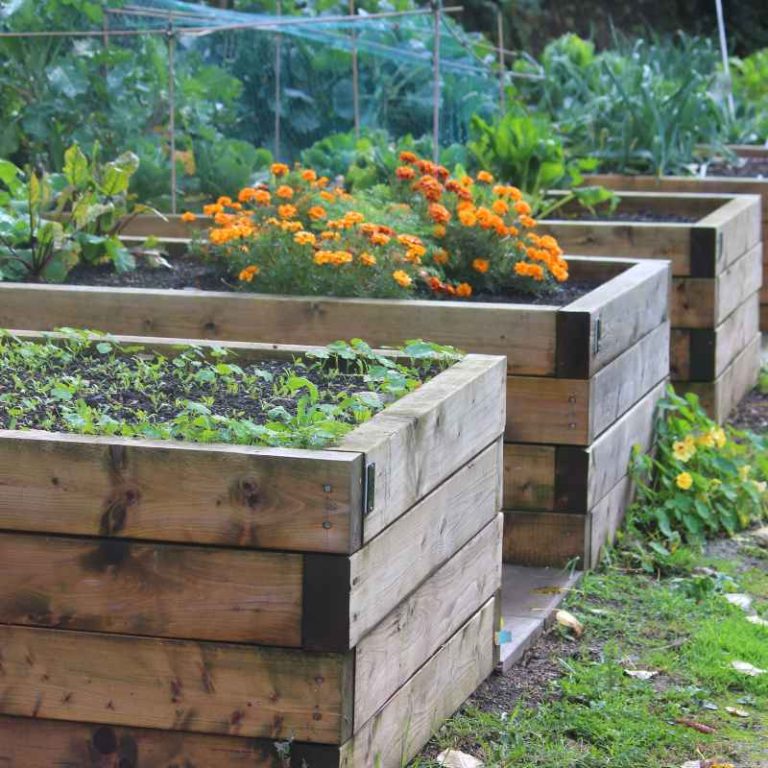
A school garden in Illinois used 12-12-12 for their raised vegetable beds, observing:
- Improved plant vigor and student engagement, as children could see rapid growth and healthy plants.
- Need for regular monitoring to prevent over-application, with teachers and students learning to interpret plant symptoms and soil test results.
- Integration of compost and mulch over time for sustainability, demonstrating the value of combining synthetic and organic approaches.
Outcome: Balanced fertilization and education on best practices led to healthy crops and a valuable learning environment, with students gaining hands-on experience in sustainable gardening.
Frequently Asked Questions
Is 12-12-12 Fertilizer Safe For All Vegetable Crops?
12-12-12 is generally safe for most vegetable crops when used according to label instructions and based on soil test recommendations. However, salt-sensitive plants (such as beans and carrots) may experience stress if over-applied. Always start with lower rates and adjust as needed.
Can I Use 12-12-12 On Organic Gardens?
While 12-12-12 is not permitted for certified organic production, it can be integrated into non-certified gardens that use organic practices. For organic-only gardens, choose approved organic fertilizers instead. Blending synthetic and organic approaches can work in transitional gardens, but always disclose practices if selling produce as “organic.
“
How Often Should I Apply 12-12-12 To My Vegetable Garden?
Typically, 12-12-12 is applied once at the start of the season and possibly again as a side-dress for heavy feeders. Avoid frequent or late-season applications, as excess nutrients can harm plants and the environment. Refer to soil test data and plant response for optimal timing.
What’s The Difference Between 12-12-12 And 10-10-10 Fertilizer?
The main difference is the concentration of nutrients: 12-12-12 has 12% of each major nutrient, while 10-10-10 has 10%. Both are balanced fertilizers, but 12-12-12 delivers slightly more nutrients per application. Either can be suitable for general use, but always tailor application rates to your garden’s needs.
What Are Signs Of Over-fertilization With 12-12-12?
Common signs include:
- Leaf tip burn or yellowing
- Wilting despite adequate water
- Poor fruit set or delayed ripening
- White crust on soil surface (salt buildup)
If over-fertilization is suspected, irrigate deeply to flush excess nutrients and halt further applications until symptoms resolve. Monitor plant recovery and consider incorporating organic matter to buffer against future issues.
Gardening success is rooted in understanding both your soil and your plants. While 12-12-12 fertilizer offers an easy, balanced option for many situations, it’s not a cure-all for every garden or crop. Tailoring your approach—guided by soil test results, specific crop needs, and sustainable practices—will yield healthier plants, better harvests, and a thriving garden ecosystem. By weighing the 12 essential considerations outlined above, you can confidently decide if 12-12-12 is right for your vegetable garden, integrating it wisely for optimal growth and long-term soil vitality.