How to Improve Clay Soil for Vegetable Gardening Fast
Improve clay soil by spreading a few inches of compost on top each season, avoiding working the beds when the soil is wet, and considering raised beds if drainage is still poor after about a season of amendments. Leave it alone and roots stay shallow, planting windows shrink, and crops rot or stall. I use this order in my own beds: test, amend, then decide if the ground earns another season.
This guide is part of our Vegetable gardening guide series.
What you’ll need before you start


- Soil test kit or a local lab report for pH and nutrient levels
- Simple ribbon test sample for home clay identification
- Finished compost, or fully aged manure
- Mulch such as shredded leaves, straw, or wood chips for paths
- Broad fork or garden fork for light loosening
- Wheelbarrow, rake, and shovel
- Raised-bed materials if drainage stays poor
📊 A competitor lists winter rye as a cover crop that can germinate in soil as cold as 33–34°F. Source: How to Amend & Improve Clay Soil.
Clay soil in a vegetable garden: what you are really fixing
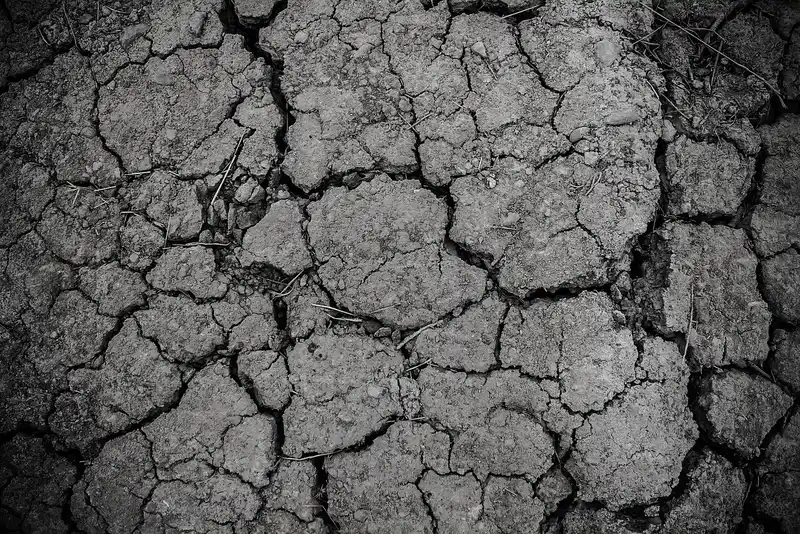
Clay is made of very fine particles that tend to fit together tightly, so water often drains slowly, the surface can crust when dry, and roots may meet resistance quickly. It can still hold nutrients well. The trouble is structure, not simple fertility.
Signs your soil is clay, not just dry
Clay usually feels sticky when wet and hard when dry. A ribbon test can help: moisten a handful and press it between thumb and finger. If it forms a fairly long, smooth ribbon, you are likely dealing with clay or a very clay-heavy mix.
Why clay holds nutrients but still grows poorly
Those tiny particles trap nutrients, which is useful. But when the pore spaces are too small, air cannot move well and roots struggle to spread. Water lingers after rain, then the surface bakes hard.
Red clay: what changes, what does not
Red clay often brings the same drainage and compaction problems as other clay soils. The color usually reflects iron oxide, not better structure. It still needs organic matter, careful traffic control, and a drainage decision before planting.
How do you decide whether to stay in-ground or switch plans?

Stay in-ground if the soil drains within a reasonable time after rain, roots can push below the surface crust, and a soil test does not show a major pH problem. Switch to raised beds when water sits for long periods or the clay stays plastic and sticky across much of the season.
Use this quick decision rule
If one season of finished-compost amendment does not change drainage and root growth, do not keep forcing the same approach. Move to raised beds in the worst areas, or use a hybrid layout with only the best native ground kept in play.
Drainage thresholds that matter
A simple drainage test uses a hole about 12 inches deep and wide. If it remains wet and slow to empty after a normal rain cycle, the site is a poor candidate for full in-ground production. Raised beds are especially useful where water sits for long periods.
Where a hybrid setup makes the most sense
A hybrid layout works well when one part of the yard drains better than another. Keep the best native clay for crops that tolerate heavier ground, and place raised beds where the soil stays soggy or access is easiest.
| Path | Best when | Time to visible improvement | Labor level | Budget |
|---|---|---|---|---|
| Stay in-ground | Drainage is fair and the bed can dry between work sessions | One to two seasons | Moderate | Low |
| Raised beds | Water sits for long periods or roots stay shallow | Immediate for planting conditions | High at setup, low later | Moderate to high |
| Hybrid | Some areas drain well, others fail | Immediate in beds, slower in ground | Moderate | Moderate |
Improve clay soil in place with a minimal-dig plan

Use this path when the soil drains slowly but still recovers between rains. The goal is to build structure in the top layer without churning the bed into clods or compacting it further.
- Test the soil first with a lab sample or ribbon test.
- Spread 2 to 4 inches of finished compost or leaf mix over the bed.
- Mix amendments into the top 6 to 8 inches only when the soil is dry enough to crumble.
- Use a broad fork or garden fork to loosen, not invert, the soil.
- Top the bed with mulch to slow crusting and protect the surface.
Why finished compost beats raw organic matter
Finished compost is stable, crumbly, and less likely to tie up nitrogen or heat up around roots. Fresh scraps, half-rotted leaves, and other unfinished material can keep breaking down in the bed and create poor growing conditions.
Where aged manure fits
Aged manure works much like compost when it is fully aged or composted. Use it as a soil-building amendment, not a fresh topdress around seedlings or transplants.
How often to repeat the amendment cycle
Repeat the compost layer each season on beds that stay in production. Clay improvement is gradual. One application helps; repeated applications build tilth, better aggregation, and easier root movement.
How much compost should you add to clay soil?
A practical target is 2 to 4 inches of finished compost or leaf mix on the surface, then incorporation into the top 6 to 8 inches where possible. More is not automatically better if the bed becomes too fluffy, too wet, or too hard to manage.
How to read the amount correctly
Think in layers. A thin dusting does little. A thick, even layer gives microbes food and improves the topsoil structure over time. The goal is repeated organic matter addition, not one deep burial.
How often to repeat the amendment cycle
Apply compost once a season in active vegetable beds. If the garden is small and labor is limited, focus on the highest-value beds first: tomatoes, peppers, cucumbers, and greens.
Use raised beds or a hybrid layout when drainage keeps failing
Raised beds are the safer choice when native clay stays waterlogged, roots sit in sour soil, or spring planting windows keep shrinking. A hybrid layout works when only part of the site fails and the rest can keep improving in place.
What to fill them with
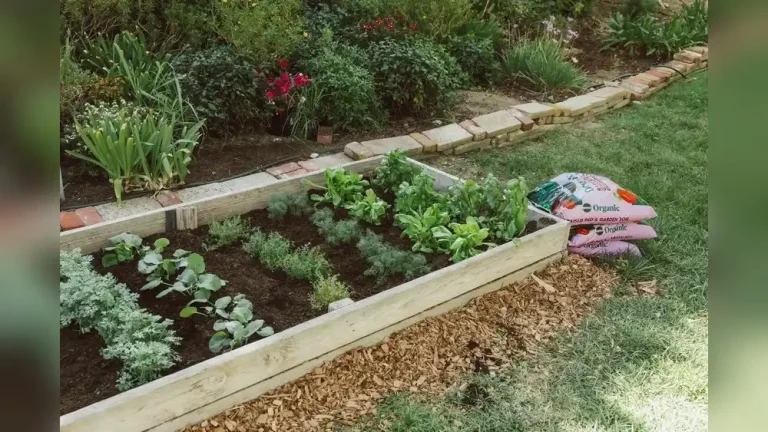
Raised beds are often filled with a blend around half topsoil and half compost. A soil-compost blend gives better initial structure than native clay alone and reduces dependence on the ground below.
How to keep the old clay from becoming a traffic lane
Do not step into the bed. Keep paths permanent, mulch them well, and use boards or stepping stones only where access is unavoidable. Compaction is one of the fastest ways to erase progress.
If that didn’t work, try this next
- Build one raised bed over the wettest patch.
- Plant shallow-rooted crops there first.
- Leave the native clay as a path or future repair zone.
- Extend the raised system only if the first bed performs well.
What can i do to improve my garden soil
Start with a soil test, then add finished compost, protect the surface with mulch, and stop compacting the beds. If the ground drains poorly, move the most demanding crops into raised beds and keep improving the native soil in the background.
Choose the right crop mix while the soil improves
Use crops that tolerate heavier ground early in the process. As structure improves, the bed can handle a wider set of vegetables. Clay rarely becomes perfect, but it can become productive.
Adjust watering after clay improvement
Water less often but more deeply. Clay that has been opened with organic matter still holds water better than sandy soil, so overwatering remains a common mistake. Check moisture below the surface before irrigating again.
Common mistakes
Most clay-soil failures come from trying to force fast change. The bed gets wetter, denser, and harder to work. Avoid these errors and the soil has a real chance to improve.
| Mistake | What goes wrong | Better move |
|---|---|---|
| Working wet soil | It creates hard clods and locks in compaction | Wait until the soil is dry enough to crumble |
| Adding sand to clay | It can make a dense, cement-like mix | Use finished compost or build raised beds |
| Using unfinished compost | It can rob nitrogen and interfere with roots | Use fully finished or fully aged material only |
| Stepping on beds | It crushes pore space and weakens roots | Keep feet in paths and reach from the edges |
Failure-case notes to keep nearby
- Wet soil work: if the bed smears in your hand, stop and wait.
- Sand shortcut: if the plan depends on sand, change the plan.
- Unfinished compost: if it still smells sour or heats up, do not spread it in the bed.
How do you improve clay soil for growing vegetables over time?
Use a repeated cycle: test, amend, mulch, and avoid compaction. Add organic matter every season, keep traffic off the bed, and move the wettest spots into raised beds when the ground refuses to drain. That steady approach changes clay from a constraint into workable garden soil.
Cover crops that help loosen heavy soil
Cover crops such as winter rye, crimson clover, and daikon radish protect bare ground and add organic matter. Winter rye can germinate in soil as cold as 33–34°F. Daikon roots can reach 12 to 20 inches long, which helps break up compacted layers.
Prevention
Keep soil covered whenever possible. Bare clay crusts faster, bakes harder, and erodes more easily than soil under living roots or mulch.
How to improve clay soil for vegetable gardening
The best approach is to match the fix to the problem. If drainage is only moderate, build the native soil with finished compost and mulch. If water stands too long, switch the worst areas to raised beds. If the site is mixed, use both approaches together.
The one-page clay soil decision checklist
| Branch | Use this when | First action | Failure-case note |
|---|---|---|---|
| Stay in-ground | Drainage is acceptable and the bed dries between work sessions | Add 2 to 4 inches of finished compost or leaf mix | Do not work wet soil or till deeply |
| Convert to raised beds | Water sits for long periods or roots remain shallow | Build beds and fill with a soil-compost blend | Do not keep fighting waterlogged native clay |
| Hybrid approach | Some sections perform well and others fail | Keep the best ground in production and raise the worst spots | Do not treat all clay areas the same |
Frequently asked questions
how to amend clay soil for vegetable gardening
Spread 2 to 4 inches of finished compost, then work it into the top 6 to 8 inches only when the soil is dry enough to crumble. Repeat once each season, and keep feet out of the bed to avoid compaction.
how to improve clay soil for vegetable garden
Test the soil first, add finished compost, and mulch the surface with 3 to 4 inches of organic material. If water still lingers after rain, move the most demanding crops into raised beds instead of pushing the native ground harder.
how to amend red clay soil for vegetable gardening
Treat red clay the same way as other heavy clay, but be more willing to switch to raised beds if spring planting keeps getting delayed. Compost, aged manure, and cover crops still help; color alone does not change the basic fix.
should i add sand to clay soil for vegetables?
No. Sand is the wrong shortcut for dense clay and can make the texture worse. Use finished compost or an aged-manure amendment, and reserve sand for structures built from separate soil blends, not for quick garden repair.
is a raised bed better than in-ground clay soil?
Yes, when drainage stays poor or water sits for long periods. Raised beds give roots a better starting environment immediately, while in-ground clay needs repeated organic matter additions before it changes much.
how much compost should i add to clay soil?
Use 2 to 4 inches of finished compost or leaf mix, then mix it into the top 6 to 8 inches where possible. If you can only do one thing, do that first and keep the bed covered afterward.