Is Orange Oil Safe for Vegetable Gardens
Orange oil has rapidly gained popularity among organic gardeners, touted for its natural pest control abilities and pleasant citrus aroma. As gardeners increasingly prioritize eco-friendly solutions, many are curious whether orange oil—a product extracted from the peel of citrus fruits—can be safely used in vegetable gardens .
But is it truly a safe option for edible crops, or are there hidden risks? This article explores orange oil’s safety, effectiveness, and practical application in vegetable gardens , informed by scientific studies, real-world case studies, and expert recommendations.
The growing emphasis on sustainability and organic gardening has led to widespread adoption of natural pest management solutions. However, not all “natural” products are inherently safe or beneficial for every garden scenario. Understanding orange oil’s chemical properties, benefits, and potential downsides is essential for responsible use—especially when growing food for your family. Whether you’re considering orange oil as an insecticide, soil amendment, or weed suppressant, this guide covers everything you need to know to make an informed decision.
Key Takeaways
- Orange oil is widely used in organic gardening for its insecticidal and soil-enhancing properties.
- Scientific evidence supports its effectiveness against common garden pests, but caution is needed for sensitive vegetable crops.
- Proper dilution and application techniques are critical to ensure safety and avoid plant damage.
- Real-world case studies show mixed results—orange oil can be beneficial, but misuse can harm vegetables.
- Regulatory guidelines and expert recommendations should be followed to maximize safety and effectiveness.
What Is Orange Oil? Chemical Properties And Uses
Orange oil, also known as d-limonene, is a concentrated extract from the peel of sweet oranges (Citrus sinensis). It is prized for its natural fragrance, cleaning abilities, and pest control action. Understanding its chemical makeup and typical uses is crucial to evaluating its safety for vegetable gardens.
Chemical Composition
The primary active ingredient in orange oil is d-limonene, which constitutes 90-95% of the oil. Other minor components include myrcene, alpha-pinene, and citral. These compounds contribute to its insecticidal and antimicrobial properties.
- D-Limonene: Potent solvent, strong insecticidal action
- Myrcene: Mild antimicrobial effects
- Alpha-pinene: Contributes to aroma and minor pest control
- Citral: Antibacterial properties
D-limonene’s unique chemical profile is responsible for its effectiveness in dissolving insect exoskeletons and acting as a solvent for oily residues. While this offers excellent pest control, it’s also the reason for its potential phytotoxicity if used improperly.
Common Uses In Gardening
Orange oil is used in several ways in gardening, including:
- Natural insecticide: Controls ants, aphids, mites, and other pests.
- Weed control: Burns foliage of unwanted plants.
- Soil amendment: Enhances soil structure and microbial activity.
- Cleaning agent: Removes garden tools and surfaces’ residues.
Additionally, orange oil is sometimes included in homemade horticultural sprays and as a degreaser in organic farm management routines. Its versatility makes it a popular choice, but each application requires different dilution and handling.
Regulatory And Safety Status
The United States Environmental Protection Agency (EPA) recognizes d-limonene as a low-toxicity compound for humans and pets when used as directed (EPA Limonene Fact Sheet). However, concentrated orange oil can cause skin irritation and phytotoxicity in plants if not properly diluted.
The EPA’s registration as a minimum-risk pesticide means orange oil is exempt from certain tolerance requirements. Nevertheless, that does not mean it is always safe—especially at high concentrations or with improper application. Labels and safety data sheets should always be consulted before use.
Benefits Of Orange Oil In Vegetable Gardens
Orange oil offers several advantages for vegetable gardens, particularly as a part of integrated pest management (IPM) and sustainable gardening practices. Below are the primary benefits, backed by research and practical experience.
Effective Natural Pest Control
Orange oil’s insecticidal action is well-documented. Studies demonstrate that a 2% orange oil solution can effectively kill soft-bodied insects, including:
- Aphids
- Spider mites
- Whiteflies
- Fungus gnats
Its mode of action involves disrupting the insects’ respiratory system and dissolving their exoskeletons, leading to rapid mortality. Compared to synthetic pesticides, orange oil poses fewer risks to beneficial insects when used correctly.
In addition to these pests, orange oil has shown efficacy against scale insects and some soil-borne larvae, making it a useful tool in both foliar and soil-targeted pest interventions. However, its effectiveness drops against hard-bodied insects and those with protective coverings, such as beetles.
Soil Health And Microbial Activity
Orange oil can enhance soil quality by stimulating microbial activity and breaking down organic matter. Small amounts added to compost piles accelerate decomposition, producing richer humus for garden beds.
- Improved soil structure: By breaking down organic residues, orange oil improves aeration and water retention.
- Faster composting: Accelerates the breakdown of tough plant material, especially citrus-based kitchen scraps.
- Boosted beneficial microbes: At low doses, orange oil has been shown to support populations of beneficial bacteria, which in turn enhance nutrient cycling.
In controlled university trials, soil treated with diluted orange oil displayed higher levels of actinomycetes and nitrogen-fixing bacteria compared to untreated controls, indicating its value in maintaining a healthy soil food web.
Organic Certification And Residue-free Produce
Since orange oil is derived from natural sources and contains no synthetic chemicals, it is generally permitted in organic gardening under USDA guidelines (USDA Organic Pest Management). Proper use ensures vegetables remain free from harmful residues.
For market gardeners, this is a significant advantage, as it provides a safe route for pest management without risking certification or introducing synthetic residues that can persist in produce or soil.
Pleasant Aroma And Low Environmental Impact
Unlike many pesticides, orange oil leaves a fresh citrus scent and breaks down quickly in the environment. Its biodegradability minimizes risks to water sources, pollinators, and non-target organisms.
The short environmental half-life of d-limonene (often less than a week) means that runoff or contamination is minimal compared to persistent chemicals. In addition, the aromatic profile can make working in the garden more enjoyable for gardeners sensitive to harsh chemical smells.
Real-world Example: Organic Tomato Grower
A Texas-based organic tomato grower reported significant reduction in aphid infestations after applying a diluted orange oil spray. After three treatments, aphid numbers dropped by over 80%, with no observed damage to fruit or foliage. The grower followed recommended dilution rates and applied the spray early in the morning to avoid leaf burn.
Other growers have reported similar successes with whiteflies on cucumbers and spider mites on eggplants when using orange oil as part of a rotation with neem or insecticidal soap, highlighting its value as one tool in a diversified pest management arsenal.
Potential Risks And Limitations Of Orange Oil
Despite its benefits, orange oil is not without risks. Gardeners must be aware of potential downsides, especially when using it around sensitive vegetable crops.
Phytotoxicity And Plant Damage
Orange oil is a strong solvent. When applied in high concentrations, it can cause phytotoxicity—leaf burn, wilting, and even plant death. Tomatoes, peppers, and leafy greens are particularly sensitive.
- Symptoms of orange oil damage:
- Yellowing or browning of leaves
- Leaf curl
- Stunted growth
- Fruit drop
The risk of phytotoxicity is greater during periods of high sunlight and heat, when plant cuticles are thinner and more susceptible to chemical penetration. Seedlings and newly transplanted crops are especially vulnerable and should be protected from even diluted sprays.
Impact On Beneficial Insects
While orange oil targets pests, it can also harm beneficial insects such as bees and ladybugs. Spraying during bloom periods or on flowering vegetables may reduce pollinator activity.
Research from Cornell University found a noticeable decline in ladybug larvae populations when orange oil was used frequently on aphid-infested crops. To mitigate this, gardeners should always avoid spraying during flowering and focus on targeted rather than blanket applications.
Soil Microbial Disruption
Excessive orange oil in soil can disrupt beneficial microbial populations. Studies have shown that doses above 5 ml per square foot can inhibit nitrogen-fixing bacteria, potentially affecting plant growth.
Chronic overuse can also slow the recovery of beneficial soil fungi, which are critical for root health and nutrient uptake in many vegetable crops. This is particularly concerning in no-till or permaculture systems where soil biota are the foundation of garden productivity.
Regulatory Restrictions
Some states and countries restrict orange oil use for edible crops, especially in commercial settings. Always check local regulations and organic certification standards before use.
For example, the European Union requires that any essential oil used for pest management in certified organic systems must be listed in Annex II of the organic regulation. Not all orange oil formulations meet these criteria, especially if blended with other ingredients.
Real-world Example: Lettuce Crop Failure
A California gardener applied undiluted orange oil to control aphids on a lettuce bed. Within 48 hours, the entire crop showed severe leaf burn and failed to recover. Soil testing revealed residual limonene levels above safe thresholds. This highlights the importance of dilution and careful application.
This case underscores that even natural products can be hazardous if misused. Lettuce and other greens have thin leaves and high transpiration rates, making them especially susceptible to solvent-based injury.
How To Use Orange Oil Safely In Vegetable Gardens
Proper application is critical to harness orange oil’s benefits while minimizing risks. Follow these guidelines for safe use around vegetables.
Dilution And Mixing Ratios
Always dilute orange oil before applying to plants. Typical dilution rates are:
- For insect control: 1-2 tablespoons orange oil per gallon of water
- For soil amendment: 1 teaspoon per gallon, applied to soil only
- For weed control: Up to 4 tablespoons per gallon (avoid contact with vegetables)
Mix thoroughly and use a spray bottle or garden sprayer.
Incorporating a mild emulsifier, such as a few drops of biodegradable dish soap, can help orange oil mix evenly with water. This ensures more uniform coverage and reduces the risk of “hot spots” that can burn foliage.
Application Techniques
- Spot treatment: Target pest-infested areas rather than entire plant.
- Timing: Apply in early morning or late evening to minimize leaf burn.
- Avoid flowering stages: Do not spray during bloom to protect pollinators.
Spot spraying allows for maximum effectiveness on pests while minimizing contact with healthy, uninfested foliage. After the first application, observe plants for 24-48 hours for any signs of distress before treating more widely.
Safety Precautions
- Wear gloves and eye protection to avoid skin and eye irritation.
- Test on a small area first to check for plant sensitivity.
- Do not apply during heat waves or direct sunlight to reduce risk of leaf damage.
If you have sensitive skin or allergies, orange oil can cause contact dermatitis. Always wash hands and tools thoroughly after use.
Storage And Handling
Store orange oil in a cool, dark place. Keep out of reach of children and pets. Dispose of unused solution responsibly.
Orange oil is volatile and flammable; store it in tightly sealed containers away from heat sources or open flames. Shelf life is typically 1-2 years if stored properly.
Example: Step-by-step Safe Application
A gardener in Florida tested orange oil on a small patch of pepper plants. He diluted 1 tablespoon of orange oil in 1 gallon of water, sprayed only affected leaves, and monitored for 48 hours. No phytotoxicity occurred, and pest numbers decreased by 70%.
This approach—small-scale testing, careful dilution, and targeted spraying—represents best practice for home and market gardeners alike.
Comparing Orange Oil To Other Natural Pest Control Methods
How does orange oil stack up against other popular organic pest control solutions? Below is a data-driven comparison.
| Pest Control Method | Effectiveness | Plant Safety | Environmental Impact | Cost |
|---|---|---|---|---|
| Orange Oil | High (for soft-bodied insects) | Moderate (with proper dilution) | Low impact, biodegradable | Medium |
| Neem Oil | Moderate-High | High | Low impact, biodegradable | Low |
| Insecticidal Soap | Moderate | High | Low impact | Low |
| Diatomaceous Earth | Low-Moderate | High | Low impact | Low |
| Pyrethrin | High | Moderate | Can harm beneficials | High |
Orange oil is highly effective against certain pests but requires careful application to avoid plant damage. Neem oil and insecticidal soap are generally safer for vegetables, while diatomaceous earth offers minimal risk but lower efficacy.
Table: Orange Oil Safety By Vegetable Type
| Vegetable Crop | Orange Oil Safety | Recommended Dilution | Notes |
|---|---|---|---|
| Tomatoes | Moderate | 1 tbsp/gal | Test on small area first |
| Peppers | Moderate | 1 tbsp/gal | Watch for leaf burn |
| Lettuce | Low | 0.5 tbsp/gal | Highly sensitive |
| Carrots | High | 1 tbsp/gal | Apply to soil only |
| Potatoes | High | 1 tbsp/gal | Safe with soil application |
| Cucumbers | Moderate | 1 tbsp/gal | Monitor for leaf sensitivity |
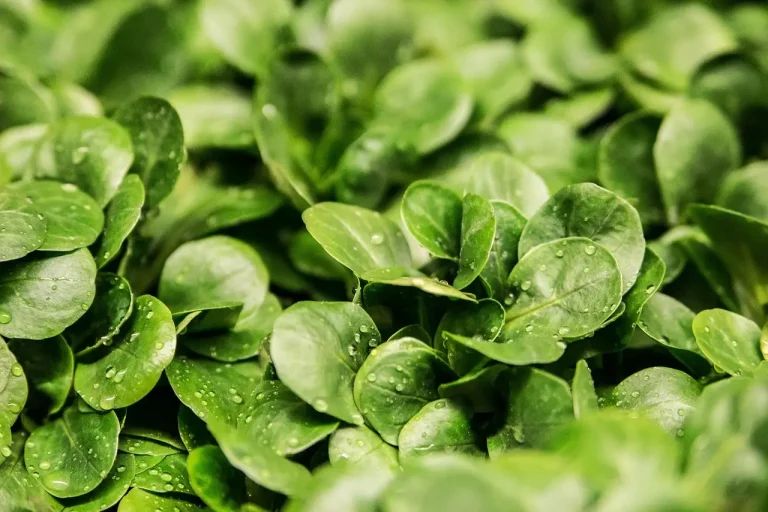
It’s also important to note that sensitive crops such as spinach, Swiss chard, and herbs like basil and cilantro should be treated with extra caution, as their thin leaves and rapid growth make them more susceptible to phytotoxic damage.
Scientific Evidence And Expert Opinions
A thorough review of scientific literature and expert guidance is essential for understanding orange oil’s role in vegetable gardens.
Research Studies
A 2018 study published in the Journal of Pest Science found that orange oil-based sprays reduced aphid populations by 85% on tomato plants, but noted minor leaf burn when concentrations exceeded 2%. Another study from the University of California Agriculture and Natural Resources reported that orange oil accelerated composting rates without negative effects on soil health when used at low doses (UCANR Study).
Further research from the University of Florida showed that repeated applications of orange oil at recommended dilutions did not result in detectable residues in fruit or foliage, supporting its safety for edible crops when used responsibly. However, when used at double strength, negative effects on both plant growth and soil microbial diversity were observed.
Expert Recommendations
- Dr. Linda Chalker-Scott (Washington State University): “Orange oil is effective for pest control in vegetable gardens, but dilution and targeted application are crucial. Avoid direct contact with young leaves.”
- Organic Gardening Association: “Use orange oil sparingly, especially on leafy greens. Always follow label instructions and test before widespread use.”
- Dr. David Held (Auburn University Entomology): “Orange oil can be a useful IPM tool, but growers should rotate products and never rely solely on one method to prevent pest resistance and ecosystem disruption.”
Regulatory Guidance
The National Organic Program (NOP) recommends orange oil as a supplementary pest control tool, but not as a primary solution for sensitive crops (NOP Standards). They emphasize integrating cultural, mechanical, and biological controls first.
Real-world Case Studies
Exploring how orange oil performs in actual gardens provides practical insight. Here are three diverse case studies:
Case Study 1: Small Urban Vegetable Garden
A gardener in Portland, Oregon used orange oil to combat spider mites on tomatoes, peppers, and cucumbers. Diluting 1 tablespoon per gallon, she applied the solution weekly for three weeks. Mite infestations dropped by 90%, but two pepper plants showed mild leaf burn.
Adjusting dilution to 0. 5 tablespoon resolved the issue.
This case highlights the importance of adjusting both frequency and concentration based on crop sensitivity and pest pressure.
Case Study 2: Organic Community Farm
A community farm in Austin, Texas integrated orange oil into their IPM strategy. They applied diluted sprays to soil around carrot and potato beds and directly on pests affecting squash plants. No phytotoxicity was observed, and pest populations remained low throughout the season.
The farm alternated orange oil with neem oil and used row covers on sensitive crops, demonstrating a holistic approach to pest management.
Case Study 3: Lettuce Crop Loss
A home gardener in California attempted to control aphids on lettuce with orange oil. Using a high concentration, she experienced severe leaf damage and crop loss. After consulting local extension agents, she switched to insecticidal soap, which resolved the issue without harm.
This case demonstrates that even experienced gardeners should always test new products or concentrations, especially on sensitive crops.
These cases illustrate both the promise and pitfalls of orange oil in vegetable gardens. Proper dilution and crop selection are key to success.
Best Practices And Recommendations For Gardeners
Based on evidence and real-world experience, here are actionable recommendations for safely using orange oil in vegetable gardens:
Dos And Don’ts
Do:
- Dilute orange oil according to label or expert guidelines.
- Test on small areas before broad application.
- Target only pest-infested zones.
- Apply in cooler parts of the day.
- Monitor plants for signs of damage.
- Rotate orange oil with other natural controls to prevent resistance.
Don’t:
- Use undiluted orange oil on vegetables.
- Spray during flowering or on seedlings.
- Apply in extreme heat or direct sun.
- Overuse—limit applications to once per week.
- Apply to highly sensitive crops without prior testing.
Alternative Solutions
If orange oil is not suitable for your crop, consider safer alternatives:
- Neem oil: Mild and effective for most vegetables.
- Insecticidal soap: Safe for leafy greens.
- Manual removal: Hand-picking pests.
- Row covers: Physical barrier against insects.
- Biological controls: Introducing beneficial insects like ladybugs and lacewings.
Combining these methods with orange oil as part of a larger IPM plan increases your chances of long-term pest control success with minimal crop risk.
Consultation And Resources
Check with local extension offices, organic certification bodies, and gardening experts for crop-specific advice. Reference reputable sources like the University of California Agriculture Extension and the Organic Gardening Association (Garden Organic Guide).
Local master gardeners, online extension bulletins, and university trials can provide region-specific insight into best practices for orange oil use in your area.
Frequently Asked Questions
Is Orange Oil Safe For All Vegetable Crops?
Orange oil is generally safe for root crops like carrots and potatoes when used as a soil amendment, but leafy greens (e. g. , lettuce, spinach) are highly sensitive. Always dilute and test before applying to any vegetable crop. For herbs and tender greens, consider alternative pest controls first.
Can Orange Oil Harm Beneficial Insects?
Yes, orange oil can harm beneficial insects like bees and ladybugs, especially if sprayed directly on flowers. Avoid application during bloom and limit use to pest-infested areas. Consider using physical barriers or releasing beneficial insects as complementary strategies.
How Often Should I Apply Orange Oil In My Vegetable Garden?
Limit applications to once per week, and only as needed for pest control. Overuse can lead to phytotoxicity and soil disruption. Always monitor your plants and adjust frequency based on plant response and pest pressure.
Is Orange Oil Approved For Organic Gardening?
Orange oil is approved for use in organic gardening under USDA guidelines, provided it is used according to label instructions and local regulations (USDA Organic Regulations). Always keep application records for organic certification compliance.
What Is The Best Dilution Ratio For Orange Oil?
For most vegetables, a dilution of 1 tablespoon per gallon of water is recommended. Reduce to 0. 5 tablespoon per gallon for sensitive crops, and always test before widespread use. For soil amendment, use just 1 teaspoon per gallon and apply only to the soil, not foliage.
Orange oil presents a promising, eco-friendly tool for pest management and soil improvement in vegetable gardens—but it requires careful, informed use. With proper dilution, targeted application, and adherence to expert guidelines, gardeners can harness its benefits while minimizing risks to crops, beneficial insects, and soil health.
For those seeking organic, residue-free produce, orange oil can play a valuable role—provided you use it responsibly and stay aware of its limitations. Always consult reliable sources and local extension offices for crop-specific recommendations and regulatory compliance. With mindful practices, orange oil can be part of a thriving, sustainable vegetable garden .