Why Are Vegetable Gardens Sustainable? The Real Reasons
As climate change accelerates and global food systems face mounting pressure, the conversation around sustainability is no longer just for environmentalists—it’s a mainstream priority. Amid this shift, vegetable gardens have emerged as a symbol of hope, offering tangible solutions for eco-conscious individuals and communities. From backyard plots to urban rooftop gardens, growing vegetables is lauded for its potential to reduce environmental footprints, reconnect us with nature, and promote healthier living.
But what makes vegetable gardens truly sustainable? Beyond the surface appeal, there are deep-rooted, science-backed reasons why cultivating your own produce can be a game-changer for both people and the planet. Whether you’re a seasoned gardener, a sustainability advocate, or simply curious about growing your own food, understanding the mechanisms that make vegetable gardens sustainable unlocks new perspectives on how we can reshape our future—one seed at a time.
Key Takeaways
- Vegetable gardens significantly reduce food miles, packaging waste, and the carbon footprint associated with industrial agriculture.
- They enhance soil health and biodiversity through natural gardening practices and crop rotation.
- Home and community gardens empower individuals and communities with greater food security and nutritional diversity.
- Water conservation techniques, composting, and organic pest control make vegetable gardening more resource-efficient.
- Real-world examples show vegetable gardens’ impact on urban resilience, local economies, and public health.
The Environmental Impact Of Vegetable Gardens
Growing your own vegetables directly addresses some of the largest environmental issues linked to industrial agriculture. By localizing food production, gardeners cut down on pollution, conserve resources, and foster healthier ecosystems.
Reduction In Food Miles And Emissions
Industrial food systems often involve transporting produce thousands of miles from farm to table, contributing to significant carbon emissions. According to the USDA, the average American meal travels approximately 1,500 miles. In contrast, vegetables harvested from a home or community garden are consumed just steps away from where they are grown, slashing transportation emissions.
On a broader scale, this localized approach also helps reduce the need for refrigerated transport and storage, which further cuts down on energy use and greenhouse gas output. When food is grown and consumed locally, it’s often fresher and more nutritious due to less time spent in transit and storage facilities.
Decreased Packaging Waste
Store-bought vegetables are typically wrapped in plastic or other packaging materials to preserve freshness during transit. By growing vegetables at home, gardeners eliminate the need for single-use packaging, reducing landfill waste and plastic pollution.
This reduction in packaging waste not only minimizes the burden on municipal waste management systems but also decreases microplastic pollution—a growing concern for aquatic and terrestrial environments. Many home gardeners also opt for reusable produce bags or baskets when sharing or distributing their harvest, further lowering their environmental footprint.
Improved Soil Health
Industrial agriculture frequently relies on monoculture and chemical fertilizers, which degrade soil quality over time. Vegetable gardens often utilize crop rotation, compost, and other organic amendments, which replenish soil nutrients and foster healthy microbial life. Healthy soil not only grows better food but also acts as a carbon sink, helping capture atmospheric carbon dioxide.
For example, rotating nitrogen-fixing plants like beans with heavy feeders like tomatoes can naturally balance soil nutrients, reducing the need for chemical fertilizers. The use of compost and mulch also promotes water retention and suppresses weeds, making gardens more resilient to drought and pests.
Enhanced Local Biodiversity
Vegetable gardens encourage biodiversity by supporting a wide range of plants, insects, and beneficial organisms. Unlike monoculture fields, diverse gardens create habitats for pollinators, earthworms, and birds, strengthening local ecosystems.
Incorporating native plants, fruit trees, or herbs alongside vegetables further increases the variety of species present, supporting a richer web of life. This approach can even help restore habitats in areas previously dominated by lawns or hardscapes, transforming private and public spaces into thriving green corridors.
Case Study: Urban Agriculture In Detroit
Detroit has become a leader in urban agriculture, with more than 1,900 urban gardens and farms. According to the Michigan Urban Farming Initiative, these gardens not only provide fresh produce but have improved vacant land use, increased biodiversity, and reduced urban heat island effects—demonstrating the multifaceted benefits of sustainable gardening.
Additionally, Detroit’s urban agriculture movement has fostered social entrepreneurship, education, and community empowerment, serving as a model for other post-industrial cities seeking to repurpose underutilized land for sustainable development.
Resource Efficiency And Conservation
Vegetable gardening is inherently more resource-efficient than large-scale commercial farming, particularly when it comes to water, energy, and waste management.
Water Conservation Practices
Many gardeners employ water-saving techniques such as drip irrigation, mulching, and rainwater harvesting. These methods minimize water loss to evaporation and runoff, making each drop count. According to the EPA, drip irrigation can reduce water use by 30-50% compared to traditional sprinklers.
Mulching with organic materials like straw or wood chips insulates soil, further reducing evaporation and keeping roots cool in hot weather. Some gardeners even implement greywater systems, recycling water from sinks or showers for irrigation. These approaches are not only beneficial for the environment but also lower water bills for households.
Energy Savings Compared To Industrial Farming
Commercial agriculture is energy-intensive, relying on heavy machinery, synthetic fertilizers, and long supply chains. In contrast, home gardens depend primarily on human labor and natural processes, slashing fossil fuel consumption.
This reliance on manual labor and biological cycles dramatically reduces greenhouse gas emissions. For instance, preparing soil with hand tools instead of tractors and using compost instead of synthetic fertilizer can save significant amounts of energy per season.
Table: Resource Use Comparison—home Vegetable Garden Vs. Commercial Farm
| Resource/Factor | Home Vegetable Garden | Commercial Farm |
|---|---|---|
| Water Use | Drip irrigation, rain barrels, hand watering | Large-scale irrigation, higher runoff/waste |
| Energy Input | Primarily manual labor, low fossil fuels | Tractors, machinery, transport trucks |
| Chemical Input | Compost, organic amendments | Synthetic fertilizers, pesticides |
| Packaging | Minimal to none | Plastic, cardboard, pallets |
Organic Waste Recycling And Composting
Gardeners can turn kitchen scraps and garden waste into compost, closing the nutrient loop and reducing methane emissions from landfills. According to the US Environmental Protection Agency, composting can divert as much as 30% of household waste from the landfill.
Beyond reducing waste, compost enriches soil structure, enhances water retention, and introduces beneficial microorganisms that help suppress plant diseases. Even small-scale vermicomposting using worms can provide nutrient-rich castings for garden beds, further reducing the need for purchased fertilizers.
Reduced Chemical Inputs
By utilizing organic pest management, companion planting, and natural fertilizers, vegetable gardens minimize or eliminate the use of synthetic chemicals. This not only protects soil and water quality but also supports beneficial insects and wildlife.
For example, neem oil, insecticidal soap, or physical barriers like row covers can be used in place of harsh pesticides. Interplanting flowers such as nasturtiums or calendula can attract predatory insects that naturally control pests, preserving the ecological balance in the garden.

Strengthening Food Security And Community Resilience
Vegetable gardens play a vital role in enhancing food security and building more resilient communities—especially in times of crisis or food system disruptions.
Localized Food Production
Home and community gardens enable individuals and neighborhoods to produce a portion of their own food, reducing reliance on global supply chains that are vulnerable to disruption. According to a study by Johns Hopkins Center for a Livable Future, during the COVID-19 pandemic, interest in home gardening surged as people sought more reliable food sources.
This trend highlights the value of decentralized food systems in buffering communities against shortages, price spikes, and supply interruptions. In some regions, urban agriculture has become a strategic part of emergency preparedness plans.
Economic Benefits For Families And Communities
Growing vegetables at home saves money on grocery bills and allows excess produce to be shared, traded, or sold locally. Community gardens can even stimulate local economies by creating green jobs and supporting farmers markets.
These gardens often become hubs for entrepreneurship—such as small-scale seedling sales or value-added products like jams or pickles—further contributing to local economic diversification. In addition, the skills learned through gardening (planning, teamwork, problem-solving) can have broader employment and educational benefits.
Real-world Example: Victory Gardens
During World War II, the US government promoted “Victory Gardens,” which supplied nearly 40% of all vegetables consumed on the home front. This mass mobilization proved how widespread gardening can bolster food supplies during crises.
The Victory Garden movement also fostered community spirit and self-reliance, encouraging citizens to contribute to the war effort by producing their own food. Today, similar campaigns are being revived in response to contemporary challenges such as food insecurity and supply chain disruptions.
Social And Mental Health Benefits
Gardening fosters community engagement and provides mental health benefits. Studies show that gardening can reduce stress, promote physical activity, and strengthen social ties—key components of resilient, sustainable communities.
The act of nurturing plants has been linked to reduced symptoms of depression and anxiety, improved mood, and increased life satisfaction. Community gardens, in particular, serve as gathering places where neighbors can collaborate, share knowledge, and celebrate collective achievements, helping to break down social isolation.
Nutritional Security And Diversity
Homegrown vegetables are typically fresher and more nutrient-dense than store-bought counterparts, which may lose vitamins during long transport and storage. Gardeners can also grow a wider variety of crops, increasing dietary diversity and nutrition.
This variety allows families to experiment with lesser-known or culturally significant crops that may not be available in supermarkets, enriching both diets and culinary traditions. Children exposed to home gardening are also more likely to try new vegetables and develop lifelong healthy eating habits.
Table: Nutritional Comparison—homegrown Vs. Store-bought Produce
| Produce Type | Homegrown | Store-Bought |
|---|---|---|
| Tomatoes | Richer in Vitamin C, picked at ripeness | Lower Vitamin C (due to early harvest, transport) |
| Leafy Greens | Higher antioxidants, fresher flavor | Reduced nutrients after storage |
| Carrots | Sweeter taste, more beta-carotene | Potential nutrient loss during shipping |

Promoting Biodiversity And Regenerative Practices
Vegetable gardens are not just about growing food; they’re about building sustainable ecosystems that regenerate the land and support diverse life forms.
Companion Planting And Polycultures
Unlike monocultures, many gardeners use companion planting—growing different crops together to maximize yields, repel pests, and enhance soil health. Examples include planting basil with tomatoes to deter aphids or marigolds among beans to repel nematodes.
Polyculture systems can mimic natural ecosystems, reducing vulnerability to pests and diseases and increasing overall productivity. For example, the “Three Sisters” method—planting corn, beans, and squash together—has been used by Indigenous peoples in the Americas for centuries to optimize space and resource use.
Supporting Pollinators And Beneficial Insects
A variety of flowers, herbs, and vegetables attract bees, butterflies, and predatory insects that keep pest populations in check naturally. This biodiversity is critical as pollinator populations decline globally. The Xerces Society reports that urban and suburban gardens can serve as vital pollinator refuges.
Planting native wildflowers or leaving patches of bare soil for ground-nesting bees can further enhance the value of gardens as pollinator habitats. Even small gardens can make a meaningful difference in sustaining pollinator populations and, by extension, supporting broader food webs.
Soil Regeneration Techniques
Practices such as no-dig gardening, cover cropping, and mulching help build healthy soil structure, prevent erosion, and sequester carbon. For example, cover crops like clover or vetch fix nitrogen and add organic matter, making the soil richer for future plantings.
No-dig methods maintain soil structure and beneficial fungal networks, while mulching conserves moisture and suppresses weeds. These practices not only boost yields but also contribute to long-term land restoration, turning depleted soils into productive assets.
Wildlife Habitat Creation
Vegetable gardens, especially those with native plants and water features, provide habitat for birds, amphibians, and other wildlife. This increases urban biodiversity and creates small pockets of ecological resilience.
For instance, a simple birdbath or log pile can attract a range of beneficial species, from pollinators to natural pest controllers. Gardens designed with wildlife in mind contribute to the conservation of urban species and enhance the beauty and educational value of green spaces.
Case Study: Community Gardens And Urban Wildlife
A study by the University of California, Santa Cruz found that urban community gardens in Los Angeles supported more native bee species than nearby parks, highlighting the ecological value of diverse, pesticide-free gardens in city environments.
These findings underscore the potential of gardens not just for food production but as critical havens for wildlife in increasingly developed landscapes.
Reducing Reliance On Industrial Agriculture
Industrial agriculture is a major driver of environmental problems, including deforestation, water contamination, and greenhouse gas emissions. Vegetable gardens offer a powerful alternative.
Lower Greenhouse Gas Emissions
According to the Food and Agriculture Organization (FAO), agriculture is responsible for about 25% of global greenhouse gas emissions. By growing food locally and organically, gardeners help curb emissions from synthetic fertilizers, transport, and processing.
Eliminating the need for refrigerated storage, packaging, and long-distance trucking further reduces the carbon footprint of each meal. Additionally, healthy garden soils sequester more carbon, offsetting some emissions generated elsewhere.
Preservation Of Heirloom And Indigenous Varieties
Home gardeners often grow heirloom or indigenous varieties that are not widely available in supermarkets. This preserves genetic diversity and promotes crops adapted to local climates and pests, reducing the need for chemical interventions.
Seed saving and sharing networks—such as Seed Savers Exchange—help maintain rare varieties and ensure future generations can access resilient crops, thus strengthening food sovereignty and cultural heritage.
Education And Awareness
The hands-on nature of gardening teaches individuals about seasonality, ecological cycles, and the effort behind food production. This awareness can shift consumer behavior towards more sustainable choices in the marketplace.
Gardening also provides a platform for learning about organic practices, permaculture, and regenerative agriculture, inspiring broader adoption of these principles beyond the garden fence.
Table: Industrial Agriculture Vs. Home Vegetable Gardens (sustainability Factors)
| Factor | Industrial Agriculture | Home Vegetable Garden |
|---|---|---|
| Land Use | Large-scale monoculture, often with deforestation | Small-scale, diverse plantings |
| Biodiversity | Low (monoculture) | High (polyculture, natives, pollinators) |
| Input Needs | High synthetic fertilizer/pesticide use | Compost, organic inputs |
| Community Involvement | Minimal | High (education, sharing, resilience) |
Case Study: Cuba’s Urban Agriculture Revolution
When faced with food shortages after the collapse of the Soviet Union, Cuba transformed vacant lots into urban farms. Today, Havana produces over 50% of its fresh produce locally, showcasing the potential of urban gardens to reduce dependence on industrial imports and boost local resilience. Read more at Wikipedia: Urban Agriculture in Cuba.
Cuba’s success illustrates how policy support, community engagement, and resourcefulness can rapidly scale up sustainable food production under challenging circumstances.
Adopting Circular Economy Principles In Gardening
Sustainability in vegetable gardens is enhanced when gardeners adopt principles of the circular economy, where waste is minimized and resources are reused and recycled.
Closing The Nutrient Loop
Composting kitchen scraps, garden waste, and even using vermicomposting (worms) transforms organic matter into valuable fertilizer. This reduces the need for external inputs and keeps nutrients cycling within the garden system.
Many gardeners also experiment with compost teas or green manure crops to further boost soil fertility, demonstrating how closed-loop systems can sustain productivity without external chemical inputs.
Water Harvesting And Reuse
Rain barrels and greywater systems capture and reuse water for irrigation. These practices minimize municipal water demand and help gardens thrive even in drought-prone regions.
Some communities have established shared rainwater catchment systems for neighborhood gardens, showcasing scalable water-saving solutions that can be adopted in both residential and institutional settings.
Seed Saving And Sharing
Gardeners often save seeds from their best-performing plants and exchange them with others. This practice preserves genetic diversity and reduces reliance on commercial seed suppliers, fostering more resilient local food systems.
Seed libraries and annual seed swaps also encourage experimentation with new varieties and adaptation to microclimates, helping communities build food security from the ground up.
Upcycling And Resourcefulness
Tools, containers, and structures in gardens are often repurposed or built from reclaimed materials—old pallets become compost bins, or plastic bottles are used as cloches. This creative reuse further reduces waste and extends the lifecycle of materials.
Using salvaged materials can make gardening more affordable and accessible, removing barriers for those with limited resources. It also sparks innovation and collaboration as gardeners share tips and ideas for sustainable solutions.
Real-world Example: The Incredible Edible Project
The Incredible Edible initiative in Todmorden, UK, turned public spaces into edible landscapes, encouraging residents to grow, share, and eat local produce. The project emphasizes sharing resources, composting, and community education, embodying circular economy principles and inspiring similar projects worldwide. Learn more at Incredible Edible.
This movement has demonstrated that collective action and grassroots creativity can transform urban environments into productive and sustainable food systems.
Overcoming Challenges And Maximizing Sustainability
While the benefits are clear, sustainable vegetable gardening is not without its challenges. Addressing these issues can maximize positive impacts and make gardening accessible to all.
Space And Access Limitations
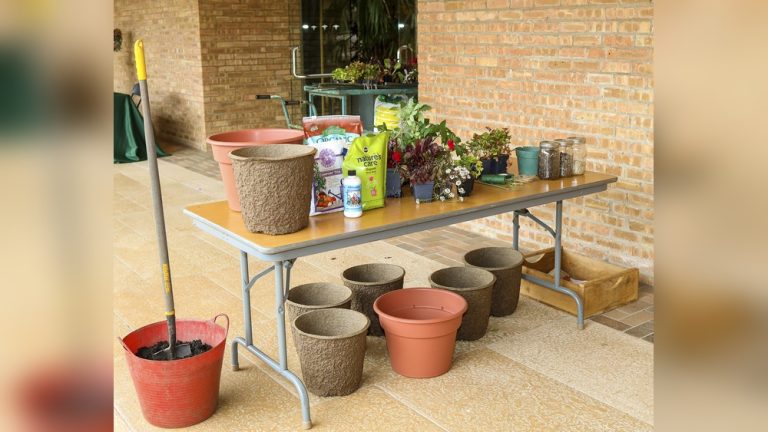
Urban populations may lack access to land or suitable space for gardening. Solutions include container gardening, vertical gardens, and community plots. Many cities are integrating gardens into public parks and rooftops to expand access.
Innovative approaches like hydroponic window gardens or shared neighborhood plots are further breaking down barriers to participation, making it possible for more people to benefit from gardening regardless of their living situation.
Knowledge And Skills Barriers
Not everyone has gardening experience, but resources abound. Extension services, online courses, and local gardening clubs provide education and support. For example, the Master Gardener Program in the US offers expert-led training and volunteer support.
Interactive workshops, demonstration gardens, and mentorship programs are effective in building skills and confidence, particularly among youth, seniors, and marginalized groups.
Pest And Disease Management
Organic gardening relies on integrated pest management (IPM), crop diversity, and natural predators to keep pests in check. Using physical barriers, companion planting, and encouraging birds or beneficial insects can minimize crop loss without chemicals.
Education on crop rotation, soil health, and timely planting also plays a critical role in minimizing disease pressure and ensuring robust harvests year after year.
Climate Adaptation
With changing weather patterns, gardeners must adapt by choosing resilient varieties, altering planting schedules, and employing techniques like shade cloths or row covers to protect crops from heat or cold snaps.
Collaborating with local agricultural extension offices can help gardeners stay informed about emerging pests, diseases, and best practices for adapting to local climate shifts.
Case Study: New York City’s Rooftop Gardens
Urban heat islands and limited space challenged food production in NYC. Organizations like Brooklyn Grange developed large-scale rooftop gardens using lightweight soil and drip irrigation, growing over 80,000 pounds of produce annually and demonstrating how innovation can overcome urban challenges. Visit Brooklyn Grange to learn more.
Brooklyn Grange also provides educational workshops, tours, and consulting services, helping to scale up urban agriculture across the region and beyond.
Real-world Success Stories And Global Impact
Vegetable gardens have sparked transformations at every scale, from individual families to entire cities and countries.
School Gardens And Youth Education
Programs like the Edible Schoolyard Project integrate gardening into school curricula, teaching children about nutrition, ecology, and sustainability. Research shows these programs improve dietary habits and academic engagement. See more at Edible Schoolyard Project.
School gardens have also been linked to increased science achievement, environmental stewardship, and improved social skills among students, highlighting the educational potential of hands-on gardening experiences.
Urban Community Gardens And Food Justice
In cities like Oakland and Philadelphia, community gardens combat food deserts by providing fresh produce to underserved neighborhoods. These projects often include cooking classes and nutrition education, addressing both food access and health disparities.
By empowering residents to grow their own food, these gardens contribute to greater food sovereignty and social equity, enabling communities to take control of their food futures.
Climate Adaptation And Disaster Recovery
In regions affected by natural disasters, gardens provide rapid food relief and rebuild self-sufficiency. After the 2010 earthquake in Haiti, aid organizations promoted backyard gardening to reduce reliance on food aid and restore livelihoods. Learn more at World Vision: Haiti Farming Recovery.
Small-scale gardens have proven vital in post-disaster contexts, enabling communities to quickly access fresh food while restoring hope and normalcy in the wake of crisis.
Global Movements And Policy Shifts
The rise of urban agriculture has prompted policy changes in cities worldwide. For example, Toronto and Paris now incentivize rooftop gardening, while Singapore aims to produce 30% of its food locally by 2030. These shifts reflect the growing recognition of vegetable gardens as a pillar of sustainable urban planning.
Government support, grants, and technical assistance are accelerating the adoption of sustainable gardening practices, demonstrating that policy can play a crucial role in scaling up local food systems.
Frequently Asked Questions
How Do Vegetable Gardens Help Reduce Climate Change?
Vegetable gardens help combat climate change by reducing food miles, sequestering carbon in healthy soils, and minimizing the use of synthetic fertilizers and pesticides that emit greenhouse gases. Additionally, gardens support biodiversity and reduce reliance on fossil-fuel-intensive industrial agriculture. For more information, see EPA: Greenhouse Gas Emissions.
Are Vegetable Gardens Really More Water-efficient?
Yes, vegetable gardens can be highly water-efficient when using best practices like drip irrigation, mulching, and rainwater harvesting. These methods can reduce water use by up to 50% compared to conventional agricultural irrigation. See more at EPA: Types of Irrigation.
What Are The Main Challenges Of Sustainable Vegetable Gardening?
Key challenges include limited space (especially in urban settings), lack of gardening knowledge, pests and diseases, and adapting to climate variability. Solutions range from container and rooftop gardens to education programs and resilient plant varieties.
Can Vegetable Gardens Improve Food Security In Cities?
Absolutely. Urban vegetable gardens increase local food production, reduce dependence on global supply chains, and provide fresh, affordable produce to communities—including those in food deserts. They also foster social cohesion and resilience.
How Can I Start A Sustainable Vegetable Garden With Limited Resources?
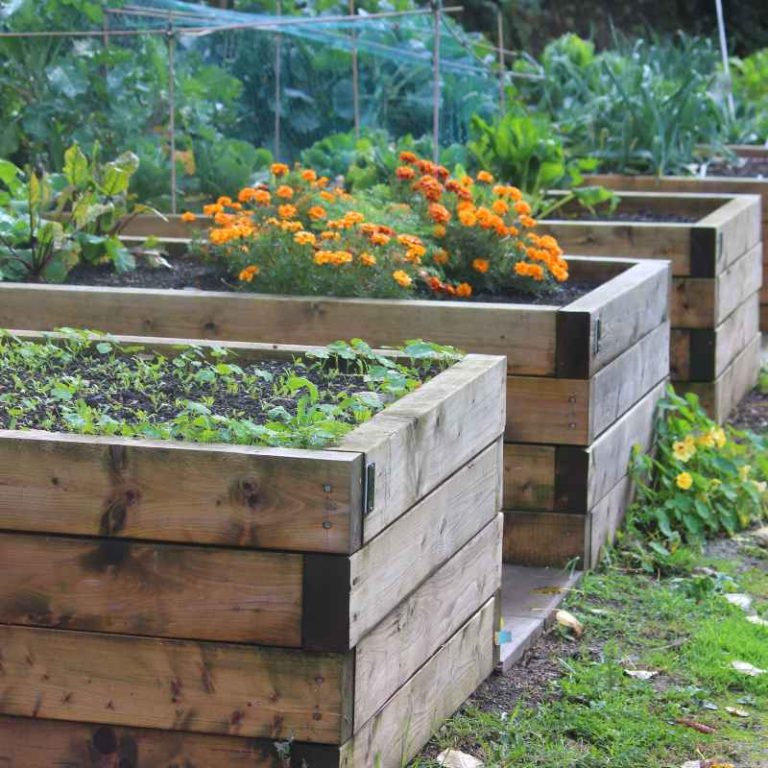
Begin small with containers or a raised bed, use composted kitchen scraps for fertilizer, collect rainwater, and choose crops suited to your climate. Community gardens and online resources offer support and shared tools. For a detailed guide, visit RHS Beginner’s Guide.
Cultivating a vegetable garden is more than a personal hobby—it’s a meaningful act of stewardship with ripple effects across society and the planet. By growing your own food, you’re not just harvesting fresh produce; you’re nurturing ecosystems, strengthening your community, and advancing real sustainability.
As more people dig in and rediscover the power of vegetable gardening, the movement toward a resilient, regenerative future grows ever stronger—rooted in every backyard, balcony, and shared plot.