Vegetable Gardening Container Sizes: What You Need to Know
Vegetable gardening container sizes are a critical factor for successful plant growth, directly impacting root development, water retention, and overall plant health.
Choosing the right pot size ensures your vegetables thrive, from leafy greens to deep-rooted varieties. This guide breaks down the essential container dimensions you need for a flourishing home garden.
Simply put, the ideal container size for vegetables depends on the specific plant’s mature size and root system, with larger plants requiring deeper and wider pots to support robust growth and prevent stress. Generally, aim for containers at least 10-12 inches deep and 10-12 inches in diameter for most common vegetables, opting for even larger ones for vining plants or those with extensive root systems.
Key Takeaways
- Vegetable gardening container sizes vary significantly by plant type, with root depth and spread being the primary considerations.
- Most common vegetables like peppers, tomatoes, and bush beans need containers at least 10-12 inches deep and 10-12 inches wide.
- Leafy greens and herbs can thrive in shallower containers, around 6-8 inches deep and 10 inches wide.
- Vining plants (cucumbers, melons) and root vegetables (carrots, potatoes) require the deepest containers, often 15-20 inches or more.
- Consider the material and drainage; larger plastic pots retain moisture better, while terracotta breathes more but dries out faster.
Why Container Size Matters for Your Vegetables
The size of the container you choose for your vegetables isn’t just about aesthetics; it’s fundamentally about providing a healthy environment for your plants to flourish. When plants are squeezed into pots that are too small, their roots become restricted, a condition known as being “root-bound.” This limits their ability to absorb water and nutrients, leading to stunted growth, yellowing leaves, and reduced yields.
Beyond root space, container size also influences the soil’s moisture and temperature. Smaller pots dry out much faster, especially in warm weather, requiring more frequent watering. They also heat up more quickly, which can stress delicate root systems.
Larger containers provide a more stable microclimate, holding moisture longer and buffering against extreme temperature fluctuations, which is crucial for consistent vegetable production.
Understanding the specific needs of each vegetable you plan to grow is key. A tiny herb plant might be perfectly happy in a small pot, while a sprawling tomato vine will quickly outgrow anything less than a large bucket. Investing in appropriately sized containers is one of the most impactful decisions you can make for a bountiful harvest.
- Root Development: Adequate space allows roots to grow freely, anchoring the plant and efficiently seeking water and nutrients.
- Water Retention: Larger containers hold more soil, which retains moisture for longer periods, reducing the frequency of watering.
- Nutrient Availability: When roots have space, they can access a larger volume of soil nutrients.
- Temperature Regulation: Larger pots offer better insulation against extreme soil temperatures, protecting roots.
- Plant Stability: Robust root systems in larger containers provide better support, especially for taller or fruit-bearing plants.
- Disease Prevention: Overcrowded, stressed plants are more susceptible to diseases; proper spacing reduces this risk.

Container Sizes for Popular Vegetables
Different vegetables have vastly different needs when it comes to space. Some, like lettuce and spinach, are quite forgiving and can grow well in relatively shallow containers. Others, such as tomatoes, peppers, and root vegetables, require significant depth and width to support their extensive root systems and produce a good harvest.
Knowing these specific requirements is essential for success.
When selecting containers, always consider the mature size of the plant. It’s better to start with a container that’s a bit too large than one that’s too small. Transplanting into a larger pot later is possible, but a plant that has been severely root-bound for too long may never fully recover its potential.
Always prioritize the plant’s long-term well-being over the initial effort.
Leafy Greens & Herbs
These generally have shallow root systems and can thrive in containers that are not overly deep. A width of 10-12 inches is usually sufficient to accommodate several plants or one larger specimen. For herbs like basil, mint, or parsley, even a 6-inch deep pot can work, provided it has good drainage.
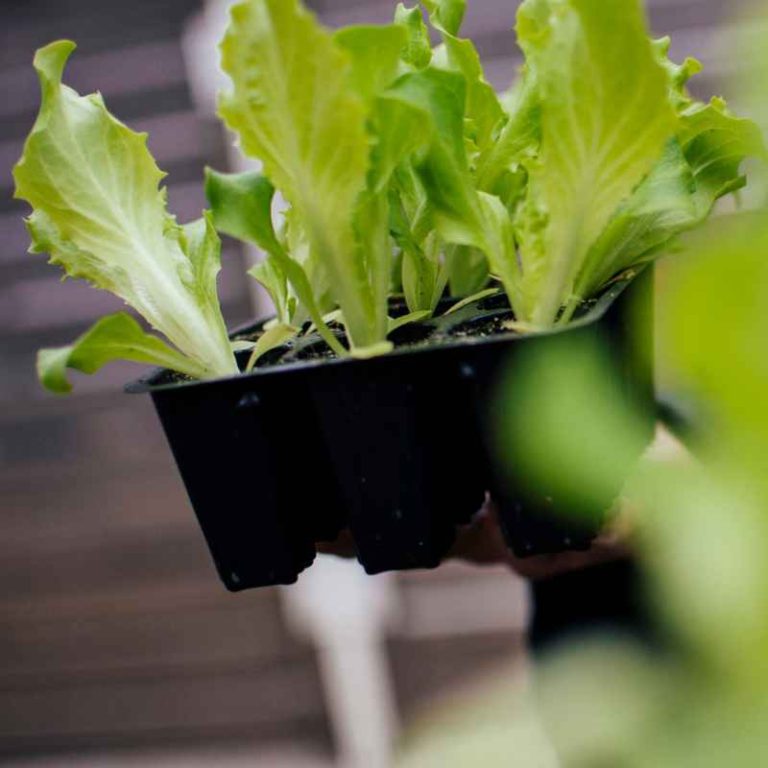
Lettuce and spinach can be grown in containers as shallow as 6-8 inches.
- Lettuce: 6-8 inches deep, 10 inches wide
- Spinach: 6-8 inches deep, 10 inches wide
- Kale: 8-10 inches deep, 10-12 inches wide
- Herbs (Basil, Mint, Parsley): 6-8 inches deep, 10 inches wide
- Swiss Chard: 8-10 inches deep, 10-12 inches wide
Fruiting Vegetables
Tomatoes, peppers, eggplants, and cucumbers are popular choices for container gardening, but they require substantial space. Tomatoes, especially indeterminate varieties that grow continuously, need very large containers. Peppers and eggplants are slightly less demanding but still benefit greatly from generous pot sizes.
Cucumbers, being vining plants, need both depth and width, or a trellis system in conjunction with their container.
- Tomatoes (Bush varieties): 12-15 inches deep, 12-15 inches wide
- Tomatoes (Indeterminate/Vining varieties): 15-20 inches deep, 15-20 inches wide (or larger!)
- Peppers (Bell, Chili): 10-12 inches deep, 10-12 inches wide
- Eggplant: 10-12 inches deep, 10-12 inches wide
- Cucumbers: 12-15 inches deep, 12-15 inches wide (with support)
- Zucchini/Summer Squash: 15-20 inches deep, 15-20 inches wide
Root Vegetables
Growing root vegetables like carrots, radishes, and potatoes in containers presents a unique challenge: the container must be deep enough for the root to develop without hitting the bottom or becoming misshapen. For standard carrots, a depth of at least 12 inches is recommended, while longer varieties might need 18 inches or more. Potatoes are often grown in specialized “grow bags” or large buckets that allow for hilling.
- Carrots (Standard varieties): 12-15 inches deep, 10 inches wide
- Carrots (Long varieties like Imperator): 18-20 inches deep, 10 inches wide
- Radishes: 6-8 inches deep, 10 inches wide
- Beets: 8-10 inches deep, 10 inches wide
- Potatoes: 15-20 inches deep, 12-15 inches wide (e.g., grow bags or large buckets)
Comparing Container Materials and Their Impact on Size
The material of your container also plays a role in how effectively it manages moisture and temperature, which can influence the ideal size. While a larger volume of soil is generally beneficial, certain materials interact with the soil differently. Understanding these properties helps you make the best choice for your specific growing conditions and plant needs.
For instance, terracotta pots are porous and allow water to evaporate through the sides. This means they dry out faster, so a slightly larger pot might be beneficial to compensate for the increased drying rate, especially in hot climates. Conversely, plastic and glazed ceramic pots are non-porous and retain moisture better.
This can be advantageous, but it also means they are more prone to overwatering if drainage isn’t excellent, and they can heat up significantly in direct sun, potentially stressing roots. Fabric grow bags offer excellent aeration and drainage, preventing root circling, but they also dry out quickly, similar to terracotta.
| Material | Pros | Cons | Ideal for |
|---|---|---|---|
| Terracotta/Clay | Good aeration, attractive appearance, breathes well | Dries out quickly, heavy, fragile | Herbs, smaller vegetables in moderate climates |
| Plastic | Lightweight, retains moisture, durable, affordable | Can overheat in sun, less breathable, may degrade over time | Most vegetables, good for beginners, larger sizes |
| Fabric Grow Bags | Excellent aeration, prevents root circling, good drainage, lightweight | Dries out very quickly, can be less durable long-term | Tomatoes, peppers, root vegetables; good for hot climates |
| Glazed Ceramic | Attractive, retains moisture well, durable | Heavy, can be expensive, drainage holes can be small | Ornamental vegetables, herbs; good for patios |
| Wood Planters | Natural look, good insulation, customizable sizes | Can rot over time if not treated, can be heavy and expensive | Larger vegetables, raised beds, aesthetic gardens |
When selecting a container, consider your watering habits and local climate. If you tend to forget watering or live in a hot, dry area, a larger, non-porous container like plastic or a heavy-duty fabric bag might be best. If you are diligent with watering and want excellent air circulation, terracotta or fabric bags are great options.
Minimum Size Recommendations for Common Vegetables
To simplify the process, here’s a quick reference for the minimum recommended container sizes for some of the most popular vegetables grown in containers. These are general guidelines, and opting for a slightly larger size is almost always beneficial for the plant’s health and your yield.
Remember that “minimum” means the smallest size that will allow the plant to grow reasonably well and produce some fruit. Pushing the limits can lead to a stressed plant that produces less. For optimal results, always lean towards more space rather than less when it comes to vegetable gardening container sizes.
- Tomatoes: Minimum 5 gallons (approx. 12-inch diameter and depth), but 7-10 gallons (15-inch diameter/depth) or larger is highly recommended, especially for indeterminate varieties.
- Peppers: Minimum 3-5 gallons (approx. 10-inch diameter and depth).
- Cucumbers: Minimum 5 gallons (approx. 12-inch diameter and depth), preferably 7-10 gallons, especially if growing bush varieties or providing a trellis.
- Bush Beans: Minimum 3-5 gallons (approx. 10-inch diameter and depth).
- Eggplant: Minimum 5 gallons (approx. 10-12 inch diameter and depth).
- Leaf Lettuce/Spinach: Minimum 1-3 gallons (approx. 6-8 inch depth and 10-12 inch width).
- Carrots: Minimum 3 gallons (approx. 12-inch depth), choosing shorter or round varieties for smaller containers.
- Zucchini/Summer Squash: Minimum 10 gallons (approx. 15-inch diameter and depth).
These sizes account for the plant’s typical mature root ball and its need for adequate soil volume to support growth and fruit production. They also provide enough soil to retain moisture and nutrients between waterings, which is crucial for container-grown vegetables.
Tips for Maximizing Growth in Limited Container Space
Sometimes, you might be limited by the available space or the types of containers you can purchase. Fortunately, there are several strategies you can employ to help your vegetables thrive even when their container isn’t as large as ideal. These tips focus on optimizing soil, watering, and nutrient management to support the plants as much as possible.
Even with smart practices, there’s a limit to what a plant can achieve in an undersized pot. Continual harvesting and observing your plants for signs of stress are key. If plants consistently wilt, look anemic, or produce poorly despite your best efforts, it’s a strong indicator that the container size is the limiting factor.
Tip: Use high-quality potting mix that is lightweight and retains moisture well. Avoid using garden soil, which compacts easily in containers, hindering drainage and aeration. A good mix should include compost, perlite, and peat moss or coco coir.
- Choose Compact or Bush Varieties: Many vegetables are now bred specifically for containers, resulting in smaller, more manageable plants that still produce well. Look for terms like “bush,” “patio,” or “container” in the plant’s description.
- Use a High-Quality Potting Mix: This is non-negotiable. A good potting mix provides aeration, drainage, and moisture retention that garden soil cannot in a confined space.
- Water Consistently and Deeply: Smaller pots dry out faster. Check the soil moisture daily, especially in hot weather, and water thoroughly until water drains from the bottom.
- Fertilize Regularly: Nutrients leach out of containers more quickly than in the ground. Use a balanced liquid fertilizer or slow-release granules according to package directions, usually every 2-4 weeks.
- Provide Support: Even compact plants can benefit from stakes, cages, or trellises to keep them upright and prevent branches from breaking under the weight of fruit.
- Consider Vertical Gardening: For vining plants or to maximize yield in a small space, incorporate trellises or netting within or alongside your containers.
Warning: Do not overpack the potting mix into the container. Leave about an inch of space at the top for watering. Overpacking reduces aeration and can lead to root rot.
Frequently Asked Questions
What is the best container size for a single tomato plant?
For most common tomato varieties, a container that is at least 12-15 inches in diameter and 12-15 inches deep (roughly 5-7 gallons) is considered the minimum. Indeterminate or vining tomato types will benefit greatly from even larger containers, ideally 15-20 inches in diameter and depth (10 gallons or more), to support their extensive growth and fruit production.
Can I grow root vegetables like carrots in shallow pots?
While you can grow shorter or round varieties of carrots in containers as shallow as 8-10 inches, it’s not ideal. For standard, longer carrot varieties, a minimum depth of 12 inches is recommended to allow the roots to develop fully without becoming misshapen or hitting the bottom. Deeper containers lead to straighter, more developed roots.
How do I know if my vegetable plant is in a pot that’s too small?
Signs include stunted growth, yellowing leaves (especially older ones), wilting even when watered, slow recovery from wilting, and a lack of flowering or fruiting. If the plant quickly dries out after watering, or if you see roots growing excessively out of the drainage holes or circling the inside of the pot, it’s likely too small.
Are fabric grow bags better than plastic pots for vegetables?
Fabric grow bags offer excellent aeration and drainage, which can prevent root circling and reduce the risk of overwatering. However, they also dry out much faster than plastic pots, requiring more frequent watering. Plastic pots retain moisture better and can be more forgiving for beginners or in drier climates, but they offer less air circulation to the roots and can overheat.
What is the minimum container size for peppers?
Peppers generally require a minimum container size of 5 gallons, which translates to about 10-12 inches in both diameter and depth. This provides enough space for their root system to develop adequately and support fruit production. If you plan to grow multiple pepper plants in one container (not recommended), you’ll need a much larger one.
Final Thoughts
Selecting the right vegetable gardening container sizes is a foundational step toward a successful harvest. By matching your container dimensions to the specific needs of your chosen vegetables—considering root depth, plant spread, and moisture retention—you provide the ideal environment for robust growth and abundant yields. Don’t underestimate the impact of adequate space; it’s an investment that pays off with healthier plants and more delicious produce.