Why Do Plants Need Both Chloroplasts and Mitochondria?
Plants need both chloroplasts and mitochondria to efficiently convert and manage energy for survival and growth. This post explains the distinct roles of these organelles and why their partnership is essential for plant life.
Simply put, chloroplasts capture sunlight to produce sugar during photosynthesis, while mitochondria break down that sugar to release usable energy through cellular respiration. Together, they create a self-sustaining energy cycle that powers all plant functions, day and night.
Key Takeaways
- Chloroplasts and mitochondria work as a team: chloroplasts create energy-rich sugars, and mitochondria convert those sugars into ATP.
- Without mitochondria, plants couldn’t use the sugars made by chloroplasts, especially at night.
- The balance between photosynthesis and respiration determines plant growth, stress responses, and overall health.
- Both organelles are essential for energy management, carbon fixation, and maintaining cellular functions.
What Are Chloroplasts and Mitochondria?
plant cells under a microscope showing chloroplasts and mitochondria, with clear structures visible |alt: Plant cells showing chloroplasts and mitochondria under a microscope |title: Chloroplasts and mitochondria in plant cells –>
Chloroplasts are the organelles where photosynthesis takes place. They contain chlorophyll, a pigment that absorbs sunlight, and convert carbon dioxide and water into glucose and oxygen. This process is the foundation of energy creation in plants.
Mitochondria are often called the powerhouse of the cell. In plants, they break down glucose through cellular respiration to produce adenosine triphosphate (ATP), the energy currency used for cellular activities. Mitochondria use oxygen released by chloroplasts during photosynthesis.
Key differences between these organelles include:
- Location in the cell: Chloroplasts are found in plant leaves and green stems; mitochondria are present in every plant cell, including roots.
- Primary function: Chloroplasts capture light energy; mitochondria convert chemical energy from sugars into ATP.
- Evolutionary origin: Both are considered endosymbionts—ancient bacteria that were incorporated into eukaryotic cells.
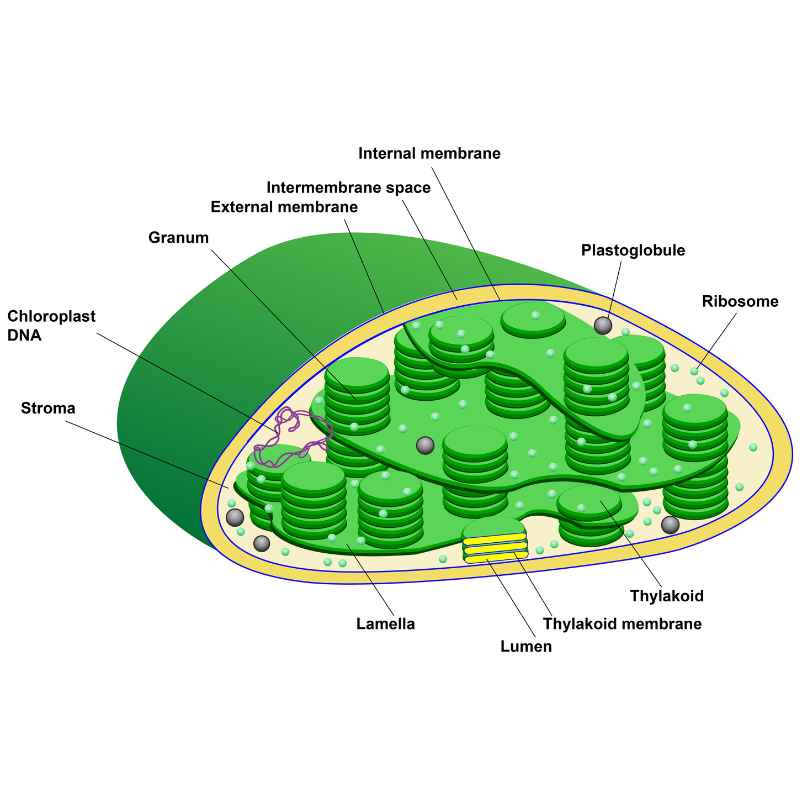
- Membrane structure: Chloroplasts have thylakoid membranes inside for light reactions; mitochondria have cristae for electron transport.
- Byproducts: Chloroplasts release oxygen; mitochondria release carbon dioxide and water.
Tip: Think of chloroplasts as the solar panels and mitochondria as the battery storage—both are needed to keep the plant running efficiently.

How Do Chloroplasts and Mitochondria Work Together?
The cooperation between chloroplasts and mitochondria is a classic example of cellular teamwork. During the day, chloroplasts produce glucose and oxygen through photosynthesis. That glucose is then transported to mitochondria, where it enters the cellular respiration pathway to generate ATP.
This partnership is bidirectional. Mitochondria also provide carbon dioxide—a waste product of respiration—that chloroplasts use for photosynthesis. The oxygen released by chloroplasts fuels more efficient ATP production in mitochondria.
The energy cycle involves several key steps:
- Photosynthesis in chloroplasts: Chloroplasts use sunlight, water, and CO₂ to produce glucose and O₂.
- Transport of glucose: Glucose moves through the cytoplasm to mitochondria.
- Glycolysis and the Krebs cycle: Mitochondria break down glucose into pyruvate, then into CO₂ and energy-rich electrons.
- Electron transport chain: Electrons and protons create a gradient that drives ATP synthesis.
- ATP usage: ATP powers cell growth, division, and repair processes.
Important: Without this cycle, plants would be unable to store energy for use when sunlight is not available.
| Process | Organelle | Inputs | Outputs |
|---|---|---|---|
| Photosynthesis | Chloroplast | Sunlight, CO₂, H₂O | Glucose, O₂ |
| Cellular Respiration | Mitochondria | Glucose, O₂ | ATP, CO₂, H₂O |
| Coupling | Both | Glucose from photosynthesis | ATP for cellular work |
This table shows how the two processes are interconnected. The outputs of one become inputs for the other, creating a closed loop that supports continuous energy flow.
Why Can’t Plants Rely on Chloroplasts Alone?
Plants cannot survive on chloroplasts alone because photosynthesis depends on sunlight. At night or in low-light conditions, chloroplasts stop producing glucose. Without mitochondria to break down stored sugars, plants would have no ATP to power essential functions like nutrient transport and repair.
Additionally, chloroplasts generate glucose in a form that cannot be directly used by most cellular processes. Glucose must be converted into ATP, which only mitochondria can do efficiently. The oxidation of glucose in mitochondria produces 36 ATP molecules per glucose, compared to just 2 ATP from glycolysis alone.
Key limitations of relying solely on chloroplasts include:
- Light dependence: Chloroplasts need continuous light to operate, making them inactive up to 12 hours a day.
- Energy storage: Chloroplasts produce glucose, but plants need a way to store and release energy on demand.
- Metabolic flexibility: Mitochondria can break down fats and proteins for energy, not just glucose—important during stress.
- Heat generation: Mitochondrial respiration produces heat, which helps plants regulate temperature in cold environments.
- Oxygen management: Excess oxygen from chloroplasts can be toxic; mitochondria reduce oxygen for ATP production.
Warning: If mitochondria stop working, glucose builds up and can cause cell damage. This is why plant mitochondria must remain active even when chloroplasts are idle.
What Role Does Mitochondria Play in Plant Cells?
Mitochondria in plants perform several critical roles beyond ATP production. They regulate programmed cell death, control reactive oxygen species (ROS) levels, and help synthesize key molecules like amino acids and lipids. Mitochondria also play a central role in stress responses, such as drought and heat tolerance.
According to a study by the Plant Cell journal, mitochondrial respiration accounts for up to 50% of daily ATP production in mature leaves, especially under light stress. This underscores the importance of mitochondria even during active photosynthesis.
Major functions of mitochondria in plants:
- ATP synthesis: The primary source of energy for all non-photosynthetic tissues (roots, flowers, fruits).
- Carbon metabolism: Participates in the Krebs cycle, which provides carbon skeletons for biosynthesis.
- Redox balance: Maintains cellular oxidation-reduction status, preventing oxidative damage.
- Signaling: Sends retrograde signals to the nucleus, coordinating gene expression with energy status.
- Nitrogen metabolism: Helps in ammonium assimilation, crucial for amino acid production.
| Function | Mitochondrial Pathway | Outcome |
|---|---|---|
| Energy production | Electron transport chain | 36 ATP per glucose |
| ROS scavenging | Alternative oxidase pathway | Protects against oxidative stress |
| Metabolite synthesis | Krebs cycle intermediates | Amino acids, fatty acids |
These roles show that mitochondria are not just energy converters but information hubs that keep plant cells healthy and responsive.
How Do Plants Manage Energy Throughout the Day?
During the day, plants operate in a photosynthetic surplus. Chloroplasts produce more glucose than needed for immediate respiration, so the excess is stored as starch in chloroplasts or as sucrose in the vacuole. At night, mitochondria break down these stored carbohydrates to maintain ATP supply.
This daily rhythm is tightly regulated by the circadian clock. Plants anticipate dawn and dusk by adjusting gene expression for both chloroplast and mitochondrial proteins. For example, the National Institutes of Health reports that plants increase mitochondrial enzyme activity in the hours before dark to prepare for nighttime energy demands.
Energy management involves these stages:
- Morning: Chloroplasts start photosynthesizing, mitochondria use residual glucose from overnight breakdown.
- Midday: High photosynthetic output, chloroplasts produce glucose in excess for storage.
- Afternoon: Starch accumulates, mitochondria shift to processing newly made glucose.
- Evening: As light fades, chloroplasts slow down, and mitochondria increasingly use stored starch.
- Night: Mitochondria rely entirely on starch breakdown to produce ATP for root growth and repair.
Tip: Healthy plants maintain a “starch buffer” that lasts through the night. If a plant runs out of starch before dawn, it shows signs of energy stress like wilting or yellowing leaves.
What Happens When One Organelle Malfunctions?
If chloroplasts malfunction due to genetic mutations or environmental stress, photosynthesis stops. Without glucose production, mitochondria switch to alternative energy sources like amino acids or stored lipids. However, this is unsustainable, and the plant eventually suffers from energy starvation and growth arrest.
Conversely, if mitochondria fail, chloroplasts continue producing glucose, but the plant cannot use it. Glucose accumulates, leading to osmotic stress and feedback inhibition of photosynthesis. This can cause leaf chlorosis or even cell death.
Common malfunction scenarios include:
- Chloroplast damage from UV exposure: Reduces photosynthetic efficiency by up to 30%, forcing mitochondria to work harder.
- Mitochondrial dysfunction due to drought: Impairs ATP production, leading stomata closure and reduced CO₂ uptake.
- Both organelles affected by herbicide residues: Interrupts electron transport, causing rapid cell death.
- Genetic disorders: Mutations in mitochondrial DNA can lead to variegated leaves or stunted root development.
Important: The health of both organelles is critical. A 2021 study by the University of Cambridge found that plants with reduced mitochondrial function had a 40% drop in overall biomass even with active chloroplasts.
How Do Chloroplasts and Mitochondria Support Growth?
Plant growth requires continuous ATP for cell division, elongation, and differentiation. Chloroplasts supply the carbon skeletons and energy-rich intermediates, while mitochondria provide the bulk of ATP for synthetic processes. For example, cellulose synthesis in cell walls consumes large amounts of ATP from mitochondria.
In developing leaves, chloroplasts mature later than mitochondria. Young cells rely heavily on mitochondrial respiration to fuel growth. Once chloroplasts become active, the energy load shifts, but mitochondria remain essential for producing ATP in non-green tissues like roots and flower buds.
Growth-related functions of both organelles:
- Cell division: Mitochondria supply ATP for DNA replication and spindle formation.
- Protein synthesis: Ribosome biogenesis relies on ATP from mitochondria and carbon from chloroplasts.
- Nutrient uptake: Roots use ATP from mitochondria to actively transport minerals.
- Secondary metabolism: Chloroplasts provide precursors for hormones like auxin, which regulate growth.
- Stress adaptation: Both organelles adjust metabolism to maintain growth under suboptimal conditions.
| Growth Process | Chloroplast Role | Mitochondria Role |
|---|---|---|
| Leaf expansion | Provides sugar for cell wall synthesis | ATP for turgor-driven expansion |
| Root elongation | Sugars transported from leaves | ATP for ion pumps and growth |
| Flower development | Pigment and nectar production | High ATP for pollen tube growth |
This coordinated effort ensures that every part of the plant receives the right type and amount of energy for optimal growth.

Frequently Asked Questions
Why do plants need both chloroplasts and mitochondria instead of just one?
Plants need both because chloroplasts produce glucose through photosynthesis only during sunlight, while mitochondria break down that glucose at any time to release ATP for cellular functions. Without mitochondria, plants couldn’t use the energy from glucose during night or stress.
Can plant cells survive without chloroplasts?
Some plant cells, like root cells, lack chloroplasts and survive by importing sugars from leaves. However, the entire plant cannot survive without chloroplasts because they are the primary source of organic carbon from CO₂.
How do mitochondria and chloroplasts communicate?
They communicate through retrograde signaling, where changes in organelle activity send signals to the nucleus to adjust gene expression. They also exchange metabolites like ATP, ADP, and NADH across the cytoplasm.
Do chloroplasts and mitochondria have their own DNA?
Yes, both organelles have their own circular DNA, a remnant of their endosymbiotic origins. Chloroplast DNA encodes about 100 proteins, while mitochondrial DNA encodes about 30 proteins, with the rest imported from the nucleus.
What happens to plant energy if either organelle is damaged by disease?
Disease that damages one organelle forces the other to compensate, but this often leads to reduced growth and increased vulnerability. For example, viral infections that impair chloroplasts can cause energy shortages that weaken the entire plant.
Final Thoughts
Plants require both chloroplasts and mitochondria to create a complete energy system that works around the clock. Chloroplasts capture light energy to build sugars, while mitochondria turn those sugars into usable fuel. This partnership is essential for growth, stress tolerance, and long-term survival.