Can You Plant Coneflower Seeds in the Fall? Your Guide
Planting coneflower seeds in the fall offers a fantastic opportunity for a robust bloom come spring and summer. Many gardeners wonder if this late-season planting is viable, and the answer is a resounding yes, often leading to more successful germination and established plants. This guide will walk you through the process, ensuring your fall-sown coneflowers thrive.
Simply put, planting coneflower seeds in the fall is an excellent strategy that mimics nature’s own seed stratification process, leading to stronger seedlings and earlier blooms the following year. It requires minimal effort and offers significant rewards for your garden.
Key Takeaways
- Planting coneflower seeds in the fall allows for natural stratification, breaking dormancy for better germination.
- Fall planting generally results in stronger, more established plants by spring compared to spring sowing.
- The ideal time for fall planting is after the first frost but before the ground freezes solid.
- Proper seed preparation and site selection are crucial for successful fall sowing.
- While fall planting is beneficial, spring planting is also an option with slightly different expectations for bloom time.
What is Stratification and Why Fall Planting Helps
Stratification is a process that many perennial seeds, including those of coneflowers (Echinacea), need to undergo before they can germinate. It essentially mimics the conditions of winter, exposing the seeds to a period of cold and moisture. This triggers the necessary physiological changes within the seed coat, breaking dormancy and signaling that it’s time to grow when favorable conditions arrive.
When you sow coneflower seeds in the fall, you are essentially letting nature do the work for you. The natural freeze-thaw cycles of winter in your garden provide the perfect cold stratification period. As the ground freezes and thaws, moisture seeps into the seed coat, and the fluctuating temperatures signal the seed to prepare for germination.
This natural process is incredibly beneficial because it often leads to a higher germination rate when spring arrives. Seeds that are not properly stratified might sit dormant in the soil for months, or even years, if planted in the spring without any prior cold treatment. Fall planting bypasses the need for artificial stratification methods in your kitchen.
- Seeds are exposed to natural winter conditions.
- Mimics the plant’s native environment for optimal germination cues.
- Reduces the need for artificial cold stratification techniques.
- Promotes a more robust root system development in cooler soil.
- Often leads to earlier and more abundant flowering in the first year.
- Helps in selecting the strongest seeds as weaker ones may not survive the winter.

Preparing Your Coneflower Seeds for Fall Planting
While nature handles much of the work, a little preparation can further boost your success when planting coneflower seeds in the fall. If you’ve collected seeds from your own plants or purchased them, inspect them for viability. Look for plump, mature seeds that are dark in color.
Avoid any that appear shriveled, hollow, or discolored.
Some gardeners choose to lightly scarify the seeds before sowing. Scarification involves slightly scratching the seed coat to help moisture penetrate more easily. This can be done by gently rubbing the seeds with fine-grit sandpaper or making a tiny nick in the seed coat with a clean knife.
However, for many coneflower varieties, this step isn’t strictly necessary, especially when planting in fall where natural conditions will eventually allow for germination.
It’s also a good idea to keep collected seeds in a cool, dry place until you’re ready to sow them. You can store them in paper envelopes or small containers. Avoid plastic bags, as they can trap moisture and lead to mold.
Ensuring your seeds are healthy and ready will give them the best possible start for their winter dormancy.
| Seed Preparation Step | Description | Why It Helps |
|---|---|---|
| Inspection | Check for size, color, and fullness. Discard damaged or discolored seeds. | Ensures you’re planting viable seeds. |
| Scarification (Optional) | Gently scratch or nick the seed coat. | May improve moisture penetration and germination speed. |
| Storage | Store in a cool, dry, breathable container until sowing. | Prevents mold and maintains seed viability. |
Proper seed preparation ensures you are working with the best possible material for successful fall planting.
Choosing the Right Location for Fall Sown Coneflowers
Selecting the ideal spot in your garden is crucial for the success of your fall-sown coneflower seeds. Coneflowers, like most native perennials, thrive in full sun. This means they need at least six to eight hours of direct sunlight per day.
Avoid areas that are heavily shaded by trees or buildings, as this can lead to leggy growth and reduced flowering.
Good drainage is another critical factor. Coneflower roots are susceptible to rot if they sit in waterlogged soil. Choose a location where water drains away readily after rain.
If your soil is heavy clay, consider amending it with compost or other organic matter to improve its structure and drainage before you plant. Raised beds can also be an excellent option for areas with poor drainage.
Consider the mature size of the coneflower variety you are planting. Different species and cultivars can vary significantly in height and spread. Ensure the chosen location provides enough space for the plants to grow to their full potential without overcrowding.
This also allows for better air circulation, which helps prevent fungal diseases.
Important: Coneflowers are drought-tolerant once established, but ensuring good drainage at planting time is key to their long-term health, especially for seeds overwintering in the soil.
How to Sow Coneflower Seeds in the Fall
The actual process of planting coneflower seeds in the fall is straightforward. Begin by preparing the soil in your chosen location. Loosen the top 2-3 inches of soil using a garden fork or trowel, and remove any weeds or debris.
If you haven’t already, incorporate some compost to enrich the soil and improve drainage.
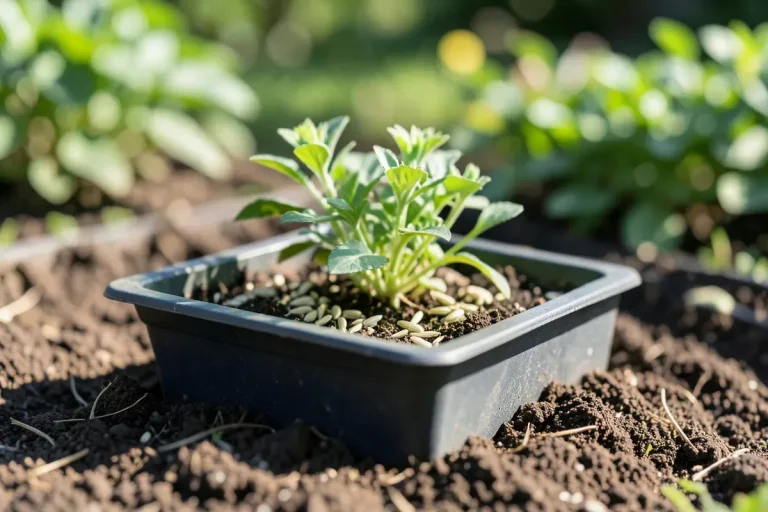
Sow the seeds directly onto the surface of the prepared soil. You can mix the seeds with a bit of sand to help distribute them more evenly and prevent clumping. Lightly press the seeds into the soil, but do not bury them deeply.
Coneflower seeds need light to germinate, so a depth of about 1/8 inch is sufficient, or you can simply press them gently onto the surface.
After sowing, lightly water the area. The goal is to moisten the soil, not to wash the seeds away. You don’t need to water again until spring, as winter snow and rain will provide adequate moisture.
Mark the area where you planted the seeds with stakes or labels so you can easily locate them in the spring. Planting after the first frost, but before the ground freezes solid, is generally the ideal window.
- Prepare the planting bed by loosening the soil and removing weeds.
- Amend the soil with compost if drainage is a concern.
- Mix seeds with sand for even distribution.
- Sow seeds thinly on the soil surface, pressing them in lightly.
- Cover seeds with a thin layer of soil, no more than 1/8 inch deep.
- Water gently to moisten the soil surface.
- Mark the planting location clearly.
When to Plant: Timing Your Fall Sowing
The timing for planting coneflower seeds in the fall is crucial for their success. You want to sow them late enough in the season so that they don’t germinate before winter sets in. Germination requires a certain soil temperature and moisture level, and if these conditions are met too early in the fall, the young seedlings might not survive a harsh frost.
The general guideline is to plant after the first light frost has occurred in your area. This signals to the plants that cooler temperatures are on their way and helps prevent premature sprouting. However, you also need to plant before the ground freezes solid.
A frozen ground makes it impossible to sow seeds effectively and will prevent them from establishing any initial contact with the soil.
Aim for a window of about 4-6 weeks before your region’s average first hard freeze. This typically falls between late September and mid-November in many temperate climates. This period allows the seeds to settle into the soil and become ready for the natural stratification process that winter will provide.
Observing your local weather patterns and average frost dates is the best way to determine the optimal planting window for your specific area.
| Timeframe | Condition | Outcome |
|---|---|---|
| Early Fall (Before frost) | Warm soil, sufficient moisture. | Risk of premature germination; seedlings may not survive winter. |
| Mid-Fall (After first frost) | Cooler soil, light freezing. | Ideal window for sowing; allows settling before deep freeze. |
| Late Fall (Ground frozen) | Impenetrable soil. | Too late to sow; seeds cannot make soil contact. |
Targeting this mid-fall window ensures your coneflower seeds are in the best position to benefit from winter’s natural stratification process.
What to Expect in Spring and Beyond
Once spring arrives and the soil begins to warm, you’ll start to see the results of your fall planting. The first signs of growth will likely be small, green shoots emerging from the soil. These are your coneflower seedlings, ready to take advantage of the longer days and increasing warmth.
Compared to seeds sown in early spring, fall-sown seedlings often appear a bit earlier and are generally more robust. This is due to the prolonged period of root development that occurred during the cooler, moist conditions of late fall and winter. These well-established root systems help the young plants withstand the summer heat and potential dry spells more effectively.
It’s important to be patient. While some coneflower varieties might produce a few blooms in their first year, many will focus on developing a strong root system and leafy growth. The most spectacular blooming displays are typically seen in the second year and beyond.
However, the fall planting method significantly increases the chances of getting a decent bloom even in that first year, especially with varieties known for quicker maturity.
- Expect to see seedlings emerge in early to mid-spring.
- Fall-sown plants are often more vigorous than spring-sown ones.
- First-year blooms may be limited; focus is on root development.
- Peak flowering is usually observed in the second growing season.
- Continue to provide adequate sunlight and well-drained soil.
- Be prepared for plants to reach their full mature size over a few years.
Comparing Fall Planting vs. Spring Planting of Coneflower Seeds
While planting coneflower seeds in the fall is highly recommended, spring planting is also a common method. Understanding the differences can help you choose the best approach for your situation. Spring planting requires more active seed preparation, specifically artificial cold stratification, to mimic the winter conditions that coneflower seeds need.
If you opt for spring planting, you’ll typically need to stratify your seeds indoors. This involves mixing the seeds with a moist medium, like peat moss or paper towels, and storing them in the refrigerator for 4-8 weeks. After stratification, you can sow them directly into the garden or start them indoors a few weeks before the last expected frost.
The main advantage of fall planting is its simplicity and effectiveness in achieving natural stratification. Spring planting offers more control over the germination process and can be a good option if you missed the fall window. However, it often involves more steps and may result in a longer wait for blooms, with some seeds potentially not germinating until the following year if stratification wasn’t perfect.
| Feature | Fall Planting | Spring Planting |
|---|---|---|
| Seed Preparation | Natural stratification (no extra steps needed). | Artificial cold stratification (refrigerator for 4-8 weeks) or direct sowing (less predictable). |
| Timing | Late autumn, before the ground freezes. | Early spring, after the last frost, or indoors 4-6 weeks prior. |
| Germination Rate | Generally higher due to natural stratification. | Can be lower if stratification is insufficient or seeds are too old. |
| First Year Blooms | More likely to have some blooms. | Less likely; plants focus on establishment. |
| Effort | Minimal effort, relies on natural processes. | Requires more active management and planning. |
Choosing between fall and spring planting ultimately depends on your gardening schedule and desired outcomes, but fall planting is often favored for its simplicity and efficacy for Echinacea.
Common Challenges and How to Overcome Them
While planting coneflower seeds in the fall is generally successful, a few challenges might arise. One common issue is premature germination if sown too early in a warm fall. This can leave delicate seedlings vulnerable to frost damage.
The best way to avoid this is to strictly adhere to the timing guidelines, planting only after temperatures have cooled and the risk of prolonged warm spells has passed.
Another challenge can be poor germination due to the age or viability of the seeds. Older seeds or those stored improperly may have reduced germination rates. Regularly checking seed sources and ensuring your own collected seeds are fresh and properly stored can mitigate this.
If germination is consistently low, consider purchasing seeds from a reputable supplier known for high-quality stock.
Pests can also be an issue. Slugs and snails are attracted to young seedlings in the spring. Using slug bait (preferably pet-safe options) or setting up beer traps can help control their populations.
Furthermore, ensure your planting location has excellent drainage; persistently wet soil can lead to fungal diseases that affect young plants and reduce germination. Amending soil with grit or compost is a proactive measure.
Warning: Do not be tempted to sow seeds too early in fall, even if the weather is pleasant. Waiting until after the first light frost is crucial for preventing premature germination and ensuring seedlings survive the winter.

Frequently Asked Questions
Can I plant coneflower seeds directly outdoors in the fall?
Yes, absolutely. Planting coneflower seeds directly outdoors in the fall is highly recommended. This method allows the seeds to undergo natural cold stratification over winter, which is essential for their germination in spring.
How deep should I plant coneflower seeds in the fall?
Coneflower seeds require light to germinate, so they should be sown very shallowly. Press them gently onto the surface of the soil or cover them with a very thin layer of soil, no more than 1/8 inch deep. They should not be buried deeply.
Will my coneflower seeds germinate if they don’t get enough cold during winter?
While natural cold stratification is ideal, if a winter is unusually mild, germination might be delayed or less successful. However, coneflower seeds are quite resilient, and a typical winter in most temperate climates provides sufficient cold. If you are in a region with very mild winters, artificial stratification before fall sowing might be considered, though it’s often unnecessary.
How long does it take for coneflower seeds sown in fall to bloom?
Typically, coneflower seeds sown in the fall will produce seedlings in the spring. While some may offer a few blooms in their first year, the most significant flowering usually occurs in the second growing season. The fall planting method does increase the chances of seeing blooms sooner compared to spring sowing.
Are there any specific coneflower varieties that are better for fall planting?
Most common Echinacea varieties, such as Echinacea purpurea, Echinacea angustifolia, and their various cultivars, benefit greatly from fall planting. While the principle of stratification applies broadly, you might find that some newer hybrids bred for faster growth or specific bloom times perform well with this method.
Final Thoughts
Successfully planting coneflower seeds in the fall is a rewarding practice that leverages nature’s own mechanisms for germination. By timing your sowing correctly and preparing your site, you set the stage for vigorous plants and beautiful blooms in the seasons to come. Embrace the simplicity of fall sowing and enjoy the abundance of coneflowers in your garden.
For related guidance, see our article on How To Plant Moringa Oleifera Seeds. For related guidance, see our article on When To Plant Bachelor Button Seeds. For related guidance, see our article on How To Plant Pride Of Barbados Seeds. For related guidance, see our article on How To Seed Potatoes For Planting. For related guidance, see our article on When To Plant Ancient Seed Stardew. For related guidance, see our article on How To Plant Cow Seeds Sky Factory 4.