Can I Plant Marigold Seeds in the Fall And Expect Blooms?
Planting marigold seeds is a beloved tradition among gardeners seeking vibrant color, pest control, and easy cultivation. But what happens if you sow marigold seeds in the fall instead of the classic springtime window? Many are drawn to the idea, hoping for an early burst of blooms or a hands-off overwintering process that simplifies garden planning.
However, the question isn’t as straightforward as it seems. Climate, seed viability, soil conditions, and marigold varieties all influence whether fall-planted seeds will yield the coveted golden blossoms.
This article unpacks the science, horticultural practices, and regional nuances behind fall sowing of marigold seeds. We’ll explore whether you can expect blooms, compare marigold varieties and their seasonal adaptability, and provide actionable advice for maximizing success. Through expert insights, real-world gardener experiences, and data-driven analysis, you’ll discover the practicalities and pitfalls of fall planting.
Whether you’re a seasoned grower or new to marigolds, you’ll gain the clarity needed to decide if autumn is the right time for your garden.
Key Takeaways
- Fall planting of marigold seeds can succeed in certain climates, but most regions favor spring sowing for reliable blooms.
- Seed dormancy, frost risk, and soil temperature are critical factors that influence germination and flowering.
- Marigold variety selection (French, African, Signet) greatly affects fall planting success.
- Overwintering strategies and protection methods can enhance survival and spring blooming.
- Case studies and scientific data highlight both risks and benefits of fall sowing.
- Proper soil preparation, timing, and location are essential for maximizing marigold performance.
Understanding Marigold Seed Biology And Seasonal Growth
Marigold Seed Dormancy And Viability
Marigold seeds, like many annuals, have evolved to withstand variable conditions. Most marigold seeds require warm soil (60–75°F) to break dormancy and germinate. When sown in the fall, especially in temperate regions, cooler temperatures often induce a state of seed dormancy, delaying germination until spring. This natural process protects seeds from harsh winter conditions, but not all seeds survive overwintering.
- Dormancy triggers: Soil temperature below 55°F, reduced daylight, and moisture scarcity.
- Viability duration: Marigold seeds typically remain viable for 1–3 years if stored dry and cool.
- Germination rates: Studies show a 60–80% germination rate under optimal conditions; fall-planted seeds may drop to 40–60% due to winter stress.
It’s important to note that marigold seeds possess a relatively thin seed coat, which offers moderate protection against environmental extremes. Compared to hard-coated perennials, their resilience to repeated freeze-thaw cycles is limited. This characteristic makes the timing of sowing and subsequent soil protection even more crucial when considering fall planting.
Additional Factors Impacting Viability
- Seed maturity: Immature seeds have lower germination rates and are more susceptible to rot.
- Seed handling: Damage during harvesting or storage (such as exposure to moisture or high temperatures) can significantly reduce viability.
- Genetic diversity: Open-pollinated varieties may display slightly better adaptability than highly bred hybrids, though this is not universally the case.
Growth Cycle Of Marigolds
Marigolds are classified as tender annuals. Their growth cycle is highly dependent on environmental cues:
- Germination: Requires warmth and moisture. Spring sowing ensures rapid sprouting.
- Vegetative growth: Follows germination, producing foliage and stems.
- Flowering: Typically occurs 6–8 weeks after sprouting, peaking in late spring through summer.
- Seed set and senescence: Plants die back as temperatures drop, setting seeds for the next cycle.
Fall planting disrupts this cycle. Seeds may germinate late, producing weak seedlings, or remain dormant until spring.
Extended Example: Impact Of Day Length And Temperature
The marigold’s sensitivity to both photoperiod (day length) and thermal time (accumulated warmth) means that even in regions with mild winters, an unseasonably cool or cloudy autumn can delay germination and elongate the vegetative stage. In contrast, a warm, sunny autumn can trigger premature germination, exposing tender seedlings to frost risk before winter. This unpredictability underscores the importance of aligning sowing time with local climatic trends rather than relying solely on the calendar.
Regional Climate Influence
The feasibility of fall sowing varies dramatically by region:
- Warmer climates (USDA Zones 8–11): Mild winters allow for successful fall planting; seedlings may overwinter and bloom earlier.
- Cooler climates (Zones 3–7): Frost and freezing soil greatly reduce survival rates; spring sowing is preferable.
For instance, in regions like the Gulf Coast or parts of California, soil rarely freezes, and marigold seeds can rest undisturbed until spring. In contrast, in the Midwest or Northeast, cycles of freezing and thawing can push seeds to the surface or expose them to rot.
Thus, understanding your local microclimate—including wind exposure, slope, and proximity to heat-retaining structures—can make the difference between success and failure.
Consult local extension offices or resources such as the Old Farmer’s Almanac for region-specific guidance.
Credit: www.reneesgarden.com
Choosing The Right Marigold Varieties For Fall Planting
Overview Of Marigold Types
There are three primary marigold varieties cultivated in home gardens:
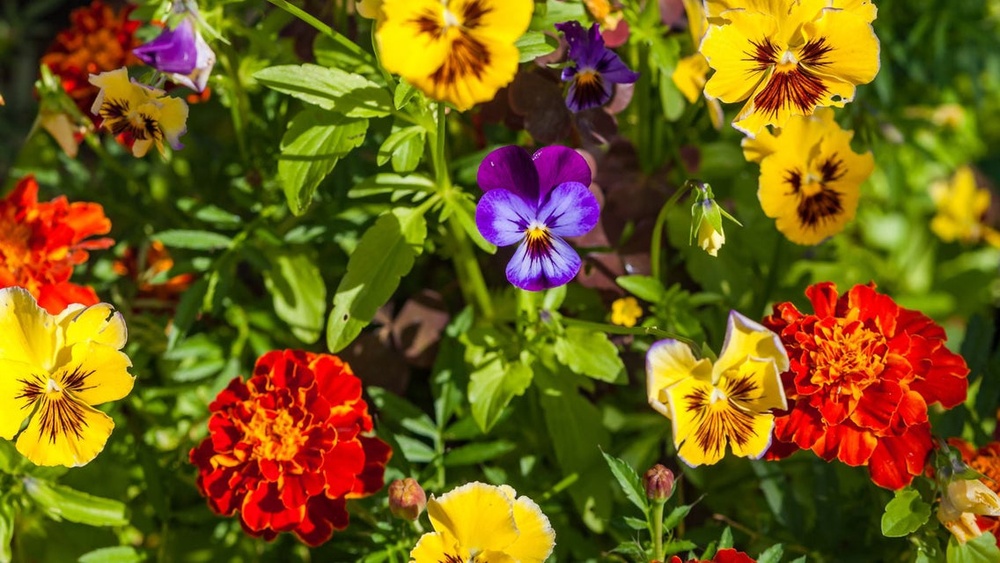
- French marigolds (Tagetes patula): Compact, bushy, and frost-sensitive.
- African marigolds (Tagetes erecta): Larger blooms, more heat tolerant, less cold hardy.
- Signet marigolds (Tagetes tenuifolia): Small, edible flowers, best for warmer climates.
Selecting the right variety is essential for fall sowing success. Each type has unique characteristics in terms of root structure, leaf thickness, and hardiness, which impact their ability to withstand the rigors of winter.
Additional Variety Notes
- French marigolds are well-known for their pest-repellent properties, making them popular choices for vegetable garden borders. Their moderate root depth offers some protection from surface freeze but is still insufficient for harsh winters.
- African marigolds tend to have a slightly longer growing period and develop robust, tall stems that are more susceptible to wind and freeze damage if germinated in autumn.
- Signet marigolds are often grown for their culinary uses, with a lemony flavor. Their smaller size and finer root system allow them to overwinter more reliably in raised beds or containers, especially with adequate mulching.
Comparison Table: Marigold Varieties And Fall Planting Suitability
| Variety | Fall Planting Suitability | Winter Hardiness | Bloom Time | USDA Zones |
|---|---|---|---|---|
| French | Moderate in mild climates | Low | Early–mid summer | 7–11 |
| African | Low | Very low | Mid–late summer | 8–11 |
| Signet | High in warm climates | Moderate | Early summer | 8–11 |
Real-world Example: French Marigolds In Georgia
A gardener in Atlanta, Georgia (Zone 8) reported successful fall sowing of French marigold seeds. Sown in late October, seeds remained dormant through winter. With spring warmth, 70% germinated, producing early blooms by May. This demonstrates the potential in mild climates, but such results are unlikely in colder regions.
Expanding on this, the gardener noted that the microclimate of their site—an area shielded from northern winds by a fence and adjacent to a brick wall that retained daytime heat—contributed to the higher survival rate. In contrast, a neighboring plot in an exposed, low-lying area saw only 35% germination.
This highlights the importance of even small-scale site selection within a garden.
Hybrid And Specialty Marigolds
Some hybrid marigold varieties are bred for improved cold tolerance, but most available cultivars remain sensitive to frost. Specialty seed suppliers may offer these, but they are not widely commercialized. Always check seed packaging for cold hardiness information.
For example, certain breeders have released marigold hybrids with slightly thicker seed coats and enhanced root vigor. While these traits can improve fall sowing outcomes, they do not confer full winter hardiness. Gardeners interested in experimenting with such varieties should conduct small test plantings and record results for future planning.
Soil Preparation, Sowing Techniques, And Timing
Preparing The Soil For Fall Planting
Proper soil preparation is crucial for marigold seed survival. Fall-planted seeds face greater risks from erosion, compaction, and moisture loss.
- Clear the area: Remove weeds and debris to reduce competition.
- Loosen soil: Till to a depth of 6–8 inches for good drainage.
- Amend soil: Incorporate compost for fertility and organic matter.
- Test pH: Marigolds prefer slightly acidic to neutral (6.0–7.0).
Additionally, soil structure is key. Heavy clay soils tend to compact over winter, suffocating seeds and promoting rot. Consider adding sand or perlite to improve drainage if your garden soil is dense. Conversely, very sandy soils may require extra organic matter to hold moisture and prevent seeds from drying out over winter.
Practical Example: Soil Solarization And Weed Control
If your planting area is known for persistent weeds or pathogens, consider solarizing the soil in late summer before sowing. Covering the area with clear plastic for 4–6 weeks can dramatically reduce weed seeds and soil-borne diseases, creating a healthier environment for fall-planted marigold seeds.
Sowing Techniques For Fall
Fall sowing differs from spring sowing in several key ways:
- Depth: Sow seeds 1/4 inch deep to protect from frost and birds.
- Spacing: Maintain 8–10 inches between seeds for robust growth.
- Mulching: Apply a 1–2 inch layer of straw or leaf mulch to insulate and retain moisture.
- Watering: Water thoroughly after sowing, but avoid waterlogging.
Additional Sowing Tips
- Seed orientation: While not critical, sowing seeds horizontally rather than upright can improve soil contact and reduce exposure.
- Marking rows: Use biodegradable markers to indicate sowing locations, as mulch and winter debris can obscure planting sites.
- Mixed sowing: In areas with variable winter severity, some gardeners mix marigold seeds with hardy annuals like calendula. This ensures at least some spring color if marigolds fail.
Best Timing For Fall Planting
- Ideal window: Late September to mid-November, depending on climate.
- Avoid early frost: Wait until daytime temperatures consistently drop below 70°F but before soil freezes.
- Monitor forecasts: Sudden cold snaps can reduce viability.
Timing Adjustments By Region
In coastal regions with mild, wet winters, aim for early October sowing to allow seeds to settle before the heaviest rains. In more continental climates, push planting as late as safely possible to minimize premature germination.
Case Study: Mulching For Overwintering Success
In Oregon (Zone 7), a gardener used heavy mulch after fall sowing. The mulch shielded seeds from freeze-thaw cycles, resulting in a 50% germination rate in spring, compared to 20% in unmulched plots. This underscores the value of mulching for fall-planted marigold seeds.
Expanding further, the gardener experimented with different mulch types—straw, shredded leaves, and pine needles. Shredded leaves performed best, likely due to their ability to insulate without matting excessively or promoting rot. This anecdote suggests the choice of mulch can meaningfully impact overwintering success.
Germination, Overwintering, And Bloom Expectations
Germination Rates And Influencing Factors
Germination is the first hurdle for fall-planted marigold seeds. Key influences include:
- Soil temperature: Below 55°F stalls germination.
- Moisture: Consistent, but not excessive, moisture needed.
- Seed quality: Fresh, disease-free seeds have higher viability.
According to a study published by the Journal of Horticultural Science, fall-planted marigold seeds in temperate climates showed a 38% average germination rate, while spring-planted seeds reached 74%.
Additional Factors
- Crusting: Heavy autumn rains can compact soil, forming a crust that physically inhibits seedling emergence in spring.
- Microbial activity: Warm, wet autumns can increase soil microbial activity, accelerating seed decay unless seeds are deeply buried or well-mulched.
Overwintering Survival Strategies
Marigold seeds face risks from:
- Freeze-thaw cycles: Can damage embryos.
- Predation: Birds, rodents, and insects may eat seeds.
- Fungal diseases: Wet winters can promote rot.
Protection strategies include:
- Mulching: Insulates and reduces temperature fluctuations.
- Row covers: Shields from predators and harsh weather.
- Site selection: Choose sheltered spots with good drainage.
Advanced Protection Techniques
- Wire mesh barriers: For gardens with heavy rodent pressure, placing lightweight wire mesh just below the soil surface can deter digging.
- Soil drenching: In areas with high fungal pressure, a pre-planting soil drench with diluted hydrogen peroxide or a biological fungicide can reduce pathogen loads, though care must be taken not to harm beneficial organisms.
Bloom Expectations After Fall Planting
Will you see blooms if you plant marigold seeds in the fall? The answer depends on:
- Region: Southern states may see blooms as early as April or May.
- Variety: Signet and French marigolds are more likely to bloom after fall sowing.
- Winter severity: Severe winters reduce bloom potential.
In most northern regions, expect delayed blooms or reduced flower quality. In mild climates, fall sowing can lead to earlier flowering than spring-planted seeds.
Example: Bloom Quality And Longevity
Gardeners in Zone 9 Florida who fall-sow marigolds often report not just earlier but longer-lasting blooms, as the plants avoid the heat stress and pest pressure of late spring. Conversely, in cooler regions, fall-planted marigolds may produce shorter, less robust plants if spring arrives late or is unusually wet.
Real-world Example: African Marigolds In Southern California
A community garden in Los Angeles (Zone 10) sowed African marigold seeds in November. Seedlings emerged in February, with blooms by late April. Survival rate was 65%, attributed to warm winter and strategic mulching. This case illustrates fall planting success in warm regions.
It’s worth noting that these gardeners also used drip irrigation during dry winter spells, ensuring seeds never fully dried out, which further contributed to their success.
Risks, Challenges, And Mitigation Strategies
Common Risks Of Fall Planting
Fall sowing presents several risks:
- Low germination rates: Due to dormancy and winter damage.
- Seed rot: From excessive moisture and cold soil.
- Predation: Wildlife may consume seeds.
- Delayed blooms: Cold inhibits early flowering.
More Subtle Risks
- Competition from winter weeds: Some winter annual weeds germinate in fall and can outcompete marigold seedlings for nutrients and light come spring.
- Soil heaving: Freeze-thaw cycles can physically push seeds out of the soil, leaving them exposed.
Mitigation Strategies For Successful Fall Planting
To improve success:
- Choose protected locations: South-facing beds warm earlier in spring.
- Mulch heavily: Reduces temperature extremes and moisture loss.
- Use row covers: Protects from animals and harsh weather.
- Select cold-tolerant varieties: If available, opt for hybrids or Signet marigolds.
Additional Approaches
- Raised beds: Elevating the planting surface improves drainage and warms faster in spring, reducing rot risk and accelerating germination.
- Interplanting: Mixing marigold seeds with more winter-hardy annuals or perennials can offer microclimate benefits.
Data Table: Fall Vs Spring Planting Outcomes
| Factor | Fall Planting | Spring Planting |
|---|---|---|
| Germination Rate | 30–60% | 70–90% |
| Bloom Time | Late spring/early summer | Mid–late summer |
| Seedling Health | Variable, often weaker | Robust |
| Pest/Disease Risk | Higher overwinter | Lower |
| Labor Required | Lower (hands-off) | Higher (active care) |
Example: Marigold Seed Rot In Wet Winters
In Washington State (Zone 6), fall-planted marigold seeds suffered heavy losses due to prolonged rains. Soil remained saturated, promoting fungal rot. Only 10% of seeds germinated in spring. Using raised beds and mulch could have mitigated this risk.
Lessons Learned
The gardener later installed gutters to divert roof runoff and added an extra layer of coarse straw mulch, which improved the outcome the following year. This example demonstrates how adapting your approach based on observation can improve future success.
Expert Tips To Avoid Common Pitfalls
- Monitor soil moisture: Avoid overwatering in fall.
- Inspect seed quality: Discard damaged or old seeds.
- Use protective barriers: Physical covers deter animals.
For more expert advice, consult the Penn State Extension.
Regional And Climate-based Recommendations
United States Climate Zones
Success with fall-planted marigold seeds hinges on your USDA Hardiness Zone:
- Zones 3–7: Unreliable for fall sowing; spring planting recommended.
- Zones 8–11: Good potential for fall sowing with proper protection.
Microclimate Considerations
Even within a single USDA zone, microclimates such as urban heat islands, south-facing slopes, or sheltered courtyards can create conditions more favorable for fall sowing than the surrounding region as a whole. Observing where snow melts first or where perennials break dormancy earliest in your garden can guide site selection.
Climate Table: Fall Planting Feasibility
| Zone | Average Winter Temp (°F) | Fall Planting Feasibility |
|---|---|---|
| 3–5 | -30 to 0 | Very Low |
| 6–7 | 0 to 10 | Low |
| 8–9 | 10 to 30 | Moderate to High |
| 10–11 | 30 to 40+ | High |
International Considerations
In countries with Mediterranean climates (e. g. , Spain, Italy), fall sowing of marigold seeds is common, yielding early spring blooms. In northern Europe or Canada, spring sowing is universally preferred.
Additional Global Examples
- Australia (southern regions): Fall sowing is common, as mild winters allow marigolds to establish and flower by late winter or early spring.
- India: In temperate northern regions, marigold seeds are usually sown in late winter or early spring, while southern regions can take advantage of fall sowing for extended bloom periods.
Local Extension Resources
For tailored advice, contact your regional extension service or consult the National Gardening Association.
Example: Marigolds In Texas
In Texas (Zones 8–9), marigold seeds sown in October survived mild winters. Gardeners reported lush blooms by March, illustrating the advantage of fall sowing in southern climates.
Some Texas gardeners have found success by sowing marigolds along with bluebonnets or other native wildflowers, taking advantage of similar germination and growth windows.
Practical Advice And Step-by-step Guide For Fall Marigold Planting
Step 1: Select Seeds And Varieties
- Choose fresh, high-quality seeds.
- Opt for French or Signet marigolds in mild climates.
- Review packaging for cold tolerance.
Step 2: Prepare The Site
- Clear and amend soil as described above.
- Ensure good drainage.
Step 3: Sow Seeds
- Plant 1/4 inch deep.
- Space 8–10 inches apart.
- Water lightly after sowing.
Step 4: Apply Mulch
- Use straw, leaves, or wood chips.
- Cover area with 1–2 inches.
Step 5: Protect And Monitor
- Consider row covers or netting.
- Check periodically for signs of predation or rot.
Step 6: Wait For Spring Germination
- Most seeds will remain dormant until soil warms.
- Remove mulch gradually in early spring.
Step 7: Care For Seedlings
- Water as needed.
- Thin seedlings to 10–12 inches apart.
- Fertilize lightly with balanced fertilizer.
Bonus Step: Track Your Results
- Keep a garden journal noting germination dates, weather patterns, and bloom quality.
- Use this data to fine-tune your fall planting strategy year by year.
Essential Tips For Success
- Do not sow in frozen soil.
- Avoid waterlogged locations.
- Label planting sites for easy identification in spring.
For visual guides and further reading, visit the Royal Horticultural Society.
Marigold Seed Fall Planting Vs Spring Planting: Pros And Cons
Fall Planting Pros
- Earlier blooms in mild climates
- Hands-off overwintering reduces labor
- Natural stratification may improve seedling vigor
- Space efficiency: Get a head start on garden planning
Fall Planting Cons
- Lower germination rates
- Higher risk of rot, predation, and disease
- Unreliable in cold regions
- Delayed or poor-quality blooms
Spring Planting Pros
- High germination rates
- Robust seedlings
- Predictable bloom time
- Low disease and rot risk
Spring Planting Cons
- Later blooms
- Requires active care and monitoring
- May miss early spring color
Decision Table: Which Is Right For You?
| Factor | Fall Planting | Spring Planting |
|---|---|---|
| Climate | Mild, warm winters | All climates |
| Labor | Lower | Higher |
| Bloom Timing | Earlier | Later |
| Reliability | Variable | High |
For more in-depth comparisons, see the Wikipedia Marigold Page.
Frequently Asked Questions
Can Marigold Seeds Survive Freezing Temperatures?
Marigold seeds can survive mild frost, but extended freezing temperatures often damage or kill embryos. In zones below 8, survival rates drop significantly. Using mulch and row covers can improve survival, but spring sowing is safer in colder regions.
Will Fall-planted Marigold Seeds Bloom Earlier Than Spring-planted Seeds?
In regions with mild winters, fall-planted marigold seeds may germinate earlier and produce blooms before spring-sown seeds. However, this benefit is offset by lower germination rates and greater risks in colder climates. Timing and variety selection are key.
What Is The Best Mulch For Protecting Fall-planted Marigold Seeds?
Organic mulches such as straw, shredded leaves, or wood chips are ideal. They insulate seeds, retain moisture, and decompose to enrich soil. Avoid heavy, compacting mulches that may hinder sprouting in spring.
Should I Use Row Covers For Fall-planted Marigold Seeds?
Row covers offer added protection from predators and harsh weather, especially in regions prone to frost or heavy rains. Lightweight fabric covers are recommended, allowing air and moisture to reach seeds while shielding them from damage.
Can I Plant Marigold Seeds In Containers In The Fall?
Yes, fall planting in containers is possible, particularly in mild climates. Use well-draining potting mix, place containers in sheltered spots, and mulch lightly. Move containers indoors or cover them during extreme cold to maximize survival.
Marigolds are a versatile, vibrant addition to any garden, but fall planting requires careful consideration of climate, variety, and protection methods. While some southern and Mediterranean regions can reliably expect blooms from fall-sown seeds, most gardeners in cooler climates will achieve better results by waiting until spring.
By understanding marigold biology, regional factors, and applying best practices, you can optimize your planting strategy for a beautiful, blooming display. For further guidance, consult local extension resources, reputable horticultural sites, and experienced gardeners.