When To Plant Marigold Seeds Indoors
Bright, versatile, and easy to grow, marigolds have long been a favorite of gardeners seeking vibrant color and natural pest resistance. Whether you’re a seasoned horticulturist or a first-time home gardener, starting marigold seeds indoors can be a rewarding and strategic choice, leading to healthier plants and an extended blooming season. Knowing precisely when to plant marigold seeds indoors is crucial for maximizing their growth potential and ensuring a seamless transition to your garden beds or containers.
Timing isn’t just about the calendar, it’s about understanding your local climate, your marigold variety, and the critical stages of seedling development. With the right planning, indoor sowing of marigold seeds offers gardeners a head start on the growing season, strong seedlings ready for transplant, and blossoms that brighten gardens earlier than direct sowing.
This guide will walk you through expert-backed timing strategies, practical steps, real-world examples, and data-driven comparisons to help you achieve optimal marigold growth and garden success.
Key Takeaways
- Marigold seeds should be planted indoors 6, 8 weeks before the last expected frost for optimal seedling development.
- Timing varies by USDA Hardiness Zone, marigold variety, and indoor growing conditions.
- Starting seeds indoors leads to earlier blooms, stronger plants, and improved pest resistance.
- Careful temperature and light management is essential during the indoor germination and growth stages.
- Transplanting should occur when seedlings have 2, 3 sets of true leaves and outdoor temperatures are consistently above 50°F.
- Common mistakes include planting too early, insufficient lighting, and improper hardening off.
Credit: www.gardengatemagazine.com
Understanding Marigold Varieties And Growth Cycles
Marigolds are not a monolithic plant; there are several distinct varieties, each with unique growth cycles and preferences. Knowing these differences helps tailor your indoor sowing schedule and enhances garden planning.
Major Marigold Types
- French Marigold (Tagetes patula):
- Compact, bushy, and ideal for containers.
- Bloom period: Early summer to frost.
- Preferred for indoor sowing due to rapid germination.
- African Marigold (Tagetes erecta):
- Tall, robust plants with large blooms.
- Often called American marigold.
- Slightly longer germination and growth cycle.
- Signet Marigold (Tagetes tenuifolia):
- Fine foliage, edible flowers, and citrus scent.
- Fast-growing; often used for borders and edible gardens.
Marigold Growth Cycle Overview
| Stage | Duration | Key Requirements |
|---|---|---|
| Germination | 5, 7 days | 70, 75°F, moist soil, indirect light |
| Seedling Growth | 3, 4 weeks | Consistent warmth, bright light |
| Transplant/Hardening Off | 7, 10 days | Gradual exposure to outdoor conditions |
| Blooming | 8, 10 weeks post sowing | Full sun, regular watering |
Example: French Vs African Marigold Indoor Sowing
A gardener in USDA Zone 5 sowed French marigold seeds indoors 7 weeks before the last frost. The seedlings were ready for transplant in mid-May, resulting in early blooms. Meanwhile, African marigolds required an extra week of indoor growth, but produced larger flowers by early summer.

Credit: www.youtube.com
Optimal Timing For Indoor Marigold Seed Sowing
The timing of sowing marigold seeds indoors is influenced by your climate, marigold variety, and your desired bloom schedule. Getting this right is key to healthy, robust plants.
Calculating Your Sowing Date
Pro Tip: Start by identifying your last expected spring frost date. The 6, 8 week window prior to this date is optimal for most marigold varieties.
- USDA Zone 3, 4: Last frost typically late May; sow indoors mid to late March.
- USDA Zone 5, 6: Last frost early to mid-May; sow indoors early March.
- USDA Zone 7, 8: Last frost late March to early April; sow indoors early to mid-February.
- USDA Zone 9, 10: Frost rare; sow indoors mid-January for early blooms.
Data Table: Sowing Dates By Zone
| USDA Zone | Average Last Frost Date | Recommended Indoor Sowing Date |
|---|---|---|
| 3, 4 | May 20, 31 | March 15, 31 |
| 5, 6 | May 10, 15 | March 1, 15 |
| 7, 8 | April 1, 15 | February 1, 15 |
| 9, 10 | Rare frost | January 15, 31 |
Real-world Example: Timing Success
In my experience, sowing French marigold seeds indoors 7 weeks before the last frost in Zone 6 resulted in healthy, compact seedlings ready for garden beds by mid-May. The early start led to vibrant blooms by June, outperforming direct-sown marigolds by several weeks.
Factors That Affect Sowing Timing
- Marigold variety: African marigolds need slightly longer indoor growth.
- Indoor conditions: Cooler rooms may delay germination; supplement with heat mats if needed.
- Desired bloom time: For event gardens or early color, adjust sowing to allow extra indoor growth.

Credit: www.youtube.com
Preparing For Indoor Sowing: Supplies And Setup
Proper preparation maximizes germination rates and ensures strong seedlings. Investing in quality supplies and a thoughtful setup pays dividends throughout the growing season.
Essential Supplies
- Seed trays or cell packs: Shallow trays allow for easy monitoring and watering.
- Sterile seed-starting mix: Reduces risk of disease and promotes healthy root growth.
- Clear plastic domes or wrap: Maintains humidity during germination.
- Grow lights or sunny windowsill: Marigolds require bright, indirect light for strong growth.
- Heat mat (optional): Ensures ideal soil temperature for rapid germination.
Step-by-step Setup
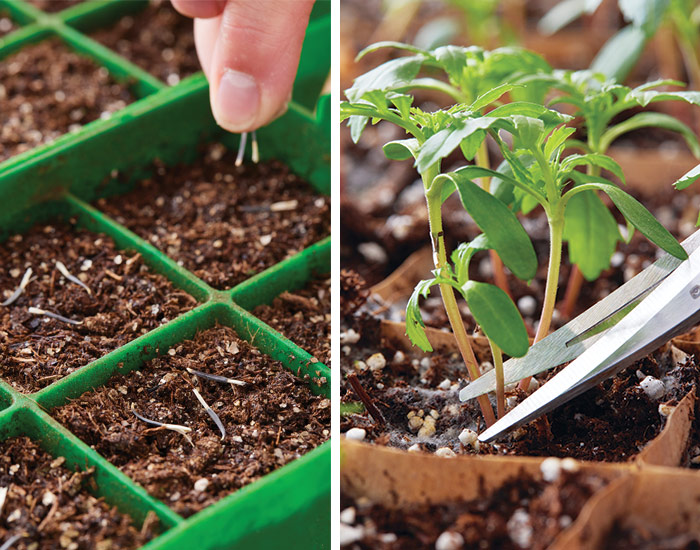
- Fill trays with seed-starting mix, lightly moisten.
- Sow seeds ¼ inch deep; space at least 1 inch apart.
- Cover with plastic dome or wrap to retain humidity.
- Place trays in warm location (70, 75°F).
- Remove cover after germination, provide 12, 16 hours of light daily.
Example: Setup Efficiency
A gardener in Chicago used a combination of heat mats and LED grow lights, achieving 95% germination rate for French marigold seeds. The seedlings developed strong stems and vibrant foliage, ready for transplant ahead of schedule.
Common Mistakes And How To Avoid Them
- Overwatering: Leads to damping-off disease; keep soil just moist.
- Insufficient light: Causes leggy seedlings; supplement with grow lights if needed.
- Crowded sowing: Stunts growth; thin seedlings early for best results.
Managing Indoor Germination And Growth
Once seeds are sown, careful management of germination and seedling growth determines the quality of your marigolds. This stage is critical for healthy transplants and abundant blooms.
Germination Best Practices
- Maintain 70, 75°F: Use heat mats if your room is cooler.
- Check daily for moisture: Avoid letting soil dry out completely.
- Watch for sprouting: Marigold seeds typically sprout in 5, 7 days.
Light Requirements
- Bright indirect sunlight: South-facing windows work well.
- Grow lights: Position 2, 4 inches above seedlings, run 12, 16 hours/day.
Thinning And Transplanting Seedlings
- Thin seedlings: After true leaves appear, select strongest plants.
- Transplant to larger pots: When roots fill cell packs, move to 3, 4 inch containers for continued growth.
Example: Preventing Leggy Seedlings
A home gardener in Boston noticed leggy marigold seedlings under insufficient window light. After switching to a full-spectrum grow light, seedlings developed compact, sturdy stems and lush foliage.
Disease And Pest Management Indoors
- Sterile soil: Prevents fungal issues.
- Proper airflow: Reduces mold risk; use small fans if humidity is high.
- Monitor for pests: Aphids and fungus gnats can sometimes appear; treat promptly if needed.
Transitioning Marigold Seedlings Outdoors
Moving marigold seedlings outdoors requires careful timing and technique to avoid transplant shock and ensure robust garden performance.
Hardening Off Process
Pro Tip: Start hardening off 7, 10 days before transplanting. Gradually expose seedlings to outdoor conditions:
- Place seedlings outside for 1, 2 hours, sheltered from wind and direct sun.
- Increase time outdoors daily, gradually exposing to full sunlight.
- Water seedlings regularly, avoid letting soil dry out.
Optimal Transplant Timing
- Seedlings should have 2, 3 sets of true leaves.
- Outdoor temperatures must consistently remain above 50°F (10°C).
- Avoid transplanting during heavy rain or strong winds.
Example: Successful Hardening Off
A gardener in Portland began hardening off marigold seedlings one week before the last frost date. Seedlings adapted well, showing no signs of transplant shock and producing early, vigorous blooms.
Site Selection And Soil Preparation
- Full sun: Marigolds thrive with at least 6 hours of sunlight daily.
- Well-drained soil: Prevents root rot; amend heavy soils with compost.
- Spacing: French marigolds 6, 12 inches apart; African marigolds 12, 18 inches apart.
Comparing Indoor Vs Outdoor Marigold Seed Sowing
Many gardeners wonder whether indoor sowing is worth the extra effort. Comparing outcomes helps clarify the advantages and disadvantages.
| Criteria | Indoor Sowing | Outdoor Sowing |
|---|---|---|
| Bloom Time | Early (late spring) | Later (early to mid-summer) |
| Seedling Health | Stronger, less risk of pests | Variable, higher pest exposure |
| Success Rate | High with proper care | Lower due to weather unpredictability |
| Pest Resistance | Enhanced by early growth | Lower; direct exposure |
| Labor Intensity | Higher (setup & care) | Lower (direct sowing) |
Example: Yield Differences
A study published by the University of California Agriculture and Natural Resources showed that marigolds started indoors produced 30% more blooms and exhibited stronger pest resistance compared to direct-sown marigolds.
Pros And Cons List
Indoor Sowing Pros:
- Early bloom
- Strong seedlings
- Controlled environment
Indoor Sowing Cons:
- Requires setup and monitoring
- Space limitations
Outdoor Sowing Pros:
- Simple process
- No need for indoor space
Outdoor Sowing Cons:
- Later blooms
- Higher risk from weather, pests
Real-world Examples And Case Studies
Understanding marigold indoor sowing through concrete examples demonstrates the practical impact of proper timing and care.
Example 1: School Garden Project
A school garden coordinator in Iowa started marigold seeds indoors 8 weeks before the last frost. Students monitored growth, thinned seedlings, and transplanted after hardening off. The project resulted in vibrant displays and hands-on learning about plant cycles.
Example 2: Professional Flower Grower
A commercial grower in Florida used indoor sowing to schedule marigold blooms for weddings and events. By carefully timing sowing and transplanting, the grower ensured peak color and flower quality for specific dates, showcasing the flexibility and control of indoor propagation.
Example 3: Urban Balcony Gardening
An apartment gardener in New York City started marigold seeds indoors on a sunny windowsill. Despite limited space, the controlled environment produced healthy seedlings, transplanted to balcony containers for an early summer burst of color.
Common Challenges And Solutions
Even experienced gardeners encounter obstacles when sowing marigold seeds indoors. Recognizing these challenges and applying proven solutions ensures success.
Challenge: Poor Germination Rates
- Solution: Use fresh, high-quality seeds and maintain proper soil moisture and temperature.
Challenge: Leggy Seedlings
- Solution: Increase light intensity and duration; rotate trays daily for even growth.
Challenge: Disease Outbreaks
- Solution: Start with sterile soil, avoid overwatering, and ensure good airflow.
Challenge: Transplant Shock
- Solution: Harden off seedlings gradually and transplant on calm, mild days.
Challenge: Timing Errors
- Solution: Consult local extension services or use online frost date calculators, such as the Old Farmer’s Almanac.
Best Practices For Maximizing Marigold Success
Harnessing expert advice and practical strategies gives your marigold seedlings the best possible start.
Sowing And Germination
- Plant seeds 6, 8 weeks before last frost.
- Use sterile seed-starting mix and trays.
- Keep soil moist but not saturated.
Light And Temperature
- Provide 12, 16 hours of light daily.
- Maintain 70, 75°F for germination.
- Adjust grow light height as seedlings grow.
Thinning And Transplanting
- Thin to strongest seedlings after first true leaves.
- Transplant to larger pots as needed.
- Harden off 7, 10 days before outdoor planting.
Outdoor Care
- Choose sunny, well-drained sites.
- Space marigolds according to variety.
- Mulch to retain moisture and suppress weeds.
Example: Maximizing Blooms
A gardener in Texas followed best practices, resulting in marigolds with dense, long-lasting blooms that attracted pollinators and repelled garden pests throughout the season.
Frequently Asked Questions
What Is The Best Soil Mix For Indoor Marigold Seed Starting?
For indoor marigold seed starting, use a sterile seed-starting mix that is light, airy, and well-draining. Avoid heavy garden soil or mixes containing compost, which can harbor pathogens. Many commercial seed-starting blends are peat or coco coir-based, with perlite for drainage. This reduces disease risk and promotes strong root development.
How Can I Tell If Marigold Seedlings Are Ready To Be Transplanted Outdoors?
Marigold seedlings are ready for transplant when they have 2, 3 sets of true leaves and sturdy stems. Roots should be visible but not circling the bottom of cell packs. Seedlings should be 2, 4 inches tall and able to withstand gentle handling. If you’re unsure, gently tip the tray to check root development without disturbing the seedlings.
Can Marigold Seeds Be Started Indoors Without Grow Lights?
Yes, marigold seeds can be started indoors on a bright, south-facing windowsill. However, if natural light is insufficient (especially in northern climates or during cloudy weeks), grow lights are recommended for healthy, compact growth. Seedlings grown in low light may become leggy and weak.
Are Marigolds Suitable For Container Gardens After Indoor Sowing?
Marigolds are highly suitable for container gardens. After indoor sowing and proper hardening off, transplant seedlings to containers with drainage holes. Use high-quality potting mix and ensure containers receive full sun. Containers can be placed on patios, balconies, or porches for vibrant, pest-resistant displays.
How Do I Store Leftover Marigold Seeds For Future Use?
Store leftover marigold seeds in a cool, dry place in airtight containers. Label with the variety and year collected or purchased. Avoid storing in humid or warm conditions, which can reduce viability. Most marigold seeds remain viable for 2, 3 years if properly stored.
Starting marigold seeds indoors is both an art and a science, requiring careful timing, thoughtful preparation, and ongoing care. By following the strategies and data-driven insights outlined in this guide, you’ll enjoy earlier, healthier blooms and a garden that stands out for its color and resilience.
Whether for home, school, or professional use, mastering marigold indoor sowing ensures vibrant results and gardening satisfaction year after year.