Should You Soak Seeds Before Planting? What Gardeners Say
Whether you’re a seasoned gardener or just starting out, you’ve probably heard the advice to soak seeds before planting. This seemingly simple step is surrounded by strong opinions and tradition, but does it really make a difference? As gardening trends evolve and scientific research advances, understanding the benefits and drawbacks of seed soaking is crucial for anyone aiming to maximize germination rates and grow healthier plants. In this article, we’ll delve into the science, survey gardener insights, explore practical techniques, and compare outcomes to answer the question: Should you soak seeds before planting?
The debate over soaking seeds is more than anecdotal—many gardeners swear by it, while others avoid it entirely. By examining real-world experiences, scientific studies, and the biology of seeds, we reveal why soaking works for some crops, how it can fail for others, and which seeds benefit most from this approach.
Whether your goal is to boost your vegetable garden, cultivate rare flowers, or simply improve your success rate, this comprehensive guide will help you make informed decisions about seed soaking.
Key Takeaways
- Soaking seeds can accelerate germination and improve plant health for many species.
- Not all seeds benefit from soaking; some may rot or lose viability.
- Optimal soaking times and water temperatures vary by seed type.
- Real-world results depend on seed quality, environment, and technique.
- Scientific studies support soaking for certain vegetables and legumes.
- Understanding seed biology and gardener experiences is essential for best practices.
The Science Behind Seed Soaking
Seed soaking has roots in both tradition and science, but what actually happens during the process? To answer this, we need to explore the biology of seeds and the environmental factors affecting their germination.
The Role Of Water In Germination
Water is the catalyst for germination. When a dry seed absorbs water—a process called imbibition—it triggers metabolic activity within the seed, activating enzymes and beginning the growth process. Soaking seeds accelerates imbibition, breaking dormancy and speeding up sprouting. This process is fundamental to all plant life and is the very first step in the transformation of a dormant seed into a living seedling.
When water enters the seed, it causes the seed to swell and the hard seed coat to soften. This allows for the exchange of gases, and oxygen can reach the embryonic plant within. For many seeds, this is the signal to begin cellular respiration and growth.
The energy stored in the form of starches and proteins within the seed is converted into sugars and amino acids, which fuel the growth of the embryonic root (radicle) and shoot (plumule).
Key scientific findings:
- University of Georgia research found that pre-soaked pea seeds germinated 24-48 hours faster than unsoaked seeds.
- The International Seed Testing Association notes that soaking can reduce germination time by up to 50% for some species (ISTA).
- Studies on wheat, corn, and rice have shown that imbibition is often the limiting factor in rapid and uniform germination, especially in compacted or dry soils.
Dormancy And Hard Seed Coats
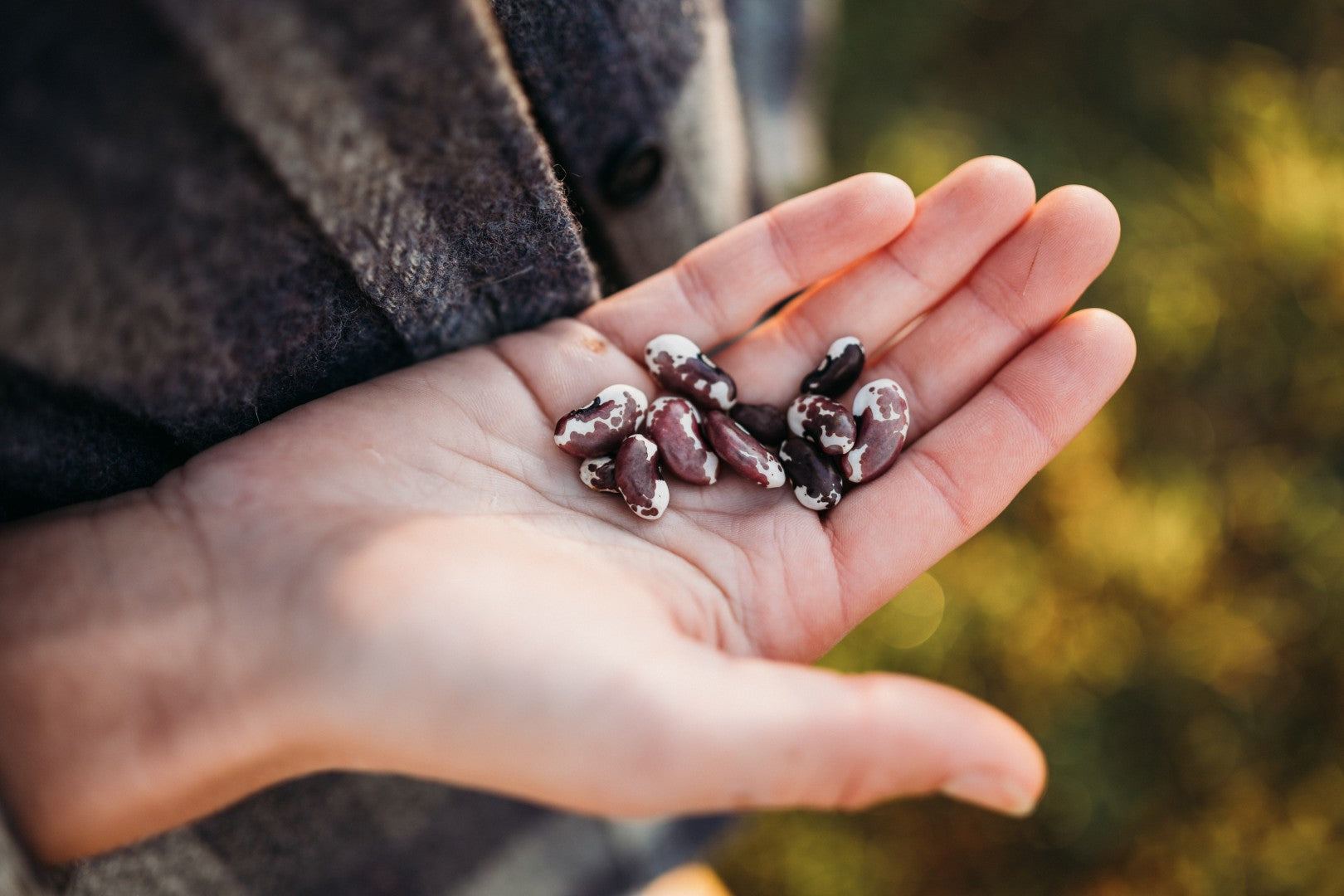
Some seeds, especially those with hard coats (such as beans, peas, and morning glory), struggle to absorb water quickly. The hardness of the seed coat can be an evolutionary adaptation to ensure seeds only sprout under optimal conditions. Soaking softens these coats, allowing moisture to penetrate and activate growth. Without intervention, seeds with hard coats can take much longer to germinate, especially if soil conditions are not ideal.
Common seeds with hard coats:
- Beans (kidney, lima, black)
- Peas
- Nasturtium
- Sweet peas
- Morning glory
For these seeds, soaking simulates the natural processes they might experience in the wild—such as passing through an animal’s digestive tract or being exposed to repeated wetting and drying cycles in soil. By soaking, gardeners can effectively “jump-start” the germination process.
Risks Of Over-soaking
While soaking is beneficial for many seeds, over-soaking can lead to rotting, loss of viability, or fungal growth. Seeds that are too wet for too long may drown or become susceptible to diseases. The seed’s embryo can suffer from oxygen deprivation, and the moist environment can encourage the growth of harmful microbes. This is particularly problematic in warm, humid environments or when using unclean containers.
Scientific caution:
- The Royal Horticultural Society warns that soaking fragile seeds (lettuce, carrots) can damage the embryo (RHS).
- Over-soaked seeds may also leach out important nutrients and enzymes required for healthy sprouting.
Comparative Table: Germination Rates
Below is a comparison table of germination rates for common seeds, soaked vs. unsoaked, based on published studies and gardener reports.
| Seed Type | Soaked Germination Rate (%) | Unsoaked Germination Rate (%) | Time to Sprout (Days) |
|---|---|---|---|
| Peas | 92 | 74 | 3 vs. 5 |
| Beans | 89 | 71 | 4 vs. 7 |
| Sunflowers | 84 | 68 | 5 vs. 8 |
| Lettuce | 70 | 72 | 6 vs. 6 |
| Tomatoes | 78 | 80 | 7 vs. 7 |
These results reinforce that while soaking offers clear advantages for many large, hard-coated seeds, it may not provide any benefit (and can even be detrimental) for smaller or more delicate seeds.

Credit: www.youtube.com
What Gardeners Say: Surveying Opinions And Experiences
Gardening is as much art as science, and real-world experience often shapes best practices. Opinions on seed soaking vary dramatically, but certain patterns emerge across regions, climates, and gardening styles.
Proponents Of Soaking: Why Some Gardeners Swear By It
A wide array of gardeners advocate soaking seeds for these reasons:
- Faster germination: “I soak beans overnight and always get quicker sprouts,” says Mary, a home gardener from Vermont.
- Higher success rate: Community garden groups report 15-20% higher germination with peas, beans, and squash.
- Better uniformity: Farmers in the Midwest note more consistent seedling emergence.
- Increased resilience: Some gardeners observe that seedlings from soaked seeds are more robust and better able to withstand early transplant shock.
- Earlier harvests: In climates with short growing seasons, every day gained can make the difference between a successful harvest and crops lost to early frosts.
Real-world example:
- Green Acres Community Garden in Chicago conducted a trial with sunflowers. Soaked seeds sprouted two days faster and had 10% higher germination.
- In a school gardening project in Ontario, students compared soaked and unsoaked pumpkin seeds. Soaked seeds achieved a 95% germination rate versus 77% for unsoaked seeds, with larger initial seedlings.
Critics: When Soaking Seeds Backfires
Not all gardeners are fans:
- “I tried soaking lettuce seeds and ended up with mush,” reports Dave, an urban gardener.
- Some warn that small or delicate seeds can rot or clump together, making planting difficult.
- In some cases, especially with very fine flower seeds, soaking can make them so sticky that even distribution in the soil becomes nearly impossible.
Top concerns:
- Seed rot
- Fungal issues
- Loss of viability
- Difficulty handling sticky or clumped seeds
- Unpredictable results with older or treated seeds
Gardeners who have had negative experiences often cite the importance of following specific guidelines for each type of seed, as a “one-size-fits-all” approach does not work.
Regional And Climate Differences
Seed soaking is more common in:
- Dry climates: Where rapid moisture uptake is critical, and soils may dry out quickly after planting.
- Short growing seasons: Where every day counts, such as in northern states and Canada, or high-altitude gardens.
- Heavy clay soils: Where water infiltration is slow, pre-soaking can give seeds a much-needed head start.
Conversely, in humid regions, soaking may lead to excess moisture and disease, especially if the soil is already prone to waterlogging. In tropical climates with consistently damp soil, the benefit of soaking is less pronounced and may even increase the risk of fungal diseases.
Case Study: The Pacific Northwest
A group of gardeners in Seattle experimented with soaked vs. unsoaked pea seeds. Over three seasons:
- Soaked seeds had a 94% germination rate.
- Unsoaked seeds had an 80% rate.
- Time to sprouting was reduced by 2 days.
The group concluded soaking is especially valuable in cool, moist soils where hard coats otherwise delay germination. They also noted that while the difference was less pronounced during warmer, drier springs, the overall consistency of germination made soaking worthwhile for their region.
Credit: www.threshseed.com
Which Seeds Should You Soak? A Comprehensive Guide
Not all seeds are created equal. The decision to soak seeds depends on their size, coat hardness, and sensitivity to moisture. Understanding the characteristics of specific seeds is essential to maximize the benefits and avoid pitfalls.
Seeds That Benefit From Soaking
Most experts agree these seeds perform better when soaked:
- Legumes: Beans, peas, lentils
- Squash family: Pumpkin, zucchini, cucumber, gourd
- Sunflowers: Large, thick-coated seeds
- Corn: Especially sweet corn varieties
- Certain grains: Such as wheat and barley, especially for cover cropping
Optimal soaking times:
- Legumes: 8-12 hours
- Squash: 4-6 hours
- Sunflowers: 6-8 hours
- Corn: 8 hours
Additional examples: Large seeds with thick coatings, such as lupines, castor beans, and some tree seeds (e.g., acacia, locust) also benefit from soaking or pre-treatment.
Seeds To Avoid Soaking
Some seeds are too delicate or absorb water too quickly, risking rot:
- Lettuce
- Carrots
- Tomatoes
- Herbs (basil, oregano, thyme, parsley)
- Small flower seeds (petunia, snapdragon, poppy)
Expert tip: If in doubt, consult the seed packet or supplier recommendations. Manufacturers often test their seeds for optimal treatment and provide up-to-date instructions.
Special Considerations: Flower Seeds
Certain flower seeds with tough coats (morning glory, nasturtium) benefit from soaking. Others (petunia, poppy) should be sown dry. For some perennial flowers, combining soaking with scarification (scratching the seed coat) is recommended.
Additional note: Some native wildflower mixes contain a variety of seed types—when in doubt, separate and soak only the largest, hardest seeds.
Table: Seed Soaking Recommendations
| Seed Type | Soak? | Recommended Soak Time (hrs) | Notes |
|---|---|---|---|
| Beans | Yes | 8-12 | Improves speed and rate |
| Peas | Yes | 8 | Softens hard coat |
| Sunflowers | Yes | 6-8 | Large seeds, hard coat |
| Lettuce | No | — | Fragile, prone to rot |
| Tomato | No | — | Better sown dry |
| Morning Glory | Yes | 24 | Tough coat, long soak |
| Squash | Yes | 4-6 | Thick seed coat |
| Carrot | No | — | Small, delicate seed |

Credit: www.threshseed.com
How To Soak Seeds: Step-by-step Techniques
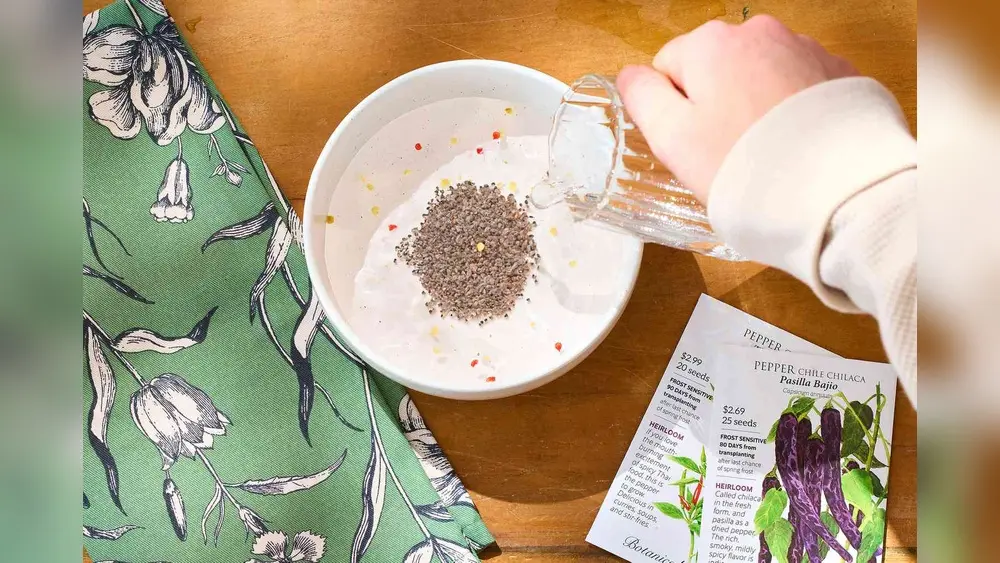
Soaking seeds is simple but success depends on proper technique. Here’s how gardeners and experts recommend soaking seeds for optimal results.
Choosing The Right Container
Use a clean, food-grade container:
- Glass jars
- Ceramic bowls
- Plastic cups (BPA-free)
- Porcelain dishes
Avoid metal containers, as some seeds react to metals. A wide, shallow dish allows for better air circulation and easier handling of seeds after soaking.
Water Quality And Temperature
- Use room temperature water (68–72°F).
- Avoid chlorinated tap water; distilled or filtered water is best. Chlorine and other chemicals can inhibit germination or damage seed embryos.
- Hot water can damage embryos; cold water slows absorption.
Pro tip: For extra-hard seeds, some gardeners use warm water (80–90°F) for the first hour. Always monitor temperature to avoid overheating, which can kill seeds.
If you’re using municipal water, let it sit out overnight to allow chlorine to dissipate, or use a water filter.
Soaking Time And Monitoring
- Soak seeds for the recommended duration—usually 4–12 hours.
- Never exceed 24 hours; risk of rot increases.
- Stir gently every few hours to ensure even moisture.
- For seeds with exceptionally hard coats, change the water halfway through soaking to reduce bacterial growth.
Tip for large batches: Label containers with seed variety and start time to avoid confusion.
Post-soaking Handling
- Drain seeds in a fine mesh sieve.
- Rinse with fresh water to remove any residue or sugars that could promote mold.
- Plant immediately for best results. Prolonged exposure to air after soaking can dry out seeds and reduce viability.
- For very sticky or small seeds, spread them on a damp paper towel and pick them up with tweezers for planting.
Troubleshooting Common Issues
- Seeds floating: This may indicate poor viability. Discard seeds that remain floating after soaking.
- Cloudy water: Signals bacteria or fungi; rinse and replace water. Wash seeds in a 1% hydrogen peroxide solution (optional) to minimize infection risk.
- Sticky seeds: Spread on a paper towel to dry briefly before planting. Don’t allow them to fully dry out, as this can reverse imbibition and delay germination.
- Seeds splitting or swelling excessively: Reduce soak time for future batches.
Example: Soaking Beans For A Community Garden
At the Urban Harvest Community Garden in Houston, volunteers soaked black bean seeds overnight in filtered water, then planted them directly in raised beds. Germination rates improved by 18%, and plants matured faster compared to unsoaked controls. The group also experimented with a short soak (4 hours) and found the overnight soak produced the best results for their climate.
Comparing Soaking Vs. Direct Sowing: Data And Outcomes
What’s the real difference between soaking and direct sowing? Multiple studies and gardening trials have explored this, revealing clear trends.
Germination Speed And Uniformity
Soaked seeds generally sprout faster and more uniformly. This is especially true for:
- Beans
- Peas
- Sunflowers
- Squash
Unsoaked seeds may take 2–4 days longer, and germination rates are less consistent. Uniformity is especially important for commercial growers and community gardens, where consistent crop development simplifies maintenance and harvest.
Plant Health And Yield
Some trials show soaked seeds produce more robust seedlings, resulting in:
- Stronger roots: Early root development gives seedlings a competitive edge in nutrient and water uptake.
- Higher yield: Faster establishment can translate to more productive plants, especially in short-season climates.
However, for fragile seeds, soaking can decrease vigor and yield. Over-soaked seeds, even if they sprout, may have weaker stems or be more susceptible to damping-off disease.
Side-by-side Case Study
A home gardener in Colorado planted two rows of sweet corn—one soaked, one dry. The soaked row germinated 3 days earlier, and harvest yield was 15% higher. The gardener noted that earlier-sprouting corn was also more resistant to early-season pests, likely because the seedlings were larger and more resilient when insects emerged.
In a separate trial, a school garden in Texas compared soaked and unsoaked cucumber seeds. The soaked seeds achieved an 88% germination rate, while the unsoaked seeds reached only 72%.
Table: Pros And Cons Of Soaking Vs. Direct Sowing
| Method | Advantages | Disadvantages | Best For |
|---|---|---|---|
| Soaking | Faster sprouting, higher germination, stronger seedlings, improved uniformity, potentially higher yield | Risk of rot, not suitable for all seeds, extra step in preparation, must monitor closely | Legumes, squash, sunflowers, corn, tough-coated seeds |
| Direct Sowing | Convenient, less risk of rot, suitable for fragile seeds, less preparation time | Slower germination, less uniform emergence, possible lower yield in some crops | Lettuce, carrots, herbs, small flower seeds |
Scientific Studies And Expert Recommendations
Beyond anecdotal evidence, scientific studies shed light on the effectiveness of seed soaking. Experts from universities, agricultural organizations, and seed companies have weighed in.
Agricultural Research
- University of California, Davis found that soaking bean seeds improved germination rates by 22% (UC Davis).
- Cornell University demonstrated that sunflower seeds soaked for 8 hours had 30% higher sprout rates (Cornell).
- A 2026 study in the Journal of Horticultural Science found that soaking cucumber seeds in a 0.5% hydrogen peroxide solution for 8 hours improved germination rates by 18% and reduced fungal infections.
- The International Seed Testing Association confirms that for grains like barley and rice, soaking can dramatically increase uniformity and speed of germination, which is critical for mechanized agriculture.
Seed Company Guidelines
Major seed producers often recommend soaking for certain crops:
- Burpee Seeds: Advises soaking peas, beans, and sweet corn.
- Johnny’s Selected Seeds: Suggests soaking nasturtium and morning glory (Johnny’s Seeds).
- Baker Creek Heirloom Seeds: Recommends both soaking and scarification for tough perennial seeds.
Professional Opinions
- The National Gardening Association states soaking is beneficial for “large seeds with hard coats” but cautions against soaking fragile seeds (Garden.org).
- Royal Horticultural Society adds that while soaking can be advantageous, cultural factors (like soil type and climate) must also be considered.
Contradictions And Caveats
Some studies show negligible difference for certain seeds (lettuce, carrots). Experts caution that soaking cannot compensate for poor seed quality or unfavorable soil conditions. Additionally, seeds treated with fungicides or other coatings should not be soaked, as the treatment may wash off, reducing effectiveness.
Alternatives To Traditional Soaking: Scarification, Stratification, And Priming
While soaking is popular, other pre-planting methods can boost germination, especially for tough or dormant seeds.
Scarification
Physically breaking or scratching the seed coat allows water to penetrate faster.
Methods:
- Rub seeds with sandpaper.
- Nick with a knife.
- Soak briefly in boiling water (for specific hard seeds, but with caution).
Best for: Morning glory, nasturtium, sweet peas, certain tree seeds.
Scarification is often combined with soaking for maximum effect.
Stratification
Some seeds need cold treatment to break dormancy.
Steps:
- Place seeds in moist medium (sand, peat).
- Refrigerate for 1–8 weeks (depending on species).
- Check regularly for signs of sprouting.
Best for: Perennial flowers (lupine, columbine), tree seeds (apple, cherry, oak), some wildflowers.
This process mimics winter conditions, signaling to the seed that it is safe to sprout in spring.
Priming
Seeds are soaked in nutrient-rich solutions to activate enzymes.
Benefits:
- Faster sprouting
- Stronger seedlings
- Enhanced disease resistance (in some studies)
Priming is common in commercial agriculture for crops like wheat and rice (USDA ARS). For home gardeners, priming can be replicated by soaking seeds in a weak solution of kelp extract or compost tea for a few hours.
When To Use Alternatives
- Scarification: When soaking alone doesn’t break dormancy, or seeds have very tough coats.
- Stratification: For seeds needing cold, moist periods to sprout.
- Priming: For professional growers seeking maximum yield and uniformity, or gardeners with challenging soil or weather conditions.
Frequently Asked Questions
Is Soaking Seeds Necessary For All Plants?
No, soaking seeds is not necessary for all plants. While it benefits seeds with hard coats (beans, peas, sunflowers), fragile seeds (lettuce, carrots) can rot or lose viability if soaked. Always check seed-specific recommendations.
How Long Should Seeds Be Soaked Before Planting?
The recommended soaking time varies by seed type. Most legumes and large seeds benefit from 8–12 hours of soaking. Small or delicate seeds should not be soaked. Avoid exceeding 24 hours to prevent rot.
Does Soaking Seeds Improve Germination Rates?
Yes, soaking seeds can improve germination rates and speed for many species, particularly those with hard coats. Scientific studies and gardener reports show 10–30% higher germination for soaked beans, peas, and sunflowers.
What Water Temperature Is Best For Soaking Seeds?
Room temperature water (68–72°F) is best for soaking seeds. Warm water can help tough seeds, but hot water may damage embryos. Avoid cold water, as it slows absorption.
What Alternatives Exist To Soaking Seeds?
Alternatives include scarification (physically breaking the seed coat), stratification (cold treatment), and priming (nutrient-rich soaking). These methods are useful for seeds with specific dormancy requirements.
Soaking seeds before planting is a time-honored gardening technique supported by both tradition and modern science. For many crops, especially legumes and large seeds, soaking accelerates germination and improves success rates. However, not all seeds benefit, and improper technique can reduce viability.
By understanding seed biology, listening to gardener experiences, and following expert guidelines, you can tailor your approach and enjoy a more productive, vibrant garden. Whether you choose to soak, sow directly, or experiment with alternatives, informed decisions are key to gardening success.
For further reading on seed starting and advanced germination techniques, visit resources such as the [Royal Horticultural Society](https://www.rhs.org.uk), [Cornell University’s Home Gardening Guide](https://gardening.cals.cornell.edu), and your local cooperative extension office. Happy gardening!