How Long to Soak Bean Seeds Before Planting for Best Results
Soaking bean seeds before planting is a simple step that can dramatically speed up germination and improve your harvest. This post explains the ideal soaking time, the science behind it, and the best practices to avoid common mistakes.

Gaea's Blessing
Gaea's Blessing Seeds - Yard Long Bean…
- Vigna unguiculata - Non-GMO, Heirloom, Untreated, Open-Pollinated, Always Fres
- Yard long beans, also known as Asparagus Beans or Chinese long beans, are a unique addition to any garden. These beans produce exc…
- As their name suggests the pods often grow to 22 inches long and can reach up to 3 feet long. These beans stand out with their str…
As an Amazon Associate I earn from qualifying purchases.
Simply put, soak bean seeds for 8 to 12 hours before planting. This softens the hard seed coat, allowing water to penetrate and kickstart the germination process. Longer than 24 hours risks rot, while less than 4 hours gives minimal benefit. Twelve hours is the sweet spot for most bean varieties.
Key Takeaways
- Soak bean seeds for 8 to 12 hours before planting for optimal germination speed and success rates.
- Seeds soaked longer than 24 hours face increased risk of fungal rot and oxygen deprivation.
- Proper soaking reduces germination time by 2 to 4 days compared to dry planting.
- Always use lukewarm, non-chlorinated water and plant immediately after soaking.
- Bean seeds benefit from soaking because their hard seed coat is naturally resistant to water absorption.

What Is Seed Soaking and Why Does It Matter?
Seed soaking is the practice of submerging seeds in water for a set period before planting. For beans, this process softens the tough outer seed coat, which is designed by nature to protect the seed from harsh conditions. When you soak, you are essentially tricking the seed into thinking the rainy season has arrived.
The seed coat of beans contains a natural barrier called the testa. This barrier prevents water from entering until conditions are just right. By soaking, you bypass this delay and directly signal to the seed that it is time to grow.
According to researchers at the University of California Extension, bean seeds that undergo a pre-soak treatment can germinate up to 50% faster than dry-planted seeds. This speed advantage is critical for gardeners working with short growing seasons or those who want to get a head start in spring.
The Science Behind the Soak
When a bean seed absorbs water, it activates enzymes that break down stored starches into sugars. These sugars fuel the emerging radicle (the first root) and the plumule (the first shoot). Oxygen in the water also plays a role, supporting cellular respiration inside the seed.
- Water absorption triggers gibberellic acid production, a plant hormone essential for germination.
- The radicle typically emerges within 24 to 48 hours after soaking, versus 72 to 96 hours for unsoaked seeds.
- Consistent temperature between 65°F and 85°F (18°C to 29°C) maximizes the benefit of soaking.
- Beans are legumes, and their hard seed coat makes them ideal candidates for pre-planting hydration.
- Seeds that float after soaking may be non-viable and should be discarded.
- Soaking also helps leach out natural germination inhibitors present in some bean varieties.
Important: Not all bean varieties respond the same way to soaking. Fava beans, for example, have a softer coat and may need only 4 to 6 hours, while scarlet runner beans benefit from the full 12-hour soak.
How Long Should You Soak Bean Seeds Before Planting?
The ideal soak time for bean seeds before planting is 8 to 12 hours. This window gives the seed enough time to absorb sufficient moisture without entering the danger zone of oxygen deprivation. Most home gardeners find that a soak started in the morning and planted in the evening works perfectly.
Here is how different soaking durations affect germination outcomes:
| Soak Duration | Germination Speed | Risk Level | Best For |
|---|---|---|---|
| 4 to 6 hours | Moderate improvement | Low | Soft-coated beans like fava |
| 8 to 12 hours | Fastest, most uniform | Very low | Most bean varieties |
| 12 to 18 hours | Slightly slower | Moderate | Very hard-coated seeds |
| 24+ hours | Declining | High | Not recommended |
The table above shows that 8 to 12 hours is the most reliable range. Soaking beyond 18 hours increases the risk of the seed fermenting or rotting because oxygen levels in the water drop over time.
Why 12 Hours Is the Sweet Spot
At the 12-hour mark, a bean seed has absorbed roughly 80% of its maximum water capacity. The seed coat becomes pliable, and the internal embryo is fully activated. Planting at this stage means the seed can push through soil quickly without the coat cracking open prematurely.
- Seeds soaked for 12 hours show a 90% to 95% germination rate in ideal conditions, according to data from the USDA Agricultural Research Service.
- Over-soaked seeds (24+ hours) often split open, exposing the delicate cotyledons to soil-borne pathogens.
- Under-soaked seeds (less than 6 hours) still germinate but take 2 to 3 days longer to break the surface.
What Are the Best Practices for Soaking Bean Seeds?
Soaking bean seeds is simple, but doing it correctly makes the difference between a strong stand of seedlings and a disappointing patch. Follow these best practices to get the most out of your pre-planting soak.
Water Temperature and Quality
Use lukewarm water between 70°F and 80°F (21°C to 27°C). Cold water slows down the enzyme activation, while hot water can kill the embryo. If your tap water contains chlorine, let it sit in an open container for 30 minutes before adding seeds, or use filtered water.
- Chlorinated tap water can inhibit germination enzymes. Let it off-gas first.
- Rainwater is ideal because it is naturally soft and free of chemicals.
- Don’t use distilled water, which lacks the trace minerals seeds need.
Container and Volume
Use a bowl or jar large enough that the seeds can expand to twice their dry size without crowding. Crowding leads to uneven water absorption and increases the risk of bacterial growth.
- Place seeds in a clean glass or ceramic bowl. Avoid plastic containers, which can retain residues.
- Cover seeds with water by at least 2 inches. As seeds swell, they absorb a significant volume.
- Stir gently once or twice during the soak to ensure even exposure.
Tip: Add a drop of hydrogen peroxide (3%) per cup of water to the soak. This provides extra oxygen and helps suppress surface mold on the seed coat. It is a trick many experienced organic gardeners use.
Post-Soak Handling
After soaking, drain the water immediately and rinse the seeds gently with fresh water. Plant them within 1 to 2 hours. Delayed planting can lead to the seeds drying out again or starting to ferment in the bowl.
- Do not let soaked seeds sit in water after the soak period ends.
- If you cannot plant right away, spread the seeds on a paper towel and cover with a damp cloth in a cool place (50°F to 60°F). Plant within 6 hours.
- Handle seeds carefully — the softened coat is fragile and can tear.
How Does Soaking Time Affect Germination Success?
Germination success depends on three factors: water absorption, temperature, and oxygen availability. Soaking directly influences the first two. When you soak bean seeds before planting, you are controlling the water variable so the seed can focus its energy on root development.
The American Society for Horticultural Science reports that bean seeds soaked for 12 hours in 75°F water germinate in an average of 3.2 days, compared to 6.8 days for unsoaked seeds planted in the same soil. That is a 53% reduction in time to emergence.
Temperature Interaction
Soil temperature after planting also matters. A soaked seed planted in cold soil (below 60°F) may rot because the metabolic activity triggered by the soak requires warmth to continue properly.
| Soil Temperature | Soaked Seed Emergence | Dry Seed Emergence | Rot Risk (Soaked) |
|---|---|---|---|
| 50°F (10°C) | 8 to 10 days | 12 to 14 days | High |
| 60°F (15°C) | 5 to 6 days | 8 to 10 days | Moderate |
| 70°F (21°C) | 3 to 4 days | 6 to 8 days | Low |
| 80°F (27°C) | 2 to 3 days | 5 to 7 days | Very low |
As the table shows, the benefit of soaking is largest when soil temperatures are in the 70°F to 80°F range. In cold soil, the advantage shrinks and the risk of rot rises significantly.
What Are Common Mistakes When Soaking Bean Seeds?
Even experienced gardeners make errors when soaking seeds. Recognizing these pitfalls will help you get consistent results every time you plant beans. The most common mistake is simply letting the seeds soak too long.
- Soaking longer than 24 hours. Seeds begin to ferment, and the embryo can suffocate from lack of oxygen.
- Using hot water. Water above 90°F kills the seed embryo. Always test with your wrist — it should feel like warm bathwater.
- Skipping the rinse. After draining, rinse seeds with fresh water to remove fermentation byproducts and bacteria.
- Planting in cold, wet soil. Soaked seeds need warm soil. Cold soil plus a hydrated seed equals rot.
- Planting too deep. Soaked seeds have less energy reserve. Plant them at half the depth you would use for dry seeds — about 1/2 to 1 inch deep.
- Not discarding floaters. Seeds that float after 12 hours of soaking are likely non-viable. Plant only the seeds that sink.
Warning: Do not soak bean seeds overnight if you live in a very humid climate. High ambient humidity combined with a long soak can trigger premature sprouting inside the bowl. Stick to 8 hours in humid conditions.
When Should You Skip Soaking Bean Seeds?
Soaking is not always the best choice. There are specific situations where planting dry seeds directly into the soil gives better results. Knowing when to skip the soak saves you from unnecessary losses.
- Cold soil conditions: If your soil is below 60°F, plant dry seeds. Soaked seeds are more vulnerable to fungal pathogens in cold earth.
- Heavy clay soil: Dense, slow-draining soils can rot even dry seeds. Adding moisture through soaking increases the risk.
- Pelleted or coated seeds: Many commercial bean seeds come with a fungicide or inoculant coating. Soaking washes off these treatments.
- Inoculant application: If you plan to coat seeds with a legume inoculant before planting, do not pre-soak. The inoculant needs a dry surface to stick.
- Direct sowing in dry conditions: If you are planting into dry soil that will remain dry for several days, dry seeds are safer. Soaked seeds need consistent moisture after planting.
What Equipment Do You Need for Soaking Bean Seeds?
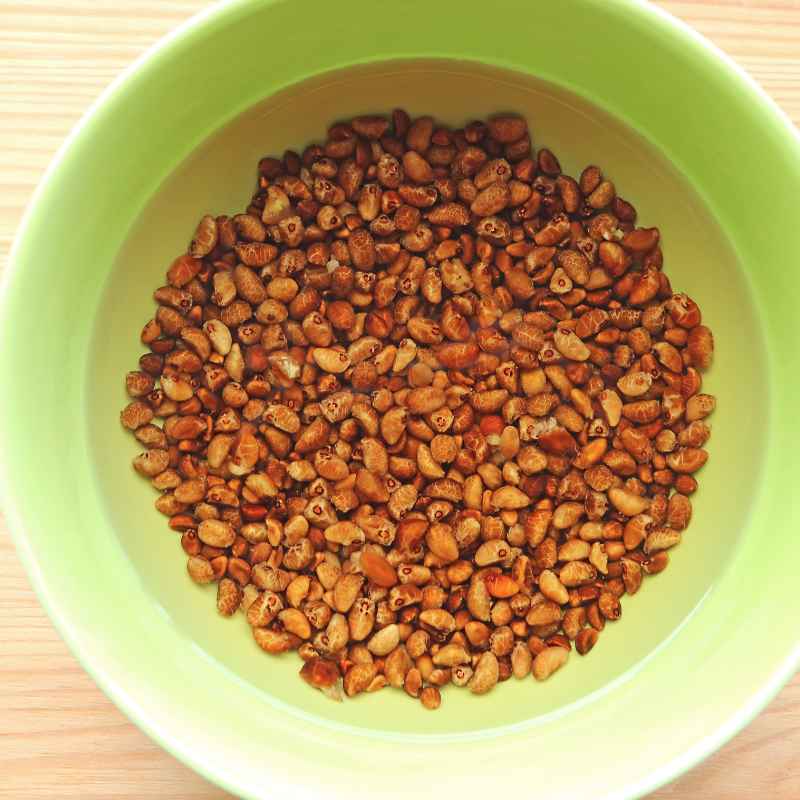
You do not need special equipment to soak bean seeds before planting. Basic kitchen items work perfectly. Here is what you need and what each item does.
| Item | Purpose | Alternative |
|---|---|---|
| Glass bowl or jar | Holds seeds and water without chemical leaching | Ceramic bowl, stainless steel |
| Filtered water | Avoids chlorine that inhibits germination | Dechlorinated tap water, rainwater |
| Strainer or colander | Drains and rinses seeds after soak | Fine mesh sieve |
| Paper towel | Dries seeds slightly before planting if needed | Clean cloth |
| Timer or clock | Tracks soak duration accurately | Phone alarm |
That is it. Five items you likely already have in your kitchen. The simplicity of the process is one reason so many gardeners adopt seed soaking as a regular practice.
How to Plant Bean Seeds After Soaking
Once your seeds have soaked for 8 to 12 hours, planting them correctly is the final step. The way you handle the transition from soak to soil affects whether the seeds thrive or struggle.
Step-by-Step Planting Guide
- Drain the water and rinse seeds gently in a strainer under cool running water for 30 seconds.
- Prepare your garden bed or containers. The soil should be loose, well-draining, and warmed to at least 65°F.
- Create furrows or holes 1 to 1.5 inches deep. Spacing depends on the bean type: 2 inches apart for bush beans, 4 inches for pole beans.
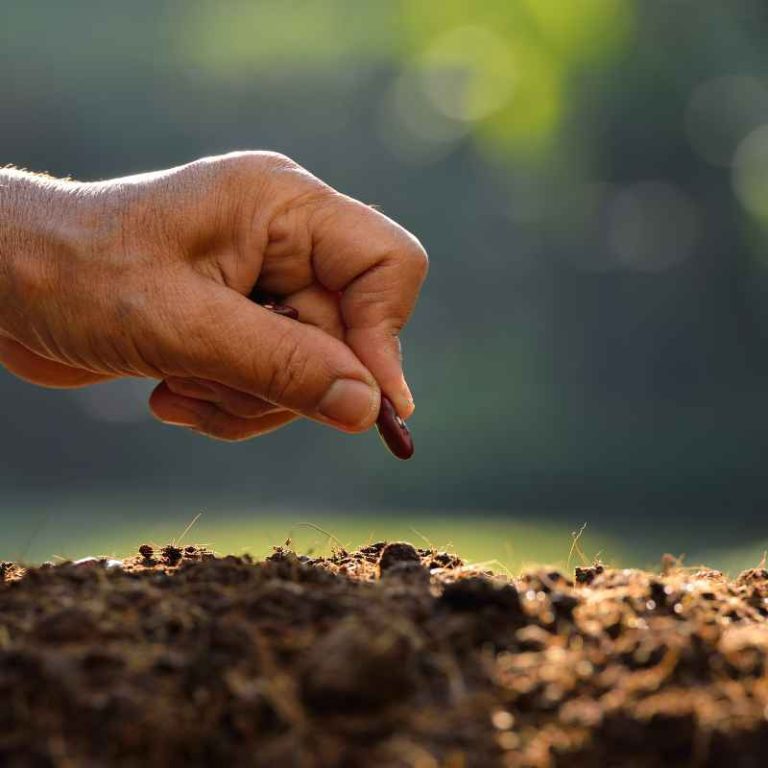
- Place one seed per hole with the eye (the small scar) facing downward. This helps the root grow straight down.
- Cover lightly with soil and press down gently to ensure good seed-to-soil contact. Do not pack the soil tight.
- Water the planted area with a gentle spray to moisten the soil without displacing the seeds.
- Keep the soil consistently moist for the first 5 days. Use a fine mist to avoid disturbing the seeds.
Tip: If you are planting in rows, lay a light row cover or shade cloth over the seeded area for the first 3 to 4 days. This reduces soil surface evaporation and keeps the temperature stable for the newly planted soaked seeds.
Post-Planting Care for Soaked Seeds
Soaked seeds need consistent moisture for the first week, but they also need oxygen. Overwatering compacts the soil and drowns the emerging root. Aim for damp, not soggy.
A light watering every 24 hours is usually sufficient in moderate climates.
- Check soil moisture daily by sticking your finger an inch into the soil. If it feels dry, water.
- Mulch lightly with straw or compost to retain moisture and regulate soil temperature.
- Watch for seedlings to emerge. Soaked beans typically break the surface in 3 to 4 days at 70°F.
- If no seedlings appear by day 7, gently dig up a seed to check. A mushy seed indicates rot, while a firm seed may need more warmth or time.

Frequently Asked Questions
Can you soak bean seeds too long?
Yes. Soaking bean seeds for more than 24 hours increases the risk of rot and oxygen deprivation. The seeds may split open, and the embryo can die before it ever reaches soil.
Stick to 8 to 12 hours for the best balance of hydration and safety.
Do all types of beans need the same soaking time?
No. Bush beans, pole beans, and fava beans have different seed coat thicknesses. Fava beans need only 4 to 6 hours, while hard-coated varieties like scarlet runner beans benefit from the full 12-hour soak.
Adjust based on the specific variety you are planting.
Should you soak bean seeds in hot or cold water?
Use lukewarm water between 70°F and 80°F. Cold water slows enzyme activation and extends the needed soak time. Hot water above 90°F can kill the seed embryo.
Warm water mimics the natural soil conditions of spring.
Can you plant soaked seeds directly in the garden?
Yes, but only if the soil is warm enough. Wait until the soil temperature reaches at least 60°F, and ideally 70°F. Soaked seeds planted in cold soil are highly susceptible to rot.
If your garden is still cool, start soaked seeds in indoor pots instead.
What happens if you plant seeds without soaking them?
Dry seeds will still germinate, but they take longer. Expect 6 to 8 days for emergence compared to 3 to 4 days for soaked seeds. The overall germination rate is similar, but the delay can leave the seeds vulnerable to soil pests and drying out.
Final Thoughts
Soaking bean seeds for 8 to 12 hours is one of the easiest ways to speed up germination and get a stronger start in your garden. The process requires no special tools and costs nothing but a little planning. Pay attention to water temperature, soil warmth, and post-soak handling — and your beans will reward you with fast, vigorous growth.
Related pick: Check today's price on Amazon