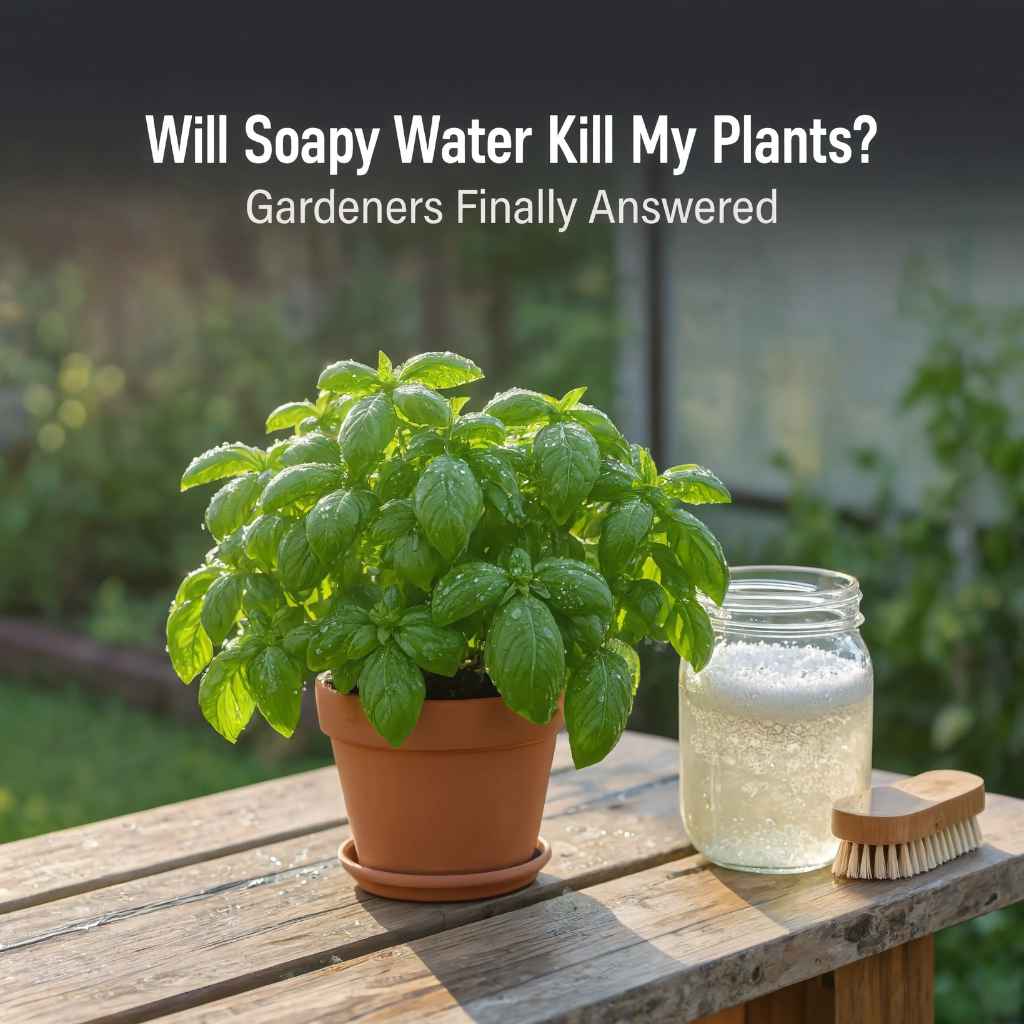
Will Soapy Water Kill My Plants? Gardeners Finally Answered
Soapy water can indeed harm your plants. While some mild soaps are used as insecticidal sprays, using the wrong kind or too much can strip away protective layers on leaves and roots, leading to dehydration, nutrient loss, and even plant death. It’s crucial to know what soap to use and how.
What Happens When Soap Meets a Plant?
Plants are living things. They have delicate parts. Their leaves have a waxy coating.
For a related vegetable-garden decision, How To Use Rain Barrels To Water Vegetable Gardens Easily adds another practical check before you choose materials or treatments.
For a related vegetable-garden decision, Does Spraying Soapy Water Hurt Vegetable Gardens? Answered adds another practical check before you choose materials or treatments.
For watering and moisture setup, Why Were Plants Chosen for the Talking Water Gardens? Explained gives a useful next step.
This coating is important. It helps them keep water in. It also stops bad germs from getting in.
Soap, especially strong dish soap, can be tough. It can break down this waxy layer. Think of it like washing a duck.
The soap can wash off the natural oils that keep the duck dry.
When this protective layer is gone, plants lose water faster. This is called dehydration. It makes the leaves look sad.
They might droop or wilt. The plant also becomes open to diseases. Tiny cuts and pores are now exposed.
This is not good for plant health.
Soap can also affect the soil. If you pour soapy water on the ground, it changes the soil’s structure. It can break up the soil too much.
This makes it hard for roots to get air and water. Some soaps have salts or other chemicals. These can build up in the soil over time.
This buildup can poison the plant.
My Own Soapy Scare
I remember one summer. My tomato plants were covered in aphids. They looked like tiny green dots.
They were sucking the life out of my leaves. I panicked. I ran inside and grabbed the brightest blue dish soap.
I mixed up a big bucket. I sprayed every leaf. I felt like a hero.
The aphids seemed to wash off. But then, a few days later, the leaves started to turn yellow. Some got brown spots.
It was awful. My poor plants looked worse than before. That’s when I learned that not all soaps are the same.
And some are definitely not plant-friendly. I felt so bad for my tomatoes. It taught me a valuable lesson about doing research first.
Soap Types and Plant Impact
Different soaps have different effects.
- Castile Soap: Made from vegetable oils. It’s very mild. Often recommended for plant sprays.
- Insecticidal Soap: Special soaps made for plants. They are tested. They work by disrupting insect cell membranes.
- Dish Soap: Standard dish soaps are strong. They often have degreasers and perfumes. These can harm plants.
- Laundry Detergent: Very harsh. Contains strong chemicals. Never use on plants.
Understanding the Science (Simply Put)
Plants need a balance. They need water. They need sunlight.
They also need the right soil. Soap messes with this balance. The main issue is surfactants.
These are the ingredients in soap that make bubbles. They also help soap break down grease and dirt. On a plant, they break down the waxy cuticle.
This cuticle is the plant’s shield.
When the cuticle is gone, the plant can’t hold water well. It starts to dry out. This is like having no skin.
Everything gets in. Water gets out too fast. The plant wilts.
It can look burnt. This is why a leaf might get brown edges after being sprayed with the wrong soap.
Roots can also suffer. If soapy water gets into the soil, it changes how the soil works. Good soil has tiny spaces for air and water.
Soap can clog these spaces. It can make the soil too wet or too dry. Roots need to breathe.
They can’t breathe if their home is waterlogged or too dry. They can also get “burned” by the chemicals in the soap. This stops them from taking up food and water.
Real-Life Scenarios: Where Soapy Water Goes Wrong
Think about common gardening situations. You might have aphids. You might have spider mites.
These tiny pests can be a big problem. People look for quick fixes. Soap seems like an easy, cheap solution.
They might spray their roses. They might spray their vegetable plants. They might even wash their garden tools with soap.
Then pour the rinse water on the flower bed.
Another common time is when cleaning up. Maybe you washed a dirty patio chair near your garden. Or you washed paintbrushes.
The soapy water ran off into the garden. These little actions can add up. Over time, they can damage the soil and the plants that live in it.
It’s often the unintentional spills or runs that cause the most trouble.
Quick Scan: Soap Use in the Garden
| Dish Soap | Risky! Can harm leaves and roots. |
| Laundry Detergent | Very Dangerous! Strong chemicals damage plants. |
| Mild Castile Soap | Mostly Safe when diluted for pests. Test first. |
| Commercial Insecticidal Soap | Safest Option for pest control. Designed for plants. |
What This Means for Your Garden
So, when is soapy water okay? And when should you run the other way? It depends on the soap.
It depends on how much you use. It depends on how you use it. For most home gardeners, it’s safer to avoid regular dish soap.
Especially on leaves and flowers. You don’t want to strip away that natural protection.
If you have pests, there are better ways. You can use commercial insecticidal soaps. These are made just for plants.
They are tested. They work by targeting the bugs. They are less likely to hurt your plants.
Or, you can make your own spray using mild castile soap. But even then, always test it on a small part of the plant first. Wait a day or two.
See how it looks before spraying the whole thing.
If you accidentally get soap on your plants, what can you do? The best thing is to rinse them. Use plain water.
Spray them down thoroughly. This washes off the soap residue. It helps protect the leaves.
It’s like giving your plant a quick shower. Do this as soon as possible after the soap exposure.
Simple Checks and When to Worry
How do you know if soapy water has hurt your plants? Look for clear signs. Yellowing leaves are a big one.
Especially if it starts at the edges. Brown spots can appear. The leaves might look dry or crispy.
They might start to curl. The whole plant might droop even if the soil is moist. This shows it can’t take up water properly.
Check the soil. Does it look strange? Is it crusty on top?
Does it smell odd? Does it seem to stay wet for too long? Or dry out too fast?
These are signs the soil structure might be damaged. This affects the roots. If you see these changes, it’s time to be concerned.
Your plant might be struggling from the soap exposure.
Myth vs. Reality: Soapy Water
Myth: Any soap will kill garden pests effectively and safely.
Reality: Only specific, mild soaps used correctly are safe. Harsh soaps damage plants.
Myth: A little dish soap is fine for a quick plant wash.
Reality: Dish soap’s degreasers strip plant defenses. It’s best avoided.
Myth: Soapy water runoff is harmless to garden soil.
Reality: It can alter soil structure and harm beneficial microbes.
Better Ways to Help Your Plants
If you’re dealing with pests, don’t despair. There are safer methods. You can use a strong spray of water.
It’s often enough to knock off aphids. Ladybugs and lacewings are natural predators. They love to eat aphids.
You can buy them. Or you can attract them to your garden. Beneficial insects are a gardener’s best friend.
Neem oil is another option. It’s a natural product. It works in several ways.
It can stop insects from eating. It can also disrupt their life cycle. Always follow the instructions on the label for dilution.
Test it on a small area first. This is a good choice for many common garden pests.
Horticultural oils are also effective. They work by smothering pests. They are usually safe for plants when used at the right time.
And at the right strength. Again, always read the product label carefully. The goal is to get rid of the pests without harming the plant itself.
Or the helpful bugs in your garden.
Quick Tips for Safe Plant Care
- Identify Pests: Know what you’re fighting.
- Use Water First: A strong spray can dislodge many bugs.
- Try Castile Soap: Dilute well. Test first. Use sparingly.
- Consider Neem Oil: A natural pesticide that works well.
- Attract Beneficials: Ladybugs and lacewings eat pests.
- Avoid Harsh Soaps: Dish soap and detergent are risky.
Frequently Asked Questions About Soapy Water and Plants
Can I use dish soap on my houseplants?
It’s very risky. Houseplants often have delicate leaves. They can be more sensitive than outdoor plants.
Regular dish soap can strip their natural waxy coating. This leads to drying and damage. It’s better to use a specific insecticidal soap or neem oil for pests on houseplants.
What is the difference between dish soap and insecticidal soap?
Dish soap is designed to cut grease for dishes. It has strong degreasers and other chemicals. Insecticidal soap is made specifically for plants.
It uses fatty acid salts that target insect cell membranes. These are formulated to be less harmful to plant tissues, though they still require careful use and dilution.
How much dish soap is too much for a plant?
There isn’t a safe “amount” of regular dish soap to use. Even a small amount can be damaging. The chemicals and degreasers are the problem.
It’s not about quantity, but about the type of soap. Always err on the side of caution and avoid using it.
My plant looks sick after using soapy water. What can I do?
If you’ve recently used soapy water and see signs of damage like yellowing or browning leaves, the best thing to do is rinse your plant thoroughly with plain water. This helps remove any soap residue. Keep the plant in a slightly shaded area and monitor it.
Avoid fertilizing right away. Give it time to recover.
Are there any plants that can tolerate soapy water?
Some very hardy, tough plants might show fewer immediate signs of damage from diluted, mild soaps. However, this doesn’t mean they are unharmed. The protective cuticle is still affected.
Over time, repeated exposure can weaken even tough plants. It’s generally not recommended for any plant to avoid damaging its natural defenses.
Can soapy water kill weeds?
Some people use salt-based soaps or very strong soap solutions to try and kill weeds. While it might burn the leaves of the weed, it can also harm the soil. It can kill beneficial microbes and make the soil unhealthy for a long time.
It’s not a recommended long-term solution for weed control. There are better, safer methods available.
Final Thoughts on Soap and Your Garden
So, will soapy water kill your plants? The short answer is: it very well might. Using the wrong kind of soap or using it improperly can cause serious harm.
From drying out leaves to damaging roots and soil. But this doesn’t mean you can’t use mild soaps carefully for pest control. Always choose wisely.
Always test first. And when in doubt, stick to solutions designed for plants. Your garden will thank you for it.