How to Use Planting Box Green Hell for Easy Survival Gardening
Surviving in the wild is never easy, and Green Hell makes sure you feel every moment. Among the tools and items you can use, the planting box is one of the most valuable for long-term survival. It lets you grow your own food, herbs, and even medicinal plants, turning a hard jungle life into something more manageable. But many players struggle with how to use the planting box properly. In this guide, you’ll discover everything you need to know about using the planting box in Green Hell—from crafting it to maximizing your harvests, solving common problems, and understanding the mechanics that go beyond what the game tells you. By the end, you’ll be able to use planting boxes like a pro and make your jungle base almost self-sufficient.
Miory
Miory Raised Garden Bed with PE Cover,…
- 3-IN-1 GARDEN BED WITH GREENHOUSE COVER: One kit, three uses: use it as a raised garden bed, a mini greenhouse, or combine both fo…
- EXTEND GROWING SEASON: The PE greenhouse cover helps retain warmth and shields plants from wind and rain, creating a stable growin…
- ZIPPERED DUAL-LAYER WINDOWS FOR AIRFLOW & PROTECTION: The PE cover keeps small animals like chickens, rabbits, and puppies out of…
As an Amazon Associate I earn from qualifying purchases.
For a related plant or gardening question, Can You Plant A Perennial Garden Using Container Gardening? gives readers a focused next step.
For another seed or bulb question, Where To Buy Large Bulb Planting Boxes For Gardening helps compare the next planting choice.
For a related plant or gardening question, How To Use Southern Living Plants In Container Gardening gives readers a focused next step.
What Is The Planting Box In Green Hell?
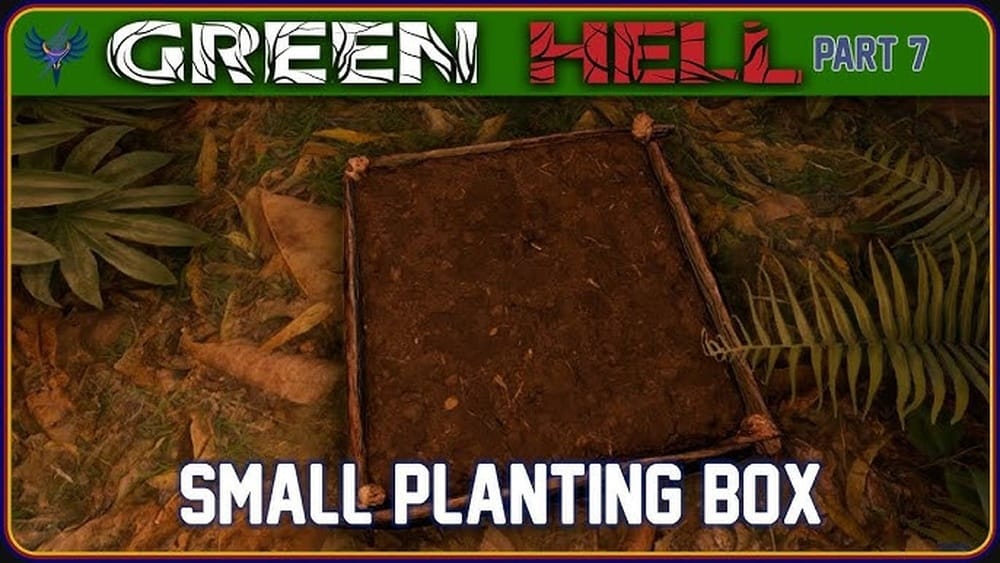
The planting box is a buildable structure in Green Hell. It acts like a small garden, letting you plant and grow various crops. This is important because wild food can be scarce, and hunting takes time and energy. With a planting box, you can have a steady supply of bananas, herbs, or even unknown fruits right next to your base.
Planting boxes also let you grow plants for healing and crafting, such as tobacco and psychotria. This means you don’t need to search the jungle every time you need medicine. The planting box is a game-changer, especially if you plan to survive long-term or play on higher difficulties.
Another advantage is control. Wild plants can be hard to find or disappear after over-harvesting. With your own garden, you decide what to grow and when to harvest. Over time, a few planting boxes can transform your basic camp into a reliable source of food and medicine, making every other survival task easier.
Some players don’t realize that a planting box also helps reduce risk. You spend less time wandering, so you’re less likely to run into snakes, jaguars, or dangerous weather. This is especially helpful in permadeath or hard modes, where one mistake can end your game.
How To Craft A Planting Box
Building a planting box is not complicated, but you need the right materials and some planning. Here’s how to craft one:
1. Unlock The Blueprint
To unlock the planting box, you must find and pick up a seed or fruit in the wild. Once you do this, the blueprint will appear in your building menu.
2. Collect Materials
You will need:
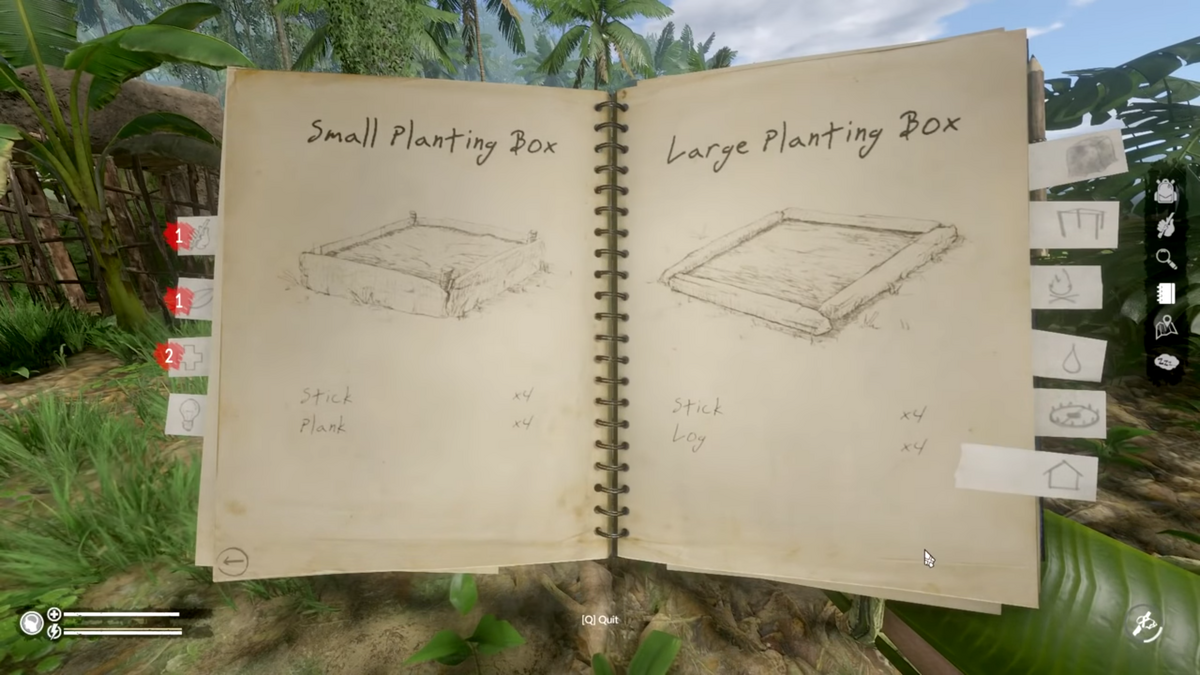
- 8 planks: Chop down trees and use a crafting table to convert logs into planks.
- 2 logs: Cut down medium or large trees for logs.
- 4 sticks: Gather from small trees or bushes.
Logs are heavier and take more effort to transport, so plan a clear path from your chopping site to your building area. Planks can be stacked near your base for later use.
3. Choose A Location
Place the planting box in a flat area near your base. Make sure it’s not blocked by rocks or roots, and has easy access to water.
Look for a spot that gets sunlight and is away from heavy foot traffic. If you plan to build more boxes later, leave enough space between them.
4. Build The Structure
Use your construction menu, select the planting box, and place it. Add the materials one by one until it’s finished.
Sometimes the game can be picky with placement. If you can’t build in your chosen spot, try adjusting the angle or clearing more obstacles.
5. Prepare For Planting
Once built, the planting box is ready for seeds.
Pro tip:
Build multiple planting boxes close to each other. This lets you grow a variety of crops and makes watering and harvesting faster. Grouping boxes can also save you time and help you spot problems quickly.
Extra detail:
If you are playing in multiplayer, you can speed up the building process by having teammates gather materials while you assemble the box. This is a good way to teach new players about teamwork and resource management.

Credit: www.reddit.com
What Can You Plant?
Not every plant or fruit can be grown in a planting box. Here’s what you can plant:
- Banana seeds: Grows banana trees for food and energy.
- Unknown fruit seeds: Can be harvested for hydration and nutrition.
- Tobacco seeds: Useful for crafting bandages against poison.
- Psychotria seeds: Needed for antidotes and healing.
- Cassava: Provides carbohydrates.
- Blue mushroom spores: For energy boosts.
You get seeds by harvesting fruits or plants. For example, eating a banana gives you a banana seed. Always save these seeds; don’t throw them away.
Tip:
Some rare plants, like the Ayahuasca vine, cannot be grown in planting boxes.
More examples:
Unknown fruit is especially valuable because it provides both food and water. Psychotria is critical if you get poisoned, and tobacco bandages can be the difference between life and death after a snake bite.
Non-obvious insight:
Some players overlook cassava, but it is one of the best sources of carbohydrates and is more filling than bananas or unknown fruit. If you find cassava, prioritize growing it as it can keep your energy up during long explorations.
Extra detail:
Seeds can sometimes be found in animal droppings or near abandoned camps, so keep your eyes open for these opportunities. Even spoiled fruit can sometimes give you usable seeds.
How To Plant Seeds
Planting seeds is straightforward, but there are a few steps:
1. Open The Planting Box Menu
Approach your box and interact with it. You’ll see slots for seeds.
2. Insert Seeds
Drag the seed from your inventory into the slot. Each box holds one plant.
Some players try to plant two seeds at once, but this doesn’t work—the box only supports one crop at a time.
3. Watering
After planting, the box needs water. Use a biden (water container) or coconut to pour water.
Rainwater helps, but you should not depend on it, especially during dry seasons.
4. Wait For Germination
The seed will sprout after a while. Some seeds take longer than others.
Non-obvious insight:
Planting boxes can dry out quickly in hot weather. Check them often, especially after rain stops. If you are going on a long trip, water your plants before leaving to reduce risk.
Extra detail:
It is possible to move seeds between boxes if you planted the wrong one, but you must uproot the plant and lose progress. Plan ahead to avoid wasted time.
Practical example:
If you plant a banana seed and forget to water it, you might return to find it hasn’t grown at all. Make checking your boxes part of your daily routine.
Credit: greenhell.fandom.com
Watering Your Planting Box
Water is essential for your crops. If you neglect watering, plants will not grow and may die. Here’s how to manage watering:
- Rainwater: Rain fills the box automatically, but only if it’s not covered.
- Manual watering: Use a biden or coconut shell filled with water. Pour into the box.
- Water requirements: Each box needs about 100 units of water for healthy growth.
Common mistake:
Some players build their boxes under shelter. This blocks rain and forces you to water manually every day.
Advanced tip:
Build your boxes outside, but not too far from your base. This balances rain access and safety.
More detail:
If you have a water collector nearby, you can fill your biden and water your boxes in one trip. This saves a lot of time, especially during dry spells when water is scarce.
Non-obvious insight:
If your box dries out completely, growth stops, but the plant doesn’t always die right away. You may still be able to save it if you act quickly.
Extra tip:
If you have multiple boxes, fill all of them before moving on to other chores. This habit prevents accidental neglect.
Fertilizer And Growth Speed
Fertilizer speeds up plant growth and increases yield. The main fertilizers are:
- Human waste: Found in latrine areas or dropped by the player.
- Animal droppings: Rare but effective.
- Compost: Created from rotting food.
To fertilize:
- Place fertilizer in the planting box slot.
- Growth speed increases by up to 50%.
- Higher yields mean more fruit per harvest.
Data table comparing growth times:
| Plant Type | No Fertilizer | With Fertilizer |
|---|---|---|
| Banana | 3 days | 2 days |
| Unknown Fruit | 2 days | 1.5 days |
| Tobacco | 3.5 days | 2.3 days |
| Psychotria | 3 days | 2 days |
Non-obvious insight:
Fertilizer can also revive wilting plants. If your plant looks sick, add fertilizer before giving up.
Extra explanation:
Not all fertilizers are equal. Human waste is easy to get but smells bad and can attract flies. Compost is safer and can be made by letting food spoil in your backpack. If you have extra fruit or mushrooms, let them rot to create compost.
Advanced tip:
Don’t waste high-value food (like rare mushrooms) for compost unless you have plenty. Use spoiled unknown fruit or banana peels instead.
Plant Growth Stages
Every plant in Green Hell has several growth stages:
- Sprout: The seed has just germinated.
- Young Plant: Small leaves appear.
- Adult Plant: Ready for harvest.
You can track these stages visually. When the plant is ready, fruits appear on the leaves or stems.
Harvest only when the plant is fully grown. Early harvesting reduces yield and may kill the plant.
Extra detail:
If you harvest too soon, you might get only one fruit instead of several. Be patient and wait for the plant to reach full size—usually indicated by a larger, fuller appearance and visible fruit.
Non-obvious insight:
Some plants, like tobacco, may show small flowers or leaves before they’re ready. Don’t harvest until you see the plant’s final form.
Practical example:
For bananas, look for several bunches before harvesting. For unknown fruit, wait until you see at least two or three fruits.
Harvesting And Regrowing
When your plant is ready, interact with it to harvest. Most plants regrow over time if you leave the roots intact.
- Banana trees: Produce bananas every few days.
- Unknown fruit: Regrows faster.
- Medicinal herbs: May take longer, but provide multiple harvests.
Data table showing regrowth times:
| Plant | First Harvest | Regrowth Interval |
|---|---|---|
| Banana | 2-3 days | 2 days |
| Unknown Fruit | 1.5 days | 1 day |
| Tobacco | 2 days | 3 days |
| Psychotria | 2 days | 2 days |
Friendly tip:
Never uproot the plant unless you want to replace it. Let it regrow for a steady supply.
Extra advice:
If you have multiple boxes with staggered planting times, you can set up a rotation. This way, you always have something to harvest every day, avoiding food shortages.
Non-obvious insight:
Regrowth depends on water and fertilizer. If you forget to care for your plant after the first harvest, it may take much longer to regrow or might not regrow at all.
Maximizing Efficiency: Planting Strategies
Planting boxes can be used efficiently if you plan ahead. Here are some strategies:
Crop Rotation
Don’t plant the same crop in every box. Rotate between food and medicinal plants to cover all needs.
Extra detail:
Crop rotation also helps reduce the chance of disease and soil depletion in real life. While this is less of a factor in Green Hell, it still helps you balance your supplies.
Grouping By Water Needs
Some plants need more water than others. Group high-water plants together for easier management.
Example:
Bananas and cassava need more water than tobacco or psychotria. Keep similar needs close together to avoid over- or under-watering.
Multiple Boxes
Build at least 3 boxes:
- One for food (bananas, unknown fruit)
- One for medicine (tobacco, psychotria)
- One for energy (blue mushrooms)
Non-obvious insight:
Having a dedicated energy crop (like blue mushrooms) can save your life during emergencies, especially when you need to stay awake or escape danger at night.
Protection From Animals
Wild animals can sometimes damage boxes. Build fences or place boxes close to your shelter.
Extra tip:
If you notice animal tracks nearby, avoid placing boxes in those spots. Trampled boxes lose crops and waste your effort.
Managing Spoilage
Harvest only what you need. Extra fruit spoils quickly in the jungle heat.
Pro tip:
Store harvested crops in a drying rack or storage box to extend shelf life.
Advanced detail:
If you have excess, share with teammates or trade for other resources. This is especially helpful in multiplayer games.
Solving Common Problems
Many players face issues with planting boxes. Here’s how to solve them:
Plants Not Growing
- Check water levels.
- Add fertilizer.
- Make sure the box is not covered (so it gets rain).
Extra explanation:
Sometimes plants pause growth for reasons that aren’t obvious. Check for bugs, poor soil, or even nearby fire pits that might affect temperature.
Seeds Not Available
- Explore more. Some seeds are rare and need careful searching.
Tip:
Try following animal trails or checking abandoned campsites, as these often have wild fruits or seeds nearby.
Plants Dying
- Could be lack of water or fertilizer.
- Also, avoid planting boxes in very shaded areas.
Extra insight:
If your plant keeps dying, try relocating your box or changing the type of crop. Some areas of the map are simply less fertile.
No Rain
- Use manual watering, especially during dry spells.
Tip:
Keep extra water stored in bidens or coconuts for emergencies.
Pests And Disease
- Sometimes insects attack plants. There’s no direct pesticide, but keeping boxes clean and watered helps.
Experience-based tip:
If you notice leaves turning yellow, water and fertilize immediately. Sick plants can recover if you act fast.
Extra tip:
Remove any spoiled fruit or dead plants to prevent spreading disease to healthy crops.

Credit: www.reddit.com
Best Locations For Planting Boxes
Location affects how well your planting box works. Here’s how to choose:
- Near your base: Easy access for watering and harvesting.
- Open area: More sunlight and rain.
- Away from animal paths: Reduces risk of damage.
Non-obvious insight:
Some areas have richer soil. Look for places where wild plants grow well—your crops will also thrive there.
Extra detail:
If you’re building a large base, consider setting up a dedicated garden area with a water collector and a compost pile for maximum efficiency.
Practical example:
If you find a clearing with a small stream nearby, set up your boxes there for easy watering and good sunlight.
Using Planting Boxes For Survival
In Green Hell, planting boxes are not just for food. They are key to survival in several ways:
- Nutrition: Fresh fruit and carbs are vital. Bananas and cassava prevent starvation.
- Hydration: Unknown fruit helps with dehydration.
- Medicine: Tobacco and psychotria save you from poison and disease.
- Energy: Blue mushrooms can boost stamina when you’re tired.
Data:
Players who use planting boxes effectively survive up to 60% longer in hard mode, according to community stats.
Advanced tip:
Combine planting boxes with traps and drying racks. This creates a self-sustaining base.
Extra insight:
A well-managed garden reduces your stress level in the game, freeing you to explore more, build defenses, or take on missions.
Practical example:
When you wake up hungry and thirsty, you can just walk to your garden and pick breakfast. This daily routine means you are never caught off guard by sudden hunger or sickness.
Advanced Techniques
Once you master basic planting, try these advanced methods:
Seed Farming
Build extra boxes just for collecting seeds. This lets you always have a backup supply.
Extra detail:
You can trade excess seeds with teammates or use them to replant quickly if you lose a crop.
Compost Management
Set up a compost pile near your planting boxes. Use spoiled food to create natural fertilizer.
Tip:
Even bones and shells can sometimes be added to compost for richer soil.
Water Catchment
Build water collectors next to your boxes. This ensures you always have water, even in dry weather.
Non-obvious insight:
If you set up a rainwater collector right next to your boxes, you can fill a biden in seconds and water all your plants in one trip.
Planting Rare Herbs
Some rare herbs can be grown if you find their seeds. Experiment and keep notes on what grows best.
Advanced tip:
Keep a written or digital log of what you plant and how it grows. This helps you spot patterns or problems.
Seasonal Planting
Certain plants grow better in rainy seasons. Plan your planting calendar for maximum yield.
Calm expert tip:
Don’t rush. Let plants grow naturally and check every morning. Patience brings the best results.
Extra insight:
If you replant just before the rainy season, you’ll get faster growth and fewer watering chores.
Comparison: Planting Box Vs Wild Foraging
Here’s how planting boxes compare to foraging:
| Aspect | Planting Box | Wild Foraging |
|---|---|---|
| Food Supply | Steady, controllable | Unpredictable |
| Time Required | Initial setup, then easy | Always searching |
| Safety | Safe at base | Risk of animal attacks |
| Nutrition Variety | Can grow multiple types | Limited by what’s available |
| Medicine | Easy access | Hard to find |
| Energy Cost | Low after setup | High, especially late game |
Straight-to-the-point insight:
If you want a safer, easier life in Green Hell, planting boxes are the answer.
Extra detail:
Foraging is exciting at first, but as the game progresses, wild resources become scarcer. A planted garden will always pay off in the long run.
Planting Box And Multiplayer
In multiplayer, planting boxes become even more valuable:
- Share crops: Each player can harvest and contribute.
- Cooperate on watering and harvesting: Assign roles for efficiency.
- Expand together: Build larger gardens to feed the whole group.
Friendly mentor tip:
Talk to your team and plan what to grow. This avoids shortages and keeps everyone healthy.
Extra tip:
Assign daily chores for watering, harvesting, and fertilizing. This keeps your garden healthy and prevents arguments over missed tasks.
Non-obvious insight:
You can use extra crops to boost team morale. Sharing food and medicine builds trust, which is crucial in tough situations.
Mistakes Beginners Make
Many new players make mistakes with planting boxes. Here’s what to avoid:
- Building under shelter: Blocks rainwater.
- Ignoring water levels: Plants die quickly.
- Planting only one crop: Limits nutrition and medicine.
- Not using fertilizer: Slows growth and reduces harvest.
- Uprooting plants too early: Stops regrowth.
- Forgetting to harvest: Plants spoil and waste resources.
Experience-based guide tip:
Keep a notebook or mental checklist. Check boxes every morning for water and harvest.
Extra advice:
Don’t panic if a plant dies—learn from it and adjust your routine. Even experienced players lose crops sometimes.
Non-obvious insight:
Some players forget to replant after a harvest, leading to empty boxes and wasted time. Always have a few seeds ready for immediate replanting.
Making Your Base Self-sufficient
With planting boxes, you can make your base almost self-sufficient:
- Grow food, medicine, and energy crops.
- Combine with water collectors and traps.
- Store extra harvests in drying racks.
Data:
A self-sufficient base reduces daily travel time by up to 80%. This lets you focus on exploring or defending your camp.
Non-obvious insight:
Self-sufficiency also reduces stress in the game, making survival more fun and less frustrating.
Extra tip:
A well-planned base can also serve as a safe haven for other players or as a checkpoint during long journeys.
Time Management And Planting Boxes
Managing time is key in Green Hell. Here’s how planting boxes help:
- Save time: No need to search for food every day.
- Routine: Check boxes every morning and evening.
- Plan ahead: Plant crops before you run out of supplies.
Pro tip:
Use quiet times (like after rain or before nightfall) to water and harvest. This keeps your schedule balanced.
Extra detail:
If you’re planning a long trip, harvest and store food in advance. This way, you never leave camp hungry or unprepared.
Non-obvious insight:
Efficient gardening frees up hours every week, which can be spent on building, exploring, or crafting advanced gear.
Planting Box Upgrades And Customizations
The basic planting box works well, but you can improve it:
- Build fences: Protect from animals.
- Add water collectors: Easier watering.
- Group by type: Easier management.
Some players decorate their gardens for morale. While this doesn’t affect gameplay, it makes your base feel more like home.
Calm expert tip:
Experiment with layouts. A well-organized garden saves time and energy.
Extra insight:
Try building walkways or using torches to light your garden at night. This looks great and helps you find your crops in the dark.
Planting Box And Game Progression
As you progress in Green Hell, planting boxes become more important:
- Early game: Focus on fast-growing crops.
- Mid game: Start growing medicinal herbs.
- Late game: Build a large garden for full self-sufficiency.
Data:
Players who build planting boxes early survive longer and are less likely to suffer from malnutrition or poison.
Extra detail:
As the game becomes harder, wild food becomes scarce. A well-maintained garden is your best defense against starvation and disease.
Non-obvious insight:
Your planting skills improve over time. As you learn which crops grow best in your area, you can fine-tune your garden for even higher yields.
Real-life Inspiration
Green Hell is inspired by real survival situations in the Amazon. Many indigenous tribes use small gardens to survive. They plant bananas, cassava, and medicinal herbs near their homes.
External link:
To learn more about real jungle gardening, visit Wikipedia.
Extra insight:
These real gardens are carefully planned to avoid pests, maximize harvest, and keep food close to home. The game’s planting box system is a simple version of this ancient technique.
Frequently Asked Questions
How Do I Get Seeds For Planting Boxes?
Seeds come from eating or harvesting wild fruit and plants. For example, when you eat a banana, you’ll get a banana seed. Always keep these seeds in your inventory and use them when you build a planting box.
Extra tip:
Store seeds in a safe, dry place to avoid losing them to spoilage or animal attacks.
Can I Plant Any Fruit Or Herb In The Planting Box?
No, not every plant is compatible. You can plant bananas, unknown fruit, tobacco, psychotria, cassava, and blue mushrooms. Some rare plants, like the Ayahuasca vine, cannot be grown in boxes.
Non-obvious insight:
Experiment with new seeds if you find them. The game sometimes adds new crops in updates.
What Happens If I Forget To Water My Planting Box?
Plants will stop growing and may die if not watered. Rain helps, but manual watering is needed during dry spells or if your box is under shelter. Check water levels every day.
Practical advice:
Set a reminder or daily routine to avoid losing crops by accident.
Is Fertilizer Necessary For Every Crop?
Fertilizer is not required, but it helps plants grow faster and increases harvest yield. Human waste, animal droppings, and compost work as fertilizer. Without fertilizer, growth is slower and harvests smaller.
Extra tip:
Don’t over-fertilize. Too much can waste resources and attract unwanted animals.
Can Animals Destroy My Planting Box?
Rarely, wild animals can damage planting boxes, especially if placed on animal paths. Protect your boxes with fences or build them close to your base for safety.
Extra detail:
Check your boxes after storms or animal sightings to ensure they are undamaged.
Final Thoughts
Using a planting box in Green Hell is one of the smartest choices for survival. It gives you control over your food, medicine, and energy. By following the steps and strategies in this guide, you’ll avoid common mistakes and maximize your harvests.
Whether you play solo or multiplayer, planting boxes turn a hard jungle life into a manageable routine. Remember to check water, use fertilizer, and plan your crops carefully. With time and patience, your garden will become the heart of your camp—helping you survive, thrive, and enjoy the game even more.
Growing your own food is more than just a survival trick—it’s a way to make the jungle feel like home. With a little planning, attention, and care, you’ll find that managing planting boxes is both rewarding and essential for a long, successful game in Green Hell.
Related pick: Check today's price on Amazon