How to Choose the Right Pot Size for Houseplants Guide
Choose a pot 1 to 2 inches wider than the root ball for most houseplants. Use the smaller jump for slow-drying plants and a snugger fit for self-watering or moisture-holding containers. Oversizing raises rot risk and keeps soil wet too long. This guide shows how to size by root ball, watering habits, and container type.
This guide is part of our Houseplant care guide for healthy indoor plants series.
What pot size do you need for a houseplant?
Start with the current grow pot diameter, not the plant’s height. The grow pot diameter is the main sizing reference for houseplants, measured at the rim, and it shows how much root space the plant already has. Then check rootbound signs and decide whether the plant needs a small, normal, or cautious size-up.
Start with the current grow pot diameter
Plants are sized by grow pot diameter and total height, but the rim diameter is the key figure for maturity and fullness. If you are repotting from a 4-inch nursery pot, that number matters more than leaf spread or stem height. It tells you where to begin your next size.
Check the root ball and rootbound signs
Before you buy a larger pot, check whether the plant is rootbound. Roots poking out through drainage holes are a common sign, and a plant pushed up out of the container is another. Those signals mean the current pot is crowded and the root ball needs more room.
Match the new size to the plant’s watering needs
Watering habits should shape the size decision. A plant that dries fast can usually handle a normal step up, while moisture-sensitive plants do better with a tighter increase and a pot that does not hold excess soil volume. A common first-timer mistake is choosing by looks, then watering the same amount in a much larger pot.
Suppose a plant sits in a 6-inch grow pot and the roots are only just filling the pot. A jump to 8 inches is usually safer than a large decorative container that leaves a ring of unused soil. Too much extra mix stays wet longer and makes watering harder to judge.
How much bigger should the new pot be?
For most houseplants, size up one step rather than jumping far ahead. If the current pot is 10 inches or smaller, choose a new pot 1 to 2 inches larger. If the current pot size is over 10 inches, choose 2 to 3 inches larger. Bigger is not better when the root ball is still small.
Use the 1-2 inch rule for pots 10 inches or smaller
Small and medium houseplants usually settle best into a modest increase. A small pot often moves up one size, and a medium pot often moves up another size. This gives the roots room without leaving a broad band of unused wet mix around them.
Use the 2-3 inch rule for pots over 10 inches
Larger pots already hold more soil, so the increase should stay controlled. Once a pot is over 10 inches, a 2- to 3-inch jump is usually the upper limit. That keeps the plant stable while avoiding a container so large that the center of the mix stays wet for too long.
When to stop upsizing for moisture-sensitive plants
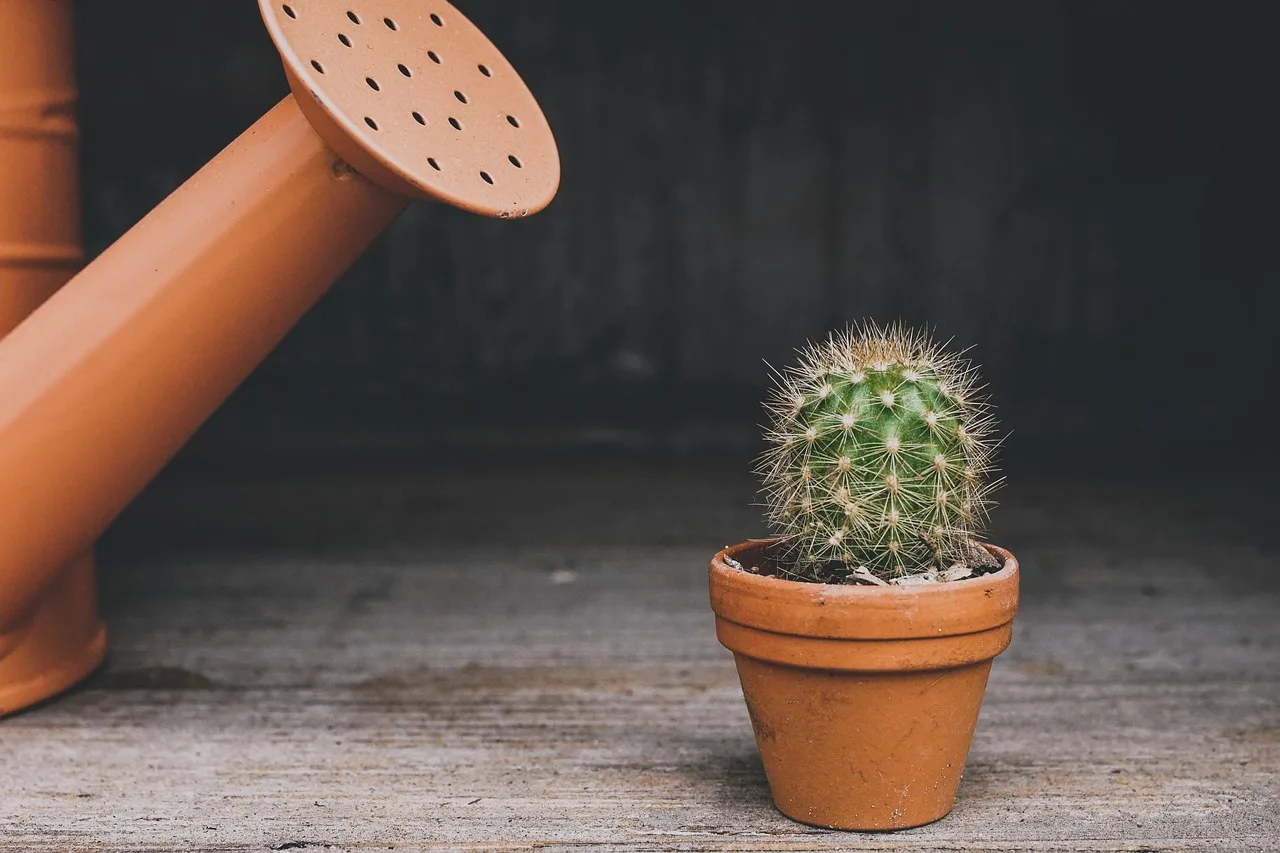
Stop upsizing early for plants that dislike lingering moisture, including many succulents, cacti, and some orchids. For these plants, a slightly snug pot is safer than a generous one. The goal is enough root space for growth, not a soil reservoir that dries slowly and invites rot.
Say your aloe is in a 6-inch nursery pot and the roots are not circling hard yet. A move to 7 inches may be enough. Jumping to 9 inches leaves too much wet soil between waterings, especially in a cool room or a heavy mix.
How do you match a decorative pot to a grow pot?
Measure the grow pot rim first, then choose a decorative pot opening that fits it with room to spare. A decorative pot opening should be about 1 cm larger than the grow pot. For smaller plants up to 14 cm grow pots, the opening should go slightly smaller; for larger plants above 24 cm, you can add 2-3 cm.
Measure the grow pot rim first
The grow pot diameter is what matters here, because it is the part that must slide into the outer container. Do not size the cachepot by leaf spread or by how much filler space seems attractive. If the grow pot will not pass through the opening, the setup will not work.
Leave about 1 cm of opening allowance
That small allowance helps the inner pot sit in the outer pot without scraping or binding. A planter opening that is too tight can make removal awkward and may trap water around the rim. A little slack also helps if the nursery pot has slightly bowed sides or a saucer lip.
Check round, square, rectangular, and oval openings
Opening shape matters as much as width. Round pots are simplest to match. Square, rectangular, and oval planters need enough opening width for the grow pot to pass through, and a planter that tapers strongly at the base may not sit squarely. Check the narrowest point, not the widest rim.
Our picks by need
Best for moisture-sensitive plants: vensovo 8 Inch Clay Pot for Plant with Saucer – 2 Pack, by vensovo

- Natural drainage hole improves airflow and moisture control
- Durable clay material resists cracking and lasts for years
- Breathable design suits moisture-sensitive plants like succulents
Based on the spec sheet and owner feedback, this terracotta option suits plants that need faster drying, such as many succulents. The natural drainage hole and breathable clay help air reach the mix. A drawback: clay dries fast enough that missed watering can become a problem in hot, dry rooms.
The saucer helps catch runoff, which is useful on shelves and windowsills. It is a better fit for plants where you want the pot to dry between waterings rather than hold moisture in reserve.
Best for dry rooms and faster drying: BTPLASTIK Clear Plastic Nursery Pots for Plants, 6 Inch, by BTPLASTIK

- Clear pots let you monitor root growth during repotting
- Drainage holes included for healthy seedling development
- Saucer prevents water spills while catching excess
This clear nursery pot is practical if you want to watch roots and track moisture level more closely. Drainage holes support healthy seedling development, and the included saucer helps with spills. A drawback: clear plastic can show algae, mineral marks, and root exposure more readily than opaque pots.
It works well when you need a straightforward grow pot rather than a decorative cachepot. The clear walls make it easier to judge whether the root ball is filling the container.
Best for heavy or top-heavy plants: YNNICO 12 inch Large Self Watering Plant Pots for Indoor Outdoor Plants, by YNNICO

- Deep reservoir reduces watering frequency for travel or busy schedules
- Mesh drainage holes promote root health and prevent overwatering
- Versatile top/bottom watering options for different plant needs
This larger self-watering pot is useful for plants that benefit from a deeper reservoir and steadier moisture. The removable tray and mesh drainage holes give you more control than a plain decorative pot. A drawback: self-watering setups can hold more moisture than cacti, succulents, and other dry-loving plants want.
It also offers stability for taller plants that might tip in a lightweight pot. For species that like even moisture, the watering margin is easier to manage than with a standard cachepot.
Best for decorative cachepot setups: VIVOSUN 5-Pack 5 Gallon Plant Grow Bags Fabric Pots with Handles, by VIVOSUN

- Prevents root circling for healthier long-term plant growth
- Lightweight handles make moving potted plants effortless
- Breathable fabric reduces overwatering and root rot risk
Fabric grow bags are useful when the outer container is only part of the setup and air flow matters. The breathable fabric helps reduce overwatering and root circling. A drawback: the soft sides need support, so they are not ideal when you want a tidy, rigid decorative look.
These are better for growers who value root health and easy handling over a finished furniture-style appearance. They fit a more functional repotting plan than a showpiece display.
Do houseplants need drainage holes?
Drainage holes are recommended for planters and pots because they reduce the risk of root rot. They matter even more when watering is inconsistent, because excess water needs somewhere to escape. If a pot has no hole, you need another way to manage runoff and avoid saturated soil.
Why drainage holes matter for root rot risk
Without a drainage hole, water can collect at the bottom and keep roots wet for too long. That is especially risky in heavy mixes, cool rooms, and larger pots. A good rule is to avoid filling more than 1/3 of the container with water if you are using a setup that stores runoff.
When a liner changes the setup
A liner can sit inside a decorative pot and protect floors and furnishings. Flexible liners can be trimmed to fit, which helps when the outer pot is slightly oversized or irregular. That said, a liner does not replace the need to think through drainage, watering, and how much water the inner pot can actually shed.
How to adapt if the outer pot has no hole
If the decorative pot has no drainage hole, use it as a cachepot and keep the plant in a nursery pot with holes. Empty any collected water after watering. That setup works best when the grow pot fits the opening well and can be lifted out for drainage.
Which pot material and shape should you choose?
Material and shape change drying rate, weight, and stability. Terracotta dries soil more quickly than plastic pots, so it suits plants that dislike wet soil. Ceramic, plastic, fiberglass, and wood each change how long the mix stays moist and how heavy the finished pot feels.
Terracotta vs ceramic vs plastic
Terracotta is porous and tends to dry faster, which can help moisture-sensitive plants but may mean more frequent watering. Ceramic is usually heavier and can be useful for stability, though glazed surfaces tend to dry more slowly than terracotta. Plastic is light and holds moisture longer, which can help thirsty plants but can hurt rot-prone ones.
Fiberglass and wood as lightweight options
Fiberglass and wood are useful when weight matters, especially for larger indoor containers or shelves that should not carry too much load. They can be practical for tall plants, but the weight savings should not tempt you into choosing an oversize pot. Large light pots can still hold too much wet soil.
Should you choose a deep pot or a wide pot?
Choose the shape that fits the root habit and the plant’s stability needs. Wide pots suit shallow-rooted plants and trailing types that spread laterally. Deep pots suit roots that run downward, but they can store more mix than a plant needs if the root ball is still compact.
Picture a trailing plant in a narrow 8-inch pot with stems spilling over the edge. A wider pot can give the roots room to spread without forcing them into a deep column of damp mix. A tall, top-heavy plant, by contrast, may need extra height or a heavier base for stability.
One-page pot sizing calculator
Use this as a quick buying guide. Measure the current nursery pot at the rim, check the root ball, then match the next pot to the plant’s watering needs and the outer container opening. This keeps the decision based on fit and moisture control, not guesswork.
| Current nursery pot size | Recommended upsizing range | Decorative pot opening allowance | Stop upsizing sooner when |
|---|---|---|---|
| 4 in | 5 to 6 in | About 1 cm larger than the grow pot | The plant is moisture-sensitive or slow-growing |
| 6 in | 7 to 8 in | About 1 cm larger than the grow pot | The mix stays wet for several days after watering |
| 8 in | 9 to 10 in | About 1 cm larger than the grow pot | The root ball still has room and roots are not pushing out |
| 10 in | 11 to 12 in | About 1 cm larger than the grow pot | The plant is a cactus, succulent, or another dry-loving type |
| Over 10 in | 2 to 3 in larger | About 1 cm larger, or 2 to 3 cm for larger plants above 24 cm | You are moving into a moisture-holding or self-watering container |
Mistakes to avoid
Do not go too large too fast. Oversized pots keep soil wet too long and raise rot risk. Do not ignore rootbound signs, and do not use plant height alone as the sizing rule. A tall plant in a small root ball still needs a measured increase, not a dramatic jump.
Do not buy a decorative pot before checking the grow pot opening. Do not assume all materials dry at the same rate. Terracotta dries faster than plastic, and self-watering setups store moisture differently from standard pots. A pot that looks right can still be wrong for the plant.
- Measure the current grow pot diameter at the rim.
- Check for roots poking through drainage holes or a plant pushed up out of the container.
- Decide whether the plant is moisture-sensitive, average, or fast-drying.
- Choose the next pot size: 1 to 2 inches larger for 10 inches or smaller, or 2 to 3 inches larger for pots over 10 inches.
- If using a decorative pot, confirm the opening fits the grow pot and the height will hide it if needed.
- Confirm drainage holes, liner needs, and whether the material matches the drying speed you want.
Frequently asked questions
what pot size for plants
For most houseplants, start with the current grow pot diameter and move up one modest size. A pot 1 to 2 inches wider is the common step for smaller containers, while larger pots usually move up 2 to 3 inches. Skip big jumps unless the root ball has truly filled the space.
what size pot for indoor plant
Indoor plants should be sized from the root ball and the current nursery pot, not from height alone. If the plant is rootbound, size up carefully and keep drainage in mind. Decorative pots also need a wide enough opening to fit the grow pot without forcing it in.
how big should your plant pot be
Your plant pot should be only a little larger than the current root ball for most plants. A snug fit helps the mix dry at a workable pace. If you choose a container that is far too large, the extra soil can stay wet and slow root growth.
How much bigger should a new pot be than the old one?
If the current pot is 10 inches or smaller, choose one 1 to 2 inches larger. If the current pot size is over 10 inches, go 2 to 3 inches larger. That range gives roots room without turning the pot into a water-holding bin.
Do houseplants need drainage holes in the pot?
Drainage holes are recommended because they lower the risk of root rot. They matter most if your watering is uneven or if the mix is slow to dry. If you use a decorative pot without a hole, keep the plant in a holed grow pot inside it and empty any runoff.
How do I match a decorative pot to a grow pot?
Measure the grow pot rim, then choose an outer opening that is about 1 cm larger. Round, square, rectangular, and oval planters all need enough opening clearance for the grow pot to slide in. Check the narrowest point, and make sure the pot will sit squarely.