How to Clean Dust Off Houseplant Leaves Safely at Home
Use the gentlest method that fits the leaf: a soft brush for fuzzy leaves, a damp microfiber cloth for smooth leaves, and a lukewarm rinse for heavy dust. Skip wiping if the leaf is thin, torn, or coated in powder. Wrong cleaning can bruise foliage, strip wax, leave residue, and spread pests. This guide matches leaf texture and dust level to the safest cleaning method, plus the cases where you should not wipe at all.
This guide is part of our Houseplant care guide for healthy indoor plants series.
What you’ll need


- Microfiber cloth for smooth, broad leaves
- Soft paintbrush for fuzzy, velvety, or textured leaves
- Lukewarm or tepid water in a spray bottle, bowl, or sink
- A folded towel around the pot to catch drips
- A hand to support stems and larger leaves
- Optional: a tray, plastic wrap, or foil to protect the potting mix during a rinse
Why dust on houseplant leaves matters
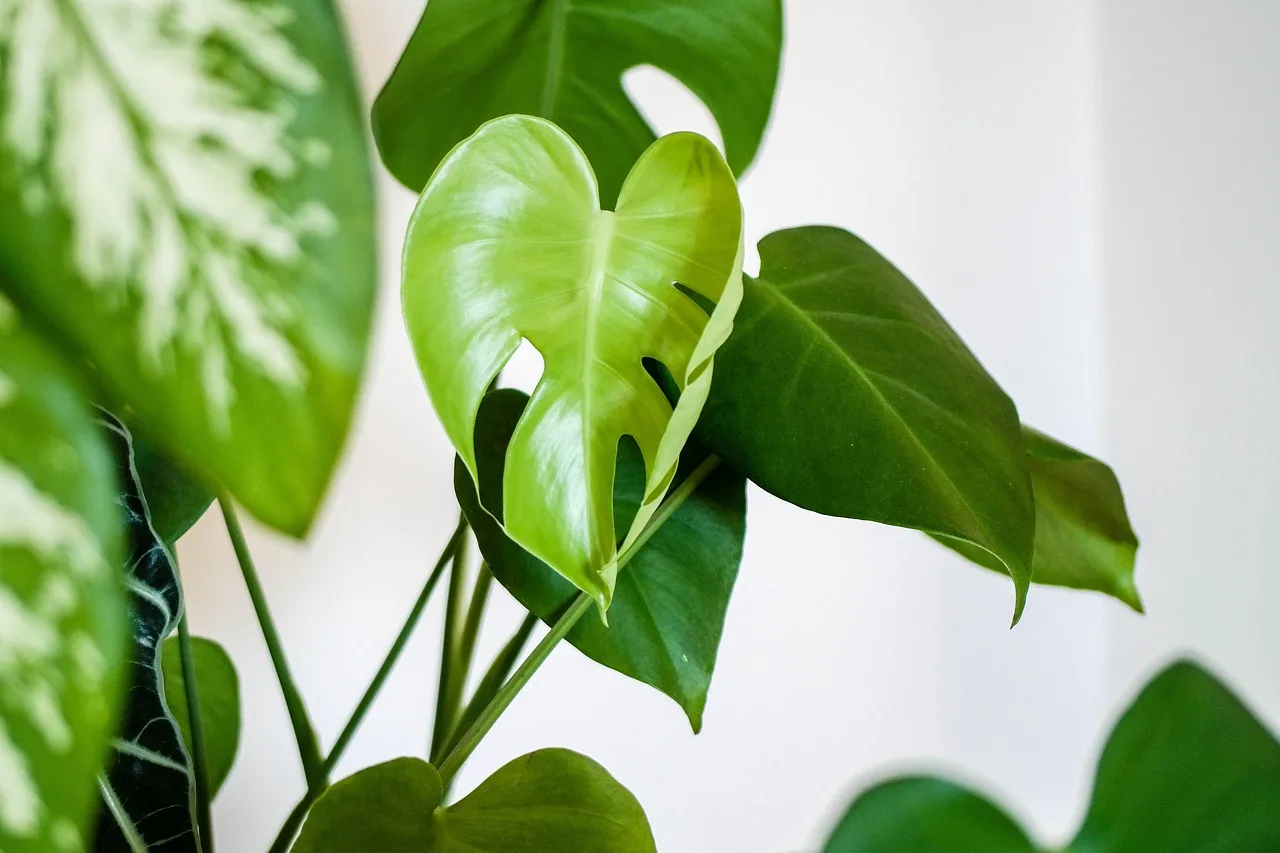
Dust can reduce light absorption and interfere with photosynthesis, and houseplants need to respire. It also sits where water and air move across the leaf surface, so buildup can make foliage look dull long before the plant looks stressed. Broad, smooth leaves show it fastest.
How to tell dust from hard-water residue
Ordinary dust usually looks gray and wipes away with a dry or lightly damp cloth. Hard-water residue is different: it can appear as white spots or a chalky film after spraying or watering. If a simple wipe leaves the mark behind, the problem is not just dust.
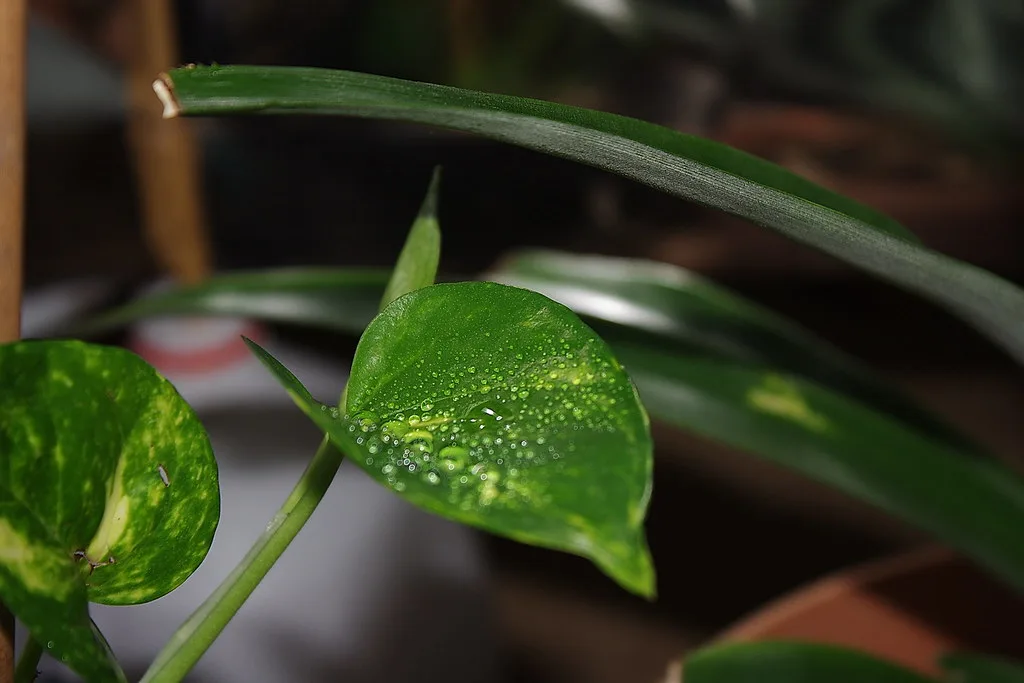
How do you choose the safest cleaning method?
Match the tool to the leaf finish first, then decide how much moisture the plant can handle. Broad, smooth leaves usually tolerate a microfiber cloth; fuzzy or velvety leaves need a light brush; small, compact plants can often take a gentle rinse. Succulents and cacti usually need the least-wet method possible.
Broad, smooth leaves
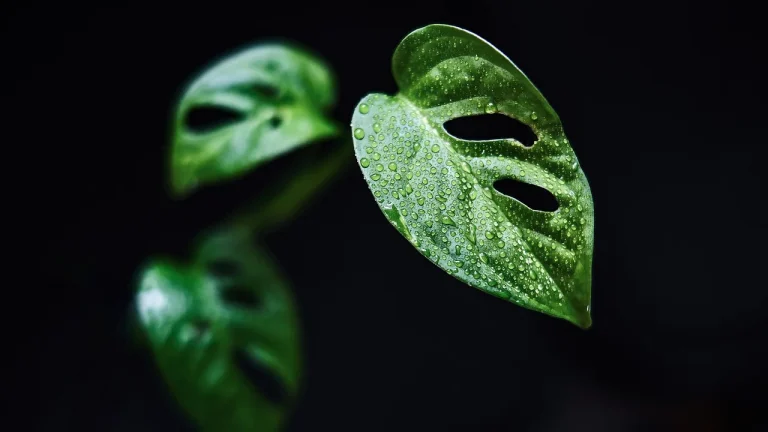
Use a dry or lightly damp microfiber cloth. Wipe gently in one direction so you do not crease or bruise the leaf. This fits broadleaf tropicals such as monstera and rubber plants, which respond well to wiping or a gentle rinse.
Fuzzy, velvety, or textured leaves
Use a soft paintbrush with light strokes in one direction. The goal is to lift dust without flattening leaf hairs. Wiping aggressive fuzz can leave patches that never look the same again, and heavy rubbing can scar the surface.
Compact or small-leaf plants
Use a gentle shower or sink rinse with lukewarm water if the potting mix is stable and the plant is not top-heavy. Plants with many small leaves are often easier to clean this way than by wiping each leaf one at a time.
Succulents and cacti
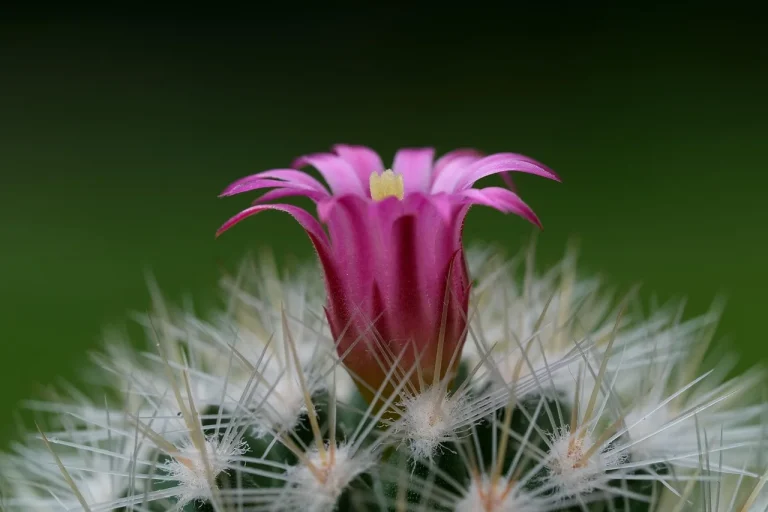
Choose the least wet method that fits the plant, usually a dry brush or very light cloth pass. Avoid soaking crowns, joints, and textured surfaces that trap water. Water sitting in creases can invite rot or spotting.
What you’ll need before you start
- Check leaf texture: smooth, fuzzy, waxy, thin, or very small
- Look for dust level: light film, visible buildup, or white spotting
- Choose the least aggressive tool that fits the leaf
- Make room to support stems and tilt the pot safely
- Prepare a towel or barrier so the potting mix does not splash out
How do you clean dust off houseplant leaves without damaging them?
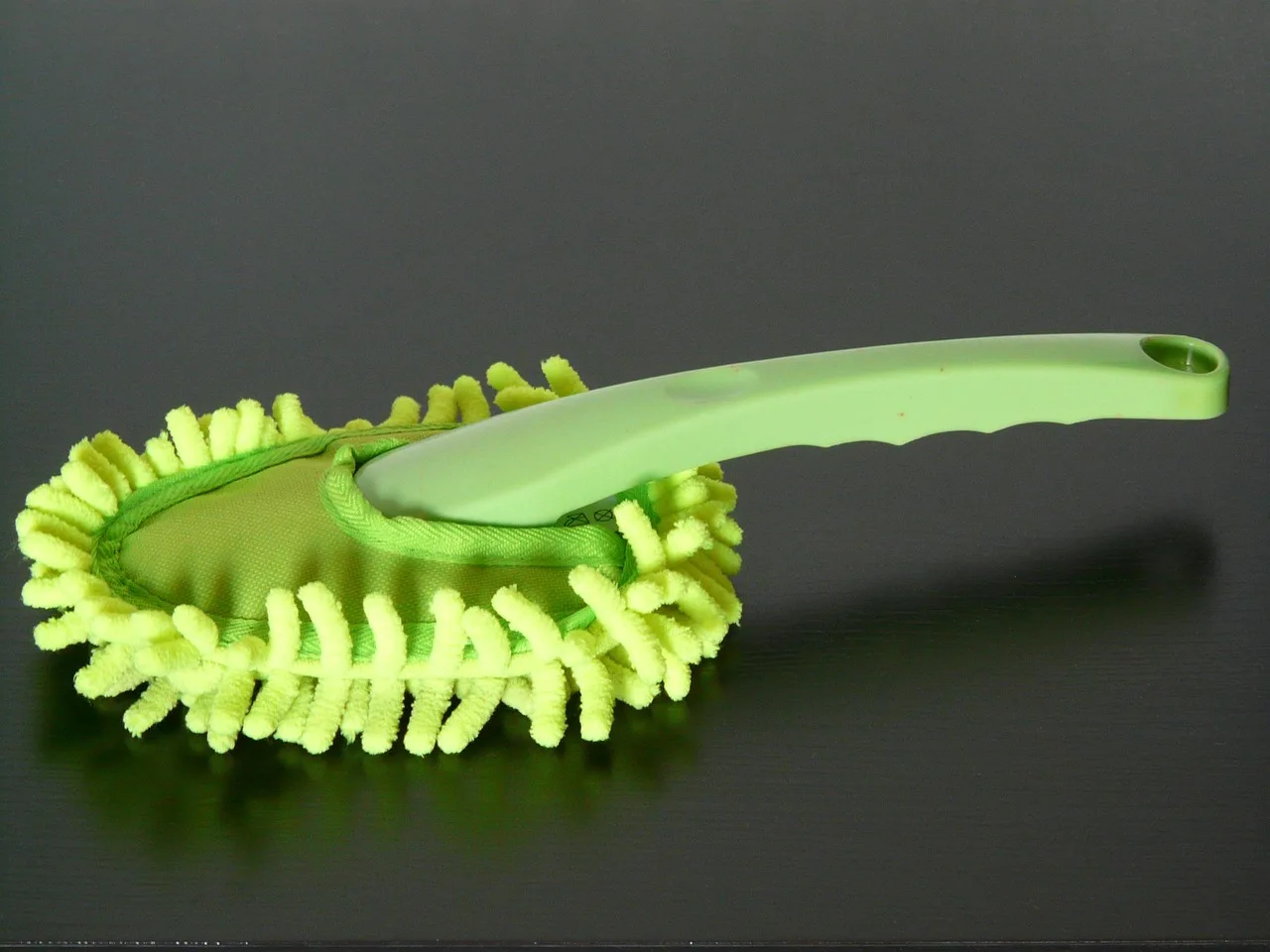
Start with the weakest method that can actually clear the dust. Support the stem, protect the potting mix, and use gentle pressure only. A short, careful workflow keeps leaves from bruising, keeps soil from splashing onto foliage, and helps avoid stem breakage on large plants.
- Inspect the leaf texture and dust level.
- Support the leaf or stem with one hand.
- Cover the potting mix if you plan to rinse.
- Clean with the tool that fits the leaf finish.
- Stop as soon as the surface is clear.
- Let the plant dry naturally in moving air.
Step 1: check the leaf before you wipe
Look for damage, powdery coatings, webbing, or white mineral spots. Thin or torn leaves need a gentler approach than sturdy ones. If the leaf already feels fragile, skip wiping and use a brush or a very light rinse instead.
Step 2: protect the plant before water touches it
If you are using a sink or shower, keep the potting mix out of the spray path. A towel around the pot, plastic wrap, or your hand can help keep soil from washing out. This matters for small pots and for plants with loose, dry mix.
Step 3: clean with light pressure
Wipe smooth leaves with a microfiber cloth that is dry or just slightly damp. Brush fuzzy leaves in one direction. Rinse only when the plant and pot can handle it, and keep water pressure low enough that it does not flatten stems or scatter soil.
Step 4: dry the plant correctly
Let leaves dry naturally in moving air. Keep them out of hot sun after cleaning, because wet foliage can scorch or spot faster there. Good airflow is enough for most plants, and it helps water evaporate without residue marks.
Can I wipe houseplant leaves with water only?
Yes, for many smooth-leaved plants, plain water is often enough if you use a soft, lint-free cloth and very light pressure. Water should be lukewarm or tepid, not cold. Skip water-only wiping on fuzzy leaves, waxy leaves with a powdery bloom, or leaves that tear easily.
When water alone is a good fit
Water-only wiping works best for broad, flat leaves with ordinary dust. It also keeps the houseplant leaf cuticle safer than harsher cleaners, since the cuticle is the protective outer layer and can be damaged by friction or residue. Do not leave puddles behind.
When water alone is not enough
White spotting after spraying or watering may be hard-water residue, not dust. That film may need a different approach than a simple wipe. If the mark does not move with water-only cleaning, do not keep rubbing harder; that is where damage starts.
Can I put houseplants in the shower to clean dust off?
Yes, but only for plants that can handle a rinse. A gentle lukewarm shower or sink rinse works well for compact plants and many small-leaf plants. It is not a universal method, and it can cause trouble if the pot is unstable or the spray is too strong.
Use a shower or sink rinse when
The plant is small enough to move safely, the potting mix is secure, and the leaves are sturdy or densely packed. Plants with many small leaves often clean up faster this way than with repeated wiping, which can miss dust trapped between leaf clusters.
Do not use a rinse when
The plant has very loose soil, a fragile crown, or fuzzy leaves that should not be wetted heavily. High pressure can blast soil out of the pot and leave grit on foliage. A light brush is safer in those cases.
What should I use to clean fuzzy houseplant leaves?
Use a soft paintbrush and light strokes in one direction. Fuzzy, velvety, or pubescent leaves rely on tiny hairs, and aggressive wiping can flatten them. A brush lifts dust without polishing off the texture that gives those leaves their look and function.
Failure-case checklist for fuzzy leaves
- Do not wipe aggressively.
- Do not spray heavily.
- Do not use cloths that snag or shed lint.
- Do not rub to remove every speck in one pass.
- Do stop if the leaf surface starts to look matted.
Picture a velvety leaf with dust in the hairs
Picture a medium African violet leaf with gray dust caught in the fuzz. A cloth would press the hairs flat. A soft brush moved from the midrib to the edge lifts the dust while leaving the surface upright and even.
What should you not use on plant leaves?
Avoid leaf-shine sprays, oily coatings, harsh cleaners, and rough wiping tools. These can damage the cuticle, leave residue, or clog leaf surfaces. Cold water shocks and strong pressure are also poor choices, especially on thin or tender foliage.
Leave these out of routine care
Olive oil, coconut oil, and cooking sprays can trap dust and block leaf surfaces. Commercial leaf-shine products can create a glossy coating that may interfere with leaf function. Vinegar solutions need caution because too much can burn houseplant leaves.
Also skip these tools
Paper towels can be too rough, and vigorous rubbing can bruise or crease leaves. Compressed air is risky and best reserved for specific situations. It can scatter dust into nearby foliage or push debris deeper into tight growth.
A one-page cleaning decision chart by plant type
| Plant type | Leaf texture | Recommended tool | Water temperature | Do not use |
|---|---|---|---|---|
| Broadleaf tropicals like monstera and rubber plants | Broad, smooth, often glossy | Microfiber cloth; gentle rinse if the pot is stable | Lukewarm or tepid | Leaf-shine sprays, oily coatings, rough paper towels |
| Trailing plants | Mixed leaf sizes, often thin stems | Microfiber cloth for larger leaves; soft brush for crowded growth | Dry or lightly damp; rinse only if stems are secure | Strong spray, heavy rubbing, cold water |
| Succulents and cacti | Waxy, fleshy, or spined | Very soft brush or nearly dry cloth | Usually none; keep water minimal | Soaking, blasting, oily sprays, frequent wet rinses |
| Fuzzy or velvety plants | Pubescent or textured | Soft paintbrush | Dry cleaning preferred | Wiping hard, heavy misting, cloths that flatten hairs |
What the chart should tell you
The right method depends on leaf finish and plant size, not just how dusty the plant looks. Broadleaf tropicals and small-leaf plants can take more moisture than velvety foliage. Succulents and cacti usually need the least wet method that will still clear the surface.
How often should you clean your houseplant leaves?
Inspect leaves every one to two weeks and clean when dust is visible. Frequency changes with room conditions. Plants near vents, in homes with pets, or in low-light corners often collect dust faster and may need more frequent attention than plants in cleaner, brighter rooms.
Room conditions that change timing
Air moving from vents can carry lint and debris onto leaves. Pet dander adds more buildup. Low-light placement makes dust more noticeable because it stands out on leaves and the plant cannot use strong light to compensate for surface buildup.
When a white film is not ordinary dust
Hard water can leave white spots on leaves after nursery spraying or indoor watering. If you see that film often, inspect your watering habits and water source. A wipe may remove dust, but mineral residue may need a separate fix.
Common mistakes and warning signs
Most cleaning problems come from using too much force, too much water, or the wrong tool for the leaf. Bruised edges, creases, flattened fuzz, and soil splashed onto foliage are signs to back off and switch to a gentler method.
- Bruised or creased leaves: lighten pressure and use microfiber only on sturdy, smooth foliage.
- Flattened fuzz: stop wiping and switch to a soft brush.
- Soil splashed onto leaves: shield the potting mix before the next rinse.
- White spotting after rinsing: check for hard-water residue instead of assuming more dust.
- Leaf dullness returns fast: inspect vents, pets, and nearby dust sources.
A common first-timer mistake is rinsing a small pot under a strong shower stream. The plant may end up with soil on the leaves and a tilted root ball. A sink rinse with one hand supporting the plant is safer for that size.
Suppose a rubber plant has 12-inch leaves coated in gray dust from a nearby vent. A dry microfiber cloth clears the leaf quickly, but if the same plant has white mineral spots, the fix is not more wiping. That calls for checking the water source and cleaning method separately.
Frequently asked questions
How do you clean dust off houseplant leaves without damaging them?
Choose the mildest method that fits the leaf: microfiber for smooth leaves, a soft brush for fuzzy leaves, and a lukewarm rinse only for sturdy plants that can handle it. Support stems, keep the potting mix covered, and stop as soon as the dust lifts.
Can I wipe houseplant leaves with water only?
Yes, for many smooth, broad leaves. Use a lightly damp microfiber cloth, not a dripping one, and wipe once or twice with gentle pressure. Water-only wiping is a poor fit for fuzzy, powdery, or very thin leaves that can bruise or streak.
What should I use to clean fuzzy houseplant leaves?
Use a soft paintbrush with light strokes in one direction. That keeps leaf hairs upright and avoids flattening the surface. If the plant is very dusty, do two light passes instead of pressing harder on the first one.
Are leaf shine products safe for houseplants?
Generally no. Commercial leaf-shine products can create a glossy coating that may interfere with leaf function, and oily home remedies can trap dust and block leaf surfaces. If a leaf needs cleaning, use water, a cloth, or a brush instead.
How often should I clean my houseplant leaves?
Inspect leaves every one to two weeks and clean when dust is visible. Increase the pace if the plant sits near a vent, lives with pets, or stays in a low-light spot where buildup is easier to see and harder for the plant to outgrow.
Can I put houseplants in the shower to clean dust off?
Yes, for small or compact plants with stable pots and sturdy foliage. Use lukewarm water, keep the stream gentle, and shield the potting mix. Skip this method for loose soil, fragile crowns, or fuzzy leaves that need dry cleaning instead.