Why Houseplant Leaves Get Crispy Tips and How to Fix Them
Brown, crispy leaf tips often come from a few common causes such as dry air, mineral-heavy water, uneven watering, fertilizer salt buildup, or root congestion; it can help to check them in that order before changing care. Ignore the pattern and the plant keeps taking stress while new growth can come in distorted. This guide gives a symptom-first check for each cause, plus the fix that fits what the plant is telling you.
What you’ll need


- Clean plant snips
- A small ruler or chopstick for checking root crowding
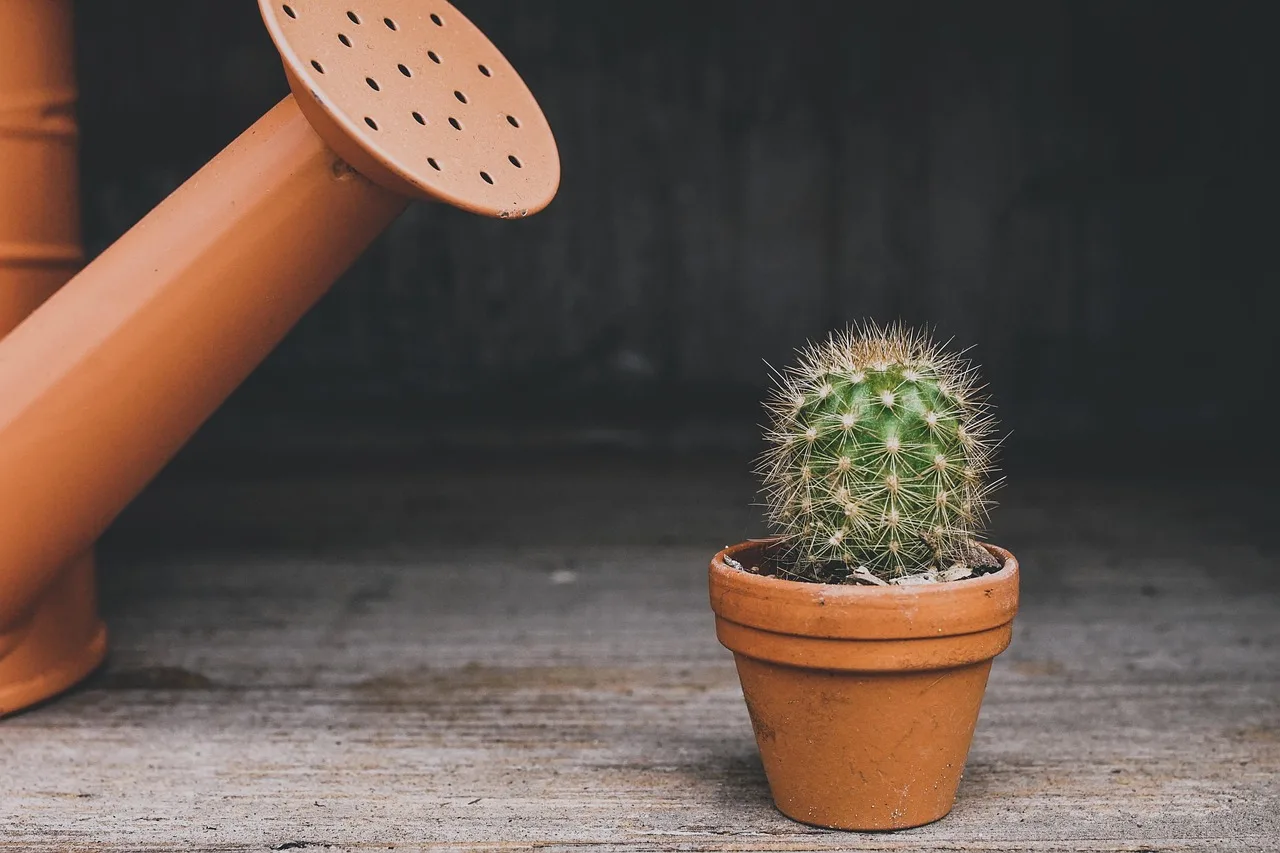
- A watering can with a narrow spout
- Fresh potting mix and a pot with drainage holes
- Distilled water or rainwater for comparison
- A notebook or phone camera to track changes
Why do my houseplant leaves get crispy tips?
Brown, crispy tips usually mean the leaf lost water faster than the plant could replace it, or salts built up where the roots absorb water. Low humidity, tap water minerals, inconsistent watering, fertilizer burn, and root crowding are common suspects. The fastest fix is to match the damage pattern before changing care.
Read the pattern first
- Tips and edges brown first: think dry air, salts, or fertilizer.
- Random leaves crisp after drying out too long: think watering pattern.
- Damage continues after watering improves: think water quality or roots.
- New growth twists or stalls: think root congestion or fertilizer stress.
What you’ll need
- Check the top layer of soil with a finger or chopstick.
- Inspect the leaf pattern from newest to oldest growth.
- Look for roots at drainage holes or across the soil surface.
- Compare tap water use with distilled water or rainwater.
- Review recent fertilizer use and whether it hit dry soil.
- Use snips only after the cause is corrected.
Why are my plant leaves crispy even when I water them?
Watering more often does not fix every crispy-tip problem. If the root ball still dries too far between waterings, if the pot sheds water unevenly, or if roots are packed tight, the plant can still dry out at the leaf edge even when the schedule looks generous. Salt buildup can do the same.
Underwatering, low humidity, or both?
- If only the top two or three inches are dry, the plant may be due for watering.
- If the root ball is dry in patches, small amounts of water may be leaving dry pockets in soil and brown crispy tips.
- If dry air hits tropical houseplants first, low humidity is part of the problem.
Fix in order
- Water evenly around the pot until water runs out of the drainage holes.
- Repeat only when the top layer dries and the pot feels lighter.
- Move humidity-sensitive tropical plants away from heaters, vents, and very dry rooms.
- Track new growth for two weeks before changing anything else.
Can tap water cause brown leaf tips on houseplants?
Yes. Tap water can leave behind salts and other dissolved minerals in the potting mix, and buildup may show up as brown, crispy leaf tips. If the plant improves for a while after watering changes, then stalls again, water quality is a strong candidate. Distilled water or rainwater can be useful comparison water.
When water quality is the likely cause
- Tips brown even though the soil moisture looks right.
- Older leaves keep edging brown after watering is corrected.
- White crust appears on the soil surface or pot rim.
- Several plants in the same water source show the same symptom.
Can too much fertilizer burn houseplant leaves?
Yes. Too much fertilizer can burn roots and leave brown, crispy edges, especially if feed is applied to dry soil. Use diluted fertilizer in water, and skip winter feeding unless the plant is actively growing. If salt buildup is already present, stop feeding and flush the pot before adding anything else.
Fix in order
- Stop feeding for the moment.
- Water once with plain distilled water or rainwater until excess drains out.
- Resume with diluted fertilizer only during active growth.
- Never apply fertilizer to dry soil.
How do I know if my houseplant is root bound?
A root-bound plant has crowded roots with little room to expand, and roots may be visible at drainage holes or on the soil surface. That tight root mass reduces water and nutrient uptake, so the plant can show crispy tips even when you water correctly. Poor soil-to-root ratio adds the same stress.
What to check
- Roots circling inside the pot.
- Roots poking from drainage holes.
- Water running straight through too fast.
- Soil drying out much faster than it used to.
Drainage holes are non-negotiable
Drainage holes let excess water leave the pot, cut down wet feet, and lower root rot risk. A pot without them can trap soggy soil, while a pot that is too small for the root mass can swing from bone dry to waterlogged in the same week. Both patterns stress leaf edges.
This guide is part of our Houseplant care guide for healthy indoor plants series.
Fix in order
- Slip the plant out and inspect the roots.
- Repot one size up if roots are crowded.
- Use fresh mix so the soil-to-root ratio is better balanced.
- Water in evenly after repotting until it drains.
Crispy-tip triage table
| Symptom pattern | Likely cause | First action | What would rule it out | Fix in order when causes overlap |
|---|---|---|---|---|
| Leaf tips and edges brown first, mainly on tropical plants | Low humidity | Move away from heaters and vents | New growth stays crisp in a humid room | Humidity change, then watering review, then salt check |
| Tips worsen after routine tap watering | Water quality | Switch one watering cycle to distilled water or rainwater | No change after repeated comparison waterings | Water quality, then flush salts, then inspect roots |
| Some areas stay dry even after watering | Inconsistent watering | Water evenly around the pot | Soil stays evenly moist and damage continues | Water pattern, then salts, then root crowding |
| Brown edges follow recent feeding | Fertilizer burn | Stop feeding and flush once | No fertilizer used for weeks | Flush salts, then pause feeding, then check roots |
| Roots at holes, fast dry-down, cramped growth | Root bound | Repot into fresh mix | Roots look loose and soil volume is ample | Repot, then reset watering, then restart light feeding |
How do I fix brown crispy edges on indoor plants?
Fix the cause first, then trim damage. Brown edges usually do not recover, but the plant may stop making more if you correct air, water, fertilizer, or root crowding. If several problems overlap, handle salts and watering before repotting, since a stressed root system can react badly to extra changes.
Common mistakes
- Misting instead of changing the real cause.
- Feeding a stressed plant before checking the soil.
- Leaving roots packed into a pot that is too small.
- Removing too much damaged foliage at once.
- Watering on a calendar instead of checking the pot.
Should I cut off crispy leaf tips or whole leaves?
Use clean snips to remove crispy leaves or browned edges after the cause is corrected. Leave green tissue in place when possible, and do not remove more than 30% of affected leaves at once. Whole leaves come off cleanly only when most of the blade is brown or collapsing.
Prevention
Flush salts from pots periodically when you fertilize or use tap water often, and water until excess runs out of the drainage holes so buildup does not sit in the root zone.
If that didn’t work, try this next

If humidity, watering, fertilizer, and water quality all look correct, move to the pot. Root congestion and poor soil volume can keep the plant from taking up water even when the surface looks fine. Repot into fresh mix with drainage holes, then watch the next two leaves that emerge.
- Remove the plant from the pot.
- Loosen circling roots gently.
- Trim only dead, mushy roots.
- Repot in fresh mix with drainage holes.
- Water through once, then let excess drain fully.
Frequently asked questions
Why do my houseplant leaves get crispy tips?
Brown tips usually point to dry air, mineral-heavy water, uneven watering, fertilizer salt buildup, or crowded roots. Check them in that order. If the tips keep spreading after one fix, move to the next likely cause instead of repeating the same treatment.
Is crispy leaf tip damage from underwatering or low humidity?
It can be either, or both. If the soil dries too far between waterings, start there; if humidity-sensitive tropical plants are near heaters or vents, dry air is a strong second suspect. Water evenly around the pot until it drains, then correct the room air if needed.
Can tap water cause brown leaf tips on houseplants?
Yes. Tap water can add salts, chlorine, minerals, and fluoride to the pot, and built-up minerals can rapidly show up as brown crispy leaf tips. Try one watering cycle with distilled water or rainwater and compare the next week’s new growth before changing anything else.
How do I know if my houseplant is root bound?
Pull the plant from the pot and look for roots circling the outside, roots at drainage holes, or roots pushing across the soil surface. If the soil volume looks small for the root mass, repot one size up with fresh mix and drainage holes.
Should I cut off crispy leaf tips or whole leaves?
Trim only after the cause is fixed. Use clean snips for browned edges, and remove whole leaves only when most of the blade is dead. Keep the cutback light and avoid taking more than 30% of the affected foliage in one pass.
How often should I flush salts from houseplant soil?
Flush when fertilizer use or tap water leaves crust, or whenever crispy tips keep returning after watering looks correct. Run plain water through the pot until it drains freely, then let the mix dry to its normal range before feeding again.