Can You Bring a Lemon Tree Inside for the Winter?
Yes, bring a potted lemon tree indoors for winter if you can give it bright light, cool temperatures, and a clean, pest-free spot. Guidance from extension sources commonly points to cool overwintering temperatures, reduced watering, and strong light as the main factors that help container citrus avoid decline indoors. Without those conditions, lemon trees may drop leaves, attract scale or mites, and push weak growth that struggles all season.
Indoor vs protected outdoor winter care
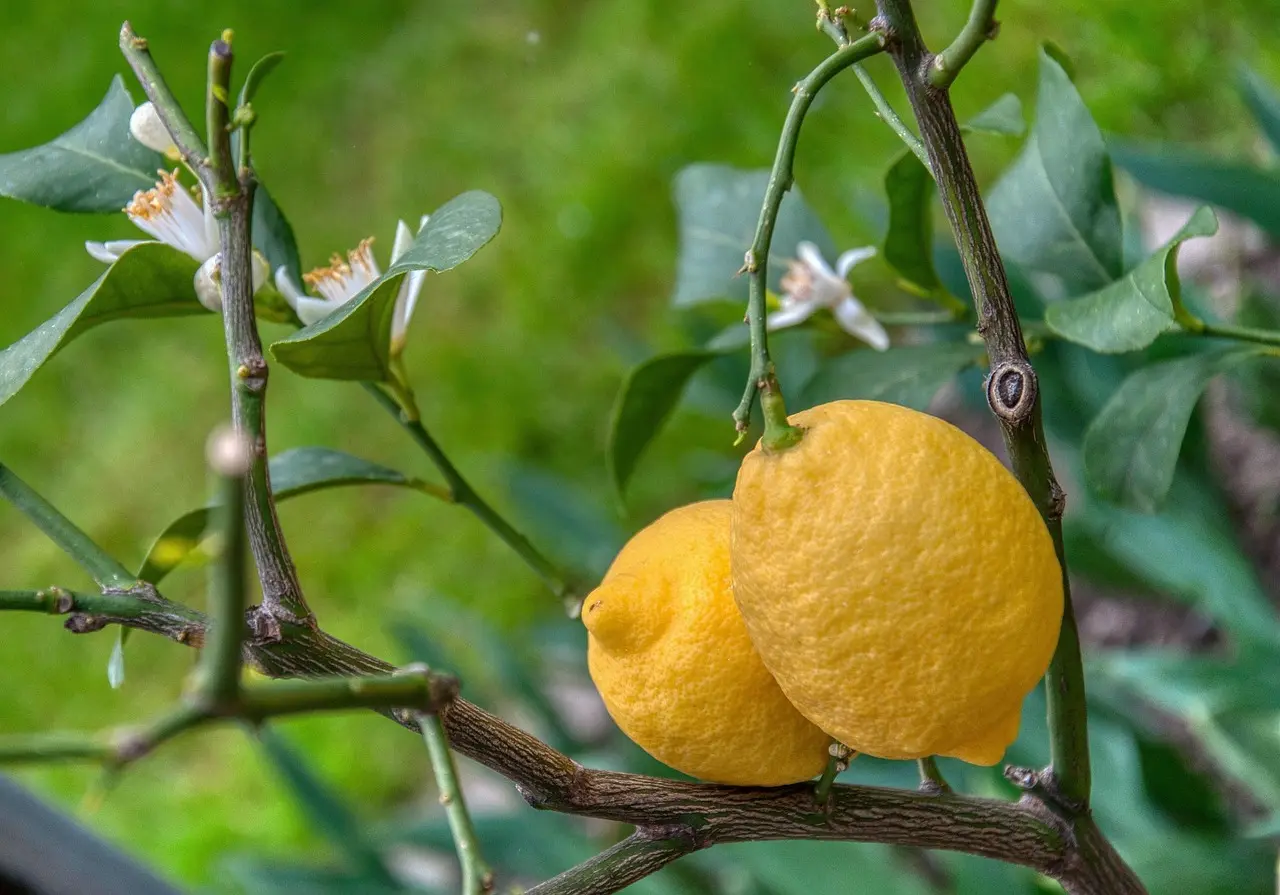



Yes. A container-grown lemon tree is easier to move than one planted in the ground, and that is the main reason winter overwintering works at home. Bring it inside before frost, or before temperatures stay cold long enough to stress it. Extension guidance for container citrus generally recommends moving plants before hard freezes or sustained cold weather reaches the root zone.
Meyer lemon is often considered one of the more cold-tolerant common home lemon types, and it can be overwintered indoors or outdoors with protection. It can also fruit in winter, but fruiting depends on light, temperature, and the tree’s current state. Do not expect every tree to set fruit indoors.
When indoor overwintering makes sense
Choose indoor overwintering if you can give the tree bright light, moderate coolness, and enough space to check for pests. Extension and citrus sources commonly place the best overwintering range in the cool zone, roughly 40 to 50°F, with lower growth pressure than in a heated room. A brighter indoor setup can work too, but keep it below 65°F if possible.
When a protected outdoor spot is the better call
If you cannot provide strong indoor light, a cool room, or regular pest checks, a protected outdoor microclimate may be safer. Wrapped outdoor setups and warm-wall placements can work in places where winters are mild and brief. The tree still needs shelter from hard freezes and prolonged cold, especially because citrus roots are more vulnerable in containers than in the ground. Fleece, cardboard, and styrofoam can help reduce exposure and buffer the pot, but they are only partial protection during freezing events and may not be enough on their own if cold is severe or prolonged.
What you’ll need before moving it
- A bright room, cool greenhouse, or sheltered outdoor site
- A pot with generous drainage holes
- A footed stand or wheeled base to keep the pot off wet surfaces
- Row cover fabric or fleece for outdoor protection
- Cardboard and styrofoam for extra insulation around the pot
- Pruning shears for light cleanup only
- A hand lens or strong phone light for pest checks
- Insecticidal soap or another standard control for visible pests
How do you bring a lemon tree inside for the winter?
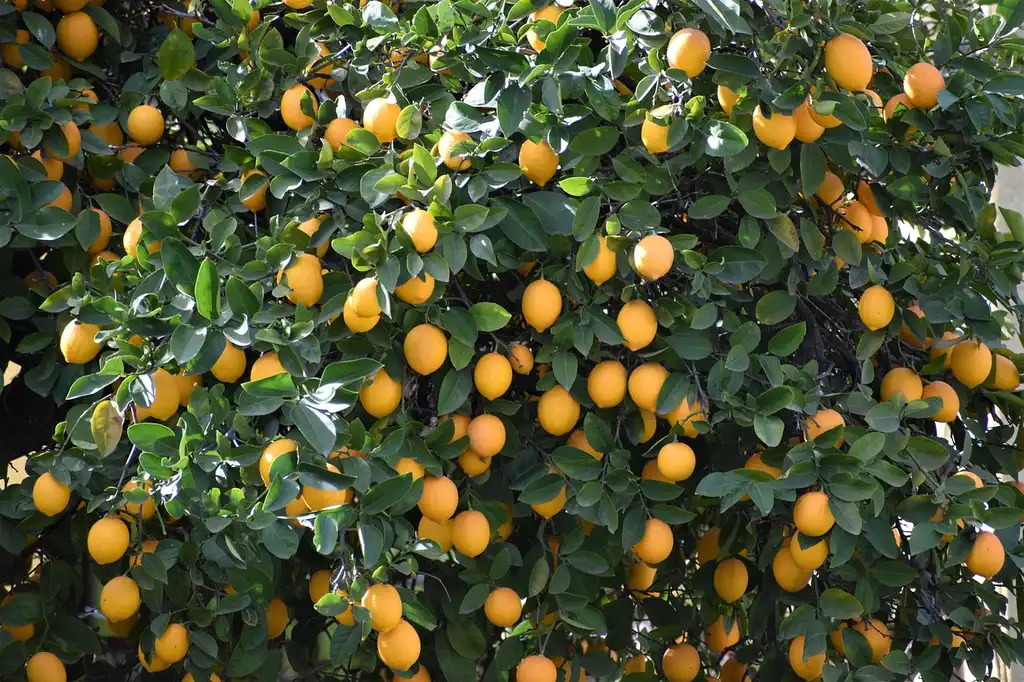
Move it in before frost or when local temperatures start to stay near the danger zone. Start by choosing the winter site, then inspect for pests, trim only what is clearly dead or crossing, and move the pot into a stable position with good drainage. The goal is slower winter growth, not active growth.
Step 1: Pick the overwintering setup
Match the setup to the temperature you can hold. Cool, bright, ventilated spaces are best for winter rest. Heated rooms can work, but they push softer growth and need more light and water. Outdoor protection works only if the site stays sheltered and drier than open air.
| Setup | Target temperature | Watering cadence | Light | Pruning level | Risk of leaf drop or pests |
|---|---|---|---|---|---|
| Cool room or unheated greenhouse | 40 to 50°F | Twice a month | Bright, well-ventilated spot | Light maintenance only | Lower if the space stays cool and airy |
| Heated indoor room | Up to 65°F, not warmer | Once a week | Brightest window available | Very light cleanup only | Higher, especially if air is warm and dry |
| Wrapped outdoor location | Protected from hard frost | About once a month on mild days | Strong ambient light | Minimal | Moderate, depending on cold snaps |
| Warm-wall outdoor location | Best when nights stay mild | Once a month on warm days | Sunny wall exposure | Minimal | Moderate to higher if wind or freeze hits |
Step 2: Inspect for pests and prune lightly
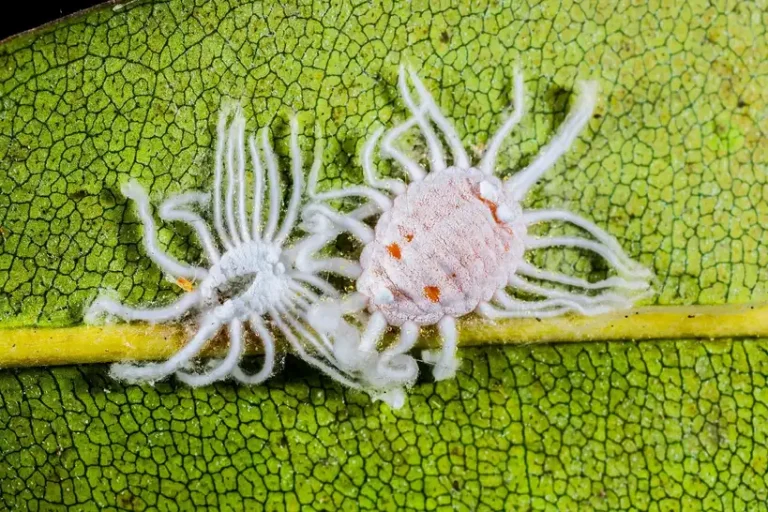
Check the underside of leaves, the leaf joints, and the pot’s water collector. Extension publications on citrus pests repeatedly flag scale insects, spider mites, and aphids as the most common indoor overwintering problems because they spread quickly in dry, still air. Remove dead wood and crossing branches only. Keep branches that still carry lemons unless they are damaged.
Step 3: Set the pot up for drainage
Make sure water can escape fast. A pot with good drainage holes, raised on feet or set on a wheeled base, helps prevent waterlogging. Citrus guidance from extension sources stresses drainage because roots sit in damp soil longer in winter and are more prone to rot if the mix stays wet.
Step 4: Move it into the chosen winter site
Place the tree where temperature and light match the setup you chose. For indoor overwintering, a bright south- or west-facing window is better than a dim room. For outdoor protection, add fleece or row cover fabric, plus cardboard or styrofoam around the container if cold reaches the roots first.
When should I bring my lemon tree inside for the winter?
Bring it inside before frost or when temperatures start to stay near the danger zone. Extension sources and citrus growers commonly use the low-40s as the practical move-in window, with temperatures around 40 to 43°F serving as a useful signal that container citrus should be protected rather than left exposed. That gives you a practical window to act before stress starts.
Do not wait for the first freeze if the tree is already showing cold damage or if cold weather is forecast for several nights in a row. In mild climates, a protected outdoor setup may still work, but the tree should be sheltered before prolonged cold arrives.
At what temperature should you bring a lemon tree inside?
A practical trigger is about 43°F, and temperatures near 40°F are a strong warning point in extension and citrus guidance for many container lemons. If temperatures are heading toward that range, move the tree or protect it immediately. Once inside, avoid indoor heat above 65°F, because warmer conditions can push weak winter growth.
Meyer lemon can handle the same basic winter limits as other container lemons, but it is often treated as a somewhat more cold-tolerant common home variety. That makes it a better candidate for marginal climates, not a free pass to leave it exposed.
How much water and light does it need indoors?
Indoors, water only when the soil is dry, and adjust the cadence to room temperature. In a cool room or unheated greenhouse, watering may be needed less often. In a heated room indoors, it can be more frequent. Bright light is still needed, and citrus extension sources routinely recommend the brightest available window or supplemental light for indoor winter care.
Water only after the soil dries
Check the top layer and then go deeper with a finger. If the pot still feels damp, wait. A cool overwintering zone slows root activity, so the tree uses less water. In a warm room, the soil dries faster and the tree loses more moisture through leaves. Extension guidance on citrus winter care generally recommends letting the surface dry before watering again rather than following a fixed schedule alone.
How much light to aim
Bright light is preferred indoors. Citrus authority and extension sources commonly advise at least six hours of direct sun for strong growth, with more light needed if the tree remains active in a heated room. If your tree sits in a heated room, place it at the brightest window you have and rotate the pot if one side leans.
Say your Meyer lemon sits in a cool spare room at 45°F and the pot feels dry halfway down after two weeks. Water once, let excess drain fully, and recheck the soil before adding more. That temperature change matters more than pot size alone.
Can you prune a lemon tree in winter?
Yes, but only lightly. Winter pruning should remove dead wood and crossing branches, and it should stop there. Heavy pruning can push soft new growth that is poorly suited to winter light and temperature. Keep any branches that are still carrying lemons unless they are damaged.
Use clean shears and make small, targeted cuts. Avoid shaping the tree hard in winter. If the tree needs major size reduction, wait until active growth resumes and light levels improve.
Can you repot a lemon tree in winter?
Usually no, unless there is a repair need such as broken drainage, root rot, or a pot that is failing. Winter is a poor time for a major root disturbance because the tree is already slowing down. If repotting cannot wait, handle it gently and keep the root ball as intact as possible.
Can you transplant a lemon tree in winter? The same caution applies. Move it only if the container is damaged, roots are circling so tightly that water will not soak in, or the current pot cannot be protected from cold and wet.
What temperature range is best for overwintering a lemon tree?
The best overwintering range is 40 to 50°F in a cool, bright, ventilated spot. Extension and citrus sources use this range because it supports winter rest and reduces the push for tender new growth. If the tree must stay indoors in a heated room, keep it below 65°F and give it the brightest light available.
A warm indoor room can keep the tree alive, but it is not the best winter setup. Warmth without enough light increases leaf drop risk and can invite pests, especially if the air is dry and still.
Common mistakes
These errors cause most winter problems. The fixes are straightforward, but they work only if you catch them early.
- Moving the tree into a warm, dim room – This drives weak growth. Choose the brightest cool site you have, or use a protected outdoor setup instead.
- Overwatering in winter – Wet soil lingers when growth slows. Water only after the soil dries, and match frequency to temperature.
- Skipping the pest check – Scale, mites, and aphids spread quickly indoors. Inspect leaf undersides and the pot area before the move.
- Pruning too hard – Big cuts trigger tender shoots. Remove dead wood and crossing branches only.
- Repotting without need – Winter root disturbance can stall the tree. Wait unless the pot or roots need urgent attention.
Suppose a potted lemon is wrapped outdoors against a warm wall and the forecast turns colder for three nights. Add fleece or row cover fabric before the cold arrives, then check the pot again after the stretch passes. The tree’s leaves may stay put if the roots stay insulated.
Frequently asked questions
Can you bring a lemon tree inside for the winter?
Yes. A potted lemon tree can come inside if you can give it bright light, cool air, and good drainage. If the only indoor option is warm and dim, a protected outdoor site may be the better choice. Pest inspection should happen before the move.
Can I bring my lemon tree indoors without killing it?
Yes, if the tree gets bright light, cool temperatures, and less water. A clean start matters most: remove visible pests, keep the pot draining well, and avoid warm indoor air above 65°F. Those steps cut the main causes of indoor decline.
How often should I water a lemon tree indoors in winter?
Water only when the soil dries, and adjust the timing to your room conditions. In a cool room or unheated greenhouse, it may be much less frequent than in summer. In a heated room indoors, it may need water more often if the soil dries faster. Always check the soil first, because pot size, light, and room temperature change the schedule.
Bring lemon tree inside checklist
- Confirm the winter location can stay cool and bright
- Inspect undersides of leaves, stems, and the pot rim for pests
- Remove only dead, damaged, or crossing wood
- Check that the pot drains freely and is not sitting in runoff
- Have row cover, fleece, or insulation ready if the tree stays outdoors
- Plan the first post-move watering only after the soil dries
Post-move monitoring schedule
- Day 1 to 3: Recheck light, temperature, and drainage after the move
- Weekly: Look for new pests, sticky residue, dropped leaves, or wilting
- Every 1 to 2 weeks: Test soil moisture before watering
- After cold snaps: Inspect outdoor wraps and root-zone insulation
- Monthly: Review whether the site is too warm, too dark, or too wet