Can I Bring My Lavender Plant Inside for the Winter Safely?
Lavender’s unmistakable fragrance and beautiful purple blooms make it a favorite among gardeners and indoor plant enthusiasts alike. If you’ve nurtured a healthy lavender plant outdoors through the spring and summer, you might wonder what happens when temperatures drop. Can you bring your lavender plant inside for the winter safely?
The answer is yes—with the right preparation and care, you can protect your lavender from frost and ensure its continued growth indoors. However, the process requires attention to detail, from timing and acclimatization to light, humidity, and pest management.
This comprehensive guide explores the best practices for overwintering lavender indoors. We’ll cover the science behind lavender’s needs, step-by-step instructions for transitioning your plant, common mistakes to avoid, and real-world examples from both hobbyists and professional growers. Whether you have English, French, or Spanish lavender, you’ll learn how to help your plant thrive through the winter and beyond. Let’s dive into the essentials of indoor lavender care during the colder months.
Key Takeaways
- Lavender can be safely overwintered indoors with the right preparation and care.
- Proper acclimatization is crucial to minimize shock when moving lavender from outdoors to indoors.
- Light, temperature, and humidity are key factors for maintaining healthy indoor lavender.
- Pest and disease prevention is essential during the transition period.
- Specific lavender varieties may require different care strategies.
- Real-world examples demonstrate both successes and challenges in indoor overwintering.
Understanding Lavender’s Winter Needs
Lavender originates from the Mediterranean region, where winters are mild and dry. Understanding this background is essential to mimicking the right indoor environment during colder months. Creating the right indoor conditions means replicating as closely as possible the dry air, well-drained soils, and abundant sunlight lavender is accustomed to in its native habitat.
Lavender’s Natural Growing Conditions
- Native habitat: Mediterranean climates with well-drained soil, full sun, and low humidity. In these regions, lavender thrives on rocky hillsides and open fields, often enduring summer drought and cooler but not freezing winters.
- Temperature tolerance: Most lavender types are hardy to USDA zones 5-9, with some variation. While English lavender can tolerate occasional frosts, French and Spanish types are less resilient and will not survive extended periods below freezing.
- Dormancy: Lavender slows its growth in winter but doesn’t go fully dormant. This semi-dormant state means the plant’s metabolic activity decreases, but it still requires some light and minimal watering.
Why Overwinter Lavender Indoors?
- Frost sensitivity: While English lavender is more cold-hardy, French and Spanish lavenders are vulnerable to frost and can die if left unprotected. Even English lavender can suffer if exposed to repeated freeze-thaw cycles or wet winter soils.
- Prolonging plant life: Bringing lavender indoors can help non-hardy varieties survive for multiple seasons. This is especially important for gardeners in northern regions or areas with unpredictable winter weather.
- Continuous enjoyment: Indoor plants offer fragrance and greenery throughout winter, providing a sensory connection to nature when outdoor gardening is on pause. The presence of lavender indoors can also improve air quality and provide a calming environment.
Data Snapshot: Lavender Hardiness By Variety
| Lavender Variety | USDA Hardiness Zones | Frost Tolerance | Indoor Overwintering Recommendation |
|---|---|---|---|
| English (Lavandula angustifolia) | 5-8 | High | Optional |
| French (Lavandula dentata) | 8-10 | Low | Recommended |
| Spanish (Lavandula stoechas) | 8-9 | Low | Recommended |
| Lavandin (Lavandula x intermedia) | 5-9 | Moderate | Depends on climate |
Key insight: If your region regularly experiences temperatures below 20°F (-6°C), indoor overwintering is advised for all but the hardiest varieties. For areas with unpredictable temperature swings or heavy winter rainfall, indoor overwintering can be a safeguard against root rot and freeze damage.
When To Bring Lavender Indoors
- Before first frost: Monitor local forecasts and move lavender before nighttime lows consistently drop below 45°F (7°C). Early action helps prevent root and stem damage from sudden cold snaps.
- Acclimatization period: Allow at least one week for the plant to adjust to indoor conditions gradually. This gradual shift helps the plant adapt its water needs, light intake, and overall metabolism to the new environment.

Step-by-step Guide: Bringing Lavender Indoors
Bringing lavender indoors for the winter is not as simple as moving a pot; successful overwintering requires a stepwise approach to minimize plant stress and maximize survival.
Preparing Your Lavender Plant
- Inspect the plant: Check for signs of pests (aphids, spider mites) or disease. Remove any dead or diseased foliage. Look for sticky residue, webbing, or black spots as early indicators of trouble.
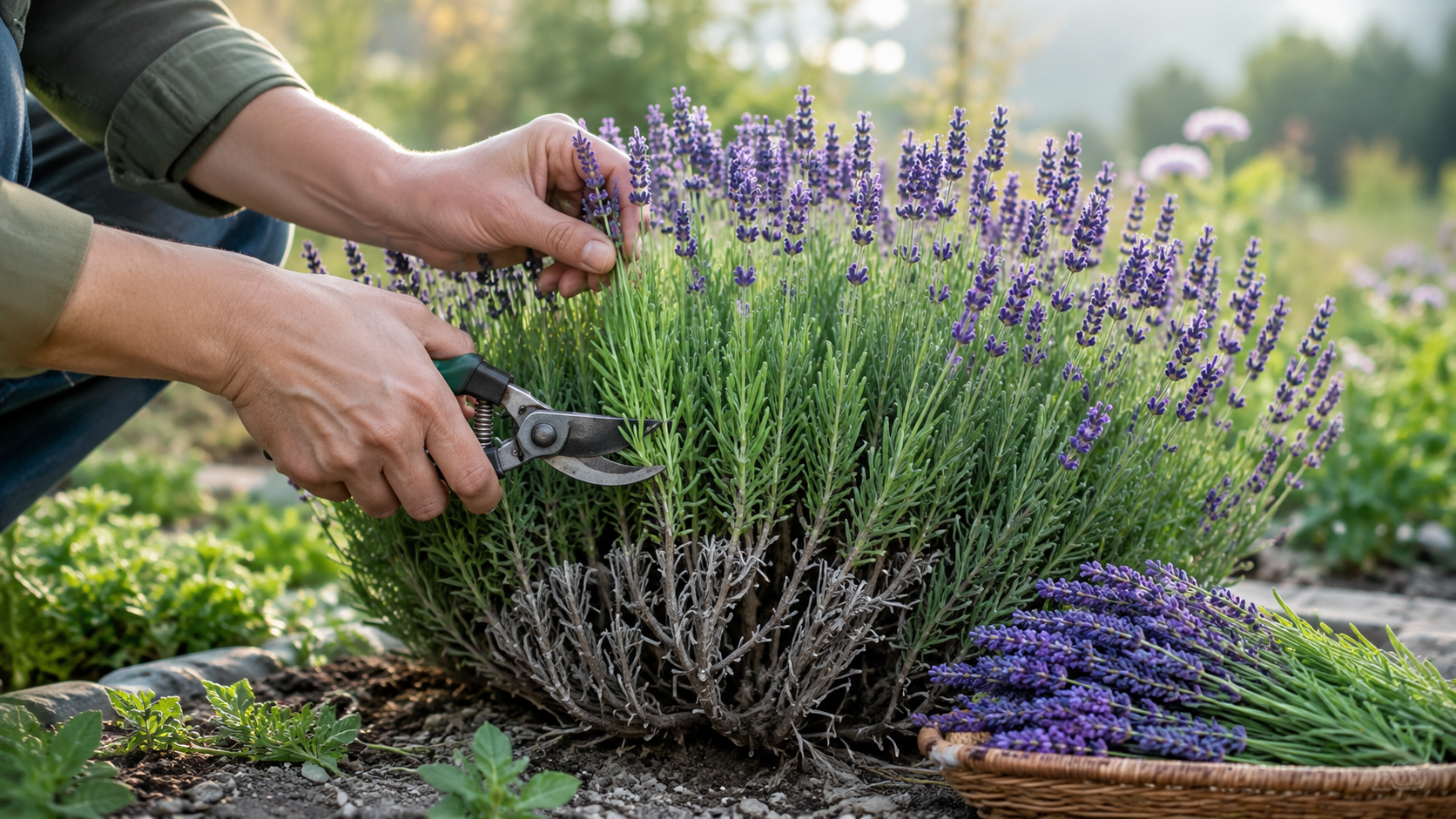
- Prune lightly: Trim spent blooms and excess growth to encourage airflow and reduce stress. Focus on removing soft, non-woody stems that could harbor insects or rot.
- Repot if necessary: Ensure your lavender is in a pot with excellent drainage; consider a slightly smaller container to discourage overwatering. A snug fit helps prevent waterlogging, but the roots should have enough room to breathe.
- Clean the container: Wash pots to remove insects, eggs, or fungus. Soak pots in a diluted bleach solution (1 part bleach to 9 parts water) and rinse well before replanting.
Acclimatization: Transitioning From Outdoors To Indoors
Sudden changes in environment can shock lavender, leading to leaf drop or even death. Acclimatization reduces this risk by allowing the plant to gradually adjust to lower light and humidity levels.
- Day 1-2: Move lavender to a sheltered outdoor area (porch, garage) for a few hours daily. This step softens the transition from full outdoor exposure to more protected conditions.
- Day 3-5: Increase time in the sheltered spot and begin bringing indoors at night. Pay attention to the plant’s response—wilting or dropping leaves may indicate stress.
- Day 6-7: Move the lavender fully indoors, placing it in its winter location. Keep the plant away from direct heat sources or cold drafts as it settles in.
Choosing The Ideal Indoor Location
Lavender needs conditions as close to its outdoor environment as possible for optimal health.
- Light: Place near a south-facing window; lavender needs at least 6-8 hours of direct light. Consider supplemental grow lights if necessary. Windowsills that receive sunlight for most of the day are ideal.
- Temperature: Keep daytime temperatures between 60-70°F (15-21°C) and nighttime above 50°F (10°C). Avoid locations where temperature fluctuates wildly, such as near radiators or frequently opened doors.
- Humidity: Maintain low humidity (30-50%). Avoid bathrooms or kitchens where air is moist. High humidity can encourage fungal growth and compromise plant health.
Real-world Example: Successful Acclimatization
A hobbyist in Zone 6b shared on the GardenWeb forums that after losing two French lavender plants to sudden indoor moves, she adopted a gradual acclimatization strategy. By transitioning her plants over a week and placing them near a bright window, she reported zero leaf drop and strong spring regrowth. This case highlights the importance of patience and observation during the transition.
Common Mistakes To Avoid
- Moving too late: Waiting until after frost can damage roots. Even brief exposure to freezing temperatures can have lasting effects.
- Sudden indoor transition: Skipping acclimatization risks shock, which may manifest as wilting or yellowing leaves.
- Insufficient light: Lavender will become leggy and weak in poor light, stretching toward available sources and losing its compact form.
- Overwatering: Excess moisture is a leading cause of root rot indoors. Always err on the side of underwatering rather than overwatering.
Caring For Lavender Indoors During Winter
Once lavender is indoors, its care routine must adapt to the lower light, drier air, and reduced growth rate typical of winter.
Watering And Feeding
- Reduce watering: Only water when the top inch of soil is dry. Overwatering is a frequent killer. Stick your finger into the soil to gauge dryness, and pour off any excess water from trays or saucers immediately.
- Fertilization: Withhold fertilizer during winter. Resume feeding in early spring with a balanced, slow-release formula. Too much fertilizer during dormancy can cause soft, weak growth that’s prone to disease.
Light Requirements And Artificial Lighting
Lavender’s need for sunlight doesn’t change indoors, but the availability often does.
- Natural light: South or west-facing windows are best, providing the most consistent exposure.
- Grow lights: Use full-spectrum LED or fluorescent grow lights for 8-12 hours daily if natural light is insufficient. Position lights about 6-12 inches above the plant for best results, and adjust as the plant grows.
Temperature And Air Circulation
- Consistent temperature: Avoid placing plants near drafts or heat sources, which can stress the plant and dry out foliage.
- Airflow: Use a small fan or open window occasionally to prevent fungal growth and pests. Good air movement mimics the breezy conditions lavender loves outdoors.
Humidity Management
- Low humidity: Lavender suffers in high humidity. Use a dehumidifier if necessary, especially in tightly sealed homes during winter.
- Avoid misting: Do not mist lavender leaves; it can encourage fungal diseases. Instead, focus on maintaining overall room humidity within the target range.
Pest And Disease Prevention
Indoor environments can still harbor pests and diseases, especially if other houseplants are nearby.
- Inspect regularly: Check leaves and stems for aphids, spider mites, or powdery mildew. Early detection is key to successful intervention.
- Treatment: Use neem oil or insecticidal soap for minor infestations; isolate affected plants immediately. For severe cases, remove and destroy heavily infested stems to prevent spread.
- Sanitation: Remove leaf litter and debris from the pot surface, as these can harbor pests and pathogens.
Case Study: Managing Indoor Pests
A commercial grower in Oregon found that spider mites proliferated in heated greenhouses during winter. By reducing watering, increasing air circulation, and introducing natural predators, infestations dropped by 70% within one season, per data shared by the Oregon Lavender Association. This demonstrates the importance of integrated pest management, even in home environments.
Troubleshooting Common Indoor Lavender Issues
| Symptom | Probable Cause | Solution |
|---|---|---|
| Yellowing leaves | Overwatering | Reduce watering frequency; improve drainage |
| Leaf drop | Shock from transition | Acclimatize gradually; maintain stable conditions |
| Leggy growth | Insufficient light | Move to brighter spot or add grow lights |
| Powdery mildew | High humidity/poor airflow | Improve ventilation; remove affected leaves |
In addition to these common issues, browning leaf tips and stunted growth can signal salt buildup in the soil or persistent stress. If your plant shows multiple symptoms, reassess all care aspects.
Choosing The Right Lavender Varieties For Indoor Overwintering
Not all lavender species are equally suited to indoor life. Some adapt more readily to container culture and variable indoor climates, making them better candidates for overwintering.
English Vs. French Vs. Spanish Lavender
- English lavender (Lavandula angustifolia): Most cold-tolerant; can be overwintered outdoors in milder zones but adapts well indoors. Its compact growth and resilience make it a top choice for indoor gardening.
- French lavender (Lavandula dentata): Less cold-hardy; prefers indoor overwintering in most climates. Its distinctive toothed leaves and long bloom season make it a favorite for indoor displays.
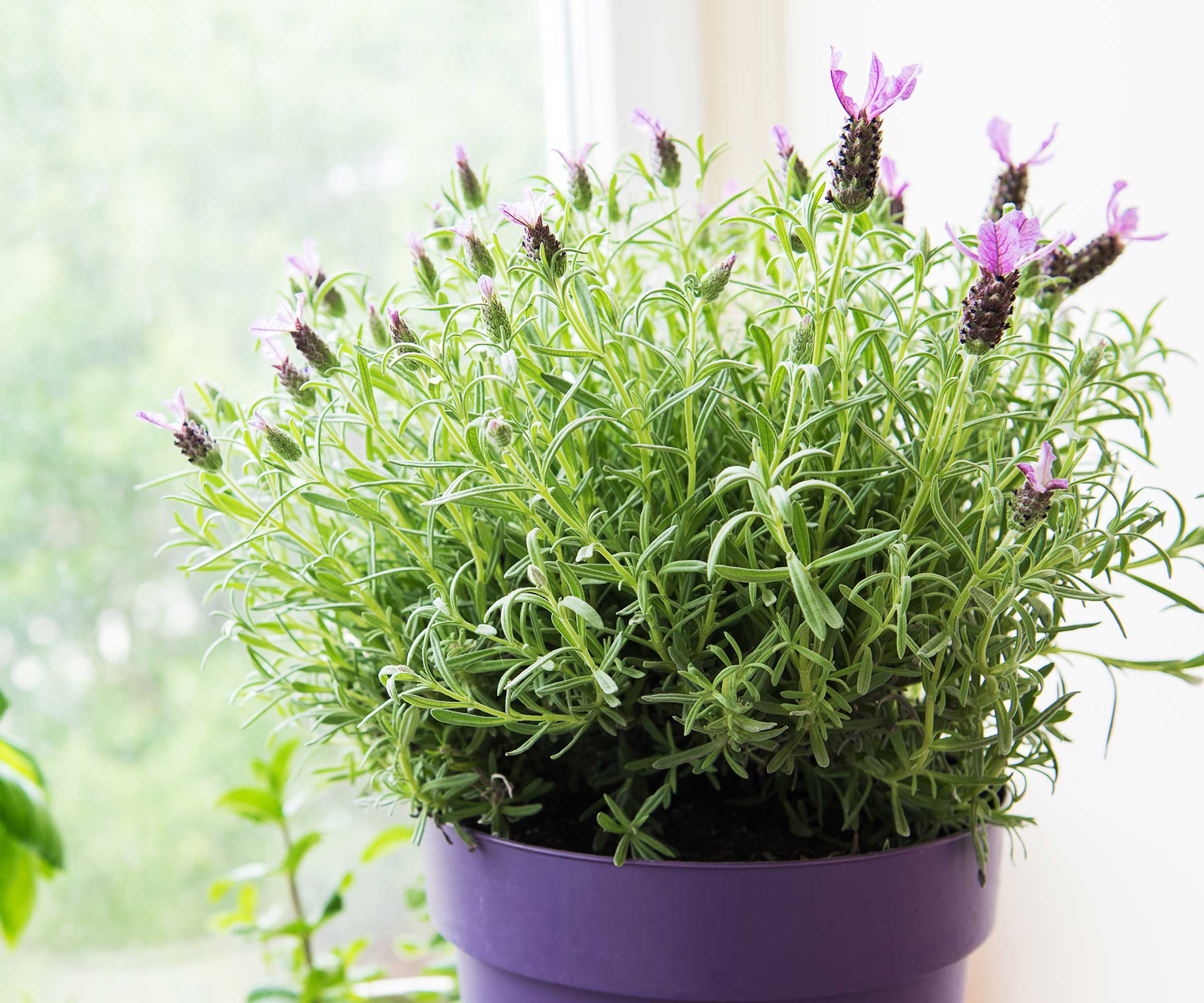
- Spanish lavender (Lavandula stoechas): Needs protection from frost; performs well indoors with good light. Its showy “rabbit ear” bracts add unique visual interest.
Compact Cultivars For Containers
Certain cultivars are bred for compact growth and container suitability, making them easier to manage in limited indoor spaces.
- ‘Munstead’ and ‘Hidcote’: English types, ideal for small pots. These varieties are known for their rich color and dense form.
- ‘Goodwin Creek Grey’: French hybrid, tolerates lower light. Its silvery foliage and robust nature are well-suited to indoor conditions.
- ‘Provence’: Lavandin, good for larger indoor spaces. This variety’s vigorous growth and strong scent make it popular in large containers.
Data Table: Lavender Varieties And Indoor Suitability
| Variety | Growth Habit | Ideal Pot Size | Indoor Adaptability |
|---|---|---|---|
| Munstead | Compact | 8-12 inches | Excellent |
| Hidcote | Compact | 8-12 inches | Excellent |
| Goodwin Creek Grey | Medium | 12-16 inches | Very Good |
| Provence | Large | 16-20 inches | Moderate |
| Spanish | Medium | 12-16 inches | Good |
Real-world Example: Choosing The Right Variety
A homeowner in Boston experimented with both ‘Hidcote’ and ‘Provence’ lavender for indoor overwintering. ‘Hidcote’ remained compact and healthy, while ‘Provence’ became leggy and required frequent pruning, reinforcing the value of variety selection for indoor success. This example illustrates how choosing the right variety can save time and ensure a more attractive, manageable plant.
Where To Find Reliable Lavender Plants
Purchase from reputable nurseries or online sellers to avoid pests and diseases. Look for certified disease-free stock, especially if you plan to keep your plant indoors for long periods. For more information, the Royal Horticultural Society offers trusted variety guides.
Best Practices For Indoor Lavender Success
Following established best practices will maximize your chances of keeping lavender healthy through the winter and help prevent common pitfalls.
Potting And Soil Tips
- Well-drained soil: Use a mix of two parts cactus mix to one part perlite or coarse sand. This mimics Mediterranean soils and prevents excess water retention.
- Pot selection: Terra cotta pots are preferred for breathability; always use containers with drainage holes. The porous nature of terra cotta helps excess moisture evaporate.
- Repotting: Repot every 2-3 years to refresh soil and inspect roots. Check for root circling or signs of rot, and trim as needed before repotting.
Pruning And Maintenance
- Light winter pruning: Remove spent flower stalks and weak growth; avoid heavy pruning until spring. Over-pruning in winter can stress the plant and reduce regrowth.
- Regular inspection: Check for pests, disease, and overall health every week. Early action can prevent minor issues from becoming major problems.
Indoor Placement Strategies
- Rotate pots: Turn plants weekly to ensure even growth and sun exposure. This prevents the plant from leaning toward the light and helps maintain a symmetrical form.
- Group with other sun-lovers: Place lavender near rosemary or sage to create a microclimate with similar needs. Grouping also increases humidity slightly, reducing water stress without creating a damp environment.
Case Study: Urban Apartment Grower
A New York City resident maintained five lavender plants in a sunroom using full-spectrum LED grow lights and a small fan. Despite low winter sunlight, all five plants survived and bloomed the following spring, as documented by the Gardenista blog. The grower emphasized the importance of consistent lighting schedules and weekly plant rotation.
Resources For Further Guidance
- The Old Farmer’s Almanac provides region-specific lavender care tips.
- Gardener’s Supply Company offers detailed guides on indoor lavender.
The Science Behind Lavender’s Indoor Needs
Lavender’s unique physiology determines its requirements and responses to indoor environments. Understanding these aspects helps explain why certain care practices are so important.
Photosynthesis And Light Intensity
Lavender’s silvery, narrow leaves are adapted to reflect intense sunlight and reduce water loss. Indoors, lower light slows photosynthesis, making artificial lighting crucial in low-light homes.
- Minimum light requirement: 2000 foot-candles for optimal growth. Most indoor environments provide less than this, especially in winter.
- Supplemental lighting: Full-spectrum bulbs (400-700 nm) mimic sunlight for healthy development. Place lights on a timer to ensure consistency, ideally matching outdoor daylight hours.
Water And Nutrient Uptake
Lavender’s roots thrive in dry conditions. Overwatering disrupts oxygen flow, leading to root rot—a common problem for indoor plants. Nutrient needs decrease in winter due to slower growth, so it’s best to hold off on feeding until spring.
Dormancy And Growth Cycles
- Dormancy: Lavender enters a semi-dormant state, reducing energy needs. Forcing growth with excessive warmth or feeding can weaken the plant and make it more susceptible to disease.
- Spring regrowth: Resume normal care as daylight increases and temperatures rise. This is the ideal time to prune more heavily and repot if needed.
Scientific Studies
A 2016 study in the journal “Plants” found that indoor-grown lavender under LED lights maintained higher essential oil content compared to fluorescent bulbs, underscoring the importance of light quality for overwintering. These findings reinforce the need for proper lighting for both plant health and fragrance.
Troubleshooting And Advanced Tips
Even with the best care, indoor overwintering can present challenges. Here are advanced tips for experienced growers to help address common issues and optimize plant performance.
Rejuvenating Stressed Lavender
- Severe leaf drop: Prune back damaged stems and reduce watering. Increase light gradually to support recovery. If roots are healthy, the plant can often rebound quickly.
- Root rot: Remove from pot, trim rotten roots, repot in dry, sterile soil. Consider using a fungicide drench if rot is severe, but improve drainage and reduce watering frequency to prevent recurrence.
Dealing With Limited Space
- Hanging planters: Use wall-mounted or hanging pots to maximize window space. Lavender’s trailing habit can be attractive in these arrangements.
- Pruning for compactness: Regular pruning encourages bushier growth, ideal for small spaces. Pinch back new shoots in early spring for fuller plants.
Natural Pest Control
- Introduce beneficial insects: Ladybugs and lacewings can help control aphids, even indoors.
- DIY sprays: Mix neem oil with water and a few drops of dish soap for organic pest management. Test sprays on a small area before full application.
Monitoring And Adjusting
- Keep a care log: Track watering, light exposure, and temperature for optimal adjustments. Noting changes can help you spot trends or emerging problems.
- Use soil moisture meters: Prevent overwatering by measuring soil moisture directly. These inexpensive tools can provide peace of mind for beginners.
Resources For Expert Growers
- BBC Gardeners’ World offers advanced lavender care guides.
- The Wikipedia page on Lavandula details global cultivation practices.
Frequently Asked Questions
How Long Can Lavender Live Indoors During Winter?
Lavender can live indoors for an entire winter season (3-4 months) if provided with adequate light, low humidity, and careful watering. Some plants may thrive indoors year-round, but most benefit from returning outdoors in spring for robust growth. Long-term indoor culture is possible but requires careful attention to light and airflow.
Can I Propagate Lavender From Indoor Cuttings In Winter?
Yes, lavender can be propagated from semi-hardwood cuttings taken during winter. Use a rooting hormone and sterile, well-drained soil. Maintain warmth and bright light to encourage rooting, though success rates are typically higher in spring and summer. Propagation can help replace older plants or expand your collection.
Why Are My Indoor Lavender’s Leaves Turning Brown?
Brown leaves are often a sign of overwatering, poor drainage, or root rot. Check the soil moisture, ensure the pot has drainage holes, and reduce watering frequency. Brown tips can also indicate low humidity or too much heat. In rare cases, excessive fertilizer or salt buildup can cause browning—flush the soil with distilled water to remove excess salts.
Will My Lavender Flower Indoors In Winter?
While lavender can produce flowers indoors if provided with enough light, most plants focus on survival rather than blooming in winter. Strong artificial lighting may encourage some flowering, but blooms are more common after the plant returns outdoors in spring.
Don’t be discouraged by a lack of winter flowers; focus on maintaining plant health for a strong spring display.
Do I Need To Fertilize My Indoor Lavender In Winter?
No, it’s best to avoid fertilizing lavender during winter. The plant’s growth naturally slows, and excess nutrients can lead to weak, spindly growth. Resume feeding with a balanced fertilizer when active growth begins in spring. Over-fertilization is a common mistake among indoor gardeners.
Lavender’s resilience makes it a rewarding plant to overwinter indoors, as long as you respect its Mediterranean roots and unique needs. By following the expert strategies outlined in this guide, you can keep your lavender healthy, fragrant, and ready to burst into bloom when spring returns.
With a little preparation and ongoing care, your lavender plant can thrive indoors, bringing a touch of summer into your home all winter long. For more on this, see our guide on Planting .