Can You Plant Different Fruit Trees Next to Each Other? Answered
Planting different fruit trees next to each other is not only possible but often beneficial for your garden or small orchard. Understanding compatibility, spacing, and pollination needs makes the difference between a thriving mixed planting and one that struggles. This guide covers everything you need to know about grouping fruit trees successfully.
Simply put, yes — you can plant different fruit trees next to each other, as long as you consider mature size, root spread, sunlight needs, and pollination compatibility. Proper spacing and variety selection are the keys to a healthy, productive mixed orchard.
Key Takeaways
- Planting different fruit trees together saves space and can improve pollination when compatible varieties are chosen.
- Spacing must account for mature canopy width and root competition — overcrowding leads to poor yields and disease.
- Pollination requirements vary: some trees are self-fertile, while others need a different variety nearby to bear fruit.
- Avoid planting trees from the same family too close together to reduce pest and disease spread.
- Dwarf and semi-dwarf rootstocks make mixed plantings more manageable in smaller yards.
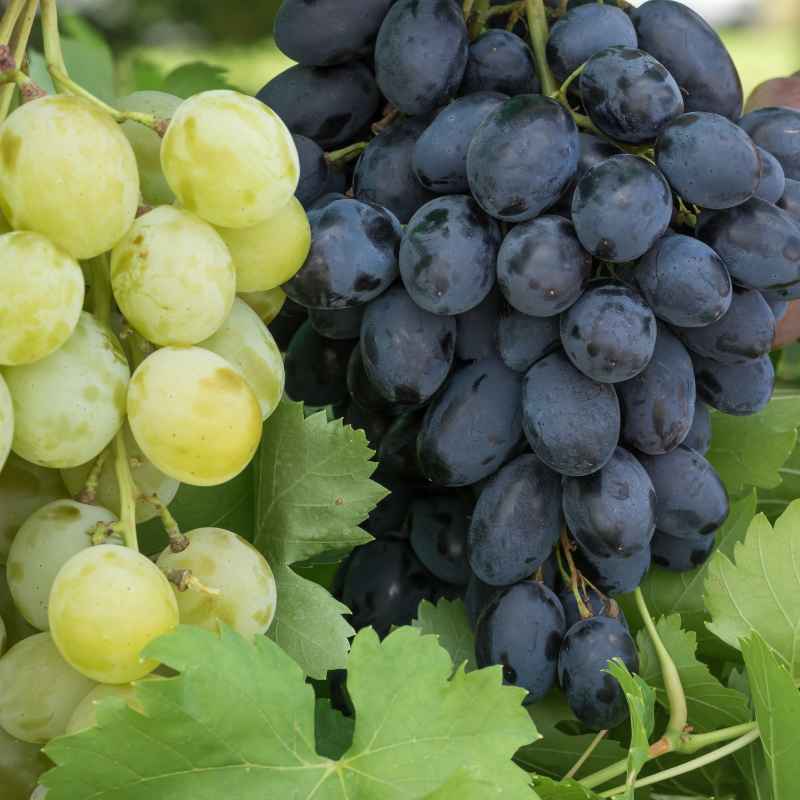
planted together in a backyard orchard |title: Mixed Fruit Tree Planting in a Home Orchard–>
Can You Plant Different Fruit Trees Together? The Straight Answer
The short answer is yes, with caveats. Planting different fruit trees near each other works well when you match trees with similar growing requirements. Sunlight, water, soil pH, and chilling hours all need to align for every tree in the grouping to thrive.
Many home gardeners successfully grow apples, pears, plums, and cherries in the same yard. The key is understanding each species’ mature size and root behavior. A standard apple tree can reach 25 feet tall with a 20-foot spread.
Placing a dwarf peach just 6 feet away from that apple will choke out the peach within a few years.
Pollination is another major factor. Some fruit trees are self-fertile and produce fruit with just one tree. Others require cross-pollination from a different variety of the same species planted within 50 to 100 feet.
Grouping compatible varieties together boosts fruit set for both trees.
- Matching chill hours — Trees requiring similar winter chilling perform better when planted together.
- Sunlight needs — Most fruit trees need full sun (6-8 hours daily). Avoid shading smaller trees with taller ones.
- Water requirements — Stone fruits like peaches need well-drained soil; pears tolerate heavier clay. Group by water needs.
- Root competition — Aggressive roots from one tree can steal nutrients from a neighbor. Plan spacing accordingly.
- Pest pressure — Mixed plantings can reduce pest buildup compared to monocultures, but avoid planting same-family trees too close.
What Factors Determine If Fruit Trees Can Be Planted Together?
Compatibility between different fruit tree species comes down to several biological and environmental factors. Ignoring any one of these can lead to poor growth, low yields, or tree death over time. Before you dig, evaluate each factor for every tree on your list.
Mature size is the most obvious factor but also the most overlooked. Homeowners often plant trees based on their size at purchase, not their size at maturity. A tiny sapling in a 5-gallon pot can become a 30-foot canopy in 15 years.
Check the expected height and spread for the specific rootstock and variety you are buying. Dwarf rootstocks reduce mature size significantly, making them ideal for mixed plantings in tight spaces.
| Factor | Why It Matters | What to Check |
|---|---|---|
| Mature size | Larger trees shade and crowd smaller ones | Rootstock and variety info from nursery |
| Root system | Aggressive roots compete for water and nutrients | Rootstock type (dwarf, semi-dwarf, standard) |
| Soil pH preference | Most fruit trees prefer pH 6.0-7.0, but some vary | Soil test before planting |
| Pollination type | Self-fertile vs. cross-pollinating affects pairing | Variety description for pollination needs |
| Disease susceptibility | Same-family trees share pests and diseases | Common issues in your region |
Spacing recommendations vary by rootstock and soil fertility. In rich soil, trees grow larger and need more room. In poor soil, growth is slower and trees stay smaller.
Adjust your spacing based on your specific site conditions for the best long-term results.
How to Space Different Fruit Trees for Best Results
Proper spacing is the single most important step when planting different fruit trees next to each other. Crowded trees compete for light, water, and nutrients. They also trap moisture in their canopies, which invites fungal diseases like powdery mildew and brown rot.
Use these general spacing guidelines based on the tree’s mature size category. Dwarf trees need the least space and are perfect for small yards or high-density plantings. Standard trees need the most space and are better suited to large properties or traditional orchards.
- Dwarf fruit trees — Space 8 to 10 feet apart. These are ideal for mixed plantings in small gardens.
- Semi-dwarf fruit trees — Space 12 to 15 feet apart. The most common choice for home orchards.
- Standard fruit trees — Space 18 to 25 feet apart. Best for large properties with room to spread.
- Within-row spacing for trellised trees — Space 4 to 6 feet apart if training against a wall or fence.
- Between different species — Always use the larger species’ spacing requirement as the minimum.
Tip: When planting multiple fruit trees, arrange them from tallest (north side) to shortest (south side) to prevent shading. This simple sun-planning trick keeps every tree productive.
If you are planting fruit trees in a hedge or along a fence line, consider using an angled or staggered row layout. Staggering gives each tree more access to sunlight and airflow compared to planting in a straight line. This layout works especially well for semi-dwarf apples, pears, and plums grown together.
Which Fruit Trees Grow Well Together? Best Companion Pairings
Certain fruit tree combinations naturally complement each other. These pairings share similar growing conditions, benefit each other’s pollination, or have compatible root systems. Choosing these combinations makes your job as a gardener much easier.
Apples and pears are one of the most compatible pairings. Both grow well in similar soil pH ranges (6.0 to 6.8), need full sun, and have moderate water needs. They also bloom at roughly the same time in spring, which attracts pollinators to the area.
However, they cannot cross-pollinate each other — apples need another apple variety, and pears need another pear variety for fruit set.
Plums and cherries also work well together. Both are stone fruits from the Prunus genus and share similar care requirements. They thrive in well-drained soil with a pH of 6.0 to 7.0.
Just be aware that planting them too close can increase the spread of shared pests like plum curculio and brown rot. Space them generously and prune for airflow.
| Tree Pairing | Compatibility | Notes |
|---|---|---|
| Apple + Pear | Excellent | Same soil and sun needs; different pollination groups |
| Peach + Nectarine | Excellent | Very similar needs; plant at least 12 feet apart |
| Plum + Cherry | Good | Shared disease risk; increase spacing to 15+ feet |
| Apple + Cherry | Good | Different families; few shared pests |
| Citrus + Avocado | Fair (warm climates) | Both subtropical; avocados need more space |
Figs pair well with pomegranates in warmer regions. Both are drought-tolerant once established and prefer slightly alkaline soil. They also have minimal pest overlap, making them a low-maintenance combination for Mediterranean or desert climates.
What Fruit Trees Should You Keep Separated?
Not all fruit trees make good neighbors. Some combinations actively harm each other through competition, allelopathy, or shared disease pressure. Knowing which trees to keep apart saves you from costly mistakes and disappointing harvests.
Walnut trees are the most notorious garden bullies. Black walnut trees release juglone, a chemical that is toxic to many fruit trees including apples, pears, plums, peaches, and cherries. Even a mature walnut’s root zone can extend 50 to 80 feet from the trunk.
Do not plant any susceptible fruit trees within this range. If you have a walnut on your property, stick with resistant species like persimmons or pawpaws instead.
Warning: Never plant apples, pears, peaches, plums, or cherries near black walnut trees. The juglone chemical can persist in the soil for years even after the tree is removed.
Avoid planting trees from the same botanical family too close together. For example, planting different stone fruits (peach, plum, cherry, apricot) within 10 feet of each other increases the risk of brown rot, bacterial canker, and plum curculio infestations. These pests and pathogens move easily between closely related trees.
The same principle applies to pome fruits like apples and pears, which share fire blight susceptibility.
- Black walnut near anything sensitive — Juglone toxicity kills or stunts many fruit trees.
- Same-family stone fruits too close — Increases disease and pest pressure dramatically.
- Tall trees shading short trees — A standard apple next to a dwarf peach will outcompete it for light.
- Aggressive rooters near shallow-rooted trees — Poplars, willows, and some mulberries steal water from neighbors.
- Invasive species near any fruit tree — Plants like bamboo or English ivy can strangle young fruit trees.
Eucalyptus trees should also be kept well away from fruit trees. Their roots are extremely competitive and their leaves release oils that can inhibit growth of nearby plants. Give at least 30 feet of distance between eucalyptus and any fruit tree.
How Pollination Works When Planting Different Fruit Trees Nearby
Pollination is where planting different fruit trees next to each other really shines. Many fruit trees are not self-fertile and need pollen from a different variety of the same species to set fruit. Having multiple compatible varieties nearby dramatically improves fruit set and yield.
Cross-pollination only works within the same species. An apple tree cannot pollinate a pear tree. A cherry tree cannot pollinate a plum tree.
But within each species, you generally need two different varieties that bloom at the same time. For apples, this means pairing varieties from the same or overlapping flowering groups. A Honeycrisp apple will pollinate a Fuji apple as long as their bloom times overlap.
Some fruit trees are self-fertile, meaning they produce fruit with their own pollen. Peaches, nectarines, sour cherries, and most apricots fall into this category. You only need one tree of these types to get a harvest.
However, even self-fertile trees produce better yields when a second variety is nearby for cross-pollination.
- Self-fertile trees — Peach, nectarine, sour cherry, apricot, fig, persimmon (most varieties).
- Partially self-fertile trees — Some plums and sweet cherries set more fruit with a partner.
- Self-sterile trees — Most apples, pears, plums (European and Japanese), sweet cherries, and almonds need a different variety nearby.
- Pollination partners — Must bloom at the same time and be the same species. Crabapple trees can pollinate apple trees.
- Pollinator distance — Bees typically travel up to 100 feet, but 50 feet or less gives the best fruit set.
Important: When planting different fruit trees for cross-pollination, make sure they bloom within the same window. An early-blooming apple may not overlap with a late-blooming apple, reducing fruit set. Check bloom time charts before buying.
Pollinators like honeybees and native bees are essential for fruit set. Planting flowers between your fruit trees attracts and supports these beneficial insects. Clover, lavender, borage, and wildflowers all draw bees into the orchard during bloom season.
Avoid using broad-spectrum insecticides during bloom, as these kill pollinators and directly reduce your harvest.
Common Mistakes When Planting Multiple Fruit Tree Varieties
Even experienced gardeners make errors when mixing fruit tree varieties. Recognizing these common mistakes helps you avoid them from the start. The most frequent error is underestimating mature tree size at planting time.
It is easy to look at a 3-foot sapling and think 10 feet of spacing looks generous. Ten years later, those same trees are fighting for light and air.
Another common mistake is ignoring rootstock differences. A dwarf apple tree and a standard pear tree may both be small when you buy them, but the standard pear will eventually tower over the dwarf apple. Always check whether each tree is on dwarf, semi-dwarf, or standard rootstock.
Mixing rootstock types in the same planting area requires careful layout planning.
Planting too many different species in a small space is also problematic. A tiny backyard cannot realistically support an apple, pear, peach, plum, cherry, and apricot tree simultaneously — unless they are all on dwarf rootstock and carefully spaced. Stick with 2 or 3 species that you truly enjoy eating and that grow well in your climate.
- Underestimating canopy width — Always plant for the mature size, not the current size.
- Ignoring bloom time overlap — Cross-pollinators must bloom at the same time to be effective.
- Mixing incompatible rootstocks — Standard and dwarf trees grow at very different rates.
- Skipping soil testing — Different fruit trees have different pH and nutrient preferences.
- Planting too late in the season — Fall planting in cold climates risks winter injury for young trees.
Lastly, many gardeners forget about harvest timing and ripeness windows. Planting early-season and late-season varieties together is fine, but make sure you can manage the harvest. A tree that drops fruit in August and another that drops fruit in October means you are picking fruit for months rather than weeks.
Plan your harvest calendar alongside your planting calendar.
Tips for Planning a Mixed Fruit Tree Orchard
Planning a mixed fruit tree planting takes some forethought, but the payoff is worth it. Start by drawing a simple map of your available space. Note where the sun rises and sets, where shadows fall from buildings or fences, and where existing large trees might cast shade.
This map becomes your blueprint for positioning each tree.
Choose species that match your climate first. If you live in a cold northern zone, focus on apples, pears, plums, and sour cherries. If you are in a warm southern zone, consider peaches, figs, citrus, and persimmons.
Trying to grow a species outside its adapted range is an uphill battle that rarely ends well.
Tip: Use a online chill hours calculator to find your area’s average winter chill hours. Match this number to the chill hour requirements of each fruit variety you choose. Mismatches result in poor flowering and low yields.
Group trees by water needs and pruning requirements. For example, peaches need regular pruning and benefit from annual thinning of fruit. Apples need less frequent pruning but more careful shaping.
Placing them in the same area makes your pruning schedule easier to manage. Trees with similar water needs should share the same irrigation zone so that no tree gets over- or under-watered.
| Planning Step | What to Do | Timeframe |
|---|---|---|
| 1. Assess your site | Map sun, soil, drainage, and existing plants | 3-6 months before planting |
| 2. Test your soil | Check pH, nutrient levels, and organic matter | 2-3 months before planting |
| 3. Select varieties | Choose compatible, climate-suited, disease-resistant types | 1-2 months before planting |
| 4. Plan spacing | Mark planting spots based on mature size | At planting time |
| 5. Prepare planting holes | Dig wide, not deep; amend only if needed | Same day as planting |
A mixed fruit tree planting rewards you with a longer harvest season, better pollination, and a more resilient garden ecosystem. Trees from different families rarely share the same pest and disease issues, so a problem with one tree is less likely to spread to all of them. This diversity is the same principle that makes natural ecosystems stable and productive.

Frequently Asked Questions
How far apart should different fruit trees be planted?
Dwarf fruit trees need 8 to 10 feet apart, semi-dwarf trees need 12 to 15 feet, and standard trees need 18 to 25 feet. Always use the larger tree’s spacing requirement when mixing sizes.
Can I plant an apple tree next to a cherry tree?
Yes, apple and cherry trees grow well together because they are from different families and share few pests or diseases. Space them according to their mature size — at least 12 to 15 feet for semi-dwarf varieties.
Do different fruit trees need to cross-pollinate each other?
No, cross-pollination only works within the same species. An apple cannot pollinate a pear. However, having different varieties of the same species nearby improves fruit set for cross-pollinating trees like apples, pears, plums, and sweet cherries.
What fruit trees should not be planted together?
Keep all fruit trees away from black walnut trees. Also avoid planting same-family stone fruits (peach, plum, cherry, apricot) very close together to reduce disease spread. Avoid mixing standard-sized trees with dwarf trees unless spacing accounts for the larger tree’s canopy.
Can you plant two different varieties of the same fruit tree together?
Yes, and this is often recommended. Many fruit trees require a different variety nearby for pollination. For example, two different apple varieties that bloom at the same time will produce more fruit than a single tree alone.
Self-fertile trees like peaches also benefit from having a second variety nearby.
Final Thoughts
Planting different fruit trees next to each other is a smart strategy for any home gardener who wants variety and a longer harvest season. Success comes down to matching mature sizes, choosing compatible species, and planning your layout for sun and airflow. With the right spacing and variety selection, a mixed fruit tree planting can be more productive and resilient than a single-species orchard.
Start with a solid plan, and your trees will reward you for decades.