Why Is Chlorophyll Important in Plants? Here’s What It Does
Chlorophyll is important in plants because it makes photosynthesis possible. Without this green pigment, plants could not convert sunlight into the energy they need to grow, reproduce, and survive.
For the broader gardening context, What Is The Drive Time From Reykjavik To Iceland Botanical Gardens? gives readers a useful next step on the same topic.
In this guide, we will explore exactly how chlorophyll works, the different types that exist, and why it is absolutely essential for plants, animals, and the entire planet. If you have ever wondered why leaves are green or how a tiny seed grows into a massive tree, the answer lies in this remarkable molecule.
Simply put, chlorophyll is important in plants because it absorbs sunlight—mostly blue and red wavelengths—and uses that energy to convert carbon dioxide and water into glucose (food) and oxygen. Without chlorophyll, plants could not produce their own energy, and life as we know it would not exist.
Key Takeaways
- Chlorophyll captures light energy to power photosynthesis, the process plants use to make food from CO2 and water.
- It is the reason plants are green, as it reflects green light while absorbing red and blue light wavelengths.
- There are several types, with chlorophyll-a and chlorophyll-b being the most critical for land plants.
- Chlorophyll production is heavily influenced by the availability of nitrogen, magnesium, and adequate sunlight.

What Is Chlorophyll and Why Is It Green?
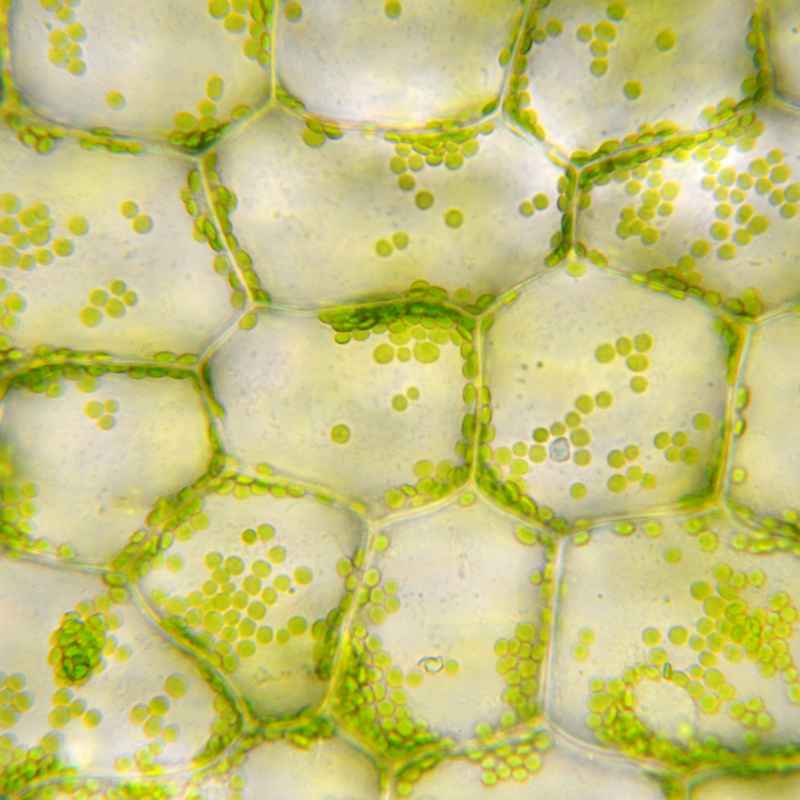
Chlorophyll is a pigment molecule found in the chloroplasts of plant cells. Its molecular structure is perfectly designed to absorb light. The reason we see plants as green is that chlorophyll reflects green light waves instead of absorbing them.
It strongly absorbs blue and red light, which are the most effective wavelengths for photosynthesis.
The molecule contains a magnesium ion at its center, which is crucial for its ability to capture light. Without magnesium, chlorophyll would not function.
| Property | Chlorophyll a | Chlorophyll b |
|---|---|---|
| Color | Blue-green | Yellow-green |
| Primary Absorption Peak | 430 nm and 662 nm | 453 nm and 642 nm |
| Role | Primary photosynthetic pigment | Accessory pigment transferring energy to Chl a |
This table highlights the difference between the two main types and shows exactly how they work together to capture a wider range of light.
- Porphyrin ring: Absorbs light and transports electrons.
- Magnesium ion: Holds the structure together and aids in light absorption.
- Phytol tail: Anchors the molecule to the thylakoid membrane.
How Does Chlorophyll Drive the Process of Photosynthesis?
Photosynthesis occurs in two main stages: the light-dependent reactions and the Calvin cycle. Chlorophyll is the star of the first stage. When a photon of light hits a chlorophyll molecule, it excites an electron, boosting it to a higher energy level.
This energized electron is then passed down an electron transport chain, generating ATP and NADPH. These energy-carrying molecules power the Calvin cycle, where carbon dioxide is fixed into glucose. Without chlorophyll to capture that initial light energy, none of this would happen.
- Light Absorption: Chlorophyll absorbs light energy from the sun.
- Electron Excitation: The energy excites an electron in the chlorophyll molecule.
- Energy Transfer: The electron moves through the transport chain, creating ATP.
- Carbon Fixation: ATP and NADPH power the Calvin cycle to make glucose.
Tip: Chlorophyll doesn’t just absorb light; it also transfers the harvested energy efficiently to the reaction center of the photosystem, minimizing energy loss.
According to the Royal Society of Chemistry, the quantum efficiency of photosynthesis is incredibly high, converting nearly all absorbed photons into chemical energy in ideal conditions.
| Inputs | Process | Outputs |
|---|---|---|
| Sunlight | Light Reactions | ATP, NADPH, O2 |
| CO2, Water | Calvin Cycle | Glucose (C6H12O6) |
What Are the Main Types of Chlorophyll Found in Plants?
While there are several types of chlorophyll found in nature, land plants primarily rely on chlorophyll-a and chlorophyll-b. Chlorophyll-a is the core pigment, present in all photosynthetic organisms. Chlorophyll-b acts as an accessory pigment, broadening the spectrum of light that can be used for photosynthesis.
Other types, like chlorophyll-c (found in algae) and chlorophyll-d (found in red algae), allow organisms to survive in specific aquatic environments where light penetration is different.
- Chlorophyll a: Primary pigment in all plants, algae, and cyanobacteria.
- Chlorophyll b: Accessory pigment in green algae and land plants.
- Chlorophyll c: Found in diatoms, dinoflagellates, and brown algae.
- Chlorophyll d: Found in red algae, adapted to absorb far-red light.
Beyond chlorophyll, plants also contain carotenoids and other accessory pigments. Carotenoids help protect the plant from excess light damage and assist in capturing blue light. This is why leaves turn yellow or orange in the fall when chlorophyll breaks down.
Why Is Chlorophyll Essential for Plant Growth and Health?
Simply put, chlorophyll is the engine of the plant. Without it, the plant cannot produce ATP, the energy currency needed for every cellular process. Growth, reproduction, repairing damage, and transporting nutrients all depend on the energy generated by chlorophyll-driven photosynthesis.
Plants convert roughly 100 billion metric tons of carbon into biomass each year via photosynthesis, as reported by the NASA Earth Observatory. This massive scale underscores just how vital this pigment is for biomass production.
- Energy Production: Creates the ATP needed for all cellular functions.
- Growth: Provides the building blocks for new leaves, stems, and roots.
- Immune Function: Produces compounds that help fight off pathogens.
- Root Development: Supplies the energy needed for roots to absorb water and minerals.
- Reproduction: Fuels the production of flowers, fruits, and seeds.
Warning: A plant suffering from a severe lack of chlorophyll will exhibit stunted growth and yellowing leaves. If the deficiency continues, the plant will eventually die because it cannot make its own food.
What Happens to Plants When Chlorophyll Production Fails?
When a plant fails to produce enough chlorophyll, it develops a condition called chlorosis. This is easily identifiable by yellowing leaves. The underlying cause can vary widely, from simple nutrient issues to serious diseases.
Diagnosing the specific cause of chlorosis is critical for saving the plant. Iron deficiency, for example, causes yellowing between the veins of new leaves, while nitrogen deficiency typically affects older leaves first. Poor drainage and compacted roots can also block nutrient uptake, leading to chlorophyll loss.
| Symptom | Likely Cause | Solution |
|---|---|---|
| Uniform yellowing (older leaves) | Nitrogen deficiency | Apply a balanced fertilizer high in nitrogen. |
| Yellowing between veins (new leaves) | Iron deficiency | Apply iron chelate or soil acidifier. |
| Pale, spindly growth | Lack of light | Move plant to a brighter location. |
Some rare parasitic plants, like the ghost plant (Monotropa uniflora), have evolved to survive without chlorophyll by stealing nutrients from other plants. However, for the vast majority of plants, chlorophyll is non-negotiable for survival.
How Does Chlorophyll Help Plants Adapt to Sunlight Levels?
Plants are masters of adaptation, and they can adjust their chlorophyll production based on the amount of light they receive. A plant growing in deep shade will often produce more chlorophyll per chloroplast to capture every possible photon. Conversely, a plant in direct sunlight produces less chlorophyll but more protective pigments to prevent sun damage.
This is why a single species can look drastically different depending on its light environment. The leaves in the shade will be a darker, deeper green, while leaves in the sun will be lighter green or even slightly yellowish.
- Shade Plants: Higher chlorophyll concentration, larger chloroplasts, thinner leaves.
- Sun Plants: Lower chlorophyll concentration, more carotenoids, thicker leaves.
- Aquatic Plants: Use specialized chlorophyll types adapted for water penetration.
According to a study published in the Journal of Experimental Botany, shade-tolerant plants can have 2-3 times more chlorophyll per chloroplast than sun-loving plants. This remarkable flexibility allows plants to colonize diverse environments.
Why Is Chlorophyll Vital for the Planet’s Ecosystem?
Chlorophyll’s importance extends far beyond the individual plant. It is the basis for the entire global ecosystem. By fixing carbon dioxide, plants act as a massive carbon sink, helping to regulate the Earth’s climate.
The oceans, filled with phytoplankton using chlorophyll, are the planet’s largest oxygen producers.
The United States Environmental Protection Agency (EPA) notes that phytoplankton contribute roughly 50-80% of the world’s oxygen. Every second breath you take comes from microscopic aquatic organisms using chlorophyll. This fact alone answers just why is chlorophyll important in plants—and in algae.
- Oxygen Production: Chlorophyll-driven photosynthesis generates the oxygen we breathe.
- Carbon Sequestration: Plants absorb CO2, mitigating climate change.
- Food Web Foundation: All energy in the food chain originates from photosynthesis.
The health of the global ecosystem is directly tied to the health of photosynthetic organisms. Protecting forests and oceans is protecting the chlorophyll engines that sustain the planet.
How Can You Support Healthy Chlorophyll Levels in Your Plants?
If you are a gardener or plant enthusiast, keeping chlorophyll levels high is the secret to a thriving plant. The most critical factors are light, nutrition, and water. Without adequate light, chlorophyll production shuts down.
Without proper nutrition, the plant cannot build the chlorophyll molecule.
Here are the best ways to ensure your plants are producing plenty of chlorophyll.
- Provide Adequate Light: Ensure your plant gets the correct light spectrum and duration.
- Use Balanced Fertilizer: Nitrogen is a key component of the chlorophyll molecule.
- Check Soil pH: Many nutrients become unavailable if the pH is too high or too low.
- Water Consistently: Drought stress shuts down photosynthesis to prevent water loss.
- Supplement with Magnesium: Magnesium is the central atom in the chlorophyll structure.
Important: Use Epsom salts (magnesium sulfate) to boost chlorophyll production. Mix 1 tablespoon per gallon of water and apply monthly for greener, healthier leaves.
| Nutrient | Role in Chlorophyll | Deficiency Sign |
|---|---|---|
| Nitrogen (N) | Structural part of the molecule | General yellowing |
| Magnesium (Mg) | Central atom in the pigment | Interveinal yellowing |
| Iron (Fe) | Required for chlorophyll synthesis | Yellow new growth |
By managing these factors, you will see a noticeable improvement in the vibrancy and health of your plants.

Frequently Asked Questions
What is chlorophyll in simple terms?
Chlorophyll is the green pigment in plants that absorbs sunlight. It uses this light energy to make food for the plant through a process called photosynthesis.
Why are plants green?
Plants are green because chlorophyll reflects green light while absorbing red and blue light. Green light is not strongly absorbed, so it is bounced back to our eyes.
What happens if a plant has no chlorophyll?
Most plants cannot survive without chlorophyll because they cannot produce their own food. The few that do, like the ghost pipe, are parasitic and steal nutrients from other plants or fungi.
Can humans use chlorophyll?
Yes, liquid chlorophyll is a popular supplement. Some studies suggest it may have antioxidant and anti-inflammatory benefits, but it is not essential for human nutrition the way it is for plants.
What causes plants to lose chlorophyll?
Chlorophyll loss is caused by nutrient deficiencies (especially nitrogen, iron, or magnesium), insufficient light, drought stress, disease, or the natural aging process, such as during fall.
Final Thoughts
Chlorophyll is important in plants because it powers the engine of life on Earth. From the smallest blade of grass to the tallest redwood, every plant depends on this pigment to turn sunlight into energy. It feeds the plant, feeds the planet, and produces the oxygen we need to survive.
Understanding how to support chlorophyll production in your own plants will lead to healthier, stronger growth and a deeper appreciation for the natural world.
Related pick: Check today's price on Amazon