How Close Do Ditches Need to Be to Plants in Your Garden?
Gardening success hinges not just on what you plant, but also on how you manage water flow around your garden beds. Ditches, often overlooked, play a critical role in controlling moisture, preventing root rot, and safeguarding plant health. If placed too close, ditches may dry out roots or destabilize beds; too far, and they fail to protect plants from soggy soil or flooding. Understanding the precise proximity for ditches relative to your garden plants is vital for creating a thriving landscape.
This guide offers a comprehensive, data-driven approach to ditch placement in gardens, helping you avoid costly mistakes. You’ll gain actionable insights on measuring, planning, and maintaining ditches, tailored for various plant types, soil conditions, and climates. Whether you’re a backyard gardener or designing a larger edible landscape, this article will arm you with the expertise to optimize plant health and water management.
Key Takeaways
- Proper ditch placement is essential for optimal moisture control and root health in gardens.
- The ideal distance between ditches and plants depends on soil type, plant species, garden slope, and rainfall patterns.
- Misplaced ditches can lead to waterlogging, erosion, or excessive dryness, negatively impacting plant growth.
- Real-world examples and comparison tables help clarify how ditch proximity varies by garden scenario.
- Routine maintenance and seasonal adjustments are critical for long-term ditch effectiveness.
- Expert tips and FAQs address common challenges in ditch placement and garden water management.
Understanding The Role Of Ditches In Gardens
What Are Garden Ditches?
Garden ditches are shallow, engineered channels designed to direct excess water away from plant roots. Unlike natural depressions, these ditches are intentionally placed to improve drainage, reduce soil erosion, and protect plant health. They can be as simple as hand-dug trenches or more elaborate gravel-lined swales.
Garden ditches are also a flexible tool for gardeners. For example, in large-scale landscapes, they can be incorporated into the overall design to guide water away from structures and sensitive plantings. In smaller, residential gardens, ditches may be temporary seasonal features, dug in the early spring when rainfall is highest, and filled in or replanted later in the year.
This adaptability makes them a valuable asset for all types of gardeners, from beginners to experts.
Why Ditch Placement Matters
The proximity of ditches to garden plants directly influences how water is absorbed, retained, and drained. Improper placement can:
- Cause waterlogged soil and root rot if too distant from low spots.
- Lead to drought stress if ditches are too close and drain soil excessively.
- Increase erosion risks if placed on steep slopes without stabilization.
Ditch placement also determines how effective your overall landscape drainage will be. For instance, a ditch that is too shallow or too far from a plant’s root zone may be unable to intercept enough water to prevent pooling. Conversely, a ditch that is too deep and too close can create a “wicking effect,” pulling water away from roots even during moderate rainfall, which can leave plants parched during dry spells.
Furthermore, poorly placed ditches can disrupt beneficial soil biology. Many soil microbes are sensitive to moisture extremes, and both waterlogged and overly dry soils can reduce populations of earthworms and other beneficial organisms. This, in turn, impacts soil fertility and plant resilience.
Types Of Garden Ditches
There are several common ditch types used in gardens:
- Surface ditches: Shallow, wide channels for rapid removal of surface water.
- French drains: Gravel-filled trenches with perforated pipes for subsurface water control.
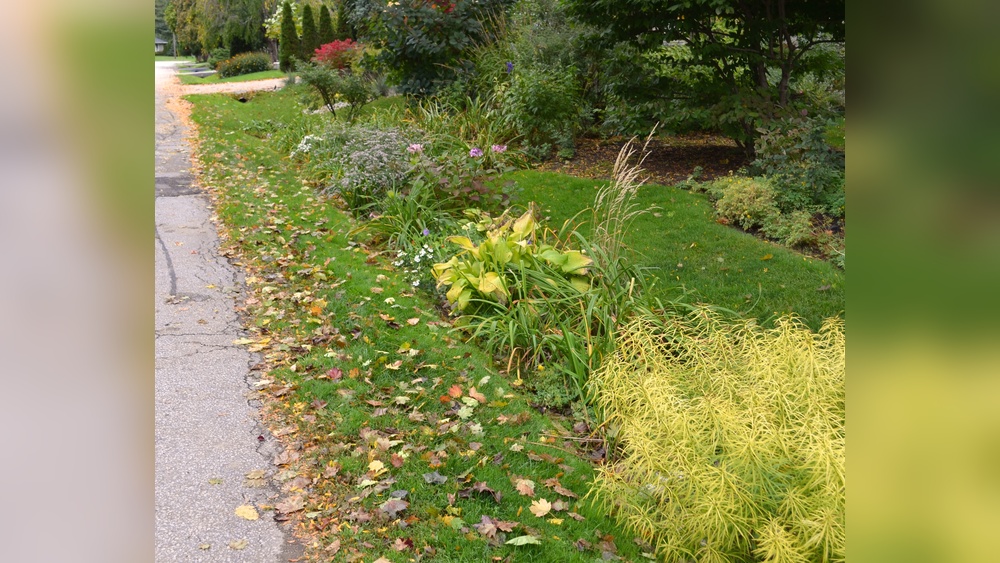
- Swales: Gently sloped, vegetated channels that slow and spread runoff.
Each type of ditch has a specific role. Surface ditches are ideal for flat gardens with minor runoff, while French drains provide a solution for persistent waterlogging in clay soils or near hardscapes. Swales, on the other hand, double as attractive landscape features, especially when planted with moisture-loving ornamentals or native grasses.
The choice depends on your unique garden needs, climate, and aesthetic preferences.
Additional Examples
- Bioswales: Enhanced swales that include engineered soil layers and native vegetation, often used in eco-friendly landscapes.
- Trench drains: Narrow, straight ditches with grates, commonly installed along hardscape edges or patios to prevent water from entering garden beds.
The Science Behind Water Flow And Roots
Plants need consistent moisture but cannot tolerate standing water for long. Studies show that most vegetable and ornamental roots thrive in soils with a moisture content of 20-30% by volume (ScienceDirect). Excess or depleted water disrupts nutrient uptake, stunts growth, and increases disease risk.
The way water travels through your garden depends on soil structure, organic matter content, compaction, and root density. Ditches act as pressure release valves in saturated soils, allowing excess water to move away from root zones. However, soil capillarity means water can also be drawn laterally from the root zone toward a ditch, especially in drier weather. This underscores the importance of proper distance: close enough to drain excess, but not so close that plants are chronically under-watered.
Field experiments at agricultural research stations have demonstrated that crops planted near well-placed ditches have larger root systems and higher yields. This is attributed to both reduced stress from water extremes and improved soil aeration, which benefits root respiration and beneficial microbial activity.

Factors Influencing Ditch Distance From Plants
Soil Type And Drainage Rate
Soil composition dictates how quickly water moves through the ground:
- Clay soils: Slow drainage; ditches should be closer (2-3 feet from plant roots).
- Sandy soils: Fast drainage; ditches can be further away (4-6 feet).
- Loam soils: Moderate drainage; aim for 3-4 feet distance.
| Soil Type | Recommended Ditch Distance | Drainage Rate |
|---|---|---|
| Clay | 2-3 feet | Slow |
| Loam | 3-4 feet | Moderate |
| Sandy | 4-6 feet | Fast |
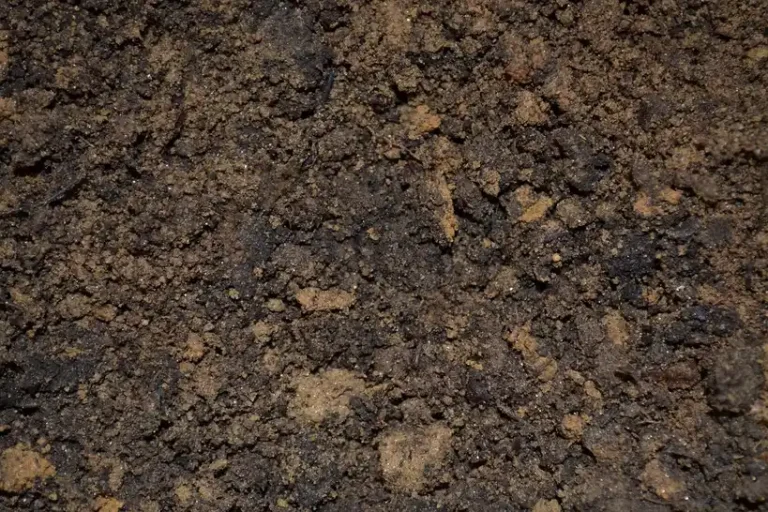
Clay soils, due to their fine particles, retain water longer and are more prone to waterlogging. In these soils, keeping ditches closer to plant roots can help relieve excess moisture that would otherwise suffocate roots. Gardeners in such soils often notice that puddles linger after rain.
In contrast, sandy soils drain water quickly, so ditches further away help conserve precious moisture and prevent over-drying. Loam, the gardener’s ideal, provides a balance but still requires attention to ditch spacing, especially during heavy rainfall or drought.
Practical Tip
Test your soil’s drainage by digging a 12-inch-deep hole, filling it with water, and timing how long it takes to drain. If it drains in less than 2 hours, you have sandy soil; more than 6 hours, clay; 2-6 hours, loam.
Plant Root System And Size
Different plants require unique approaches:
- Deep-rooted trees/shrubs: Ditches should be outside the root zone (6+ feet away).
- Shallow-rooted vegetables/flowers: 2-3 feet is typically sufficient.
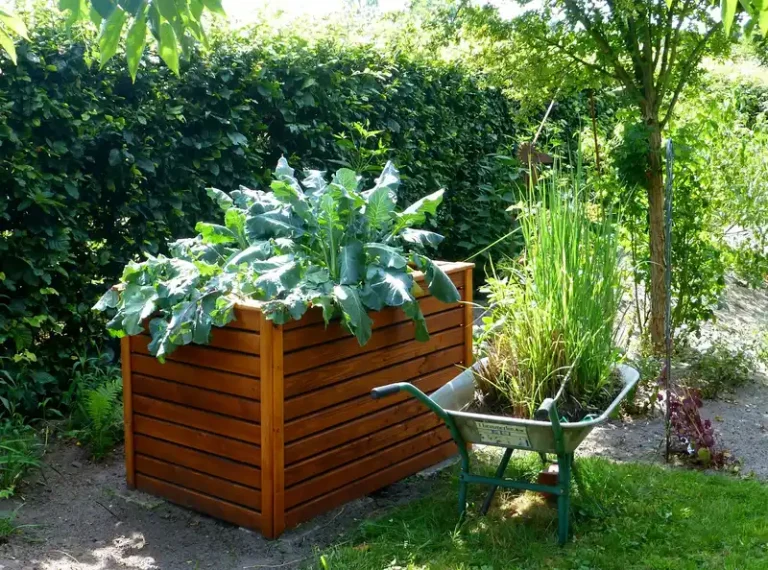
- Raised beds: Ditches may be as close as 1-2 feet, depending on bed width.
The size and architecture of a plant’s root system determine how much soil volume it accesses for water and nutrients. Fruit trees , for example, have expansive lateral roots that can extend well beyond their canopy. Placing a ditch too close can sever these roots or deprive them of moisture during dry spells.
On the other hand, annual vegetables with small, fibrous roots can tolerate ditches closer to their beds, as long as the soil is monitored for moisture fluctuations.
Example
A mature apple tree may have roots that spread 10-15 feet from the trunk, so ditches should be kept well outside this area. For lettuce or spinach in raised beds, a ditch just 1-2 feet away is often ideal, as their roots seldom penetrate deeper than 12 inches.
Slope And Garden Topography
- Steep slopes: Place ditches upslope at least 3-4 feet from plants to intercept runoff.
- Flat sites: Ditches can be closer, but should not cut through root zones.
Slope not only dictates where water will flow but also how quickly it moves. On steep sites, water gains momentum, increasing the risk of erosion. Ditches must be placed strategically to intercept water *before* it reaches vulnerable plant roots, and they may need to be reinforced with rocks, erosion blankets, or deep-rooted grasses.
On flat ground, water moves more slowly and may collect in low spots, so ditches can be placed closer for targeted drainage.
Additional Insight
Terracing is another solution for steep gardens: each terrace can have its own ditch along the back edge, preventing water from rushing downhill and pooling at the bottom.
Climate And Rainfall Patterns
- High rainfall regions: Closer ditches (2-3 feet) prevent saturation.
- Arid climates: Ditches can be further (4-6 feet) to conserve soil moisture.
Climate dictates how much excess water you’ll need to manage. In regions where heavy storms are common, closer ditches are necessary to prevent rapid saturation and root diseases. Conversely, in arid or Mediterranean climates, the goal is to conserve every drop of rain, so ditches should be set farther away, and sometimes only used for rare storm events.
In these cases, swales may be used to slow and infiltrate water rather than channel it away.
Example
In the Pacific Northwest, gardeners often place ditches close to beds to manage winter rains, but in the Southwest, ditches may be used seasonally or designed to recharge the soil rather than drain it.
Real-world Example: Backyard Vegetable Garden
A gardener in the Midwest with heavy clay soil reports water pooling after storms. By installing shallow ditches 2 feet from tomato and pepper beds, they reduced standing water and improved yields by 25% over the previous year.
This case highlights how small adjustments in ditch placement can yield significant improvements. The gardener also noted fewer fungal issues and less soil compaction after the change. Monitoring yields and disease incidence before and after ditch installation is a simple way for home gardeners to assess the impact of their water management strategies.

Best Practices For Ditch Placement In Home Gardens
Measuring And Marking Ditch Placement
- Map your garden beds and identify low spots.
- Measure root spread for each plant type.
- Mark ditch lines using stakes and string, ensuring consistent spacing.
Accurate measurement prevents costly errors and ensures ditches are optimally placed. Mapping your garden is best done with a simple sketch, noting the direction of water flow, the position of existing beds, and any hardscapes that may impact drainage. When marking ditch lines, use bright string or biodegradable spray paint for clear visibility.
For large gardens, consider using a laser level to check for slight slopes—this helps maintain a consistent grade for water movement.
Advanced Tip
For complex gardens, use a smartphone app with GPS or augmented reality features to plan ditch placement, especially if you plan to expand or reconfigure beds in the future.
Recommended Ditch Distances By Plant Type
| Plant Type | Minimum Safe Ditch Distance | Notes |
|---|---|---|
| Vegetables (lettuce, carrots) | 2-3 feet | Shallow roots |
| Tomatoes/peppers | 3 feet | Medium root depth |
| Fruit trees | 6-8 feet | Wide root zone |
| Shrubs (azaleas, hydrangeas) | 4-5 feet | Medium roots |
| Perennials (iris, daylily) | 2-3 feet | Shallow-moderate roots |
These guidelines are based on root system studies and field experience. Adjustments should be made for local conditions, such as unusually compacted soil or unusually large or old plants.
Avoiding Common Mistakes
- Do not cut through major root zones when digging ditches.
- Ensure ditches have a slight grade (1-2% slope) to promote flow.
- Line ditches with gravel or stones if erosion is an issue.
Another common mistake is failing to check for utilities or irrigation lines before digging. Always call local utility services to mark underground pipes or cables. When working near trees or shrubs, use hand tools rather than power equipment to avoid damaging roots.
Example
A gardener who dug too close to a mature hydrangea found the plant wilted and failed to flower the following season. Post-mortem excavation showed major roots had been severed by the ditch. Marking root zones before digging helps prevent such losses.
Seasonal Adjustments
- In spring, check for winter compaction and clear debris.
- In summer, monitor for excessive drying and adjust mulch coverage.
- In fall, clean ditches to prevent clogging from leaves.
During periods of heavy rain or snowmelt, inspect ditches weekly for blockages. In drought, consider temporarily blocking ditches with sandbags to retain more water. Adapting your ditch maintenance to seasonal changes ensures ongoing effectiveness.
Additional Maintenance Tips
- In winter, watch for ice dams forming in ditches, which can redirect water into beds. Break up ice as needed.
- In dry climates, use organic mulch along ditch edges to reduce evaporation and keep soil temperatures stable.
Real-world Example: Sloped Flower Garden
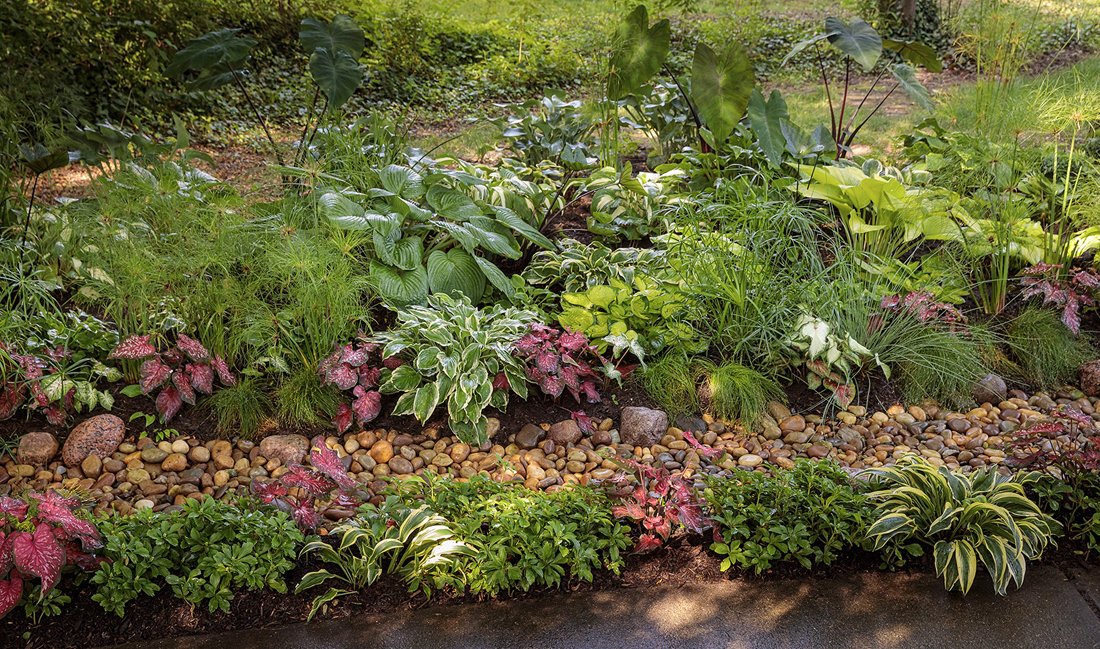
A Pacific Northwest gardener noticed erosion around their sloped perennial beds. By installing a vegetated swale 4 feet upslope, they stabilized the soil and reduced runoff, resulting in healthier, more robust blooms.
The swale was planted with native sedges and rushes, which anchored the soil and created seasonal habitat for pollinators. The garden’s water needs decreased, and the need for chemical fertilizers was reduced, as nutrients stayed in place rather than washing away.
Ditch Design And Construction Techniques
Choosing The Right Ditch Type
- Surface ditches: Best for quick removal of rainfall and irrigation runoff.
- French drains: Ideal for persistent soggy areas or heavy clay soils.
- Swales: Perfect for rain gardens and gentle slopes.
Your choice of ditch type should reflect not only the immediate drainage need but also long-term maintenance capacity. Surface ditches are simplest but may require frequent cleaning. French drains are more durable but costlier to install. Swales blend function with form, supporting pollinator and wildlife habitat.
Example
In a large community garden, swales were combined with deep-rooted perennial plantings to create a self-sustaining water management system that required minimal intervention after establishment.
Step-by-step Ditch Construction
- Dig the channel to the recommended depth (6-12 inches for most gardens).
- Grade the base for proper water flow.
- Add a gravel layer if building a French drain or erosion is a concern.
- Line with landscape fabric to prevent clogging (especially for French drains).
- Backfill and stabilize with soil, mulch, or turf as appropriate.
In heavy clay soils, consider adding a perforated pipe to the bottom of the ditch to further enhance drainage. For long ditches, include inspection ports every 10-20 feet to facilitate cleaning.
Sizing And Slope Considerations
- Ditch width should generally be 8-12 inches for small gardens, wider for larger areas.
- Slope of 1-2% (1-2 inch drop per 8 feet) ensures water movement without erosion.
A ditch that is too narrow will clog quickly; one that is too wide can destabilize adjacent beds. For very large or commercial gardens, consult with a landscape architect or civil engineer to ensure ditches meet local stormwater regulations.
Integration With Irrigation Systems
- Position ditches so they do not conflict with drip lines or soaker hoses.
- Use check dams or weirs in long ditches to slow flow and increase infiltration.
Integrating ditches with irrigation systems can be highly effective. For example, in permaculture systems, swales are sometimes used to capture and distribute rainwater, reducing the need for supplemental irrigation.
Real-world Example: Community Garden Installation
A community garden in Texas installed French drains 4 feet from raised beds after repeated flooding. Within a year, soil moisture stabilized and plant losses dropped by 60%. The project was featured by the local extension office (Texas A&M AgriLife Extension).
This garden also implemented a volunteer maintenance schedule to keep the drains clear, demonstrating the importance of community involvement in garden infrastructure success.
Ditch Placement For Different Garden Types
Vegetable And Herb Gardens
- Ditches should be 2-3 feet from bed edges to protect shallow roots.
- For wide beds (>4 feet), install ditches on both sides if possible.
- Maintain a minimum of 1 foot between ditches and bed corners.
For gardens with intensive succession planting , ditches can be modified seasonally to match crop rotation patterns.
Ornamental And Perennial Borders
- For mixed borders, base ditch distance on the largest plant’s root spread.
- If borders are against a structure, run ditches parallel and at least 3 feet out.
Well-designed ornamental borders often include ditches as hidden landscape features—swales planted with attractive groundcovers or bulbs. This approach preserves aesthetics while ensuring effective drainage.
Fruit Orchards And Shrub Rows
- Place ditches 6-8 feet from tree trunks, outside the drip line.
- For shrub rows, 3-5 feet is usually sufficient.
Ditches in orchards are often paired with berms or raised mounds to further protect roots during heavy rains.
Raised Beds And Container Gardens
- Ditches can be as close as 1-2 feet if the bed is well-contained.
- Ensure containers have adequate drainage before relying on external ditches.
For container gardens on patios or rooftops, consider using narrow French drains or surface channels that direct water to rain gardens or cisterns.
Comparison Table: Ditch Placement By Garden Type
| Garden Type | Ideal Ditch Distance | Key Notes |
|---|---|---|
| Vegetable beds | 2-3 feet | Shallow roots, rapid response |
| Ornamental borders | 3-5 feet | Account for largest plant |
| Fruit orchard | 6-8 feet | Outside drip line |
| Raised beds | 1-2 feet | Ensure containment |
These recommendations should be adjusted for unique conditions, such as extremely heavy soils, unusually large or old plants, or highly variable rainfall patterns.
Addressing Common Challenges With Ditch Placement
Preventing Erosion And Soil Loss
- Use gravel, river rock, or plants to stabilize ditch banks.
- Install check dams every 10-15 feet on steeper slopes.
- Mulch exposed soil to prevent washouts.
In addition to physical barriers, consider planting deep-rooted native grasses or groundcovers along ditch edges. These plants hold soil in place and help filter runoff, reducing nutrient loss and improving downstream water quality.
Managing Pests And Weeds
- Keep ditches weed-free to reduce competition and pest harborage.
- Avoid using herbicides near ditches to protect water quality and beneficial insects.
Hand weeding, shallow cultivation, or flame weeding are effective methods for managing weeds in ditches, especially in organic gardens. Mulching ditch edges with straw or wood chips can further suppress weeds.
Dealing With Heavy Rain Or Flooding
- Increase ditch capacity or depth if frequent heavy rains occur.
- Use overflow spillways to direct excess water safely away from garden beds.
In flood-prone areas, install emergency overflow routes and consider temporary barriers such as sandbags during extreme weather. Check local flood maps and plan ditch placement accordingly.
Adjusting For Urban Or Small Spaces
- Use narrower, shallower ditches or French drains when space is limited.
- Consider rain gardens or bioswales for decorative drainage solutions (EPA: Rain Gardens).
Rain gardens and bioswales not only manage water but also add biodiversity and beauty to urban settings. These features can be incorporated along property lines, driveways, or even curb strips.
Real-world Example: Urban Pollinator Garden
A rooftop pollinator garden in Boston struggled with compacted soils and puddling. By retrofitting narrow French drains just 1 foot from planting zones, the garden improved drainage without sacrificing valuable growing space.
The garden also installed small rain barrels to capture runoff from drains, which was later used to irrigate the beds—a win-win for both water management and sustainability.
Maintenance And Long-term Ditch Performance
Routine Inspection Checklist
- Monthly: Clear leaves, debris, and sediment from ditches.
- After storms: Check for signs of erosion or overflow.
- Annually: Assess ditch depth, width, and slope; regrade or repair as needed.
Documenting maintenance activities in a garden journal helps track performance and anticipate problems before they become severe.
Repairing And Regrading
- Fill eroded areas with fresh soil and compact gently.
- If water pools in the ditch, increase slope slightly (no more than 2%).
- Replace or refresh gravel every 2-3 years for French drains.
Regular regrading ensures ditches continue to drain effectively, even as soil settles or plants grow. For long-term durability, use heavy-duty landscape fabric and high-quality gravel in French drains.
Planting Along Ditch Edges
- Use water-tolerant groundcovers (e.g., creeping Jenny, sedges) to stabilize banks.
- Avoid aggressive spreading plants that may clog the ditch.
Selecting the right plants for ditch edges can transform a utilitarian feature into a beautiful landscape element. Native species are often best, as they are adapted to local moisture fluctuations and support pollinators.
Signs Your Ditch Needs Adjustment
- Persistent standing water near plants.
- Exposed roots or eroded bed edges.
- Plants exhibiting drought stress despite rainfall.
If you notice these warning signs, re-evaluate your ditch placement, size, or maintenance routine. Sometimes, adding additional ditches or check dams is necessary.
Real-world Example: Native Plant Rain Garden
A rain garden in Maryland relies on swales to direct runoff from a parking lot. Annual maintenance involves replanting native grasses along ditches and removing silt. The garden now absorbs 90% of runoff, protecting local streams (Chesapeake Bay Program).
The project also improved neighborhood aesthetics and provided educational opportunities for local schools and community groups.
Expert Insights And Data-driven Recommendations
Research On Ditch Proximity And Plant Health
A study published in the Journal of Environmental Horticulture found that vegetable beds with ditches spaced 2-3 feet from roots had 30% fewer root diseases than beds with no drainage (JSTOR). Similarly, orchard trees with ditches beyond the drip line exhibited stronger growth and fewer fungal issues.
Further research from the University of Florida’s IFAS Extension found that proper ditch placement improved soil oxygen levels by 15-20%, resulting in better root structure and higher resistance to drought and pests. These data points underscore the importance of evidence-based design for home and community gardens alike.
Comparison Of Ditch Types By Effectiveness
| Ditch Type | Best Use Case | Installation Difficulty | Maintenance Needs | Effectiveness |
|---|---|---|---|---|
| Surface ditch | Vegetable beds, borders | Easy | Low | Good for light to moderate rain |
| French drain | Clay soils, heavy rainfall | Moderate | Medium | Excellent for subsurface drainage |
| Swale | Rain gardens, slopes | Moderate | Medium | Very good for infiltration |
When choosing a ditch type, balance effectiveness with available time and resources for installation and maintenance. In urban gardens, ease of maintenance may outweigh maximum drainage efficiency.
Tips From Professional Garden Designers
- Always account for future plant growth—roots expand over time.
- Use laser levels or water levels to maintain accurate ditch grades.
- Consult local guidelines for stormwater management, especially in urban areas (USDA NRCS).
Experienced designers recommend building ditches slightly larger than you think you need; it’s easier to reduce capacity later than to expand after plants are established. They also stress the importance of observing your garden during a heavy rain to identify where water naturally flows and pools.
Integrating Ditches With Sustainable Practices
- Combine ditches with mulching and composting to improve soil moisture and fertility.
- Use ditches to capture rainwater for later use in irrigation.
- Design ditches as part of wildlife-friendly or pollinator gardens.
Sustainable ditch design not only manages water but also enhances biodiversity and supports broader ecological goals. For example, ditches planted with pollinator-friendly species can provide foraging and nesting habitat, contributing to healthier local ecosystems.
Real-world Example: School Garden Project
A California elementary school installed ditches 3 feet from raised beds and planted native grasses along the edges. Over three years, garden productivity increased, and students learned about water conservation and ecosystem health (Rain Barrel Program).
The school also linked their ditches to rain barrels, integrating water conservation into the curriculum and reducing municipal water use.
Frequently Asked Questions
How Close Should A Ditch Be To Vegetable Plants?
For most vegetable plants, ditches should be 2-3 feet away from the root zone. This ensures roots receive adequate moisture without becoming waterlogged. In very sandy soils, you may increase this distance to 4 feet.
What Happens If A Ditch Is Too Close To Plants?
If a ditch is too close, it can dry out the soil excessively, depriving roots of needed moisture and nutrients. This often leads to stunted growth, wilting, and reduced yields, especially during hot or dry periods.
Can I Place Ditches Between Rows In A Raised Bed Garden?
Yes, placing shallow ditches or French drains between raised beds is effective, especially if beds are 4 feet wide or less. Maintain at least 1 foot of space between the ditch and the edge of each bed to avoid undermining the structure.
How Do I Prevent Erosion In My Garden Ditches?
To prevent erosion, line ditches with gravel, stones, or erosion control fabrics and plant groundcovers on the banks. On slopes, install check dams and avoid steep ditch gradients.
Should Ditches Be Used In All Types Of Soil?
Ditches are most beneficial in poorly-drained soils (like clay) or areas with frequent rainfall. In very sandy or fast-draining soils, ditches should be placed further from plants or used sparingly to avoid excessive drying.
Gardening success is built on a foundation of thoughtful planning and water management. By understanding how close ditches need to be to plants in your garden—and adjusting for soil, plant type, and local climate—you can create healthier, more resilient landscapes.
Regular maintenance and adaptation to your garden’s unique conditions will ensure your ditches continue to protect and nurture your plants for years to come. With the right approach, ditch placement becomes a powerful tool for every gardener dedicated to long-term success.