How to Plant Tiny Seeds Without Clumping
Sow tiny seeds by mixing them with about 10 parts dry inert carrier, then surface-sow or cover with about 1 to 2 times seed thickness at most. Without that, seeds clump, wash into piles, and germinate in uneven patches. This guide gives a repeatable sowing method, a surface-sow versus dust-cover decision tree, and fixes for trays and small containers.
Why tiny seeds clump so easily
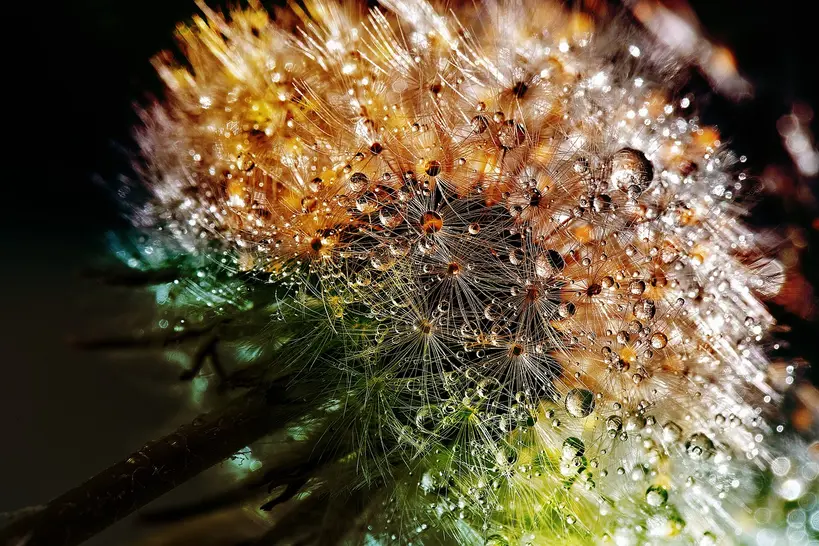

Tiny seeds clump because they are light, static-prone, and easy to trap on damp fingers or in a folded packet edge. Many also need light to germinate, so burying them too deeply works against them from the start. The goal is even distribution, not crowding.
Dust-fine seed behaves differently from small, rounded seed. A packet can pour too fast, then stop in a burst. The result is a dense patch in one corner and bare mix elsewhere. Keep the sowing surface flat, dry on top, and ready before you open the packet.
Seed size, static, and packet density
Dust-fine seed often sticks to plastic, paper, or a moist fingertip. Dry air increases static, while a slightly damp surface makes seed cling in clumps. If the packet holds a lot of seed, a full pinch can drop far more than you need in one spot.
A common first-timer mistake is tipping the whole packet over the tray. A 1-gram packet of petunia-like seed can look almost empty and still contain enough seed to cover several cells. Pour a little into a small dish first, then work from that smaller pool.
Why some tiny seeds need light
Many tiny seeds need light, so surface sowing is usually the safest default. If they are buried, they may never germinate. Others can take a whisper-thin cover, but the cover should still let light reach the seed and should not trap it under a heavy crust.
What tools help you sow tiny seeds more evenly?
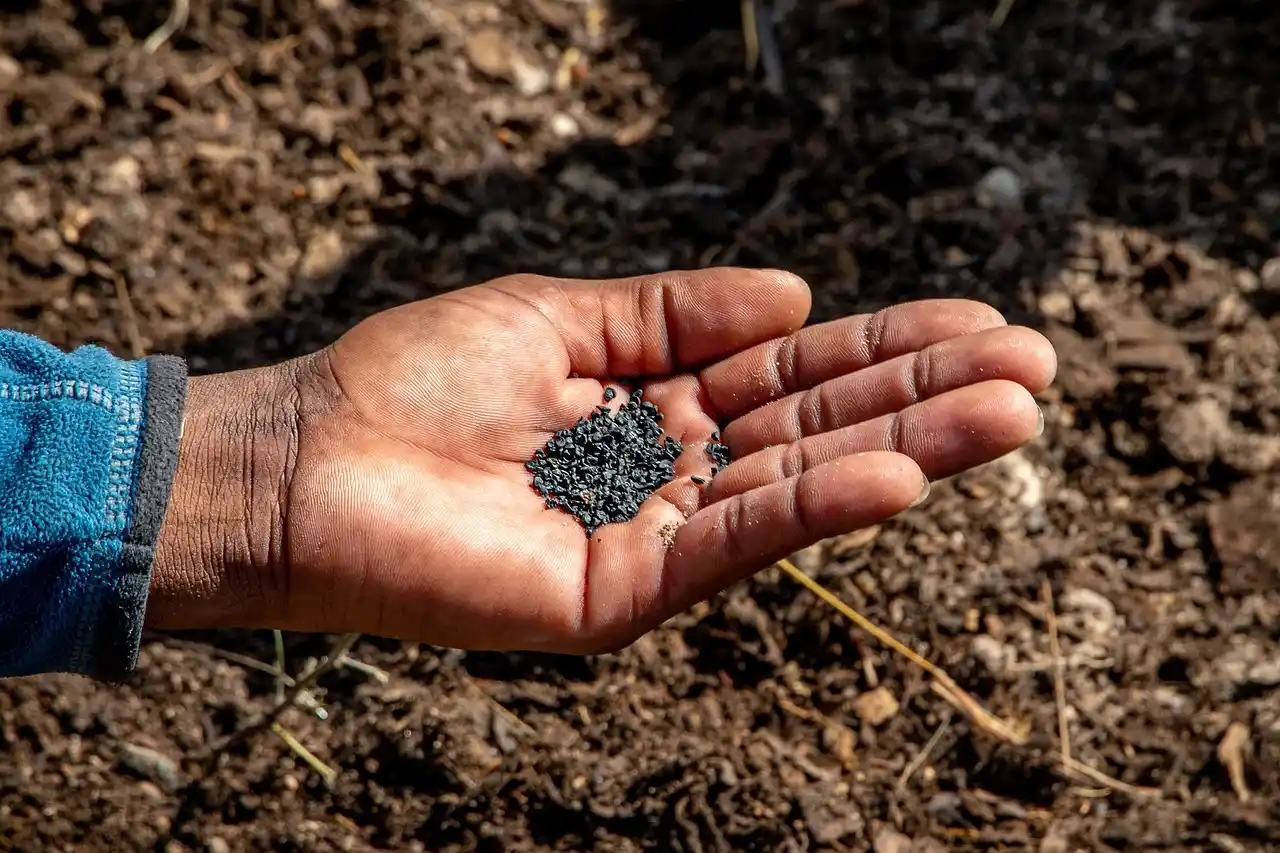
The easiest setup uses a fine seed-starting mix in a seed tray or cell insert, a seed dispenser or folded paper, and a mist sprayer. A propagator lid helps once the seeds are down, because it holds humidity without adding extra water from above. That keeps the top layer steady.
Use clean, fine-textured, sterile or low-disease-risk mix that drains well but still holds moisture. Coarse compost invites gaps, while soggy mix makes seed sink. BBC Gardeners’ World uses cellular trays filled with compost for tiny seeds, which suits small, controlled sowings.
Seed-starting mix and tray setup
Fill the tray or cells to the rim, then tap the container lightly so the surface settles evenly. Do not compact it hard. A flat top helps seed stay where you place it, and it also makes later misting less likely to move seed into hollows.
Water the mix before sowing if it is dry. Let excess water drain, then wait until the surface looks evenly damp rather than glossy. If the top is wet enough to shine, seed may float or slide into piles.
Seed dispenser, folded paper, and damp-toothpick options
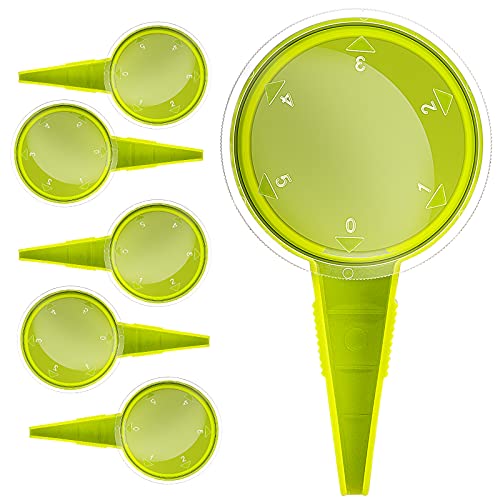
A seed dispenser gives the most control for dust-fine seed. Folded-paper tapping works well for tiny but not dust-like seed: place a few seeds in the crease and tap them out in short bursts. A damp toothpick helps lift and place a few seeds at a time when you want a very sparse row.
Pre-mixing with a dry carrier is the best rescue when a packet is too dense. Stir the seed with clean, dry fine sand, vermiculite, or another inert carrier, using about 10 parts carrier to 1 part seed as a common rule of thumb. That slows the flow and makes the scatter easier to read.
When a propagator lid helps
A propagator lid helps once the seeds are down and the surface is damp, not dripping. It raises humidity so the mix dries more slowly between mists. Use it in warm, sunny conditions, but vent it if condensation becomes heavy enough to drip back onto the tray.
Start with a level tray of fine seed-starting mix, choose one distribution method, and place the seed on the surface first. Then settle it with the lightest cover that fits the seed type. Tiny seeds often need surface sowing rather than deep planting, so keep the finish shallow and even.
For dust-fine seed, the simplest route is carrier mixing plus surface sowing. For slightly larger tiny seed, folded-paper tapping or a seed dispenser may be enough on its own. Do not bury small seeds deeply; if they are buried too deeply, they may never germinate.
- Fill the tray or cell insert with fine seed-starting mix and level the top.
- Moisten the mix with a mist sprayer until it is evenly damp.
- Choose one sowing method: dispenser, folded paper, or damp-toothpick transfer.
- Scatter seeds sparsely across the surface rather than aiming for a thick line.
- Use a very thin cover only if the seed size and light needs call for it.
- Press or settle the seed gently so it contacts the mix without getting buried.
- Cover the tray with a propagator lid if humidity needs to stay high.
Say your lettuce seed comes out in a dense corner because the packet suddenly spills. Stop right away. Tip that patch into a spoon, mix the seed with dry carrier, then resow the tray surface in a thinner scatter. The fix is usually faster than trying to separate each seed by hand.
Tiny-seed sowing matrix
This matrix gives a practical choice by seed size, cover, and watering method. Use it as a quick decision aid, then adjust for the packet instructions if they are stricter. The main rule stays the same: the smaller the seed, the lighter the handling.
| Seed size | Sowing method | Cover type | Watering method | Clumping risk |
|---|---|---|---|---|
| Dust-fine | Pre-mix with dry carrier, then surface-sow | No soil cover, or a dusting of vermiculite | Mist sprayer | High without carrier |
| Small tiny | Folded-paper tapping or seed dispenser | Very thin vermiculite top dressing | Mist sprayer or spray bottle | Moderate |
| Slightly larger tiny | Pinch sowing into trays or cell inserts | Light grit layer or a shallow cover | Gentle mist, then bottom moisture if needed | Lower, but washout still possible |
Troubleshooting clumps, washout, and patchy germination
- Clumps at sowing: Mix seed with 10 parts dry carrier, then resow from a shallow dish.
- Seeds wash into piles: Switch from a watering can rose to a mist sprayer or spray bottle.
- Static pulls seed to the packet or fingers: Work from a paper crease or use a dry tool, not wet fingertips.
- Uneven tray moisture: Water the mix before sowing and level the surface again before reseeding.
- Patchy germination: Check whether some seed sat too deep, dried out, or was blown aside by watering.
Should tiny seeds be covered or left on top?
Leave most very tiny seeds on the surface if they need light. Use a very thin cover only when the packet instructions or the seed size make that sensible. A heavy cover is risky, because tiny seeds can lose light and fail to emerge.
Surface sowing is the default for many flower, herb, and vegetable seeds in the tiny range. If a cover is needed, it should be so light that the seed is still close to the light and close to the air. Think dusting, not burial.
Very thin vermiculite top dressing
Vermiculite works well as a very thin top covering because it holds seeds in place and lets more light through than heavy soil. It also reduces surface crusting. Use just enough to blot the dark mix below, not enough to create a new soil layer.
A fine vermiculite layer is especially useful when seeds are so light they bounce, scatter, or sit in tiny hollows. Keep the layer thin enough that you can still see some seed shape or the outline of the sowing pattern.
When a light grit layer helps
Fine horticultural grit can help prevent seed washout, especially in trays where watering tends to dislodge the top layer. Use only a very light layer. The aim is to anchor the seed, not to bury it under stones.
Grit suits seeds that can tolerate a touch of cover and need a stable surface after sowing. If the seed is dust-fine and light-dependent, use vermiculite instead, or no cover at all.
How do you water tiny seeds without washing them away?
Use a mist sprayer or spray bottle. That is the safest way to moisten tiny seeds without displacing them. A watering can rose can wash seeds out of position, and overwatering can make them float or bury themselves too deeply.
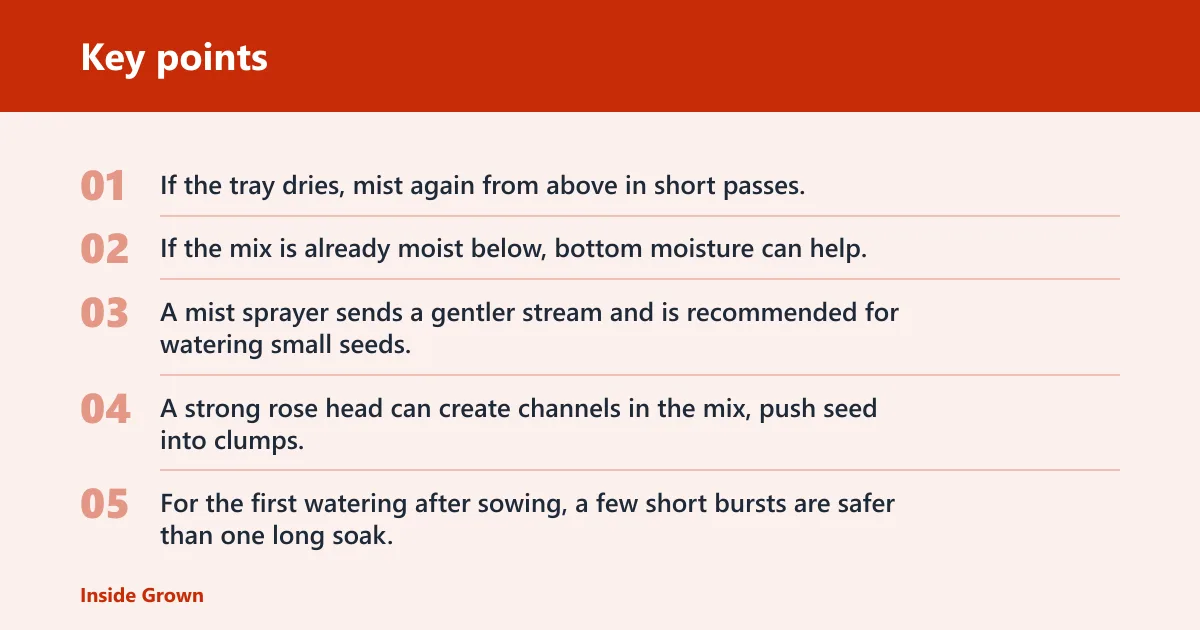
Keep the surface evenly damp, not soggy. If the tray dries, mist again from above in short passes. If the mix is already moist below, bottom moisture can help, but avoid flooding the tray from the top.
Mist sprayer vs. watering can rose
A mist sprayer sends a gentler stream and is recommended for watering small seeds. A strong rose head can create channels in the mix, push seed into clumps, or expose some seed while burying others. Spray from above in a light pass, then stop.
For the first watering after sowing, a few short bursts are safer than one long soak. If the top surface looks slick, you have already used too much force.
Keeping the mix moist, not soggy
Moisture should stay even through the top layer. If a finger press brings up water, the mix is too wet. If the surface turns pale and dusty, it is too dry. Aim for a damp but open texture that still holds air around the seed.
Warm, sunny conditions help small seeds germinate, but bright heat can dry a shallow tray fast. A propagator lid can help keep humidity up while the seed sits in stable moisture. Vent it if condensation becomes heavy.
Suppose a tray of basil seed dries at the corners while the center stays wet. Mist the dry edges only, then rotate the tray and close the lid again. Uneven moisture often creates patchy germination that looks like weak seed, when the real problem is uneven watering.
How can I thin out seedlings after tiny seeds germinate?
Thin seedlings after true leaves develop. Do not rely on seed leaves, because they only show that germination happened. Once true leaves appear, remove extras so the strongest seedlings have space, light, and air around them.
Use fine scissors or pinch the weaker seedlings at the base. Pulling can disturb nearby roots in a crowded tray. Leave the healthiest plants at the spacing suggested for the crop, then keep the mix lightly moist while they recover.
Frequently asked questions
What is the easiest way to plant tiny seeds?
The easiest method is to fill a tray with fine seed-starting mix, moisten it, and use a seed dispenser or folded paper to sow onto the surface. That keeps the seed visible, reduces clumping, and avoids burying light-dependent seed too deeply.
Should tiny seeds be covered with soil or left on the surface?
Most tiny seeds should stay on the surface if they need light. If they can take cover, use only a very thin layer of vermiculite or fine grit. Heavy soil cover is risky for tiny seed and can stop germination.
How deep should very small seeds be planted?
Very small seeds are usually surface-sown or covered only very shallowly. If they are buried too deeply, they may never germinate. As a practical limit, keep any cover very thin and guided by seed size and light needs rather than by a fixed deep depth.