Best Potting Mixes for Houseplants (2026): we compared
For most houseplants, use an airy indoor potting mix; choose a moisture-holding mix for thirsty tropicals and standard mix only for fast-draining pots or drought-tolerant plants. Pick the wrong mix and roots stay wet too long, dry too fast, or slump after repotting. This guide compares standard, airy, and moisture-holding mixes by plant type, pot, and drainage setup.
This guide is part of our Houseplant care guide for healthy indoor plants series.
Best potting mix for houseplants: the short answer
The best overall potting mix for most houseplants is a balanced base mix that drains well, still holds some moisture, and can be adjusted with bark or castings when needed. I start here for repotting, soil refreshes, and rescue jobs where the plant in front of me matters more than the label on the bag.
Use a chunkier aroid mix when roots need more air than water. Use a fern mix when the plant dries too fast in your room. The wrong choice usually fails the same way: soggy roots, compacted soil, or leaves that crisp because the pot and mix cannot match the plant’s pace.
According to Houseplant Soil — Rosy Soil sells the houseplant soil in an 8-quart size for 4 to 6 plants. (source)
Quick comparison
| Product | Badge | Best for | Price | ||
|---|---|---|---|---|---|
 | Craft Organic Houseplant Potting Mix, Elite House PlantGrow Queen | Our pick | Chunky, peat-free mix for tropicals and aroids | $15.99 Price as of 28 Sep 2026 | View |
 | Rosy Soil Houseplant Potting Soil, Organic Indoor PottingRosy Soil | Upgrade pick | Organic, living soil with mycorrhizal fungi | $19.99 Price as of 28 Sep 2026 | View |
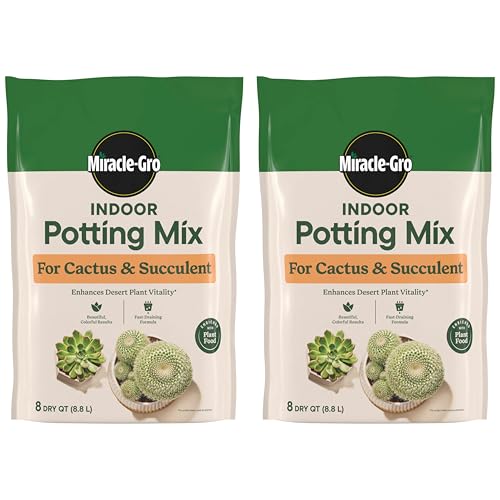 | Miracle-Gro Indoor Potting Mix for Cactus & Succulent, 8Miracle-Gro | Budget pick | Cactus and succulent mix with perlite and sand | $8.83 Price as of 28 Sep 2026 | View |
 | Espoma Organic Seed Starter Premium Potting Soil Mix – AllEspoma | Also great | Organic seed starter mix with mycorrhizae | $20.93 Price as of 28 Sep 2026 | View |
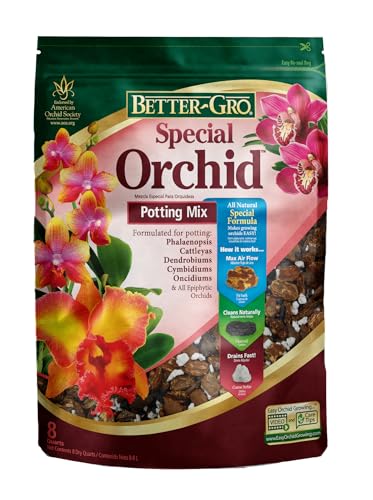 | Better-Gro Special Orchid MixBetter-Gro | Our pick | $7.37 Price as of 13 Nov 2026 | View |
Read this table as a fit check, not a ranking. The right mix depends on plant type, root condition, pot material, and how often the plant dries out between waterings.
If a plant has a root rot history, lean toward more airflow. If it dries in two days in terracotta, lean toward more retention before you reach for a chunkier blend.
How we chose
The decision points here are simple: drainage and aeration first, then moisture retention matched to the plant, then ingredient quality, then the repotting job at hand. I have watched a mix work in one plastic pot and fail in another terracotta pot the same week.
This guide also separates plant behavior from pot behavior. Fast-drying pots, low-light rooms, and heavy watering habits all change the answer.
Base mix: best for most houseplants
A general-purpose base mix is the right call for most indoor plants because it balances drainage, water retention, and aeration without forcing the roots into an extreme. Root Houseplants sells a 5L base mix, which is the sort of size that fits routine repotting jobs and simple soil refreshes.
Use a base mix for pothos, philodendrons, peace lilies, spider plants, and many nursery plants that are moving into a normal indoor pot. It is also the safest answer when the plant is healthy and you are repotting for size, not for rescue.
When to use it
Choose base mix when the plant is slightly rootbound, the soil has broken down, or the old mix is tired but not rotten. It is also the better pick when you are unsure whether a plant wants airy or moisture-holding media, because it gives you room to adjust.
When to adjust it
Add pine bark fines when the plant sits in a plastic pot, gets watered often, or has roots that stay wet for too long. Add a little more worm castings or compost only if the plant is hungry and the pot drains well; too much of either can push the mix wet and heavy.
What not to do
Do not turn a base mix into potting paste with too much compost, castings, or fine peat. That defeats the point of a houseplant potting mix and can make compacted soil worse after watering.
Aroid mix: best for monstera, hoya, and other airy-root plants
Aroid mix suits roots that want oxygen between waterings. Root Houseplants offers an aroid mix in 5L size, and that kind of chunky blend fits monstera, hoya, anthurium, and similar plants that dislike staying wet around the crown.
Chunky texture matters because it leaves more open space around the roots. That helps in warm rooms, bright windows, and pots that do not dry slowly on their own.
When aroid mix is the right choice
Use aroid mix when the plant already dries within a few days, the pot is plastic, or the roots have a history of staying wet. It is also the stronger choice for plants with thick aerial roots and a habit of clinging to bark in nature.
When it dries too fast
Aroid mix can be too fast in terracotta, high light, or a room with low humidity. If the plant wilts before the next normal watering day, move back toward a base mix or blend in a little more moisture-holding material.
Fern mix: best for moisture-loving plants
Fern mix is the better call when a plant needs more water-holding capacity and finer structure. Root Houseplants sells fern, hoya, and aroid mixes, which is useful because ferns sit at the opposite end of the watering spectrum from many aroids.
Ferns want even moisture without waterlogging. In a dry room, a fern mix can keep the root zone from swinging from wet to bone-dry too fast.
When fern mix works
Use fern mix for Boston fern, button fern, bird’s nest fern, and other humidity-loving plants that sulk when the medium dries hard. It also helps when you water on a steady schedule and the pot is not a large plastic reservoir.
When fern mix becomes too dense
Fern mix can be too heavy in low light, a self-watering pot, or a plant already showing soft stems and stale soil. If roots have any rot history, move away from moisture-heavy media before you add more organic matter.
What should you look for in a houseplant potting mix?
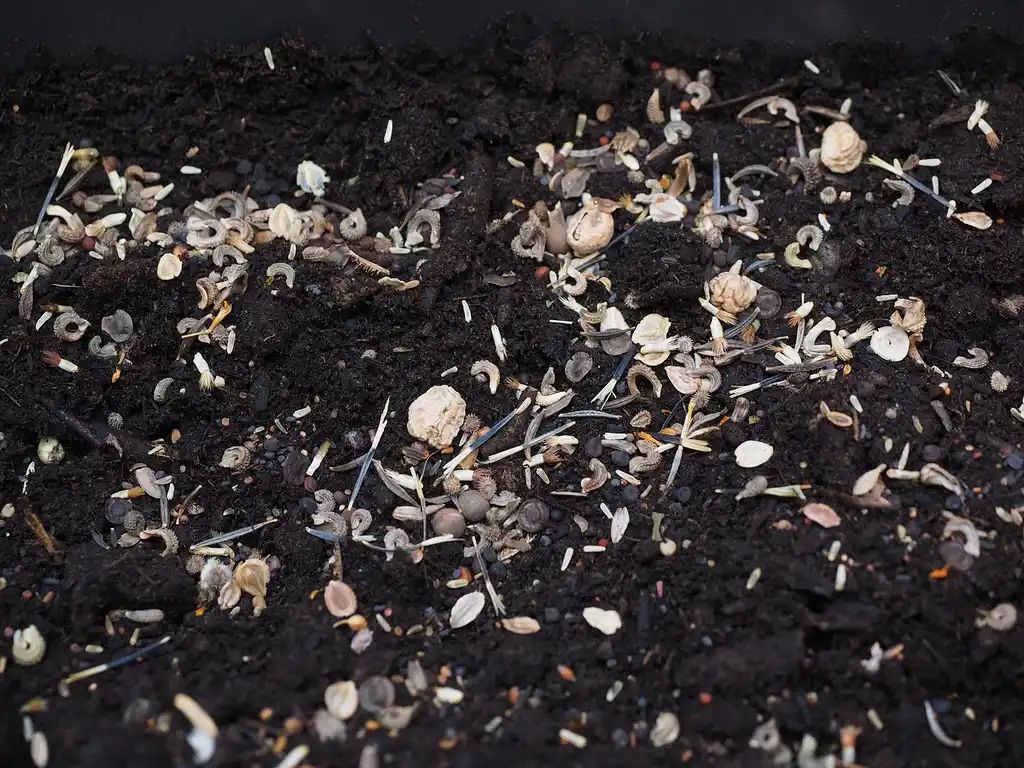

Look for a mix that manages drainage, aeration, and moisture retention in the right proportion for the plant. The ingredient list matters because each component changes how long the root zone stays wet, how much air moves through it, and how much food the plant can access.
Pine bark fines for structure and airflow
Pine bark fines improve soil structure and increase aeration. Rosy Soil says pine bark fines do that in its houseplant soil, and that is the kind of ingredient that keeps a mix from settling into mud after repeated watering.
Biochar for nutrient retention and microbial habitat
Biochar helps increase nutrient retention and gives beneficial microbes a place to live. Rosy Soil lists biochar as an ingredient, and that matters most in indoor mixes where the root zone needs stability over time rather than a quick nutrient dump.
Mycorrhizae for root support
Mycorrhizae are beneficial microorganisms that live in symbiosis with roots and help with nutrient uptake. Rosy Soil says its mix includes mycorrhizae, which is useful after repotting because disturbed roots often take time to rebuild their feeding network.
Worm castings and compost, with moisture trade-offs
Worm castings add organic nutrients and support plant growth. Compost does the same thing while adding organic matter, but both can make a mix stay wetter than expected if you overuse them, especially in plastic pots or low light.
Diatomaceous earth and where it actually helps
Diatomaceous earth is a mineral powder that can help with soil-dwelling gnats, and Rosy Soil includes it in its houseplant soil for that reason. It is not a cure for overwatering, but it can be part of a cleaner indoor mix when gnats are part of the problem.
Peat-free vs peat-based: what changes in practice
Peat-free mixes often dry faster and feel airier, which helps with plants that resent wet feet. Rosy Soil says its houseplant soil is peat-free, while many conventional indoor mixes still use peat as a water-holding base. Peat-based mixes can make sense in dry rooms or for plants that need steadier moisture, but they ask for tighter watering control.
Which one should you buy?
Choose by the plant’s behavior, then by the pot. A mix that fits a terracotta pot in bright light may be wrong in plastic under lower light, and that mismatch is where most repotting mistakes start.
Fast-drying pot, terracotta, or bright window
Pick a base mix with more retention or a fern mix if the plant wants moisture. Terracotta pulls water out of the mix, so a very airy blend may become too dry too quickly.
Plastic pot, low light, or heavy watering
Pick an aroid-style mix or a base mix adjusted with bark fines. These setups keep moisture around longer, so the mix needs more air space to avoid stale, wet roots.
Root rot history or soggy soil
Choose the airiest safe option. Better-Gro orchid bark mix is worth considering for the driest, most epiphytic plants, and a chunky grower mix can help a rescue plant recover if the roots are still worth saving.
Rootbound plant with healthy roots
Refresh, do not overcorrect. A healthy rootball usually needs a slightly larger pot and fresh base mix, not a drastic switch to a much wetter or drier formula.
Decision matrix: match the mix to the plant and the problem

This matrix is the practical part. Match the plant, the root condition, the watering pattern, and the pot material before you buy anything.
| Plant type | Root condition | Watering pattern | Pot style | Right mix | Do not use |
|---|---|---|---|---|---|
| Monstera | Healthy, slightly rootbound | Water when the top layer dries | Plastic | Aroid mix or base mix with bark fines | Fern mix; heavy compost blend |
| Hoya | Healthy roots | Infrequent watering | Terracotta | Chunky aroid mix with extra airflow | Moisture-heavy fern mix |
| Fern | Fine, active roots | Frequent watering | Plastic or glazed ceramic | Fern mix | Very chunky aroid mix |
| Peace lily | Drying fast, no rot | Steady watering | Any standard pot | Base mix with a little compost or castings | Pure bark or orchid mix |
| Spider plant | Slightly crowded | Regular watering | Plastic | Base mix | Overly chunky aroid mix |
| Root-rot rescue | Soft or dark roots | Water only after full dry-down | Terracotta | Airiest safe mix with bark and pumice | Compost-heavy or castings-heavy mix |
| New nursery plant | Unknown | Moderate watering | Plastic nursery pot | Base mix as a reset | Immediate custom blend changes |
Repot now or wait
Repot right away if the plant is rootbound, the soil is breaking down, or the mix stays wet and sour. Wait if the plant is in bloom, newly shipped, or already stressed and the roots are still fine; in that case, a top-off or gentle refresh is safer.
Simple rule for new plants
If the plant arrived in a soggy, compacted nursery plug, move it sooner. If it arrived in a healthy mix and is only mildly crowded, let it settle first and change the pot later.
Can the wrong potting mix cause root rot or crispy leaves?
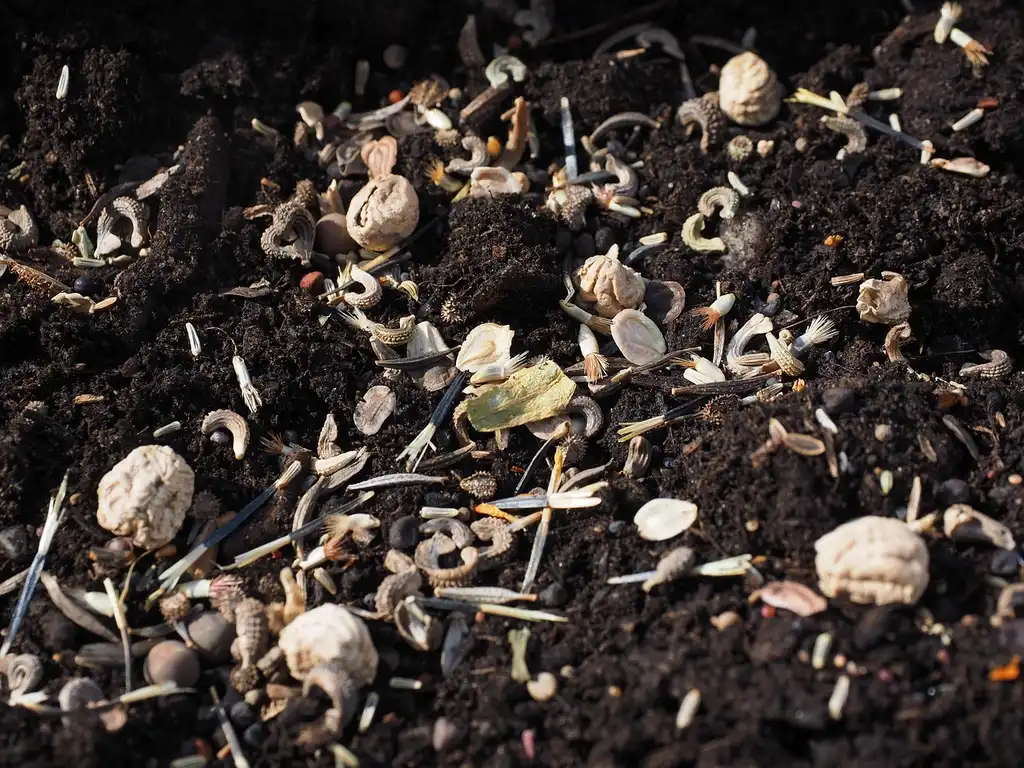
Yes. A mix that holds too much water can keep roots wet long enough to rot, while a mix that dries too quickly can leave the plant with crispy edges and stalled growth. The same plant can show either problem depending on the pot, light, and watering pattern.
Root rot usually shows up with soft stems, sour-smelling soil, and a pot that still feels heavy days after watering. Crispy leaves usually point to the opposite: a mix that drains too fast for the room or pot, especially in terracotta or strong sun.
How often should I refresh or top off houseplant soil?

Refresh houseplant soil when the mix has broken down, compacted, or stopped draining the way it used to. Top off only when the rootball is still healthy and the surface has sunk a bit; that is a maintenance job, not a full repot.
For most indoor plants, a light top-off is enough when the pot has settled but roots still look white and firm. If the surface stays crusted, dense, or waterlogged after watering, it is time for a full change rather than another layer on top.
Should I repot a new houseplant right away or wait?
Repot a new houseplant right away only when the current mix is clearly wrong: soggy, compacted, rootbound to the point of circling, or full of pests. If the plant is healthy and the soil is workable, waiting reduces stress and lets the plant adjust first.
New plants often fail when the owner changes both the pot and the mix at the same time without a reason. If you do repot, keep the new mix close to what the roots can already handle.
Frequently asked questions
What is the best potting mix for houseplants?
The best potting mix for most houseplants is a balanced base mix that drains well, holds some moisture, and still leaves air around the roots. That is the safest default for healthy plants, while aroid mix or fern mix makes more sense when the plant or pot demands a different water balance.
When should I use regular potting soil versus a chunkier aroid mix?
Use regular potting soil, or a base mix, for plants with moderate water needs and ordinary nursery roots. Use a chunkier aroid mix when the plant has airy roots, hates staying wet, or sits in a pot that dries slowly. The chunkier mix is for airflow, not for every plant.
Do houseplants need peat-free potting mix?
No, but many indoor growers prefer peat-free because it often drains faster and avoids the overly wet feel some peat blends can create. Rosy Soil says its houseplant soil is peat-free. Peat-based mixes still have a place in dry rooms or for plants that need steadier moisture.
What ingredients should I look for in houseplant potting mix?
Look for pine bark fines for structure, biochar for nutrient retention, mycorrhizae for root support, and a measured amount of worm castings or compost for food. Diatomaceous earth can help with gnats. The right mix depends on whether the plant needs more airflow or more moisture.