How to Care for Calathea Indoors: Light, Water, Humidity
Care for calathea indoors by fixing the symptom first: give bright indirect light, let the top 1 to 2 inches of soil dry before watering again, keep humidity at 50% or higher, and use filtered water. Bright indirect light and steady moisture are standard guidance for calathea, while dry indoor air and mineral-heavy water are common reasons for crisping, curling, and brown tips. If the soil stays wet too long, root rot becomes a bigger risk. This guide walks through symptom-by-symptom calathea care, then shows how to check for recovery over about 2 to 4 weeks. [1] [2]
What calathea needs indoors


Calathea is a tropical understory houseplant that prefers bright indirect light, warmth, steady moisture, and high humidity. It is commonly listed as non-toxic to cats and dogs, but it reacts fast when light, water, humidity, or water quality slips out of range. [1]
Which calathea types need extra attention?
Ornata and orbifolia usually need the same core care as other calatheas, but they tend to show stress fast. Ornata often shows crisping and edge burn first, while orbifolia can show droop and leaf damage more quickly if humidity drops or the mix dries too far. Rattlesnake types are also sensitive, though many tolerate brief dryness a bit better than orbifolia.
That sensitivity is why diagnosis matters. A plant with curled leaves does not need the same fix as one with yellowing from soggy soil.
What light does calathea need indoors?
Calathea needs bright indirect light. Put it near an east window, or near a west or south window only if a sheer curtain softens the light or the plant sits back from the glass. Direct sun can scorch leaves, while low light usually slows growth and can flatten color.
How to spot too much sun
Leaf scorch usually shows up as pale patches, crispy tan areas, or edges that dry out on the side facing the window. If the damage appears after a move to a brighter spot, light is the first thing to adjust. Pull the plant back from the glass or add diffusion before changing anything else.
What low light changes
Lower light does not usually kill calathea quickly, but it does reduce vigor. New leaves may take longer to unfurl, stems may stretch, and watering needs often slow down. If the plant is in dim light and the soil stays wet longer than expected, root problems become more likely.
How often should you water calathea?
Water when the top 1 to 2 inches of soil feel dry, then water thoroughly and let excess drain away. Keep the soil evenly moist, never waterlogged. In winter, reduce watering because cooler air and slower growth mean the mix dries more slowly. A larger pot and a heavier, less airy mix usually extend the interval; brighter light, warmer rooms, and faster-draining mixes shorten it.
How water quality changes results
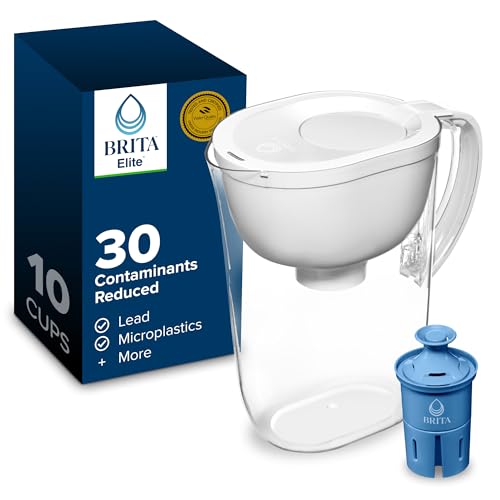
Calathea are sensitive to tap-water minerals and other dissolved compounds, so water quality can matter as much as frequency. Filtered water is a practical default. Distilled water has the fewest dissolved minerals. Rain water can work well if it is collected cleanly. Dehumidifier water is usually best avoided unless you know the collection container stays clean and free of contaminants.
If leaf tips brown even when the soil is evenly moist, water quality deserves a close look. Minerals can build up in the mix over time, especially with repeated tap-water use.
Winter watering adjustments
Winter care needs a smaller watering response. Check the top layer less often, water only after the mix has started to dry, and empty any saucer or cachepot after watering. Cold windows and dry indoor heat can make the plant look thirsty, but the roots may still be sitting in wet soil.
Soil, pots, and drainage
Use a porous, moisture-retentive mix that still drains freely. Good options include a blend with perlite, coco coir, pine bark, compost, or a peat-based mix. African violet mix can also work if it is loose enough for roots to breathe.
Why drainage holes matter
A pot needs drainage holes so extra water can leave the container. Without them, calathea can stay too wet for too long, which invites root rot. A potting mix can be fine and still fail if the bottom of the pot becomes a standing-water zone.
When to repot
Repot when roots crowd the pot, water runs straight through without soaking the mix, or the plant dries out unusually fast because roots have taken over the container. Repot also when root rot is present. Trim damaged roots, then move the plant into a fresh porous mix and a pot with drainage holes.
Suppose a 6-inch calathea dries out in a day but the leaves still droop. That can point to a root-bound plant rather than simple thirst, especially if roots circle the pot or push through drainage holes.
What humidity level is best?
Calathea does best with at least 50% humidity, and long-term growth is often better above 60%. A humidifier is usually more effective than misting alone because it raises the air moisture around the plant more consistently. Misting can help briefly, but it rarely fixes dry indoor air on its own.
Humidifier versus misting
Use a humidifier when the plant sits in a dry room, especially near heating or air-conditioning. A pebble tray with water can act as a backup method, but it is weaker than a humidifier and should not be treated as the main fix for chronic crisping or curling.
How to judge whether humidity is the problem
Low humidity usually shows up as crispy edges, curling, and slowed leaf expansion while the soil itself is not bone-dry. If several nearby tropical plants show similar stress, the room air may be the issue. If only one plant struggles, check water quality, root health, and light too.
Temperature and feeding
Keep calathea warm indoors. One guide places the range at 65°F to 75°F, while another lists 70°F to 85°F. Either way, avoid cold drafts, air-conditioning vents, and chilled windows. Keep winter temperatures above 55°F when possible.
Fertilizer timing and strength
Feed lightly. Use a balanced liquid fertilizer at half-strength once a month in spring and summer for most indoor calathea. Stop feeding or reduce feeding in winter. Too much fertilizer can burn leaf margins, so brown edges are not always a humidity problem.
- Check the symptom first: curling, browning, yellowing, drooping, scorch, or mushy roots.
- Match the symptom to the most likely cause before changing multiple variables.
- Adjust light next, especially if the plant is in direct sun or deep shade.
- Then correct watering, including the top 1 to 2 inches of soil and winter slowdown.
- Raise humidity with a humidifier if the air is dry.
- Switch to filtered, distilled, or rain water if tip burn keeps returning.
- Check drainage and roots if the plant stays wet or keeps declining.
- Wait 2 to 4 weeks to judge recovery.
Why leaves curl, brown, or yellow?
Curling usually points to dry air, inconsistent watering, or root stress. Brown tips often point to low humidity, mineral-heavy water, or fertilizer burn. Yellowing and drooping more often point to soggy soil, poor drainage, or early root rot. Leaf scorch points first to too much direct sun.
What not to do first
Do not respond to every symptom with more water. That can turn a mild stress signal into root rot. Do not move the plant from one extreme to another every day. Calathea needs a steadier routine, and it needs time after each correction to show whether the fix is working.
A common first-timer mistake is misting a calathea with crisp edges several times a day while leaving it in a hot, bright window. The leaves may still brown because the real problem is low room humidity plus too much light, not a lack of surface moisture.
When to suspect root rot or pests
Suspect root rot if the soil stays wet, the plant droops despite watering, and stems or roots feel soft or smell sour. Spider mites, mealybugs, and scale can also weaken calathea, but they usually leave visible signs such as webbing, cottony clusters, or sticky residue. Treat pests separately from watering problems.
Calathea troubleshooting matrix
Before you change anything else, use this compact check: feel the top 1 to 2 inches of soil, lift the pot to judge weight, smell the root zone for sourness, look for roots that are brown and mushy versus firm and pale, note whether the nearest window faces east, west, or south, confirm room humidity with a reading if possible, and identify the water source you use most often. Then track leaf posture, new growth, and soil drying over the next 2 to 4 weeks.
| Symptom | Most likely cause | Quick fix | What not to do | Recovery timeline |
|---|---|---|---|---|
| Curling leaves | Low humidity, dry mix, or uneven watering | Check soil depth, water if the top 1 to 2 inches are dry, and raise humidity with a humidifier | Do not mist only and call it fixed | Leaves may relax in 2 to 7 days; new growth can take 2 to 4 weeks |
| Crispy tips | Dry air, mineral-heavy water, or fertilizer burn | Switch to filtered, distilled, or rain water and reduce fertilizer strength | Do not add more fertilizer to “green it up” | Damage will not reverse; new tips should look cleaner in 2 to 4 weeks |
| Yellowing | Overwatering, poor drainage, or early root rot | Let the mix dry a little, confirm drainage holes, and inspect roots if the decline continues | Do not water again just because the leaves are yellow | Improvement may show in 1 to 3 weeks after the cause is fixed |
| Drooping | Dry soil, root damage, or waterlogged roots | Check the mix first, then roots if the soil is wet and the plant still droops | Do not assume every droop means thirst | Some recovery can show in hours after watering if the soil was too dry; root-related recovery takes 2 to 4 weeks |
| Leaf scorch | Direct sun or a hot, bright window | Move the plant back and add diffusion | Do not place it in direct sun for “acclimation” | Scorched tissue stays damaged; new leaves should improve over 2 to 4 weeks |
| Root rot | Staying too wet, often from overwatering or poor drainage | Trim damaged roots, repot in a porous mix, and use a pot with drainage holes | Do not leave the plant in soggy soil | Recovery is often 2 to 6 weeks or longer, depending on root loss |
Ornata and orbifolia note: ornata often shows edge crisping early, while orbifolia often reacts with droop and visible leaf stress if moisture or humidity slips. Both still need the same sequence: symptom first, then light, water, humidity, and water quality.
Frequently asked questions
How often should I water a calathea indoors?
Water when the top 1 to 2 inches of soil feel dry. The exact timing changes with pot size, light, and season. In winter, water less often because growth slows and the mix usually dries more slowly.
What kind of light does a calathea need indoors?
Calathea needs bright indirect light. An east window is often a good fit, and a west or south window can work if the light is softened by a curtain or distance. Direct sun can scorch leaves, while too little light tends to slow growth and make the plant look less vigorous.
Why are my calathea leaves curling or browning?
Curling usually points to low humidity, dry soil, or uneven watering. Browning can point to dry air, mineral-heavy water, fertilizer burn, or direct sun. Check the symptom against the growing conditions in that order, then wait 2 to 4 weeks to see whether the new growth improves.
What humidity level is best for calathea indoors?
At least 50% humidity is a useful target, and many plants do better above 60% over time. A humidifier is the most dependable fix for dry rooms. Pebble trays can help a little, but misting alone usually does not keep the air moist enough for long-term recovery.