At What Temperature Should You Bring Houseplants Inside?
Byline: Greenhouse and houseplant care editor. Reviewed for horticultural accuracy by: extension-based plant care references and orchid/citrus culture guidance.
Bring most houseplants inside when nights hit 50°F. Move tender tropicals sooner, and give hardy succulents, orchids, and other tougher plants a little more room if their species can handle it. Miss that cutoff and cold stress can trigger leaf drop, stalled growth, root damage, and pest trouble that follows plants indoors. This guide explains temperature cutoffs by plant type and how to judge the right move for your pots.
Method note: The cutoff system below starts with a conservative 50°F nighttime trigger, then adjusts for species, cultivar, pot size, wind exposure, recent acclimation, and current plant health. Exact thresholds vary by plant; a sheltered, hardened-off specimen can tolerate slightly cooler nights than a stressed plant on an exposed balcony.
Quick answer: use 50°F as the default trigger
Use 50°F as the default nighttime trigger for moving houseplants indoors. Many horticulture experts recommend that point, and extension sources commonly place the damage zone around 45–50°F (University of Minnesota Extension; other university extension guidance). A common rule of thumb is to watch consistent nighttime lows at the plant’s spot, not a warm afternoon or one short dip.
Nighttime lows matter more than daytime highs because plants cool for hours after sunset. A brief sunny afternoon can hide a problem that shows up overnight. If the forecast low keeps landing near 50°F for several nights, start moving pots in.
When 45–50°F becomes a warning zone
Temperatures in the mid-40s are a warning zone for many houseplants. Some cold damage can begin above freezing, and the University of Minnesota notes that temperatures below approximately 45–50°F can damage houseplants. Most houseplants should be back indoors before overnight temperatures dip below 45°F.
That does not mean every plant dies at 44°F. It means the risk rises fast, especially for tender tropicals and plants already stressed by drought, low light, or root problems. Some succulents may suffer harm even before 45°F, so “tough” still needs species-level caution.
Why below freezing is too late
Below freezing is too late for the move. Frozen tissue can collapse fast, and once leaves or stems freeze, the plant may not recover cleanly even if the pot comes back inside right away. If the forecast includes frost or hard freeze conditions, the decision should already be made.
How cold is too cold for houseplants?
For many houseplants, cold injury starts above freezing. The exact cutoff depends on species, plant size, recent weather, and how exposed the pot is. A healthy, well-rooted plant in a sheltered spot may tolerate a little more cold than a stressed plant on an open balcony, but the safest planning number is still around 50°F.
What chilling injury means in plain terms
Chilling injury is cold damage that happens without freezing. Leaves can yellow, darken, drop, or look water-soaked. Growth may stop. Roots in containers can cool faster than roots in the ground, so potted plants often react sooner than planted garden specimens.
Why species tolerance differs
Many houseplants come from tropical or subtropical climates, so they are built for warmth. A plant’s native climate, not just the label “houseplant,” matters. That is why calatheas, prayer plants, and other tender foliage plants need warmer nights than geraniums or some cacti.
How plant health changes the risk
Healthy plants hold up better, but they are not invincible. Drought stress, nutrient problems, pests, and low light can make cold injury worse. A plant that already looks tired should come inside earlier than a vigorous one of the same kind.
Do not wait for the first frost
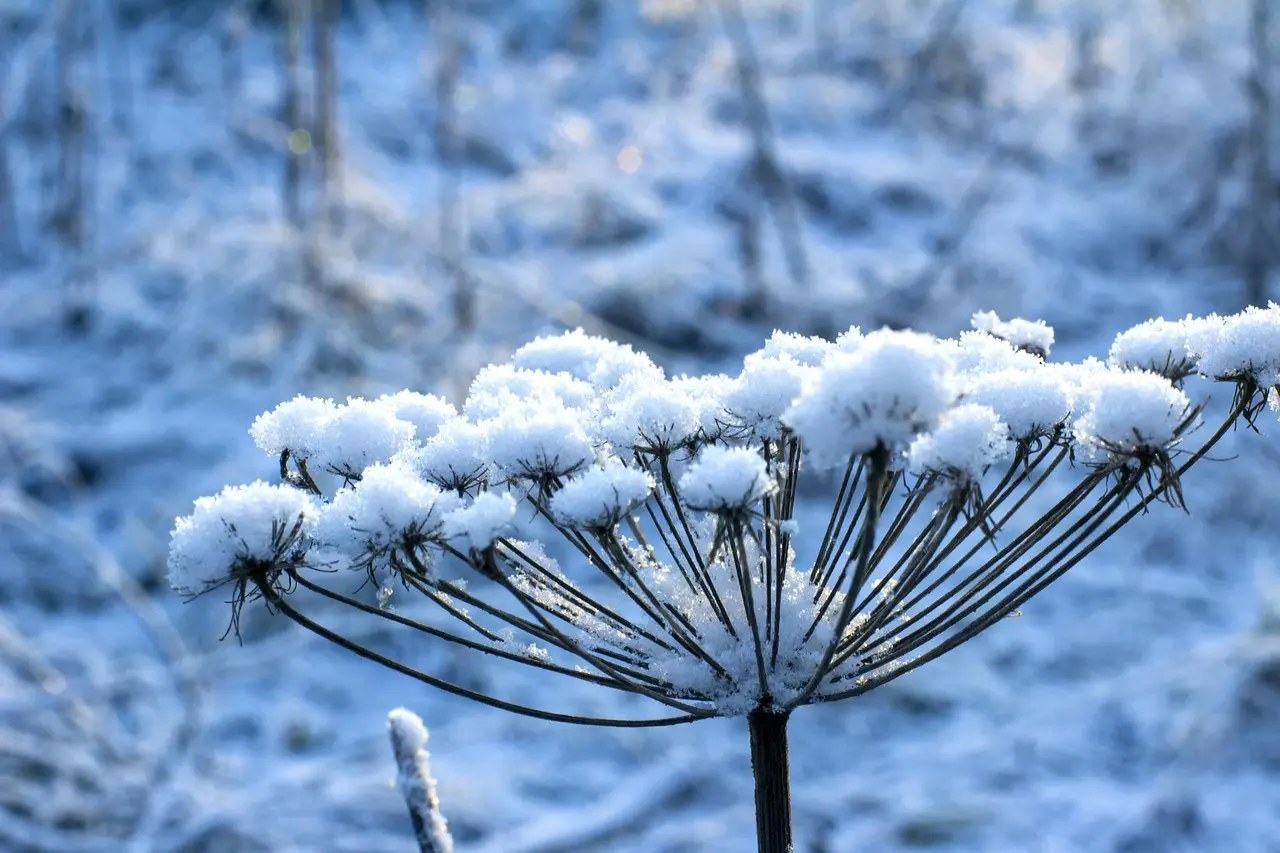
The first frost date is a backup timing cue, not the main trigger. Frost dates are useful for seasonal planning, but they often arrive weeks after the real cutoff for tender potted plants. If you wait for frost as your only signal, you can miss the safer window by a wide margin.
How the first frost date should be used
Use the first frost date to get organized. It is a reminder to check your pots, clean them, and plan indoor space. Then switch to nighttime lows for the actual move. That is the practical order: forecast first, frost date second, and plant sensitivity first of all.
Why your plant spot can be colder than the forecast
The forecast is for a broad area, not for the exact corner where your pot sits. Open balconies, roof decks, and windy patios cool faster than sheltered stoops or spots near a wall. A container sitting in moving air can run colder than the reading you see on your phone.
Picture a 12-inch pot on an exposed balcony where the forecast low is 51°F. The pot rim, leaves, and root zone can still feel a colder night than a sheltered plant against a south wall. That is enough to move a tender plant sooner.
What to do when a cold snap is brief
A single chilly night is not the same as several in a row. One brief dip may not force every plant inside, but repeated nights near the cutoff do. If the next few nights stay cool, do not wait for visible damage before acting.
Bring it in this week?
| Plant group | Night-low trigger | What happens below that trigger | Act immediately or can wait a few nights? |
|---|---|---|---|
| Tropical foliage | About 50°F | Cold stress, leaf drop, stalled growth, chilling injury above freezing | Act immediately |
| Succulents | 45–50°F, with some species needing 60°F | Some types stay fine near 45°F; others show harm earlier | Often wait a few nights if species is known to be hardy |
| Cacti | About 50°F for many; some tolerate cooler | Cold nights can be helpful for some kinds, but limits vary by species | Can wait a few nights for hardy types |
| Orchids | Phalaenopsis warmer; cattleyas around 50°F; cymbidiums cooler | Leaves and roots can be damaged if the plant is colder than its type allows | Depends on genus and exposure |
| Geraniums | 40–45°F in some guidance | Not as tender as tropicals; frost still threatens foliage | Can wait a few nights if frost-free and sheltered |
| Tropical hibiscus | 50–55°F | Foliage damage and dropped buds can follow chilly nights | Act immediately |
| Citrus | Use about 50°F as the move-in cue | Leaf stress and fruit drop become more likely in cool nights | Act before repeated cool nights |
Which plants can stay out a little longer?
Some plants can stay out later in fall, but “later” still means watching temperatures closely. Tougher succulents, cooler-night cacti, geraniums in frost-free conditions, and some orchids can tolerate lower nights than tropical foliage plants. That tolerance is specific, not universal.
Tougher succulents and cooler-night cacti
Succulents are generally tougher than tropical houseplants, but they are not all equal. Some succulents may need 60°F, while many tolerate around 45°F. Cacti also vary widely. Many prefer cool nights around 50°F, and some tolerate colder conditions than most people expect.
Christmas cactus is a good example of the range. It flowers with 50–55°F nights, which means a cool fall period can help, not hurt, if the rest of the care is right. That does not apply to every cactus in every setting. For broader succulent and cactus cold tolerance, see species-by-species guidance from university extension and cactus society references.
Geraniums in frost-free conditions
Geraniums are not as tender as tropical houseplants. Some guidance lists them at 40–45°F for bringing indoors, which is cooler than the default trigger used for many other potted plants. They still need frost protection, but they can handle frost-free cool conditions better than hibiscus or many foliage plants.
Cool-tolerant orchids and what still needs caution
Orchid tolerance varies by genus. Phalaenopsis is more cold-sensitive. Cattleyas are often handled around 50°F, while Cymbidiums tolerate cooler nights. Other commonly grown orchids also have genus-specific ranges, so the label “orchid” is too broad for a safe one-number rule (University extension orchid culture references).
Why exposure changes the cutoff
Exposure can shift the timing by several degrees in practical terms. Wind pulls heat away from leaves and pots. A sheltered corner can buy time, while an open balcony can turn a borderline night into a damaging one. That is why the plant’s spot matters as much as the weather app.
Wind and balcony chill
A plant on an open balcony usually experiences more cold than a plant tucked beside a wall. Wind dries foliage and cools the container faster. If the same plant is indoors for the day and outside at night, the repeat temperature swings also add stress.
Container roots cool faster than ground roots
Potted roots have less insulation than roots in the ground. Soil in a container loses heat quickly, especially in a thin nursery pot or a lightweight decorative cachepot. That makes a pot more sensitive to short cold snaps than a garden bed in the same yard.
Wall heat and sheltered spots can buy time
A sunny wall, enclosed porch, or covered entry can hold warmth after sunset. Those spots can delay the move by a few nights for tougher plants, but they are not a guarantee. Check the actual placement, not just the neighborhood forecast.
How to move plants indoors without a setback
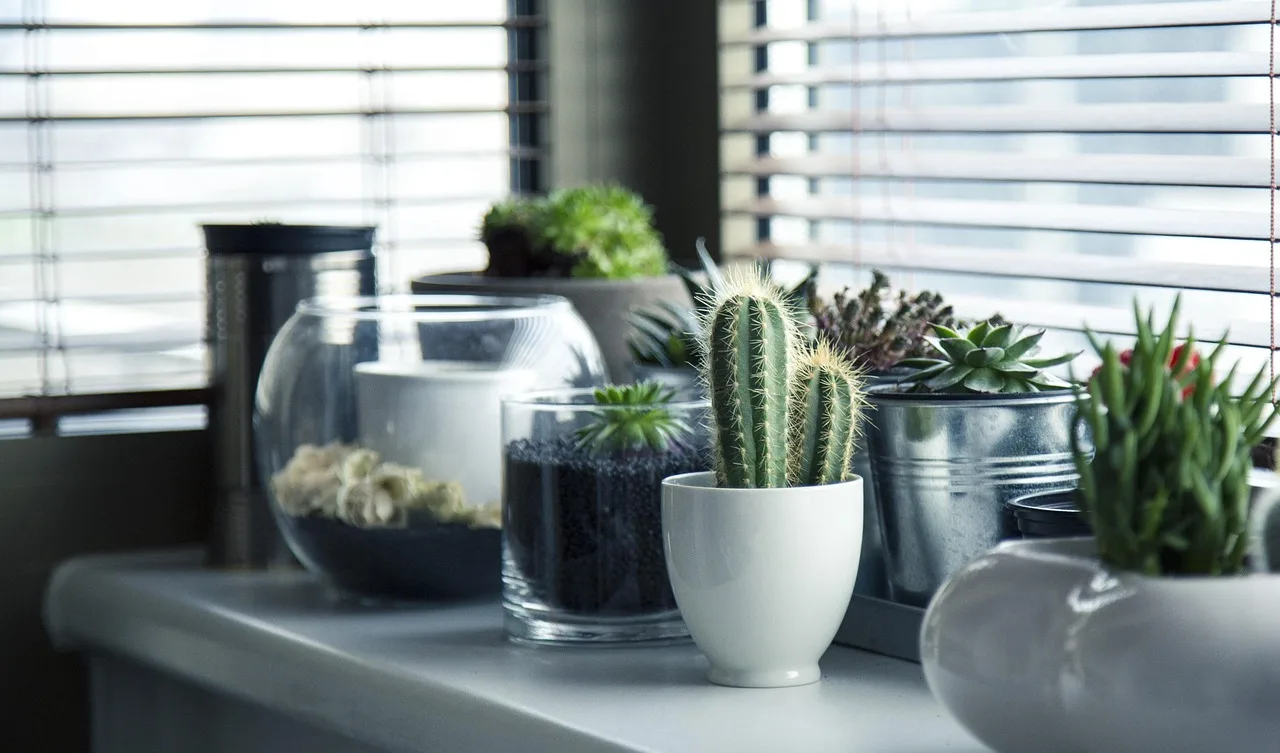
Move plants with a plan. A fast move can still go smoothly if you inspect for pests, adjust light gradually, and keep watering sensible. The goal is to avoid bringing in insects and avoid shocking plants that were used to brighter outdoor light. For the pest step, it helps to complete a pest inspection before bringing plants inside and to plan for brighter winter light for houseplants once they are indoors.
- Check the undersides of leaves, stems, and pot rims for pests.
- Remove dead leaves, fallen debris, and webbing before the pots come inside.
- Group plants by light needs so they can be placed quickly.
- Match indoor light as closely as possible to the outdoor spot, then adjust over several days if needed.
- Water based on the plant’s actual drying rate, not on the calendar.
Check leaves, stems, and pot rims for pests
Look under leaves, along stems, and around the pot rim. Aphids, mealybugs, spider mites, and scale are easy to miss outdoors and much harder to control once a plant is inside. A quick inspection now saves you from moving the problem into the house.
Shift light gradually if possible
Indoor light is usually lower than outdoor light, even by a bright window. If the move is not urgent, a brief transition period helps. If the move is urgent because nights are already cold, put the plant in the brightest practical spot first and avoid moving it again and again.
Say your hibiscus has spent summer on a sunny patio and the forecast shows 49°F at night for the next three nights. That plant should come in now, not after the third dip, because repeated cool nights can damage foliage and buds. For tropical species, a conservative cutoff is usually safer than waiting for visible symptoms.
Water and placement after the move
After the move, place the plant where it gets the most appropriate light and the least cold draft. Water only if the mix is actually dry enough for that plant. Cold roots and wet soil are a bad pairing after a sudden move indoors.
What if a plant already got cold?
If a plant has already seen cold but not freezing, move it indoors right away. Some damage can still be prevented. The first step is to stop further exposure, then check for symptoms over the next several days rather than assuming the plant is fine because it is still green.
Signs of cold stress to watch
Watch for limp leaves, darkened patches, wilting despite moist soil, yellowing, and dropped leaves or buds. New growth may stall. In some plants, damage appears first on the most exposed edges, such as outer leaves, leaf tips, or the side facing open wind.
When to move it immediately anyway
If the plant is a tender tropical, a newly rooted cutting, or a species already near its cutoff, do not wait for more confirmation. Bring it inside and stabilize it. Even if some leaves are already injured, the roots and remaining foliage may still be saved.
A common first-timer mistake is leaving a just-barely-cold hibiscus outside because the leaves still look green the next morning. Cold injury can show up later as leaf drop and bud loss, so the safer move is to bring it in as soon as the warning nights arrive.
Frequently asked questions
At what temperature should you bring houseplants inside?
For most houseplants, 50°F is the default nighttime trigger. Many horticulture experts recommend moving plants when nights approach that point, and most houseplants should be indoors before temperatures dip below 45°F. Use the plant’s exact type and exposure to adjust sooner for tender species.
What temperature is too cold for houseplants outside?
For many potted plants, the danger zone starts in the mid-40s. Temperatures below approximately 45–50°F can damage houseplants, and some species are hurt even before 45°F. Below freezing is too cold for tender houseplants, and frost is a sign the move should already be done.
Should I bring my houseplants in before frost?
Yes. Do not wait for frost as the main decision point. Frost dates are useful as a seasonal backup cue, but many tender plants need to come in earlier, when nights start approaching 50°F. A frost warning usually means the window has already closed for sensitive pots.
How cold can houseplants survive at night?
That depends on species, health, and exposure. Some succulents and cacti handle cool nights around 45–50°F, while tropical foliage plants may show chilling injury above freezing. A plant in a windy, exposed spot usually needs a warmer cutoff than the same plant in a sheltered place.
Do succulents need to come inside before 45°F?
Some do, and some do not. Many succulents tolerate around 45°F, but some species may suffer harm even before that, and others need warmer nights around 60°F. Treat the plant’s species as the deciding factor instead of assuming every succulent shares the same tolerance.
When should I bring tropical plants indoors for winter?
Bring tropical plants indoors before nights reach 50°F, and sooner if the plant is exposed to wind or already stressed. Tropical hibiscus is especially sensitive, and many tropical foliage plants can show damage in the 45–50°F range. Waiting for frost is usually too late.
What should I do with tropical hibiscus when nights reach 50–55°F?
Move tropical hibiscus indoors or into a protected space when nights are consistently in the 50–55°F range. University and extension-based hibiscus culture guidance treats that range as the point where foliage and buds can start to suffer, especially in wind or after a sudden cool spell.
What is the safest cutoff for orchids outside?
Use genus-specific guidance, not a single orchid rule. Phalaenopsis generally needs warmer conditions, cattleyas are often managed around 50°F, and cymbidiums tolerate cooler nights. If you do not know the genus, use the safer 50°F default and move the plant sooner if it is exposed or wet.