How to Remove Scale Insects From Houseplants
Remove scale insects from houseplants by first checking whether they are soft or armored, then use the lowest-risk fix: isolate the plant, clear visible pests with a cotton swab, fingernail, or soft tool, and use horticultural soap or oil on soft scale; treat armored scale mechanically and repeat weekly. If you skip identification or wait too long, scale spreads, leaves yellow and drop, and sticky honeydew can trigger sooty mold and recurring infestations. This guide shows how to identify both types, judge severity, and choose the safest removal plan for each stage.
What you’ll need


- Disposable gloves
- Cotton swabs
- 70% isopropyl alcohol for spot treatment
- Horticultural oil labeled for houseplants
- Insecticidal soap labeled for houseplants
- Pruners or clean scissors
- Trash bags or a sealed bag for debris
- A quarantine spot away from other plants
- A bright light or magnifier for checking stems and leaf veins
How do you know if it is soft scale or armored scale?
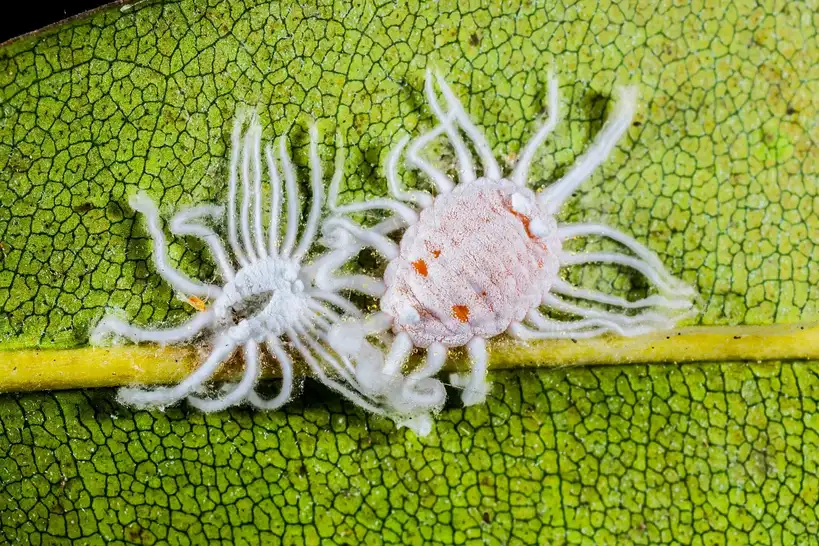
Check for sticky residue first. Soft scale often leaves honeydew, then sooty mold on nearby leaves or the surface below the plant; armored scale does not make honeydew. Both types are adult, bump-like pests, usually 1 to 5 mm across, and adults do not move, while crawlers are the mobile stage.
Look for honeydew and sooty mold
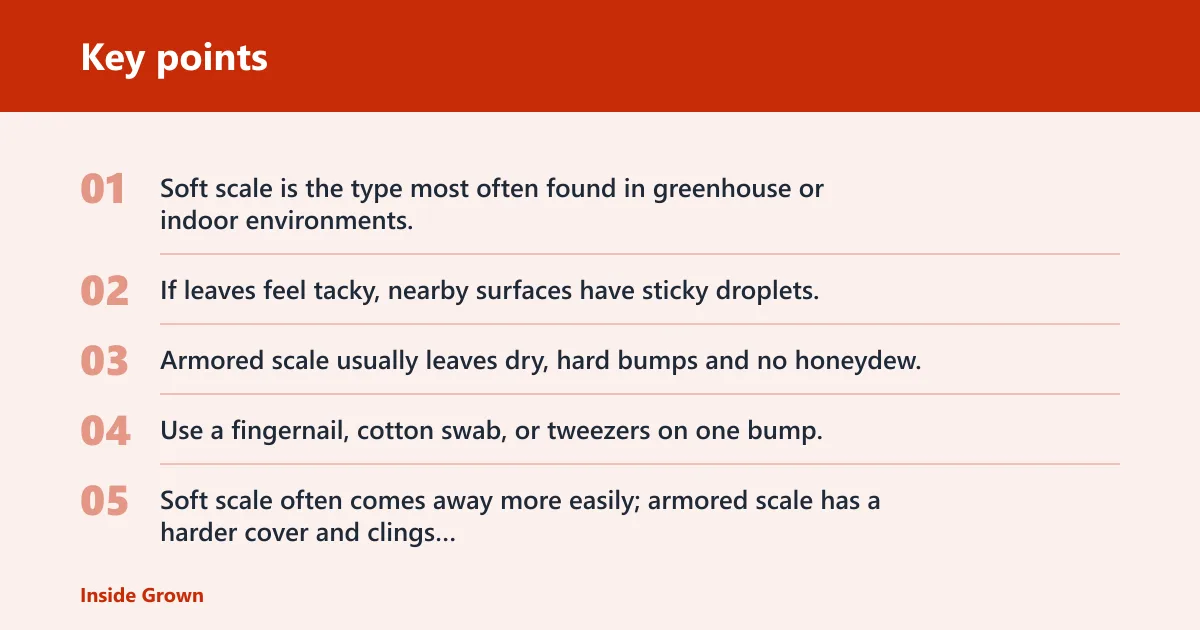
Soft scale is the type most often found in greenhouse or indoor environments. If leaves feel tacky, nearby surfaces have sticky droplets, or a black soot-like film appears, soft scale may be more likely. Armored scale usually leaves dry, hard bumps and no honeydew.
Check whether the shell lifts or stays fixed
Use a fingernail, cotton swab, or tweezers on one bump. Soft scale often comes away more easily; armored scale has a harder cover and clings more firmly. If the cover stays attached after you remove the body, that is a useful sign of armored scale.
Choose the first treatment by type
Soft scale may respond to a systemic insecticide, but indoor use needs careful label review, ventilation, and caution around children and pets. Armored scale is harder to eradicate and is better matched to horticultural oil than systemics. When in doubt, start with the least risky contact treatment and keep the plant isolated.
Remove the visible scale
Start by moving the plant away from others. Scale can spread because the crawler stage moves, and a nearby plant can catch it during the treatment window. Visible adults on stems, leaf midribs, and crevices are the easiest targets.
- Put the plant in quarantine before you touch it.
- Inspect stems, leaf veins, petioles, and the undersides of leaves under bright light.
- Clear reachable bumps with a cotton swab, fingernail, or soft tool.
- Use alcohol on the swab for crevices and tight joints where pests hide.
- Bag all removed insects, leaves, and debris, then seal and trash them.
A common first-timer mistake is cleaning only the top leaves. Scale often sits along stems and leaf midribs, where adults are harder to notice and crawlers later settle again.
Choose the first treatment
Match the product to the stage. Crawlers are the treatment window because they are the mobile, newly hatched stage. Adults are more protected, so full control usually needs repeat passes, not one spray.
Use insecticidal soap for crawler-heavy infestations
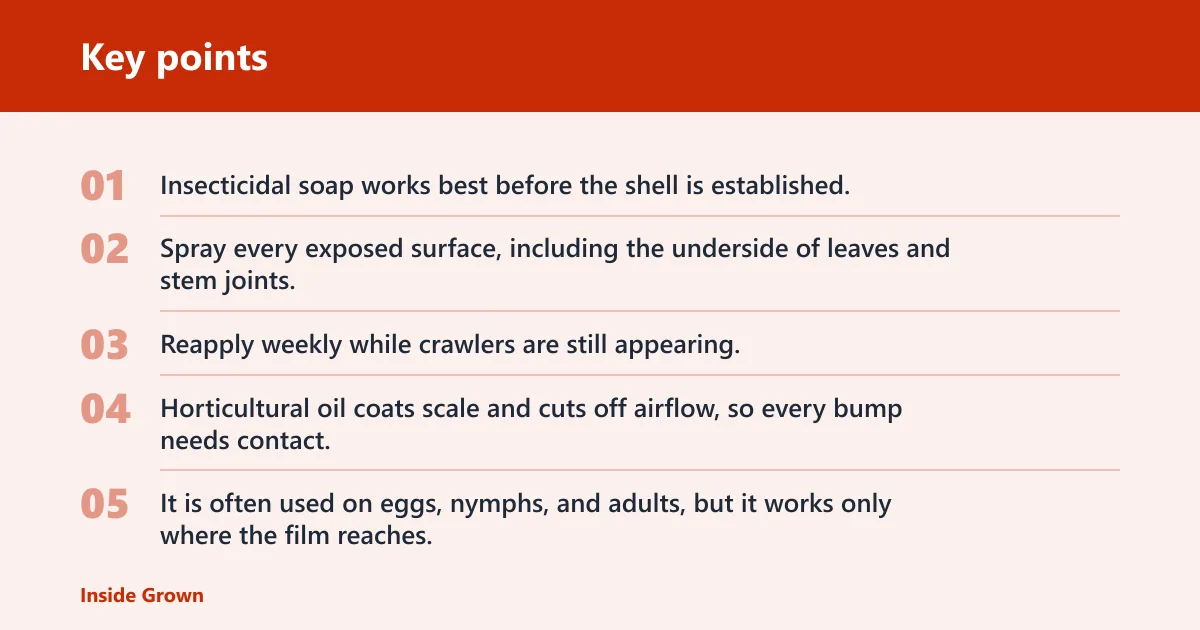
Insecticidal soap works best before the shell is established. Spray every exposed surface, including the underside of leaves and stem joints, because contact matters. Reapply weekly while crawlers are still appearing.
Use horticultural oil for broader coverage
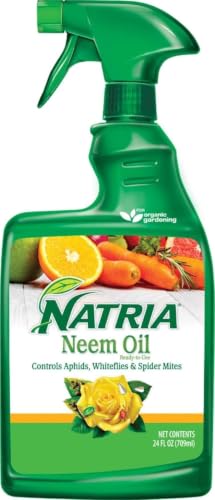
Horticultural oil coats scale and cuts off airflow, so every bump needs contact. It is often used on eggs, nymphs, and adults, but it works only where the film reaches. On tender or drought-stressed plants, test a small area first because some houseplants spot or burn more easily than others.
Reserve systemics for soft scale only
If you choose a systemic for soft scale, read the label first. Indoor use can be limited by product rules, potting mix restrictions, and exposure concerns for pets and children. Do not use a systemic as a casual fallback for armored scale; it is usually a poorer match.
Will rubbing alcohol kill scale bugs on houseplants?
Rubbing alcohol can kill scale bugs on contact, especially visible adults in crevices, but it is a spot-removal tool, not a full-plant solution. It works best on individual bumps you can reach. It also does not prevent new crawlers from hatching later, so follow-up still matters.
Use it as a targeted wipe, not a finish line
Dip a cotton swab in 70% isopropyl alcohol and touch the scale directly. The alcohol breaks down the pest’s coating and dries it out. Avoid soaking the whole leaf unless the plant is known to tolerate it, because tender foliage can spot or scorch.
Watch sensitive plants closely
Say your plant has thin leaves, such as a fern or a soft-leaved tropical, and the infestation is limited to a few leaf joints. Spot-treat the bumps and skip broad spraying until you know the plant tolerates contact products. One careful pass is safer than a full drench on a sensitive plant.
How often should you repeat treatment?
Inspect in about 7 days and repeat contact treatment weekly while crawlers are present. That cadence matches the hatch cycle, because eggs can take 1 to 3 weeks to hatch into nymphs, and adults removed on day one do not stop later hatchlings. PlantFix recommends weekly treatment for four to six weeks.
Follow a 14-day watch plan
Suppose you wipe off every visible adult on Monday and spray horticultural oil the same day. On day 7, new tiny moving specks on stems mean crawlers are still active, so repeat the same treatment. On day 14, fewer moving specks and no fresh sticky residue counts as improvement, not the end of monitoring.
If that didn’t work, escalate
If you still see new crawlers after two weekly passes, increase coverage rather than switching randomly. Recheck the stems, leaf undersides, and pot rim; missed adults often feed the next wave. If a soft-scale infestation keeps returning despite repeated treatment, a label-approved systemic may be the next step, with indoor safety checks first. If armored scale keeps returning, disposal may be the better call.
Treatment decision table
| Scale type | Infestation severity | Recommended first-line action |
|---|---|---|
| Soft scale | Light: a few bumps on one stem or leaf vein | Isolate the plant, swab visible scales with alcohol, then use insecticidal soap or horticultural oil and repeat weekly. |
| Armored scale | Moderate: clusters on several stems or leaf joints | Isolate, physically remove what you can, then use horticultural oil with full coverage and repeat weekly. |
| Soft or armored scale | Severe: widespread infestation, leaf drop, repeated return after treatment | Quarantine immediately, treat what remains, and consider discarding the plant if new crawlers keep appearing after four to six weeks. |
14-day follow-up checklist
| Day | What to inspect | What counts as success | When to escalate or discard |
|---|---|---|---|
| 1 | Stems, leaf veins, undersides, pot rim | Visible adults are removed or well coated | Escalate if you cannot reach most of the infestation |
| 7 | New tiny moving crawlers, fresh stickiness, sooty mold | No new crawlers and less residue | Repeat treatment if crawlers are present |
| 14 | Same hotspots plus nearby houseplants | Fewer live pests and no spread to neighbors | Discard if the plant still produces new crawlers after repeated treatment |
Common mistakes
Skipping quarantine spreads crawlers to nearby houseplants. Keep the infested plant away from others until the treatment cycle is over.
Treating only the visible adults leaves the hatch cycle untouched. New crawlers can appear after the plant looks clean.
Stopping after one spray is another common miss. Repeated weekly treatment matters because eggs hatch later, and crawlers are the most vulnerable stage.
Spraying every plant in the room without checking sensitivity can damage leaves. Test oil or soap on a small section first if the plant is tender or already stressed.
How to keep scale from spreading
Check nearby plants at the same time, especially those touching the infested one. Scale can spread to other houseplants through crawlers, shared handling, and close contact. Bag trash and debris right away, and wash hands or tools before moving to the next plant.
Prevention is mostly inspection. A quick weekly look at stems and leaf joints can catch crawlers before they settle.
Frequently asked questions
How to remove scale insects from house plants
Start with isolation, then clear visible pests with a cotton swab, soft tool, or pruner if stems are heavily infested. After that, use insecticidal soap for crawlers or horticultural oil for broader coverage. Recheck weekly, because adults you remove do not stop new hatchlings from appearing.
How often should I repeat scale treatment on houseplants?
Repeat contact treatments weekly, then keep checking for four to six weeks. That cadence matches the crawler hatch window and helps catch new pests before they settle. If you still see new scale after repeated passes, move to a stronger label-approved option or discard the plant.
Can scale insects spread to other houseplants?
Yes. Crawlers move, and close plants make transfer easier. Keep the infested plant isolated from the start, and check nearby houseplants during the same 14-day window. If neighboring plants show sticky residue or fresh bumps, treat them immediately instead of waiting for visible decline.