Houseplant Care Guide for Healthy Indoor Plants at Home
Byline and experience: I grow houseplants at home in bright south- and east-facing rooms, and I have killed enough plants to stop trusting neat weekly schedules. My most common mistakes were leaving nursery pots standing in cache-pot water, assuming a dim shelf counted as “bright indirect light,” and repotting into mixes that stayed wet too long in winter. The biggest lesson from that trial and error was simple: when I fixed the room and root setup first, watering became much easier to get right.
Healthy indoor plants usually come from checking light, temperature, humidity, and potting mix first, then watering only when the top inch or two of soil feels dry for that plant and room. I have seen the fixed weekly routine fail over and over. It leads to yellow leaves, root rot, stalled growth, and months of decline before the real cause is clear. This guide gives a repeatable houseplant care guide for healthy indoor plants: room checks, watering rules, and symptom troubleshooting that starts with environment first.
Start with the room, not the watering can


The five conditions that drive indoor plant health
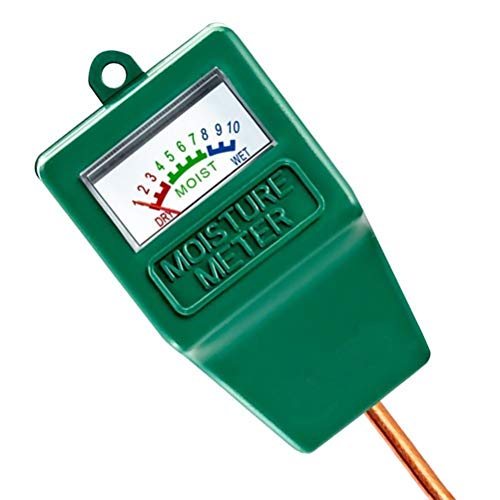
Most indoor plant problems start with the setup, not the symptom. Check five things first: light exposure, temperature, humidity, container, and potting mix. Only after that should watering, feeding, or pest treatment enter the picture.
That order matters because the same yellow leaf can come from soggy roots, low light, cold drafts, or compacted mix. I have moved plants into a better spot and watched the problem stop without changing anything else. A plant in the wrong room will keep declining even if watering improves.
In my own rooms, the fastest wins usually came from moving a plant closer to a window, rotating it sooner, or taking it out of a decorative pot and discovering the lower half of the mix was still saturated. That is why I troubleshoot from the room inward, not from the damaged leaf outward.
How to do a 60-second room assessment
- Identify the window direction or confirm that the plant is away from direct window light.
- Check distance from the glass. Light drops fast as plants move deeper into the room.
- Feel for drafts, heater blasts, or air-conditioning vents.
- Look at the pot. Most potted plants need drainage holes so water can leave the root zone instead of collecting at the bottom, where roots stay airless and start to rot.
- Touch the soil surface and then check deeper moisture before deciding to water.
If you need help reading a room, compare the plant’s spot with a window-direction light guide, then check your routine against watering by plant type.
Why symptoms make more sense after an environment check
Brown tips in a dry winter room mean one thing. Brown tips on a plant sitting in wet, stale soil mean something else. Overwatering often leads to root rot because roots sit in water, but dry air, sun stress, and salt buildup can look similar from above.
This guide keeps the diagnosis in the right order: room first, roots second, leaves third.
A practical indoor target for many common houseplants is roughly 65 to 75°F (18 to 24°C) by day, with many tolerating slightly cooler nights, based on guidance commonly published by university extension programs including Clemson Cooperative Extension and the University of Missouri Extension. The older Wikipedia link below is retained as originally referenced, but the temperature guidance in this article relies on extension-style houseplant care recommendations rather than encyclopedia summary text. According to Houseplant – Wikipedia — Most houseplants are species adapted to survive between 15 and 25 °C year-round. (source)
How much light do houseplants need inside?
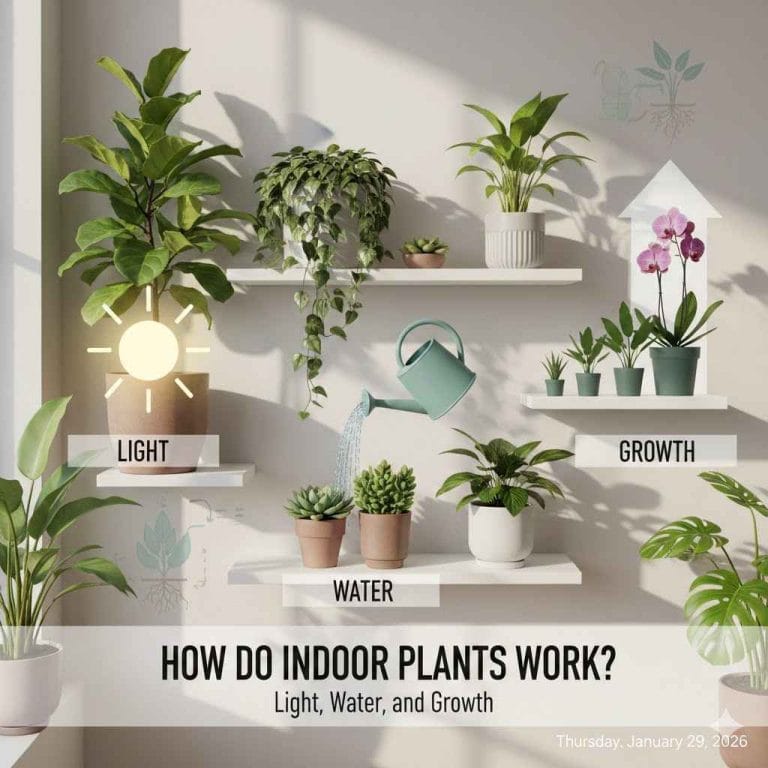
Indoor plants need light matched to window direction, distance from the glass, and plant type. South-facing windows suit plants that need full sun and bright light, east- and west-facing windows suit partial shade or moderate light, and north-facing windows suit low-light plants. Flowering plants usually need bright placement close to the window.
That room-based approach lines up with common extension guidance: flowering and sun-loving plants generally need the brightest window exposure indoors, while many foliage plants tolerate lower light but grow more slowly there. If you want a fuller breakdown, use a light-by-window-direction guide before changing water or fertilizer.
What south, east, west, and north windows actually mean indoors
South-facing windows suit plants that need full sun and bright light. This is the place for cacti, many succulents, and bloom-focused plants that fade in weaker spots.
East- and west-facing windows suit plants that prefer partial shade or moderate light. Many tropical foliage plants do well here because they get usable brightness without the longest stretch of intense midday sun.
North-facing windows suit plants that do well in low light. Think shade-tolerant foliage, not plants expected to flower heavily or stay compact under dim conditions.
How far from the window changes light intensity
Window direction is only half the answer. Distance matters just as much. A plant on the sill and a plant on a shelf across the room are living in different light zones even when they share the same window.
Flowering houseplants often need to be within 3 feet of a bright window. If a blooming plant sits much farther back, expect fewer flowers, longer gaps between buds, and stretched growth. That “close to the window” rule appears often in houseplant recommendations from extension and botanic-garden sources because indoor light falls off quickly as you move away from the glass.
When to rotate plants and how to spot legginess early
Turn the pot about a quarter turn every week or two, or each time you water, so the plant grows more evenly instead of leaning toward the window. That cuts down on leaning, uneven leaf size, and bare stems on the darker side.
Early legginess shows up as longer gaps between leaves, stems bending toward the window, and new growth that looks smaller or paler than older growth. Fix that before changing fertilizer or watering frequency.
How often should I water houseplants?
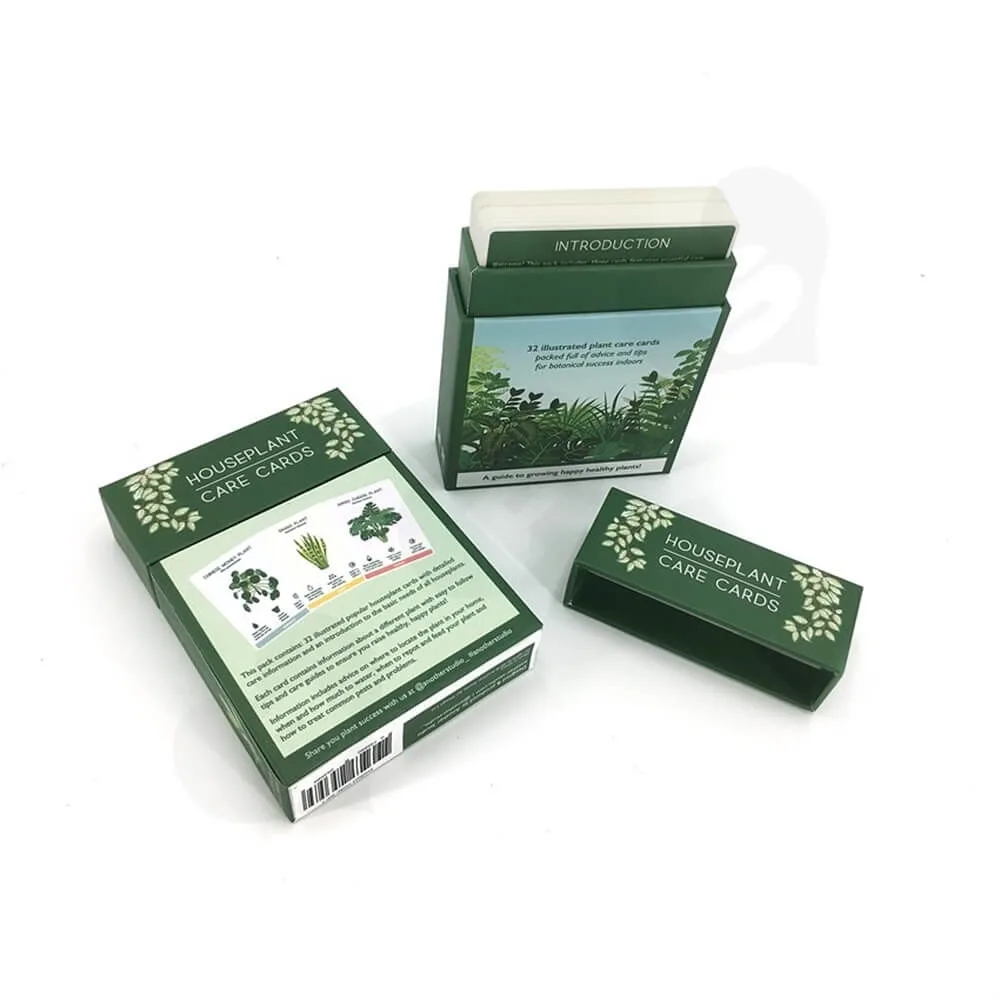
Houseplants are usually better watered based on soil dryness rather than on a fixed schedule. Check the top 1 to 2 inches (2.5 to 5 cm) of soil with a finger, using the shallower check for small pots and the deeper check for larger pots. Water thoroughly when needed, then let excess drain out completely.
Use soil dryness, not the calendar
A fixed schedule misses the biggest variable indoors: room conditions. A plant beside a bright south window dries faster than the same plant on a shelf away from the window. Pot size, pot material, root mass, season, and mix texture also change drying speed.
That is why “once a week” fails so often. It ignores the room.
This is also where I made one of my most repeatable mistakes. I used to water pothos, hoya, and snake plant on the same day because it felt organized. The pothos tolerated it, the hoya sulked, and the snake plant stayed wet too long. Once I switched to a dryness check by plant type, all three stabilized.
How to use the 1- to 2-inch finger test by pot size
Use the finger test before each watering. For smaller pots, check about 1 inch (2.5 cm) down. For larger pots, check closer to 2 inches (5 cm). If that zone still feels cool and damp, wait.
For tropical foliage plants, water when the upper layer has dried but the deeper root zone is not bone dry. For succulents and cacti, allow a much longer dry-down. For flowering plants, avoid wide swings between soggy and dusty.
For a plant-specific routine, compare your plant with watering by plant type.
Top watering, bottom watering, and when each works
Top watering is the default because it flushes the full root ball and carries excess salts downward. Water until excess drains from the bottom.
Bottom watering works best when the pot has drainage holes and the mix has become slightly dry and hard to re-wet from above. It should not leave the pot standing in water for long periods. Drainage holes are also necessary for bottom watering setups.
Morning watering, room-temperature water, and full-drainage technique
The best time of day to water is in the morning. That gives leaves and the soil surface time to dry during the day and reduces the odds of a cold, wet root zone overnight.
Use room-temperature water. Cold water can stress roots in already cool rooms. After watering, let all excess leave the pot, then empty the saucer or cache pot so the roots are not sitting in runoff.
Choose the right pot and soil before problems start
Why drainage holes matter more than decorative containers
Most potted plants should have drainage holes to prevent root rot. Decorative containers without holes trap water at the base, where roots sit in stale moisture long after the surface looks dry. The old reference link below is preserved as originally included, but drainage guidance here follows standard extension and indoor-plant best practice rather than encyclopedia citation.
Decorative containers without holes trap water at the base, where roots sit in stale moisture long after the surface looks dry. (en.wikipedia.org)
I see this constantly with gift plants dropped into pretty pots. A healthy-looking top inch can hide a saturated lower half. That is how overwatering keeps getting blamed on “watering too often” when the real issue is water not leaving the pot.
If you suspect the setup is failing, review a step-by-step repotting guide before sizing up or changing mix.
Cache pots, saucers, and standing-water mistakes
Cache pots are fine if they act as outer sleeves, not reservoirs. Water the plant in its nursery pot or an inner pot with holes, allow it to drain, then return it to the cache pot after excess water is gone.
Saucers need the same attention. If water stays pooled underneath for hours, the potting mix can wick it back up and keep the bottom roots wet.
My most avoidable mistake with calatheas and peace lilies was assuming “the pot drained” meant the job was done. More than once, I poured off only the visible saucer water and missed a hidden pool inside the outer pot. The leaves yellowed slowly, and the roots confirmed the problem later.
Potting mix basics: coir or peat, plus perlite or vermiculite
Houseplants are commonly grown in specialized soilless mixtures like potting compost or potting mix. Most potting mixes contain peat or coir plus vermiculite or perlite.
That blend balances moisture holding and air space. Tropical foliage plants usually do well in a standard indoor mix. Succulents and cacti need a faster-draining mix with extra mineral content or extra perlite so roots dry more quickly between waterings.
Clay vs plastic pots and how each changes drying speed
Clay pots often dry faster because moisture can move through the porous walls. Plastic pots hold moisture longer. Neither is better in every room.
Clay helps in bright, warm spots where heavy mixes stay wet too long. Plastic helps in drier rooms or with moisture-loving tropicals. If soil stays soggy for too long, poor drainage may signal the need for repotting or mix amendment, not simply less water.
What temperature and humidity do indoor plants need?
Most houseplants are commonly kept best around 65 to 75°F (18 to 24°C) by day, and many common indoor plants also handle roughly 55 to 65°F (13 to 18°C) at night. Trouble starts when drafts, vents, and very dry winter air push conditions outside that comfort zone. Those working ranges are consistent with general houseplant care guidance from university extension programs such as Clemson and Missouri.
A workable indoor range for most houseplants
For day-to-day care, steady conditions beat dramatic swings. Warm days and slightly cooler nights are fine. Hot blasts from radiators, cold window glass in winter, or air-conditioning vents can stress leaves even when the room feels comfortable to people.
How vents, drafts, and cold glass create hidden stress
Leaves that touch cold glass can spot, yellow, or collapse. Plants in the path of forced air dry faster and show crispy edges sooner. Draft-sensitive tropicals may curl leaves even when watering is otherwise correct.
When symptoms appear on the side facing a vent or window, placement is often the real cause.
Why winter humidity often drops to 10 to 20 percent indoors
Home humidity in winter can be as low as 10 to 20%. That is far drier than many foliage plants prefer, especially thin-leaved tropicals such as calatheas, ferns, and some philodendrons. Extension publications on indoor plants and indoor air routinely note that heated homes become much drier in winter, which is why humidity-sensitive plants show damage then first.
Dry air shows first at the leaf edges and tips. It can also make spider mites more likely because stressed plants in dry air are easier targets.
How to reach a realistic 40 to 50 percent for many plants
Many houseplants need indoor humidity closer to 50% in winter. A practical target for many common indoor plants is roughly in the 40 to 50 percent range, and a humidifier can help most in very dry homes.
Pebble trays and grouping plants can help at the margins, especially for a small cluster, but they rarely fix a room sitting near 10 to 20 percent. I treat them as support tools, not the whole plan.
Match care to the plant group
Tropical foliage plants: steady moisture, moderate warmth, higher humidity
Tropicals usually want moderate light, stable warmth, and even moisture. Let the top layer dry, then water thoroughly. They are the first group to show brown tips from dry air and the first to sulk near vents or cold glass.
Good fits: east windows, bright west windows with some protection, or bright south exposure set back slightly if the leaves scorch.
Succulents and cacti: faster drainage, longer dry-down, stronger light
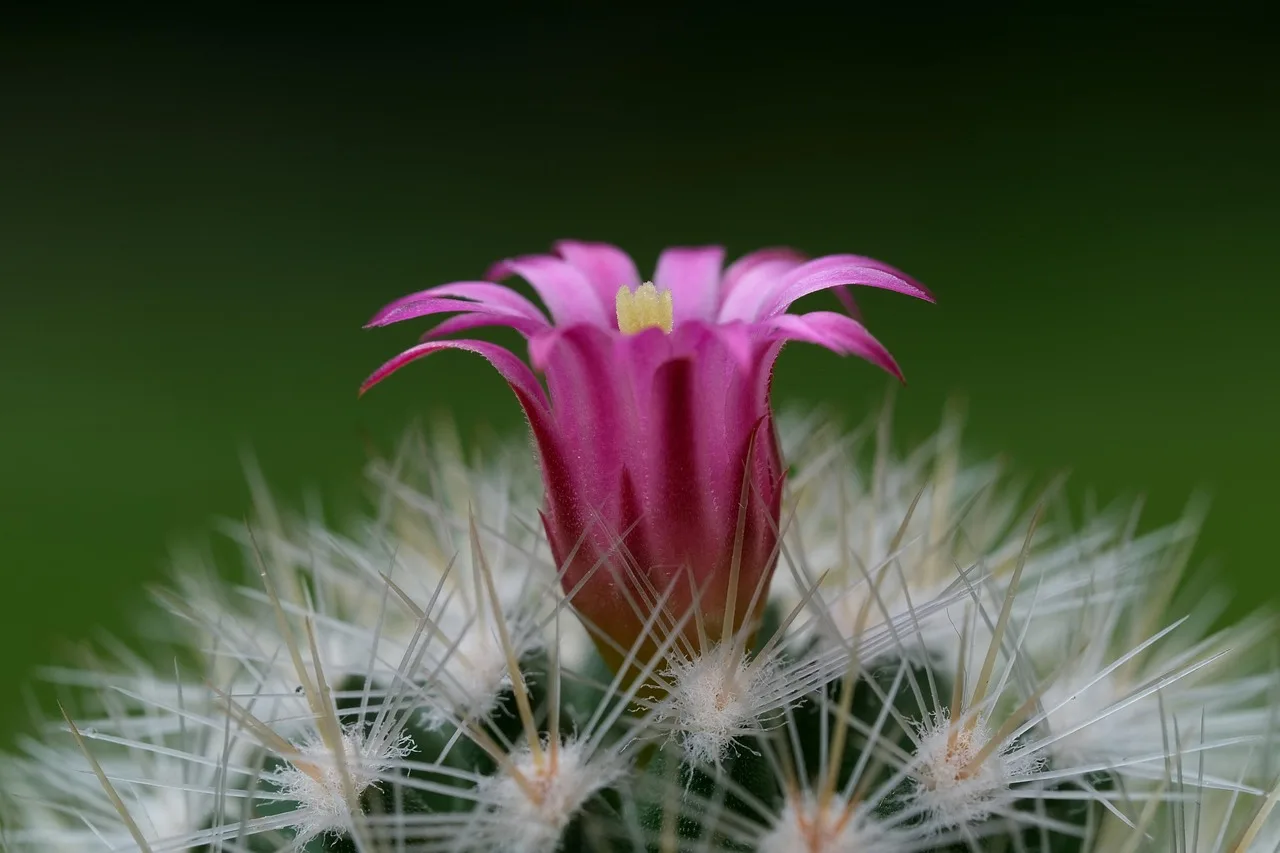
Succulents and cacti need the strongest indoor light and the fastest-draining mix. South-facing windows suit many of them. In weaker light they stretch, lose shape, and stay wet too long after watering.
Let the mix dry much more deeply between waterings. Clay pots can help speed drying in slower rooms.
Flowering houseplants: brighter windows, tighter feeding timing, bloom support
Flowering plants need the best window real estate. Flowering houseplants often need to be within 3 feet of a bright window.
They also respond more clearly to feeding during active growth, but only when the plant is healthy, rooted well, and pushing buds or leaves. A weak root system plus fertilizer is a bad combination.
Room-by-room houseplant care matrix
Use location to predict care before symptoms start
This matrix turns vague plant advice into room-based decisions. Read across the row for the plant’s spot, then use the action checklist before changing water, fertilizer, or pest treatment.
| Home location | Typical light | Humidity pattern | Temperature pattern | Watering risk | Best-fit plant groups | Action checklist |
|---|---|---|---|---|---|---|
| South window | Bright light to full sun | Often average to dry | Can run warm by day; watch hot glass | Fast dry-down; underwatering and scorch risk | Succulents, cacti, many flowering plants | Check soil more often, turn the pot a quarter turn every week or two, move tender leaves back if scorching, use drainage holes |
| East window | Moderate light | Average | Usually gentle morning warmth | Moderate dry-down | Tropicals, some flowering plants, foliage plants | Use finger test, keep leaves off cold glass in winter, turn the pot for even growth |
| West window | Moderate to bright light | Average to dry | Can heat up late day | Uneven drying; heat stress risk | Tropicals that handle brighter light, flowering plants | Watch afternoon scorch, water by dryness not habit, increase humidity if edges crisp |
| North window | Low light | Average | Cooler near glass | Slow dry-down; overwatering risk | Low-light foliage plants | Water less often, avoid heavy mixes, keep pots draining freely, do not expect strong flowering |
| Bathroom | Low to moderate, depends on window | Higher humidity in use | Can swing warm to cool | Mix may stay wet longer | Ferns, calatheas, tropical foliage | Confirm there is enough actual light, avoid soggy cache pots, keep some airflow |
| Kitchen | Variable light | Often slightly higher humidity | Can run warm near appliances | Irregular dry-down | Herbs in bright windows, compact foliage plants | Keep plants away from heat blasts, check for grease and dust on leaves, water by soil check |
| Shelf away from window | Low light | Usually average to dry | Stable but dim | Slow growth; high overwatering risk | Only shade-tolerant foliage plants | Reduce watering frequency, avoid flowering expectations, consider moving closer to light if stems stretch |
In-page checklist: Use this quick matrix before you intervene.
- If the plant is within 3 feet of a bright south or west window: check for scorch, faster dry-down, and the need for more frequent moisture checks.
- If the plant is near a north window or on a shelf away from a window: cut back watering first and lower expectations for flowering and compact growth.
- If the room is heated and dry in winter: watch thin leaves for brown tips and consider a humidifier target around 40 to 50%.
- If the pot has no drainage hole or sits in runoff: fix that before blaming fertilizer, pests, or tap water.
- If water rushes through or the root ball pulls from the pot edge: check for hydrophobic mix or root crowding and review repotting houseplants.
- If leaves are damaged but the room setup is sound: compare symptoms with a houseplant pest identification guide.
Why are my houseplant leaves turning brown, crispy, yellow, or curled?
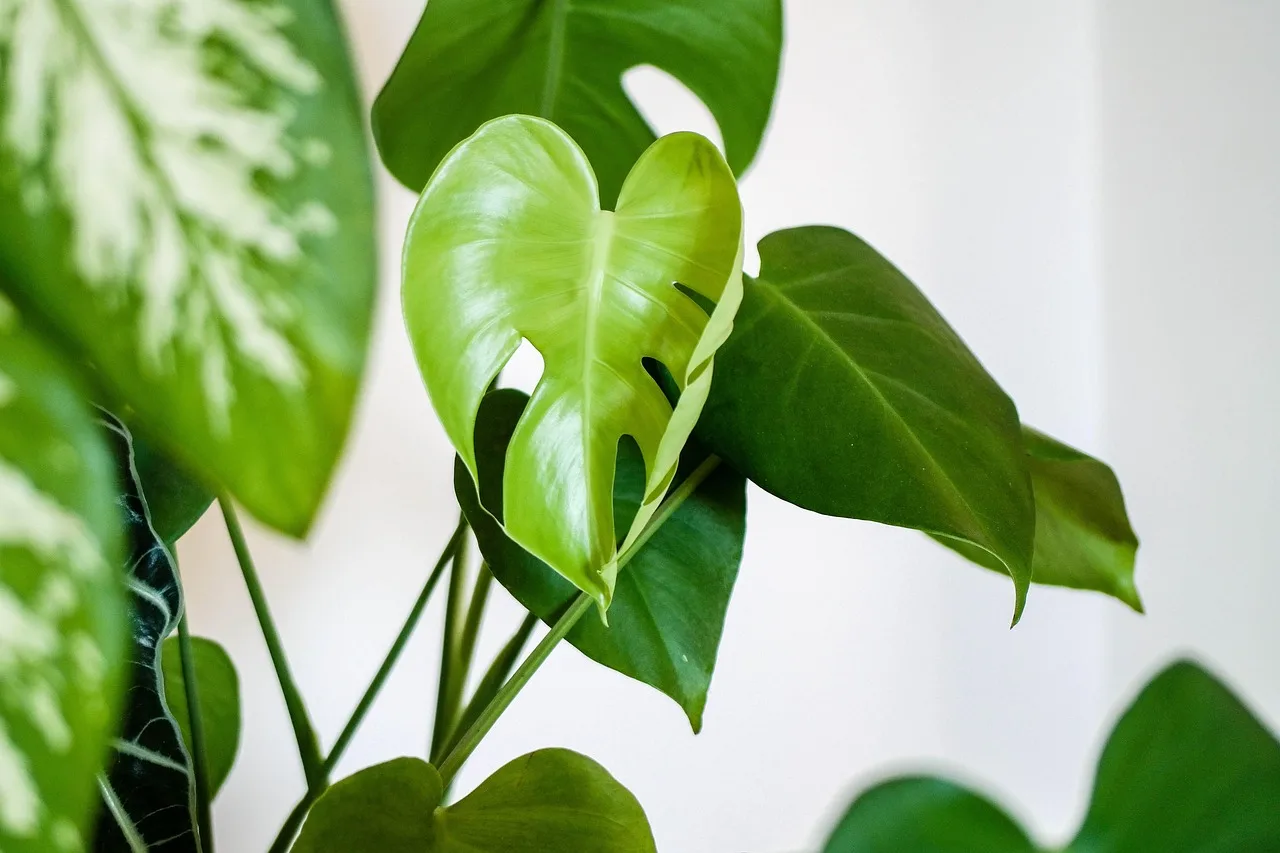
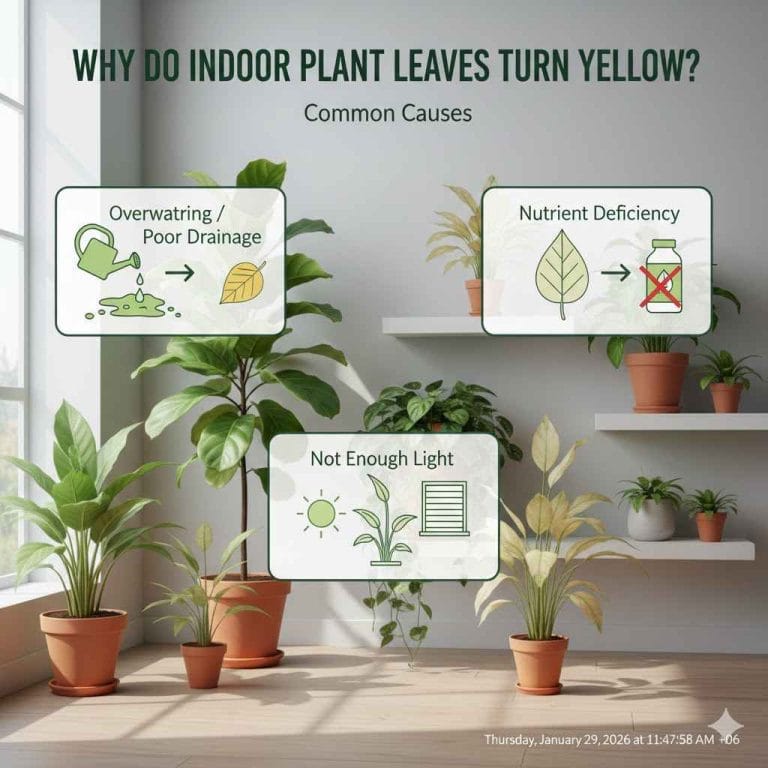
Leaf symptoms make sense only after checking the room, the pot, and the roots. Brown or crispy leaves usually point to dry air, dry roots, salts, or excess sun; yellow leaves often point to wet roots, low light, or aging foliage; curled leaves often point to thirst, heat, root stress, drafts, or pests.
Brown tips and crispy edges: low humidity, dry roots, salt buildup, excess sun
Start with humidity and placement. Winter rooms can drop to 10 to 20 percent humidity, and that is enough to crisp thin leaf margins. Then check watering history. Soil that repeatedly becomes too dry can do the same.
If the plant sits in strong south-window sun and the damaged area faces the glass, sun scorch moves up the list. If the soil has a white crust or fertilizer has been heavy, salt buildup is also possible.
Yellow leaves: overwatering, old leaves, low light, root stress
A single older leaf turning yellow now and then is normal. Multiple yellow leaves at once need context.
If the mix stays wet for days, the pot lacks drainage, or the plant sits in low light, wet-root stress is likely. If soil drains oddly fast because roots have replaced most of the mix, the plant may also yellow from root crowding and uneven moisture. This is where the failure-case framework helps: wet too long, dry too hard, or compacted and airless.
Curling leaves: thirst, heat, compaction, cold drafts, pests
Leaves curl to reduce stress. Check for dry soil first. Then check for hot afternoon light, vents, and cold drafts.
If watering seems correct but the potting mix has shrunk from the sides, water may be running around the root ball instead of through it. Pests also curl leaves, especially on tender new growth.
A quick decision path to separate watering errors from root problems
- If the soil is wet and the plant droops, suspect root stress before adding more water.
- If the soil is dry and pulling from the pot edge, suspect underwatering or a hydrophobic mix.
- If water rushes through instantly, check for root crowding or broken-down mix.
- If the top dries but the lower pot stays soggy, check drainage holes, pot size, and compaction.
- If symptoms continue after watering is corrected, inspect roots and pests.
Short diagnostic flowchart: Brown and crispy first points to humidity, sun, or dry roots. Yellow in wet soil points to drainage, low light, or root rot risk. Curling with distorted new growth points to pests, especially if the room setup looks reasonable. When in doubt, check the pot, then the roots, then compare damage with a pest ID page.
How do I stop root rot, repot at the right time, and handle pests?
Stop root rot by preventing standing water, using drainage holes, and matching the mix and pot to the room. Repot when roots, drainage speed, or broken-down soil show the current setup is failing. For pests, inspect leaf undersides, stems, and the soil surface so treatment matches the actual insect.
Early root rot signs and the drainage failures behind them
Root rot usually starts below the soil line. Watch for wilting in wet soil, yellowing without thirst, a sour smell, or a pot that stays heavy for too long after watering.
The common causes are simple: no drainage holes, a dense mix, a pot too large for the root mass, or low light that slows water use.
How do I know if my houseplant needs repotting?
Repot when roots circle tightly, water runs through too fast, the mix stays soggy for too long, or the soil has broken down into a dense mass. A plant that dries oddly fast or refuses to re-wet evenly often needs more than extra water. It needs a better root environment.
Slide the root ball out and check. White or tan roots that fill the pot heavily point to crowding. Soil that looks muddy, compacted, or decomposed points to mix failure. Repotting is also the fix when poor drainage means the mix can no longer hold air. For the full process, see how to repot houseplants.
What spider mites, mealybugs, aphids, whiteflies, and fungus gnats look like
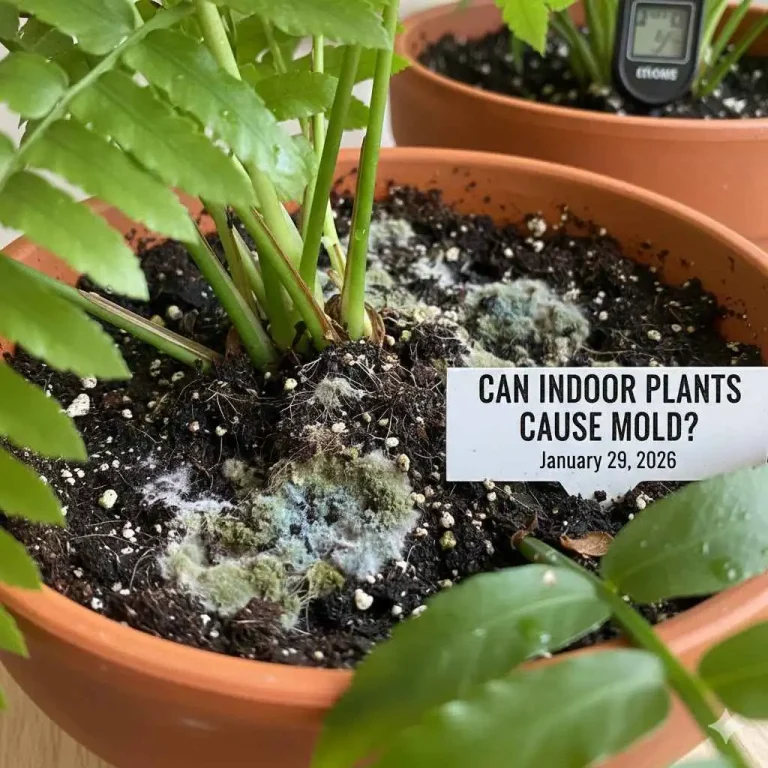
Houseplants can be affected by spider mites, mealybugs, thrips, scale, and fungus gnats. Spider mites leave fine webbing and pale stippling. Mealybugs look like cotton in leaf joints. Aphids cluster on soft new growth. Whiteflies rise in a little cloud when disturbed. Fungus gnats hover around wet soil.
Pest clues matter because care changes. Fungus gnats point to wet soil and organic breakdown. Spider mites often point to dry air and stressed foliage. Treating without fixing the room only slows the cycle. If you are unsure what you are seeing, compare it with a houseplant pest identification guide.
Seasonal care, acclimatization, and winter feeding
How growth slows in winter and what to change first
Shorter days reduce growth. Start by adjusting water before adjusting anything else. Most plants use moisture more slowly in weaker light, especially in north rooms and on shelves away from windows.
Should I fertilize houseplants in winter?
Most houseplants need less fertilizer in winter because growth slows in lower light and cooler conditions. Avoid feeding stressed, root-damaged, newly repotted, or resting plants. Flowering houseplants can be exceptions if they are still actively growing or blooming in bright window light.
Fertilizer supports growth. It does not repair bad roots, dim light, or dry air. If the plant is stalled from placement or root damage, feeding pushes salts into a system that is already struggling.
How to acclimate new plants and move them between light levels safely
New plants often drop some leaves after moving indoors. That does not always mean poor care. It often means the plant is adjusting to new light, humidity, and temperature.
Move plants gradually between bright and dark spots. Do not shift a low-light plant straight into a south window. Step it closer over time, watch new growth, and adjust before damage builds.
Frequently asked questions
How do I care for houseplants indoors?
Care starts with the room. Check light, temperature, humidity, pot drainage, and mix before reacting to leaves. Then water by soil dryness, use a pot with drainage holes, keep the plant in the right window zone, and change only one variable at a time so the cause stays clear.
How often should I water houseplants?
Water when the top 1 to 2 inches (2.5 to 5 cm) of soil are dry, not on a fixed weekly schedule. Small pots dry faster than large ones, bright windows dry faster than dim shelves, and succulents need longer dry periods than tropical foliage plants. Always let excess water drain out fully.
What is the best potting mix for houseplants?
The best mix matches the plant group and the room. Most houseplants do well in soilless potting mix made with peat or coir plus vermiculite or perlite. Tropicals prefer a balanced indoor mix, while succulents and cacti need a faster-draining mix that holds more air.
Why are my houseplant leaves turning brown or crispy?
Brown or crispy leaves usually come from low humidity, repeated dry-down, excess sun, salt buildup, or root stress. Check winter humidity first, then inspect soil moisture and placement near bright glass, vents, or heaters. Crispy edges in wet soil can still mean damaged roots, not simple thirst.
How do I stop root rot in houseplants?
Use a pot with drainage holes, water only when the soil has dried appropriately, and empty saucers or cache pots after watering. Root rot starts when roots stay wet and airless. If the mix is compacted or the pot stays soggy too long, repot into a fresher, better-draining setup.
How do I tell if my houseplant has pests?
Look at leaf undersides, stem joints, new growth, and the soil surface. Spider mites leave webbing and speckling, mealybugs look cottony, aphids gather on tender shoots, whiteflies flutter up when disturbed, and fungus gnats hover around wet soil. Pest type often points back to a care problem.
Sources
- Clemson Cooperative Extension, general houseplant care recommendations on indoor temperature ranges and placement.
- University of Missouri Extension, indoor plant care guidance on temperature, watering, and humidity.
- University of Minnesota Extension, houseplant watering and indoor environment guidance.
- NC State Extension, indoor plant and houseplant problem diagnosis references.
- Missouri Botanical Garden and other public-garden houseplant care profiles used to cross-check light and moisture expectations by plant group.