How to Bring Outdoor Plants Inside Without Shock
Move outdoor potted plants indoors one at a time: save healthy, pest-free plants first, quarantine any plant with insects or leaf spots for about 2 weeks, and shift all pots to lower light and steadier moisture for about 7–14 days before the move. Skip that triage, and you can bring in pests, drop leaves fast, or lose plants to sudden light and humidity changes. This guide shows how to sort plants, quarantine risky ones, and move each pot inside with the least shock.
What you’ll need
- Clean pruners or scissors
- Disinfected cloth or brush for dust and debris
- Gloves
- Insecticidal soap or a targeted pest treatment if needed
- Fresh saucers and a way to keep pots out of standing water
- A bright window or supplemental grow light
- A humidifier or pebble tray
When should you bring potted plants inside for winter?
Bring tender potted plants indoors before local nighttime lows drop below 50°F, and do not wait for daytime highs to tell the story. Another common threshold is 45°F. Potted plants need an earlier move because containers cool faster than ground soil, and tender plants in containers are more exposed to cold.
Which plants should come in first?
Start with the healthiest specimens, then move the most sensitive ones next. Citrus, geraniums, hibiscus, rosemary, and some succulents are common overwintering candidates, but not every outdoor plant belongs indoors. Plants already stressed by yellowing, pest damage, or weak growth should be sorted before they touch houseplants.
Picture a geranium in a 10-inch pot and a rosemary in a larger tub. If the forecast shows cool nights but the geranium still has clean leaves and firm stems, it belongs higher on the move list than the rosemary if that rosemary already carries sticky residue or webbing.
Outdoor plants inside triage checklist
Use this checklist to decide what to bring in, what to quarantine, and what should stay outside. Separate the best candidates from the risky ones before you carry a single pot through the door.
| Plant condition | Pest risk | Light requirement | Rootbound status | Recommended action |
|---|---|---|---|---|
| Healthy, firm stems, clean foliage | Low | Matches a bright window or supplemental light | Roots not circling tightly | Move in gradually |
| Some leaf drop or mild stress | Low to moderate | Moderate to bright light | Moderately crowded roots | Move in, then watch closely for 14 days |
| Sticky leaves, spots, webbing, or visible insects | High | Any | Any | Quarantine before mixing with houseplants |
| Root ball drying very fast, roots circling the pot | Low to moderate | Matches outdoor exposure | Clearly rootbound | Repot only if drainage or soil condition also warrants it |
| Soft stems, rot, severe dieback, or repeated pest flare-ups | High | Unclear or weak | Problematic | Keep outside or discard if recovery is unlikely |
How do you bring outdoor plants inside without shock?
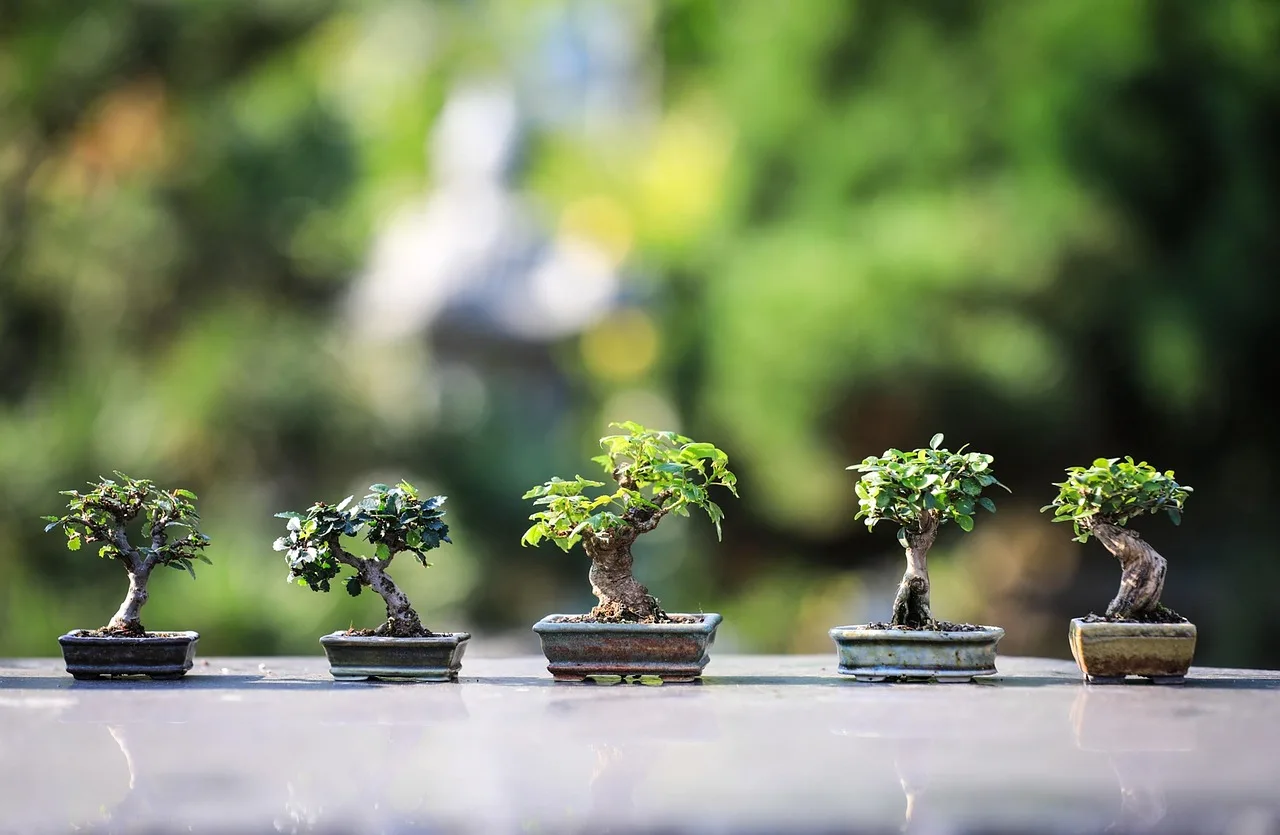
Move plants in stages, match indoor light to the light they already get outside, and avoid the common mistake of switching from full sun and dry air to dim light and constant moisture overnight. Clean the plant, inspect for pests, and slow the transition over 7–14 days so the change feels gradual rather than abrupt.
- Clean off dust, dead growth, and debris.
- Prune dead, unhealthy, or leggy growth first.
- Inspect leaves, stems, soil surface, and drainage holes for mealybugs, thrips, spider mites, and slugs.
- Quarantine any suspicious plant away from houseplants before it enters the main collection.
- Decide whether drainage or soil condition truly calls for repotting.
- Water deeply before the move if the root ball is dry, then let excess drain fully.
- Bring the plant in at night first, then increase indoor time until it stays inside 24/7.
- Place bright-light plants in a sunny window or under supplemental light.
- Hold fertilizer while growth slows indoors.
- Check moisture again only after the top layer begins to dry, and add no more than enough to rewet the root zone before rechecking.
A common first-timer mistake is moving a sun-grown hibiscus straight from a patio into a dim hallway. The safer move is a bright south- or west-facing window, plus a clean pane and a rotation schedule if one side leans toward the light.
Should you repot outdoor plants before bringing them indoors?
Only if the plant is rootbound, the soil breaks down badly, or drainage is poor. Do not repot by default. Fresh soil can help a crowded plant, but a large root disturbance right before the move can add more stress than it removes.
If drainage holes are clogged, fix that first. If the pot sits in a saucer, empty the saucer after watering. Poor drainage can lead to root rot, especially once growth slows indoors and the soil stays wet longer.
First 14 days indoors
Use the first 2 weeks to watch for pest flare-ups, leaf drop, and watering mistakes. Keep quarantine and acclimation separate: a plant can be indoors while still isolated from the rest of the collection.
| Stage | Watering | Light | Isolation |
|---|---|---|---|
| Day 1 | Water only if the root ball was dry before the move; let all excess drain | Set in the brightest suitable window or under grow light | Keep away from houseplants |
| Days 2-7 | Check moisture before watering; avoid waterlogged soil | Hold the same light level; rotate if one side leans | Inspect for hidden pests and leaf spots |
| Days 8-14 | Water less often as growth slows; keep saucers empty | Maintain bright light and clean windows | Release from quarantine only if no pests appear |
How do you check outdoor plants for bugs before bringing them inside?
Check leaves, stems, soil, and drainage holes before a plant crosses the threshold. That is where mealybugs, thrips, spider mites, and slugs hide. If the plant has any sign of insects, isolate it for about 2 weeks to help reduce the chance of pests spreading to nearby houseplants.
Containment plan for the first two weeks
Keep suspect plants in one room or an enclosed area, away from vents and from other indoor plants, for about 2 weeks. Use one saucer per pot, and empty it after watering. If a plant sheds pests, treat it in that contained space first, then recheck nearby surfaces and leaves the next day.
Suppose a fern looks clean from above, but tiny slugs hide in the drainage holes. Moving it straight beside a pothos can spread the problem fast. A 2-week isolation period lets you catch that before the whole indoor collection is exposed.
How do you acclimate plants from outside to inside?
Move plants indoors gradually by starting with nights only, then extend indoor time until they stay inside all day and night. This slows the shift in light, humidity, and temperature. For plants used to full sun, prepare a sunny space before the move so the change is less severe.
Light, humidity, and watering adjustments
Match indoor light to outdoor exposure as closely as you can. Bright-light plants need a sunny window or supplemental light. Winter indoor air can be very dry because of heating, so use a humidifier, a pebble tray, or careful misting; just keep the pot base out of standing water.
Cut back water and fertilizer as growth slows. The plant is not trying to grow at outdoor speed anymore. Give enough moisture to prevent wilting, but do not keep roots wet for long stretches.
Which plants are good overwintering candidates?
Tender perennials and a few container plants often adapt well indoors if they are healthy and already suited to pot culture. Citrus, geraniums, hibiscus, rosemary, and some succulents are common candidates. Even then, the plant’s condition and the indoor setup matter more than the name on the tag.
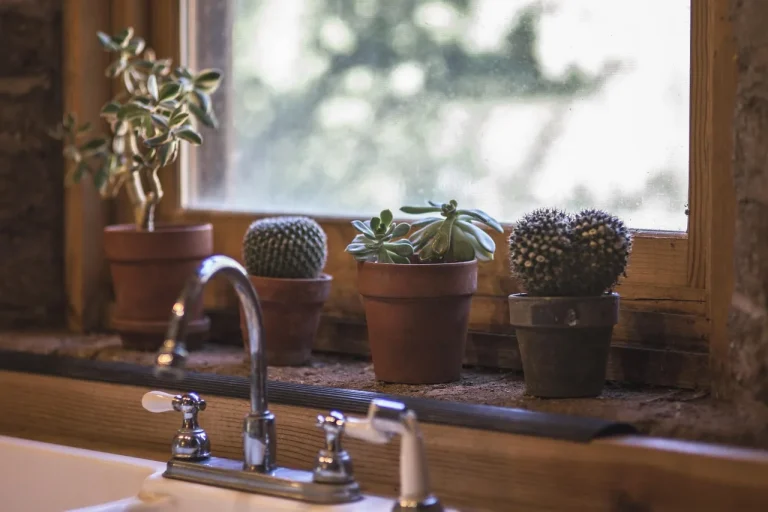
Succulents usually need the brightest spot you can provide and very careful watering. Herbs can do well if they get strong light and stay on the dry side. Tropicals often need more humidity and more consistent light than a standard living room offers.
Why some outdoor plants fail indoors
Many outdoor plants fail because they were adapted to stronger sun, wider temperature swings, and more airflow than most homes provide. Others fail because they arrive already stressed, rootbound, or infested. If a plant cannot match the available indoor light or needs constant humidity your home cannot support, it is a poor candidate.
Common mistakes
- Skipping quarantine before mixing plants with houseplants
- Putting a sun-loving plant in low light
- Leaving pots in saucers filled with water
- Fertilizing as if the plant were still in peak outdoor growth
- Repotting every plant instead of checking whether it actually needs it
- Ignoring pests on the soil surface or in drainage holes
Frequently asked questions
How do I prevent transplant shock in plants when moving them indoors?
Keep the transition gradual, match indoor light to the plant’s outdoor exposure, and avoid waterlogged soil. Clean the plant, quarantine risky ones, and support humidity in dry rooms with a humidifier or pebble tray. Those steps reduce the sharpest changes at once.